Critical Thinking Math Worksheets for Ages 7-8 - Page 2
40 filtered results
-
From - To
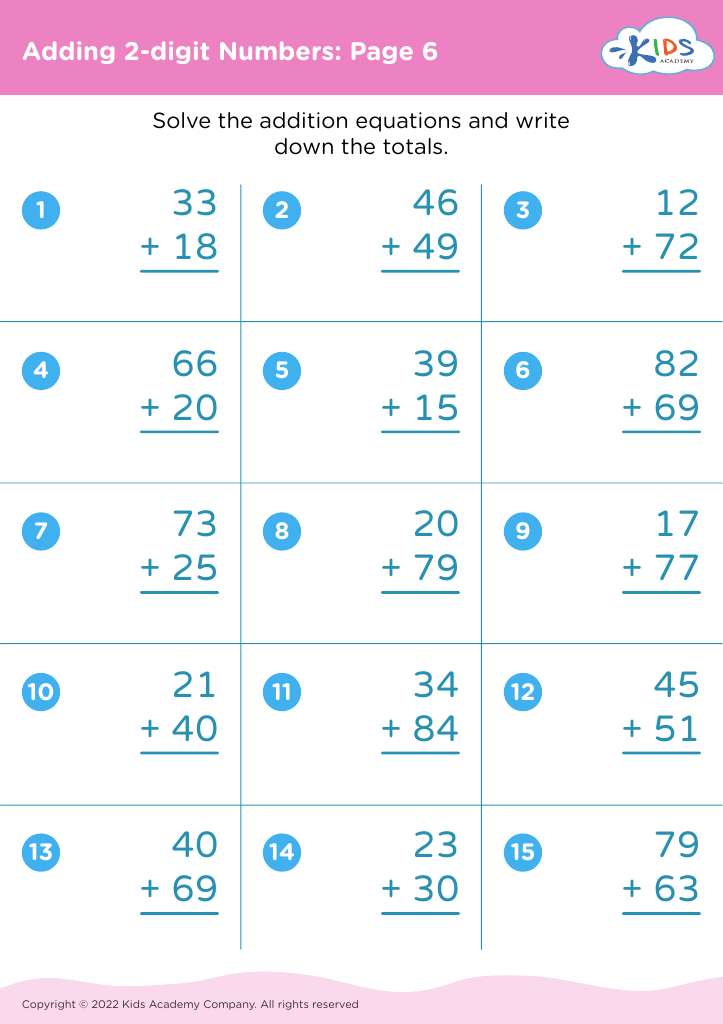
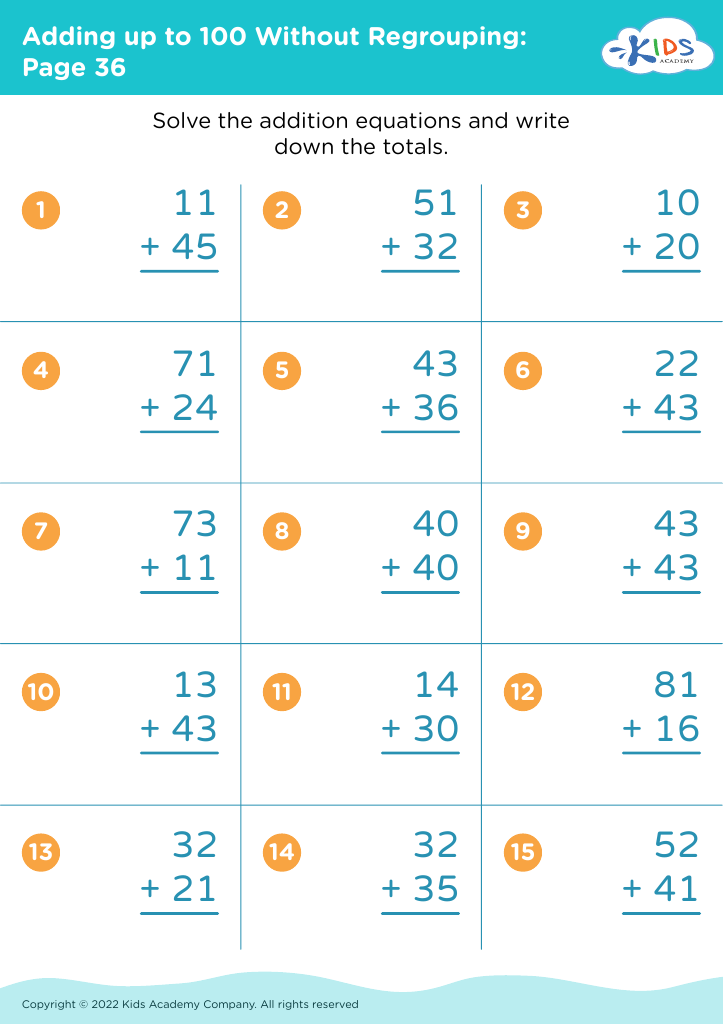
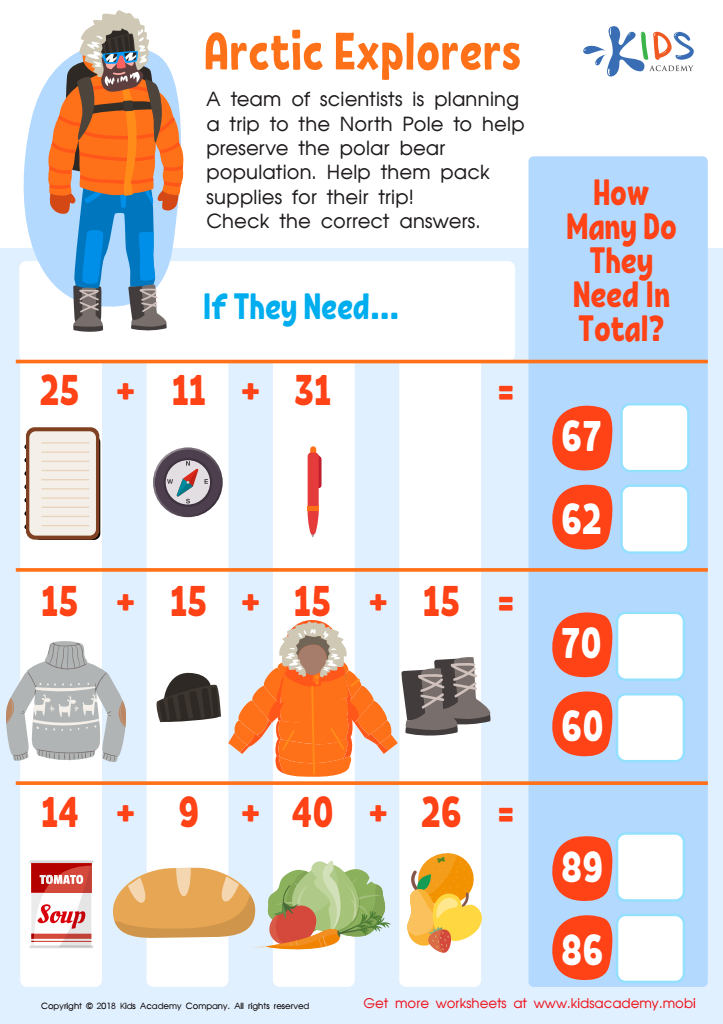
Arctic Explorers Worksheet
 Assign to My Students
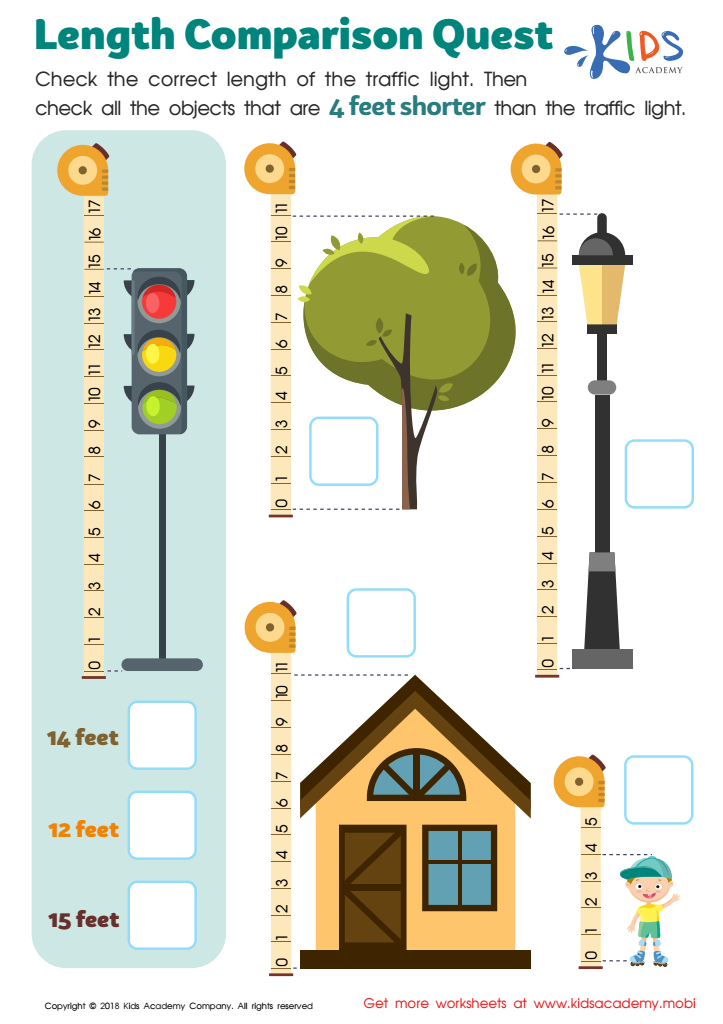
Length Comparison Quest Worksheet
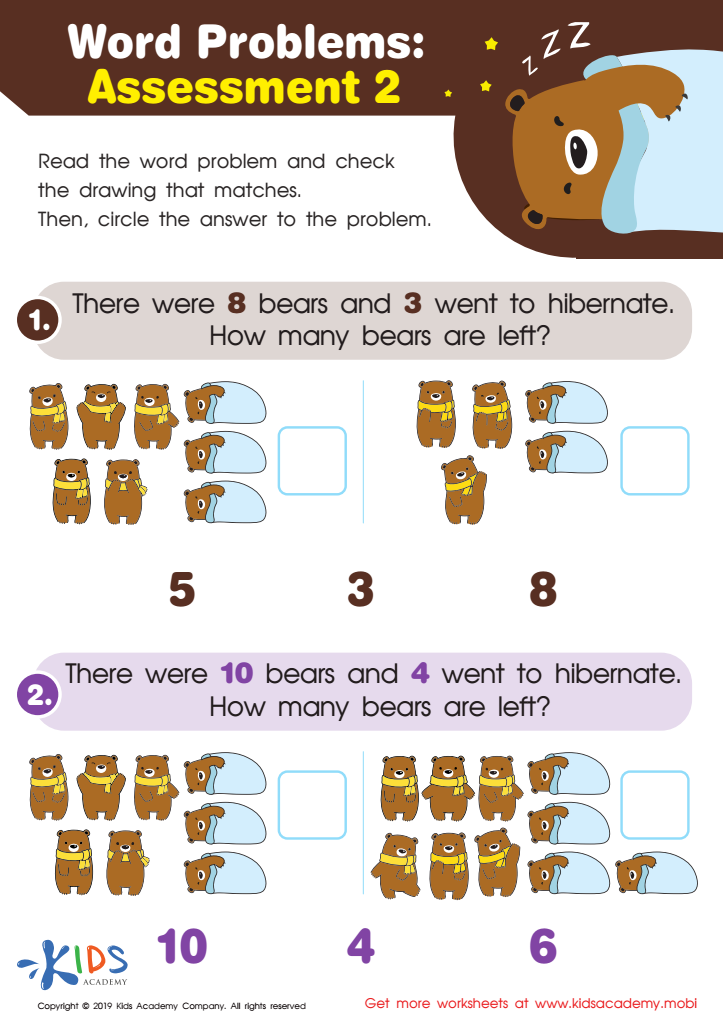
Word Problems: Assessment 2 Worksheet
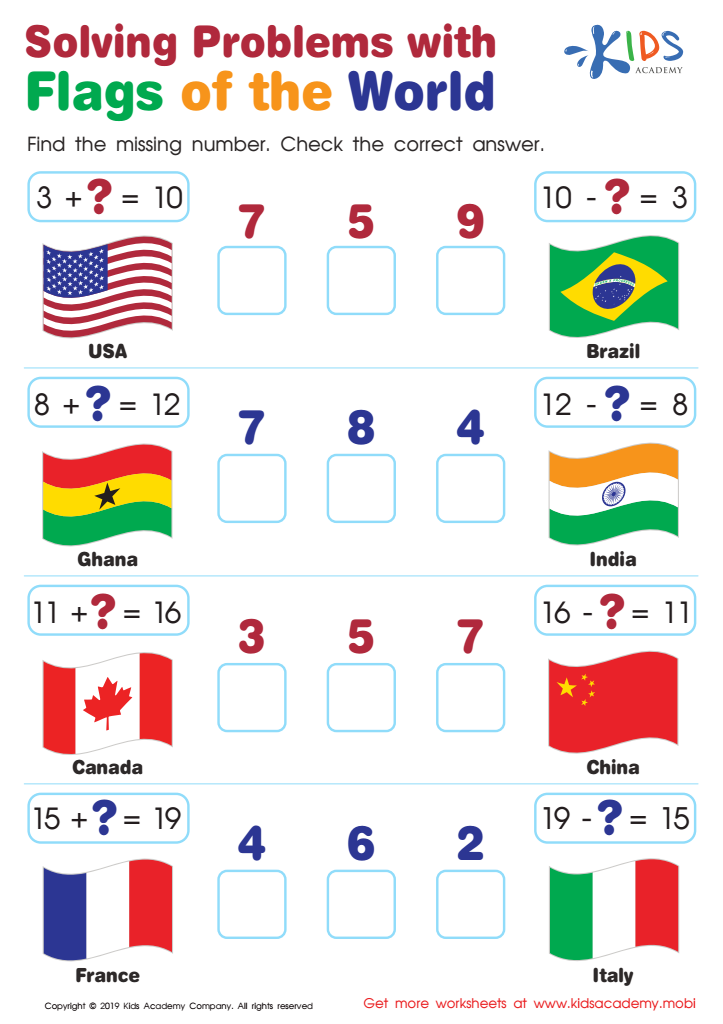
Solving Problems with Flags of the World Worksheet
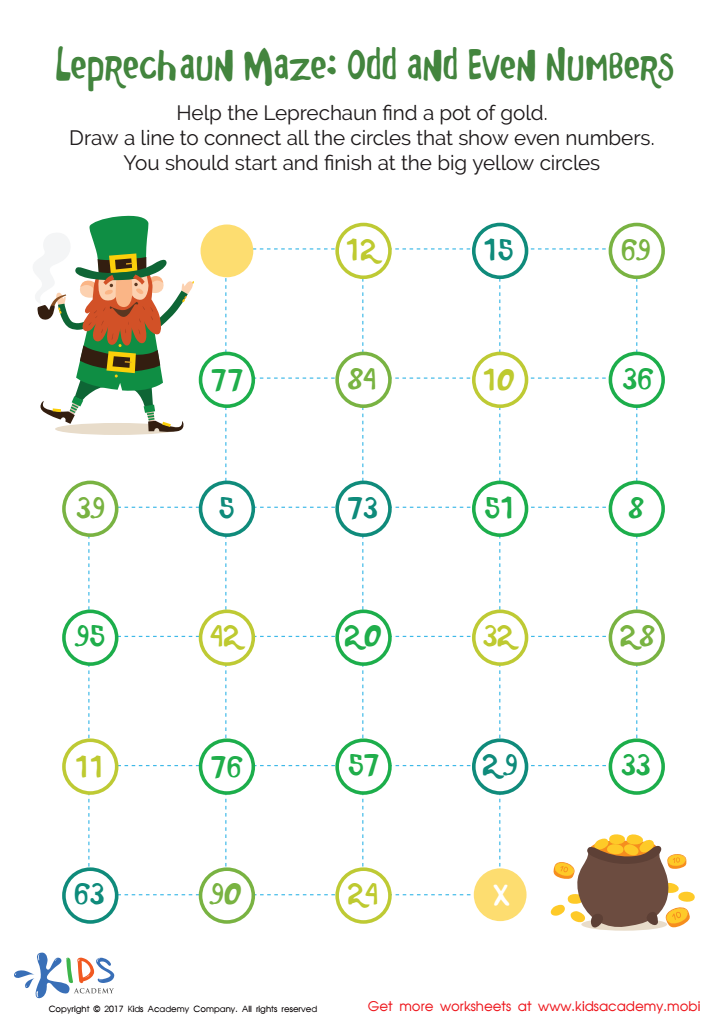
Leprechaun Maze Printable
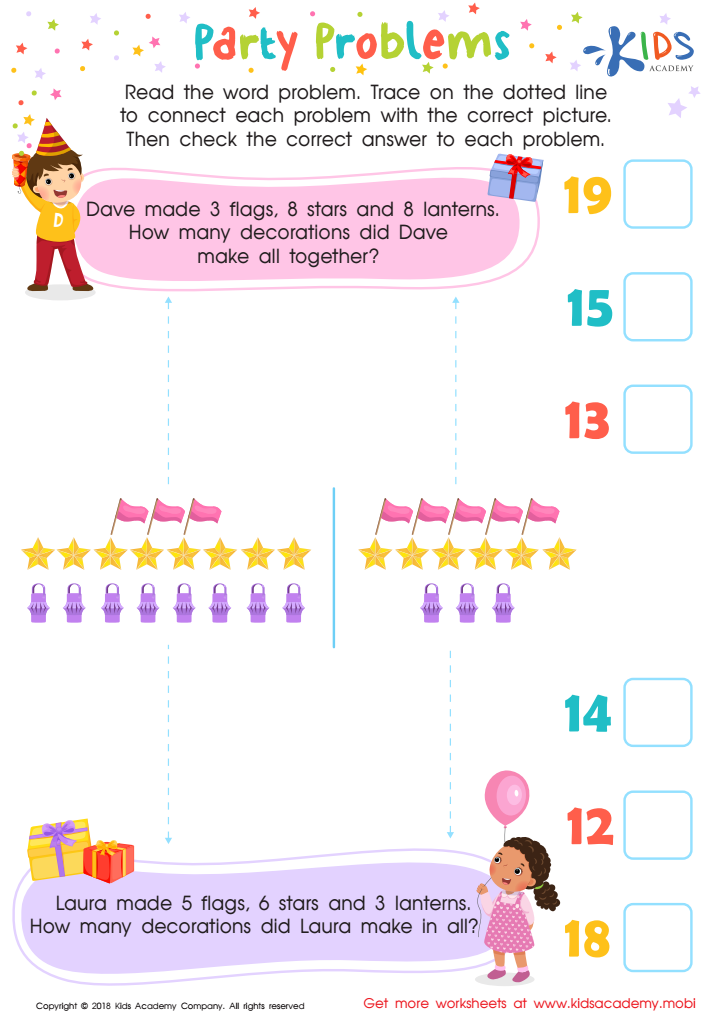
Party Problems Worksheet
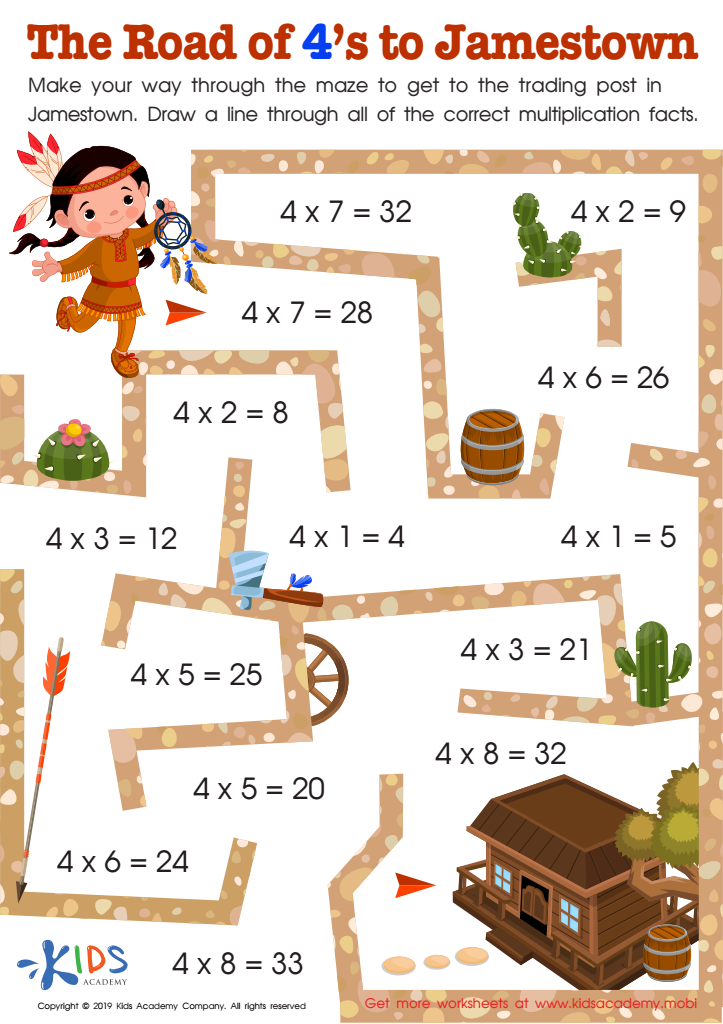
The Road of 4’s to Jamestown Worksheet
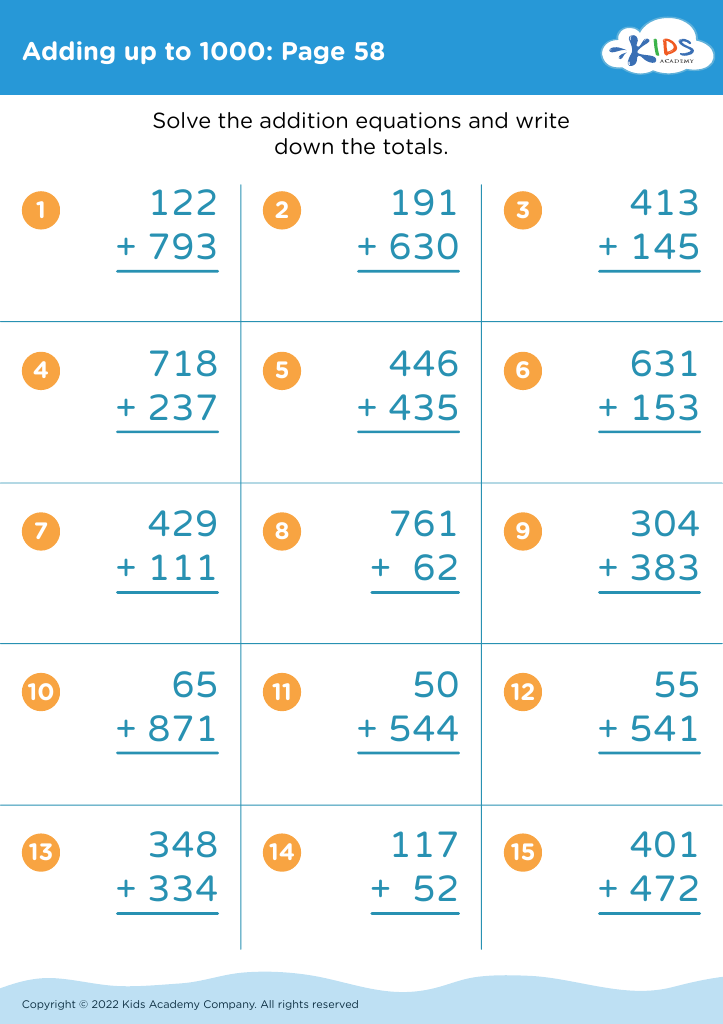
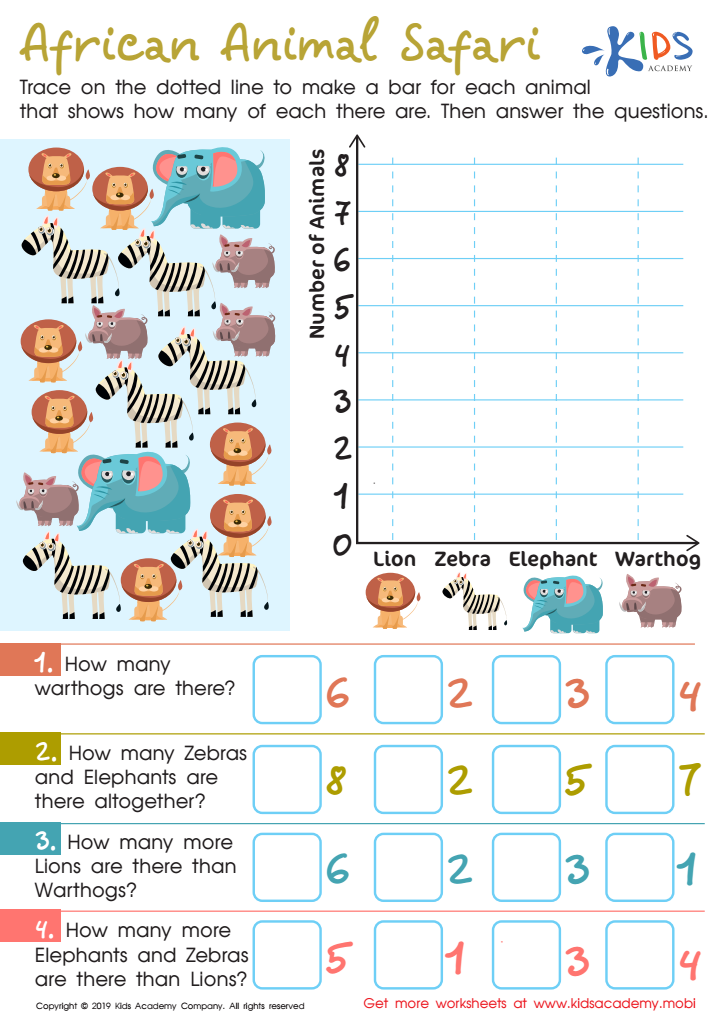
African Animal Safari Worksheet
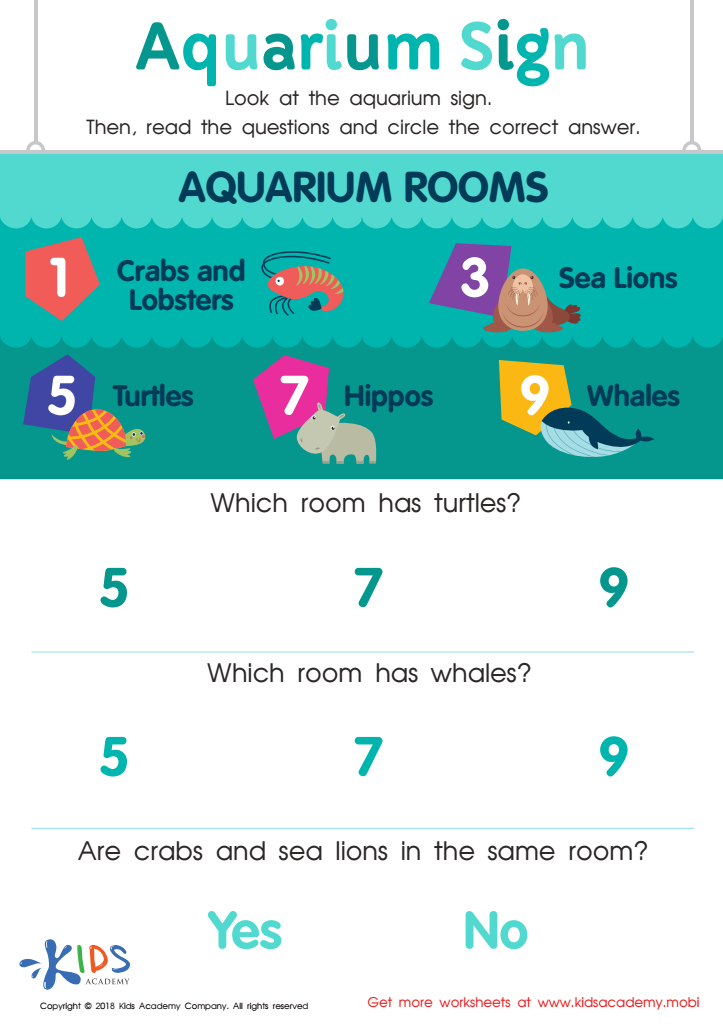
Assessment: Aquarium Sign Worksheet
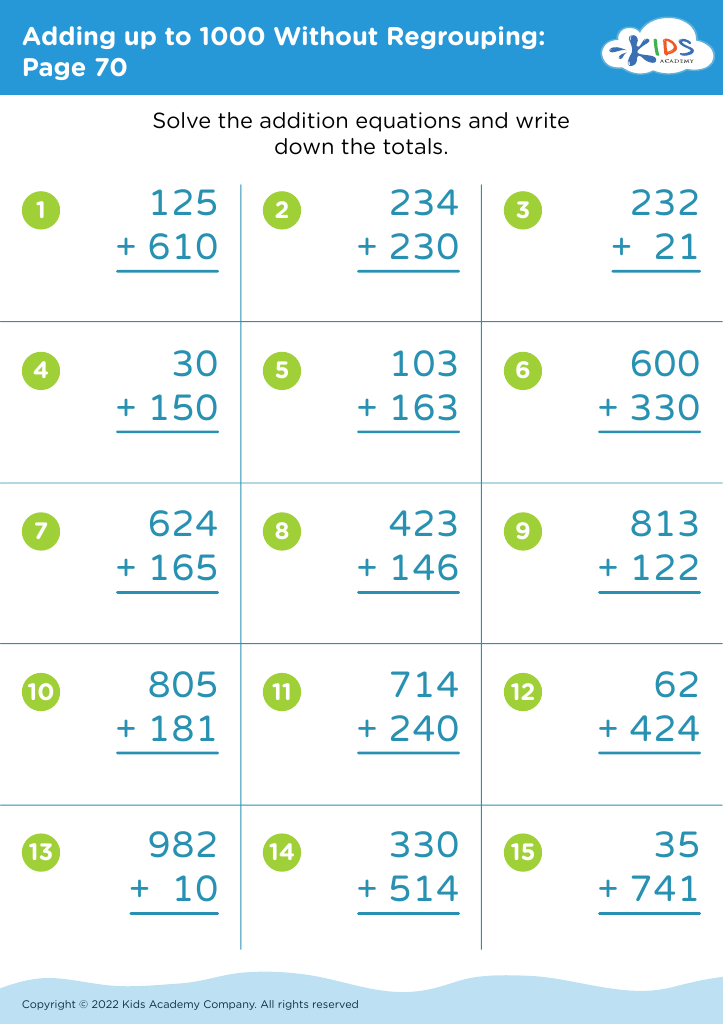

World Traveler Worksheet








By the ages of 7-8, children are developing essential cognitive skills that form the foundation for their future learning. Critical thinking math serves as a powerful tool to enhance these skills. At this stage, parents and teachers should care about critical thinking math because it does more than just teach numbers and operations—it encourages a deeper understanding and ability to apply logical reasoning.
Engaging in critical thinking math hones problem-solving abilities. Children learn to analyze a problem, look for patterns, break down processes, and apply various strategies to arrive at a solution. This process is fundamental not only for math but also for daily life scenarios, where making decisions and solving problems efficiently is crucial.
Furthermore, critical thinking math promotes a growth mindset. Children learn that challenges can be fun and that perseverance leads to improvement and success. This fosters resilience and adaptability, key traits in an ever-changing world.
It also bridges connections between academic subjects. For example, understanding patterns in math can enhance skills in music and art. Following instructions precisely in math problems can improve reading comprehension.
Overall, investing in critical thinking math for ages 7-8 cultivates an attitude of curiosity and a passion for learning, equipping children with versatile skills essential for their future academic and personal success.








