Letter recognition Math Worksheets for Ages 7-8
4 filtered results
-
From - To
Delight young learners with our engaging Letter Recognition Math Worksheets designed for ages 7-8. Merging foundational math and alphabet skills, these worksheets transform learning into an enjoyable adventure. Each exercise offers interactive activities that enhance letter recognition while reinforcing essential math concepts. Through visually stimulating and thoughtfully crafted exercises, children develop critical thinking, fine motor skills, and confidence in both math and literacy. Tailored for 7-8 year old students, these worksheets are perfect for classroom use or at-home practice. Help your child or student succeed with this harmonious blend of letters and numbers, making learning exciting and effective.
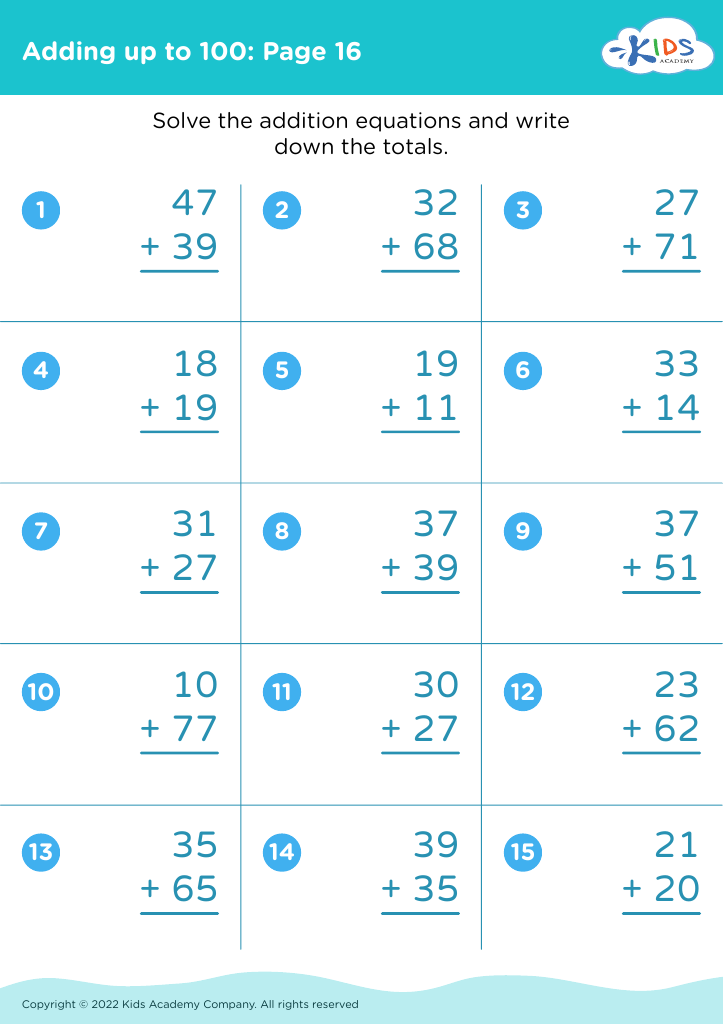
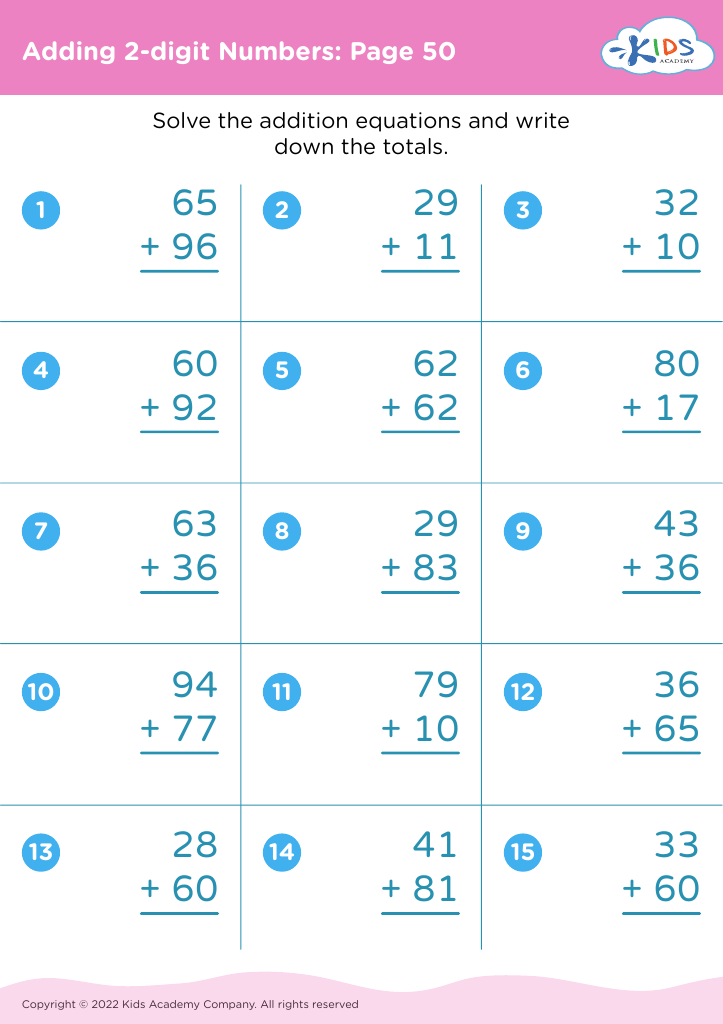
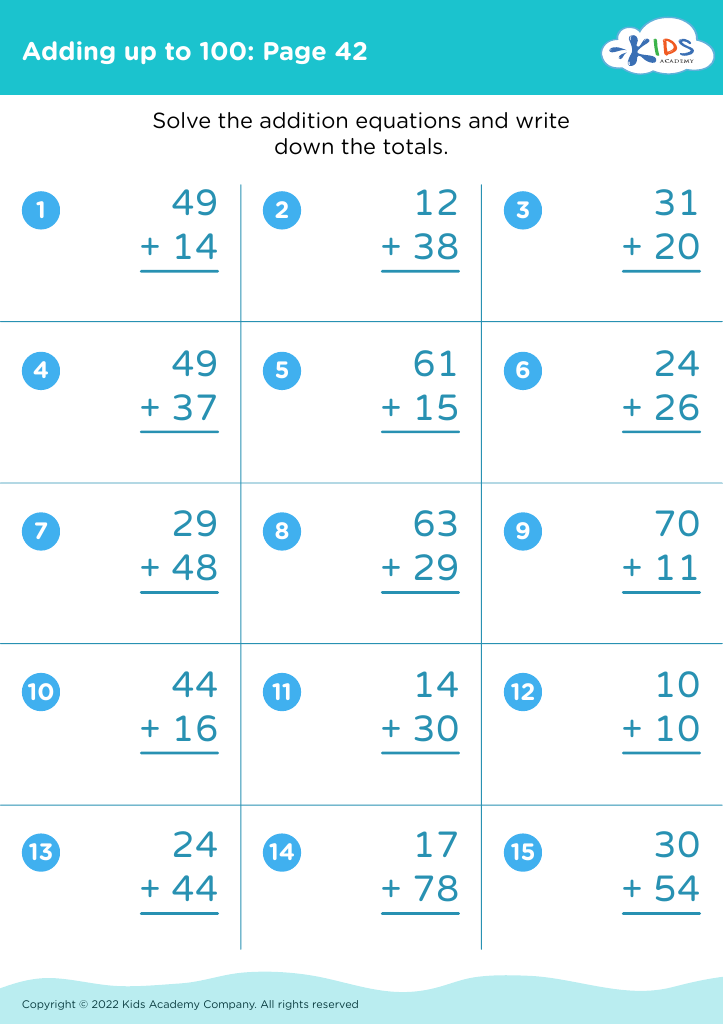
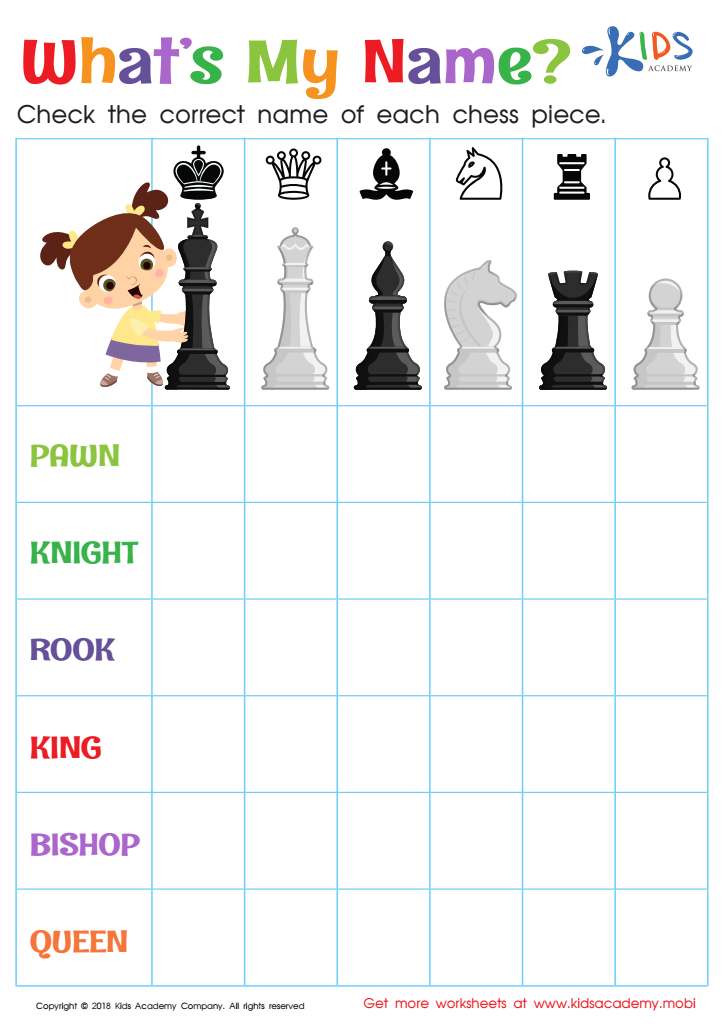
What's My Name? Worksheet
 Assign to My Students







Letter recognition and early math skills form the foundation of a child’s academic journey, especially around ages 7-8. These skills are crucial for several reasons. First, letter recognition is the cornerstone of literacy. When children recognize letters easily, they can begin to decode words, making reading less daunting and more enjoyable. This early confidence in reading propels them towards greater academic achievements.
In parallel, early math skills teach children logical thinking and problem-solving. At ages 7-8, children move from basic counting to understanding more complex concepts like addition, subtraction, and more – these skills affect not just their future mathematics success but also enhance their critical thinking. Math proficiency at this stage often correlates with later academic success and can even predict achievement beyond subjects purely numerative in nature.
Engaging both these skills harnesses a child’s mental adaptability and helps them understant patterns – a skill necessary both for reading words and solving math problems. For the parents and teachers, investing energy in children’s letter recognition and math skills thus provides them tools and confidence necessary for lifelong learning. Plus, the joy and curiosity sparked by early math and reading stand as building blocks for a healthier academic and motivational mindset that extends far beyond the classroom.








