
Recognize patterns Math Worksheets for Ages 7-8
11 filtered results
Difficulty Level
Grade
Age
-
From - To
Subject
Activity
Standards
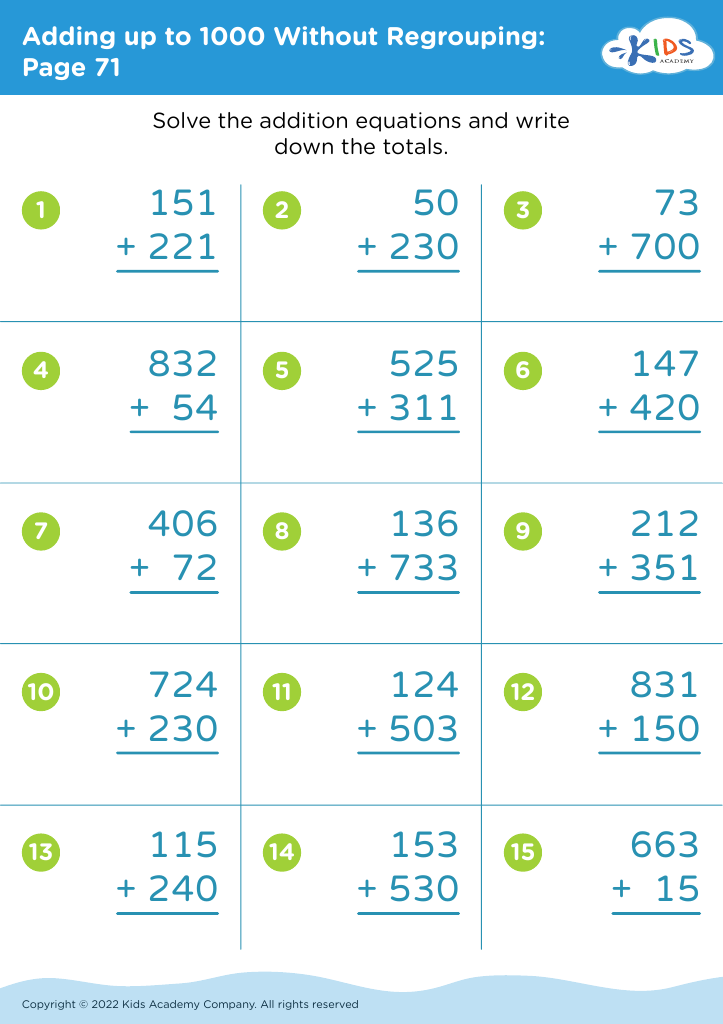
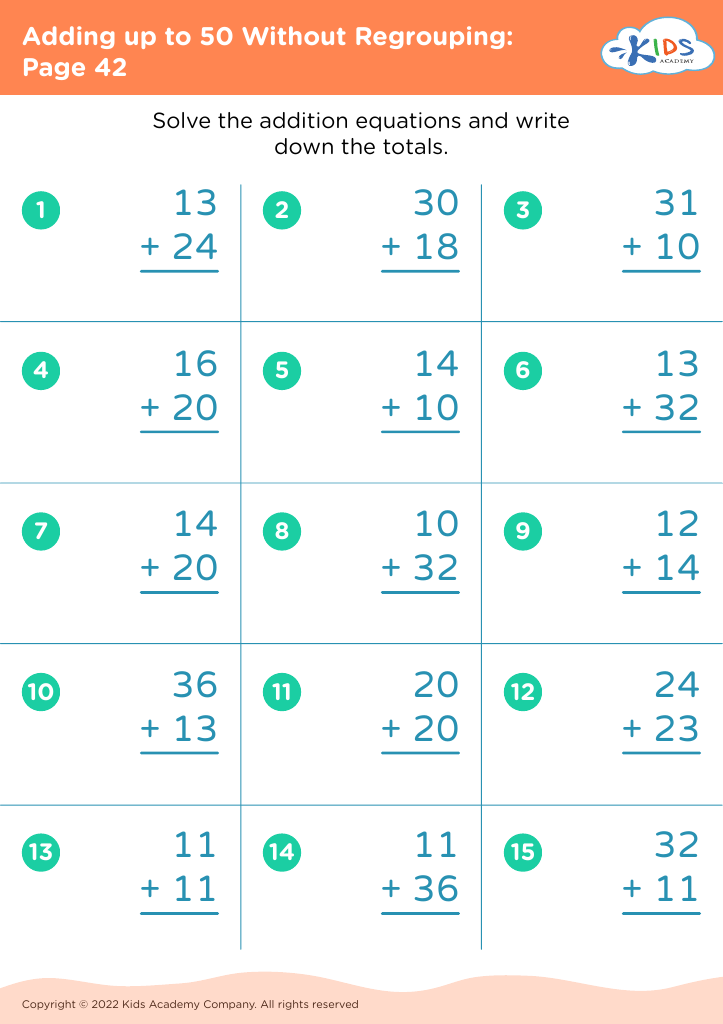
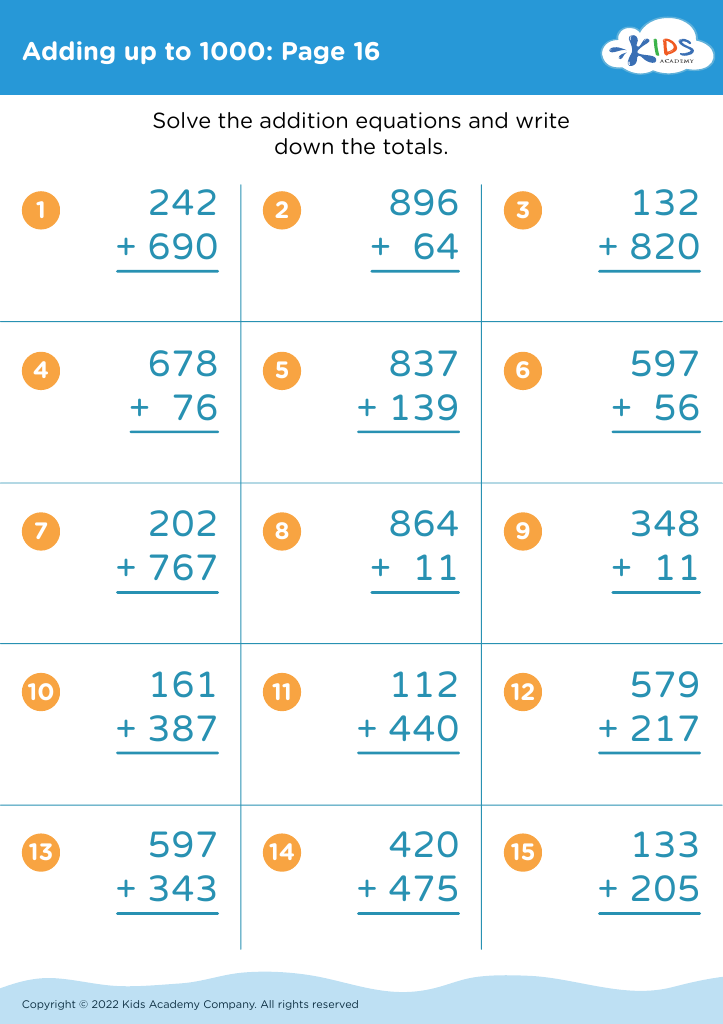
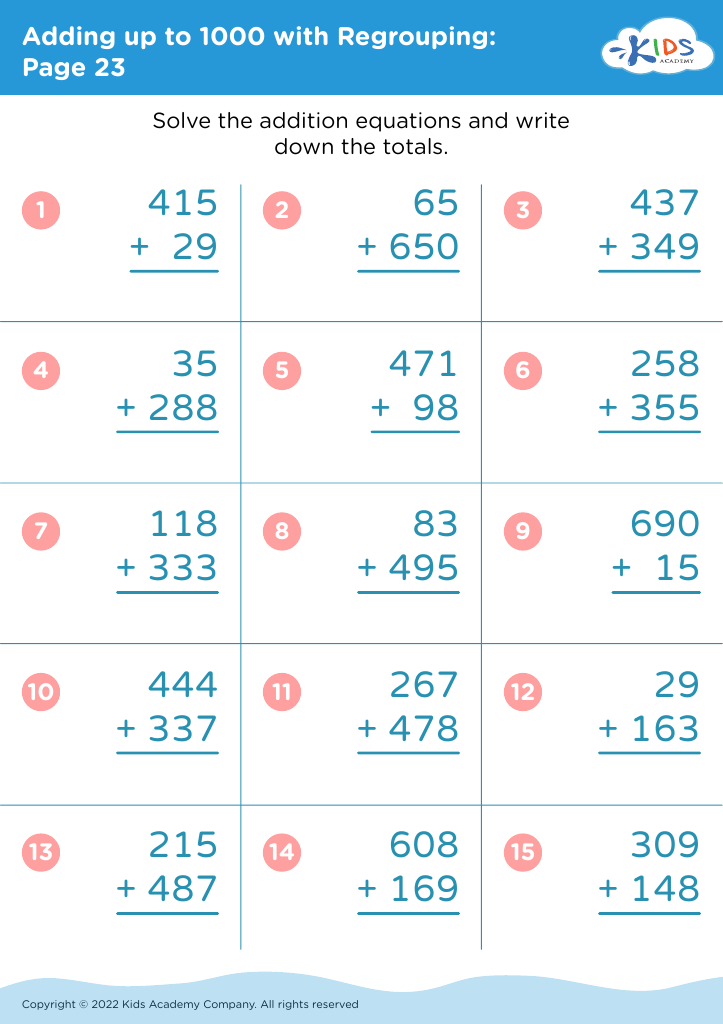
Discover our engaging "Recognize Patterns" math worksheets designed specifically for children ages 7-8. These interactive resources help young learners enhance their mathematical reasoning by identifying, creating, and extending patterns in various forms. With a blend of fun activities and practical exercises, children will develop critical thinking and problem-solving skills while enjoying the learning process. Each worksheet is tailored to align with educational standards, ensuring they foster holistic growth. Empower your child’s mathematical journey and boost their confidence as they delve into the world of patterns. Visit us to explore our extensive collection of worksheets that make learning both fun and effective!
Favorites
With answer key
Interactive
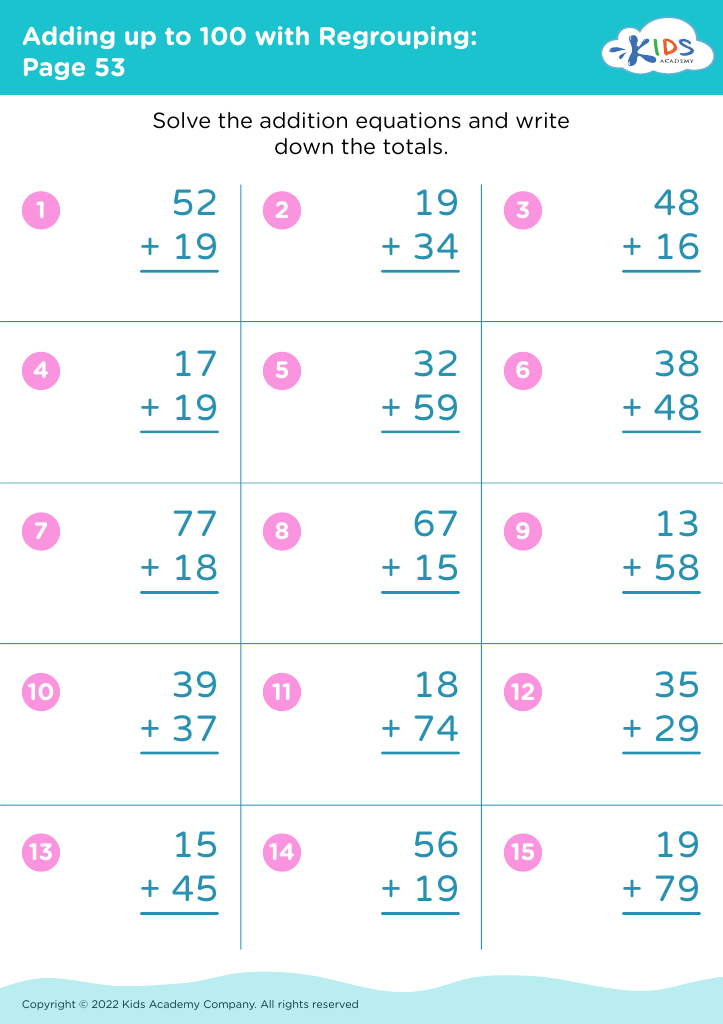
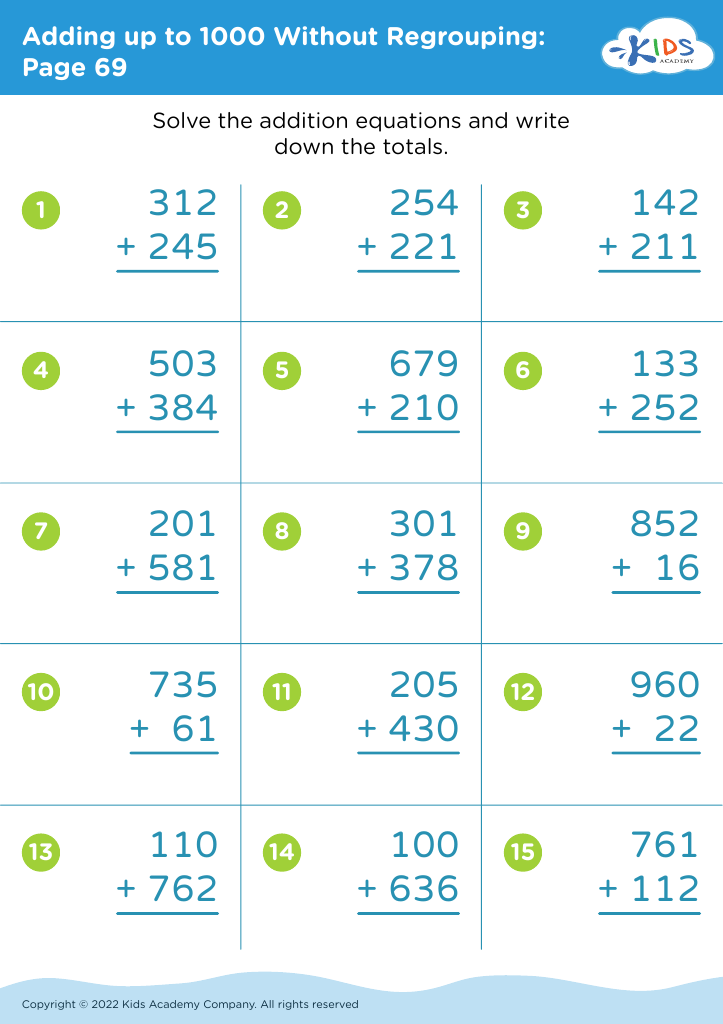
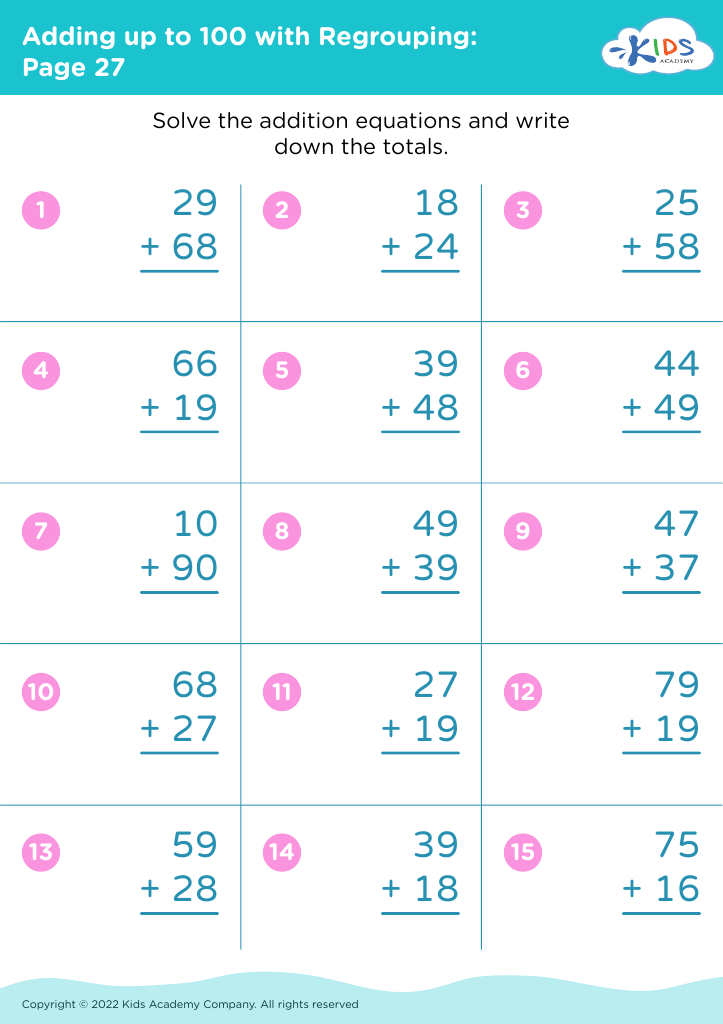
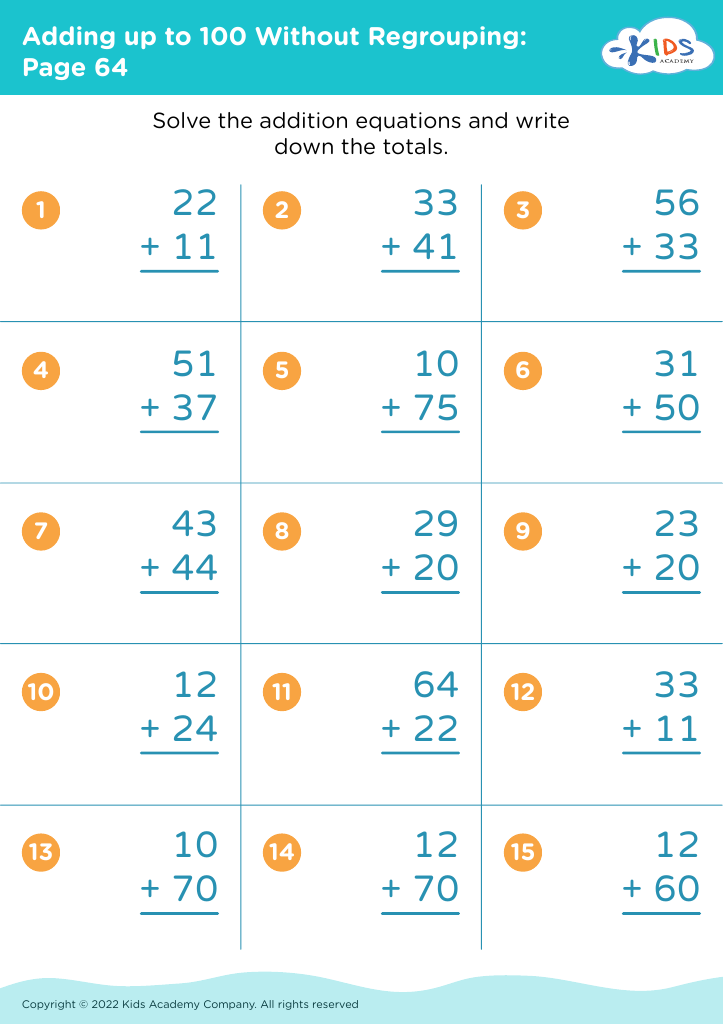
Join Kids Academy for Free
Who is primarily going to use this learning content?








Recognizing patterns in mathematics is a foundational skill that significantly benefits children aged 7-8, making it a critical focus for parents and teachers. At this developmental stage, children are beginning to grasp abstract concepts, and pattern recognition serves as a bridge to higher-order thinking. When students learn to identify patterns, they enhance their problem-solving skills and boost their ability to make predictions based on observations, which is central to understanding mathematical concepts like number sequences, shapes, and mathematical operations.
Moreover, recognizing patterns strengthens cognitive abilities and encourages creativity, as students learn to look for relationships and connections between ideas. This skill not only lays the groundwork for further mathematical learning—such as the introduction of algebra—but also translates into other subjects, fostering a well-rounded educational experience. Teachers and parents can utilize games and visual aids to make learning enjoyable and engaging, helping children develop a positive attitude toward math. Additionally, mastering pattern recognition helps boost confidence, as students can successfully analyze data and work through challenges. Ultimately, by prioritizing pattern recognition in the early years, adults are equipping children with essential skills for future academic success and lifelong learning.








