Reinforce math concepts Math Worksheets for Ages 7-8
3 filtered results
-
From - To
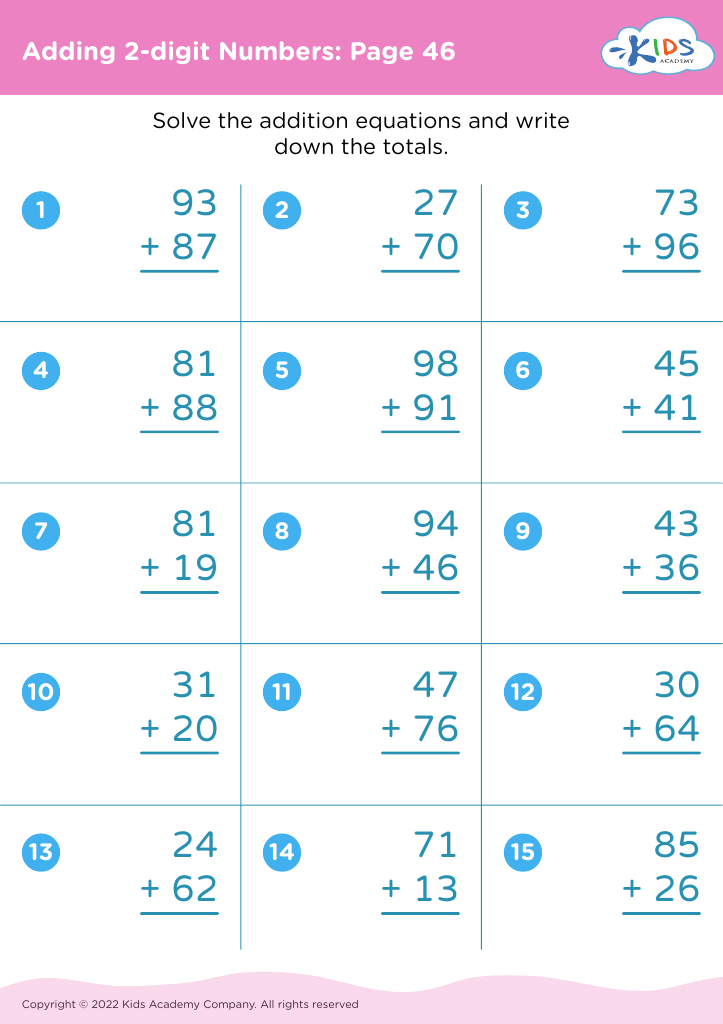
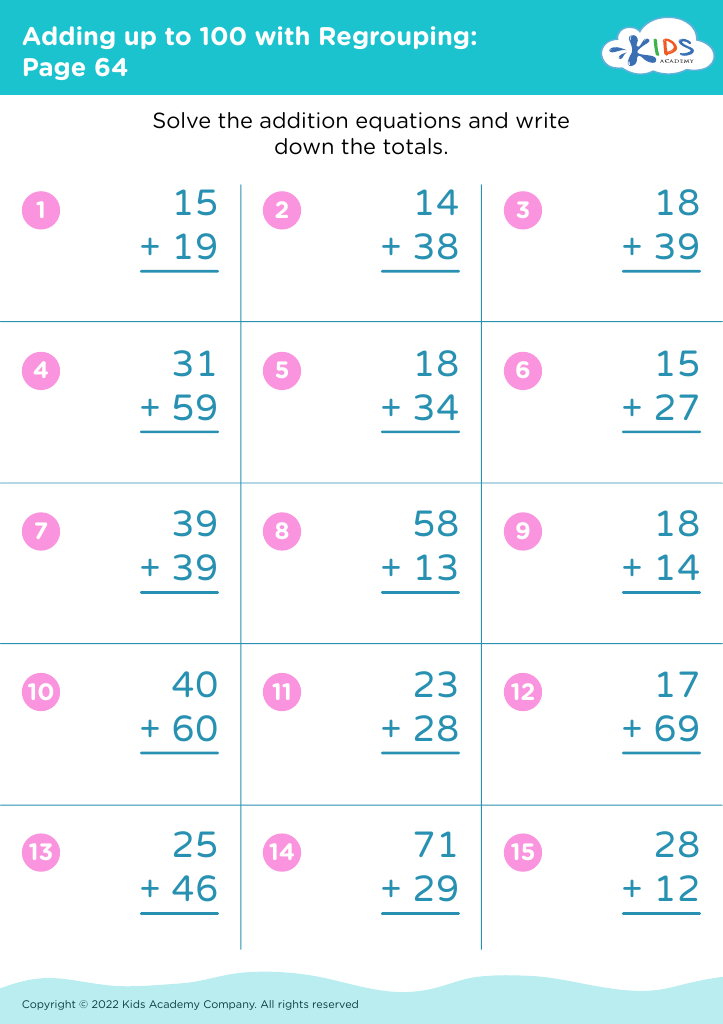
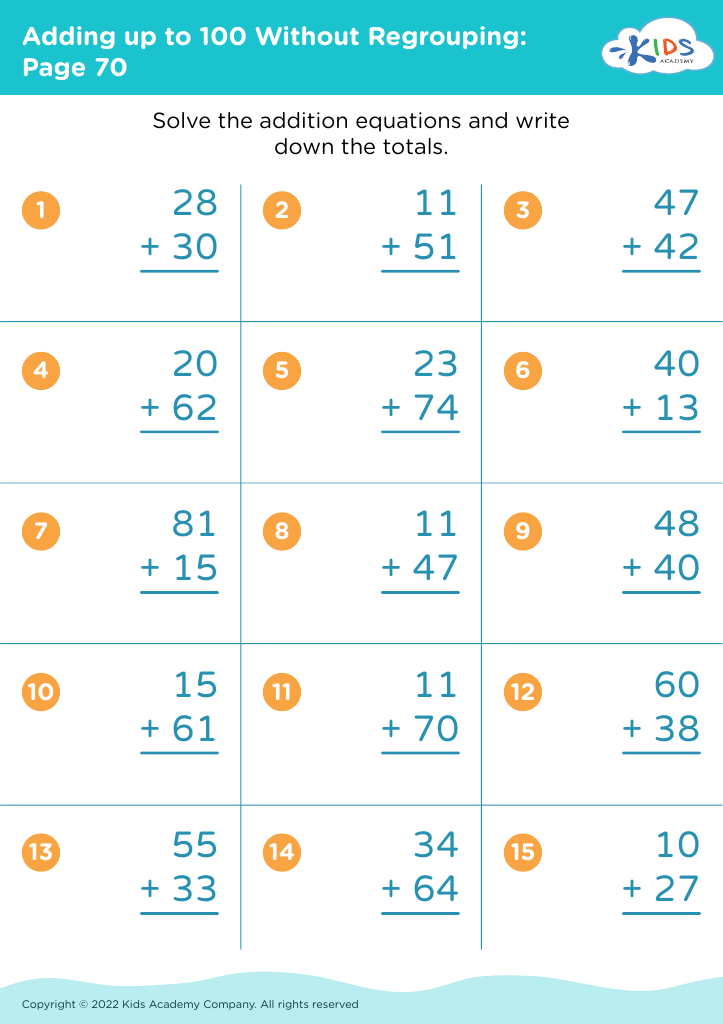
Boost your child's math skills with our specially designed math worksheets for ages 7-8. These engaging activities focus on reinforcing essential math concepts like addition, subtraction, multiplication, division, fractions, and more. Each worksheet is crafted to build confidence and improve problem-solving abilities while keeping learning fun and interactive. Ideal for both classroom use and home practice, our worksheets provide a solid foundation for academic success. Help your child excel in math and develop a love for numbers with Kids Academy's expertly crafted resources. Perfect for teachers and parents alike!





.jpg)


Understanding math concepts at an early age lays the foundation for children’s academic success and everyday problem-solving skills. For ages 7-8, this period is particularly pivotal as young brains are highly impressionable and can absorb information quickly. Reinforcing math for this age group ensures that basic arithmetic, such as addition, subtraction, multiplication, and division, become second nature.
Teachers and parents should care about this because proficiency in these areas builds confidence and reduces math anxiety, a common problem in older students. When kids grasp fundamental concepts early, they are more likely to find math enjoyable and less intimidating as they advance to more complex topics.
Moreover, math skills are not isolated; they enhance cognitive functions like logical thinking, pattern recognition, and critical analysis. These skills are transferable to other subjects like science and even reading comprehension where patterns and logical sequencing are essential.
Lastly, integrating math into everyday activities makes learning practical and shows children the real-world application of the concepts. For instance, measuring ingredients while cooking or calculating change during shopping can help solidify their understanding and importance of math. In essence, caring about reinforcing math at this stage is investing in a child’s long-term academic development and practical life skills.








