Understanding sequencing Math Worksheets for Ages 7-8
7 filtered results
-
From - To
Explore our "Understanding Sequencing Math Worksheets" designed specifically for ages 7-8, available at Kids Academy. These worksheets enhance children's ability to recognize and create patterns, a foundational math skill. From number sequences to shape patterns, our activities encourage logical thinking and problem-solving. Each worksheet aims to make learning fun and engaging with vibrant illustrations and relatable themes. Perfect for classroom or at-home practice, our worksheets help young learners build confidence and mastery in sequencing. Join thousands of parents and educators who trust Kids Academy to nurture their children's math skills. Download and print now to get started!
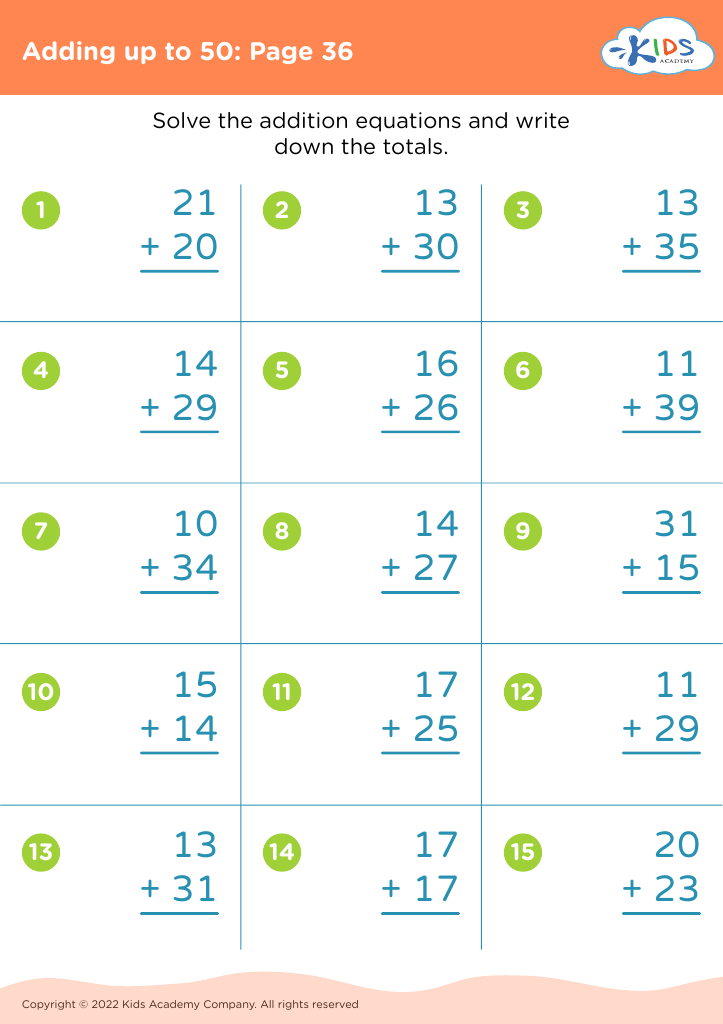
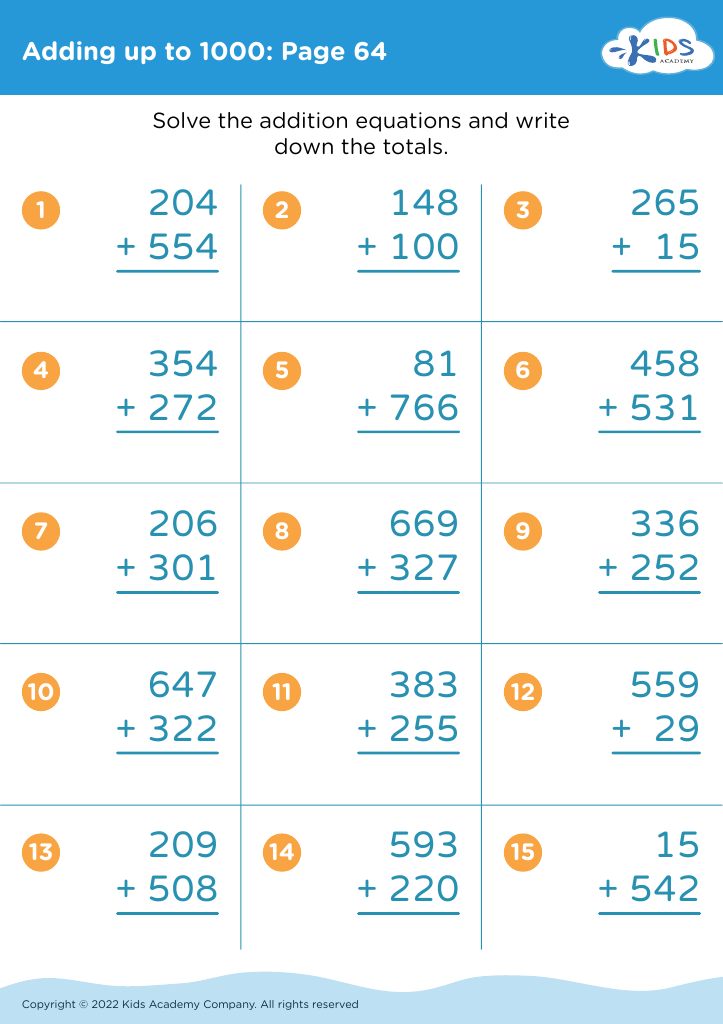
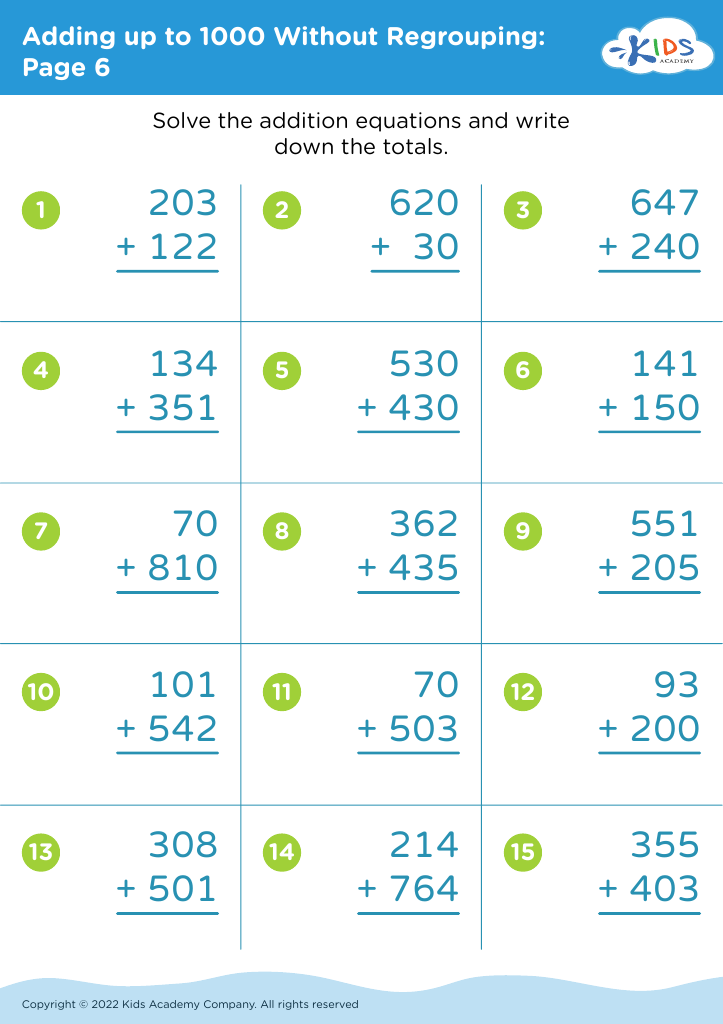
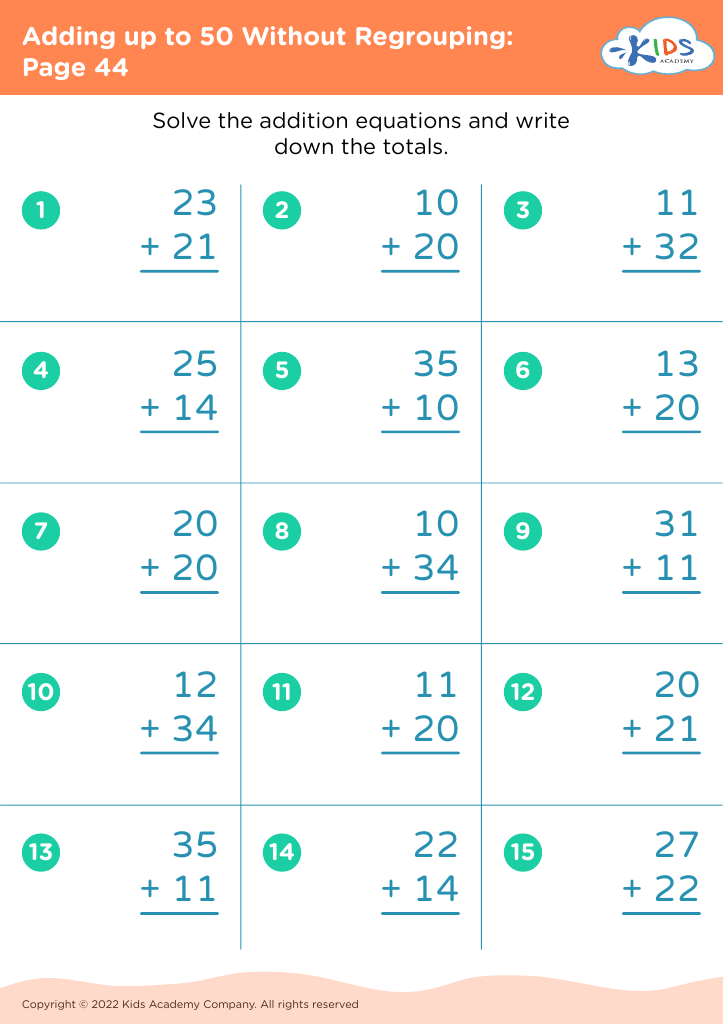
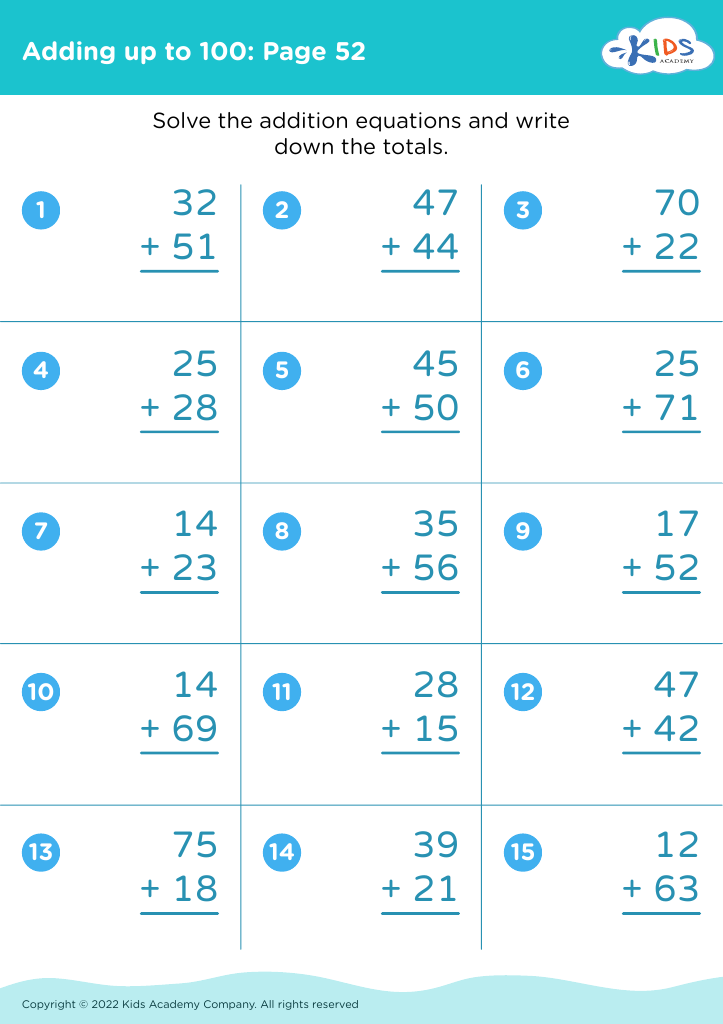
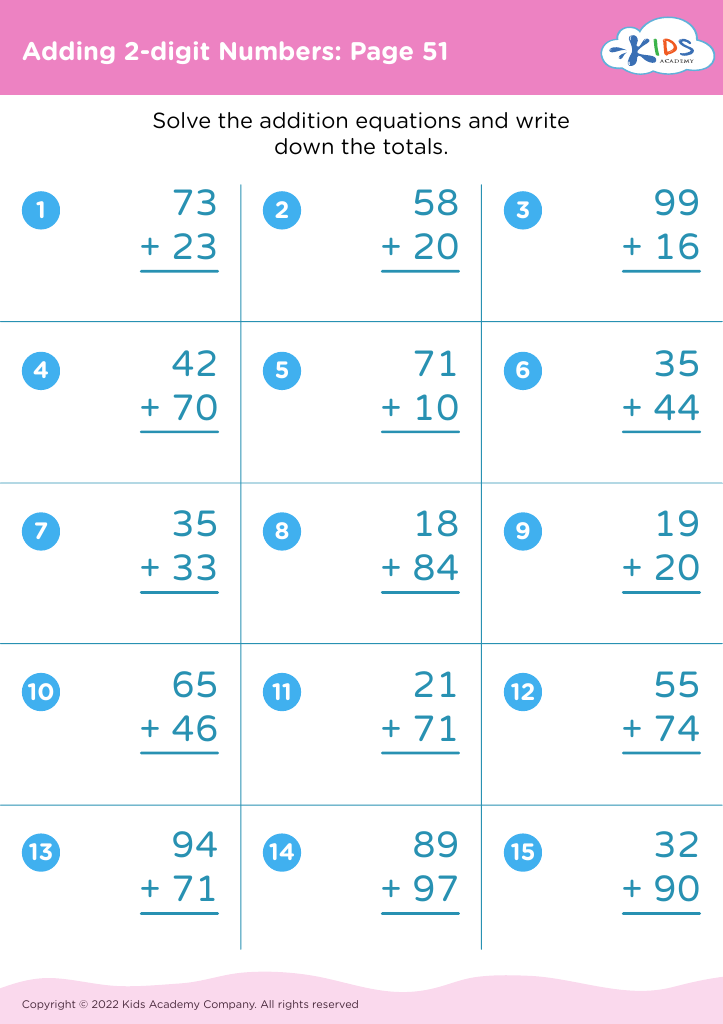
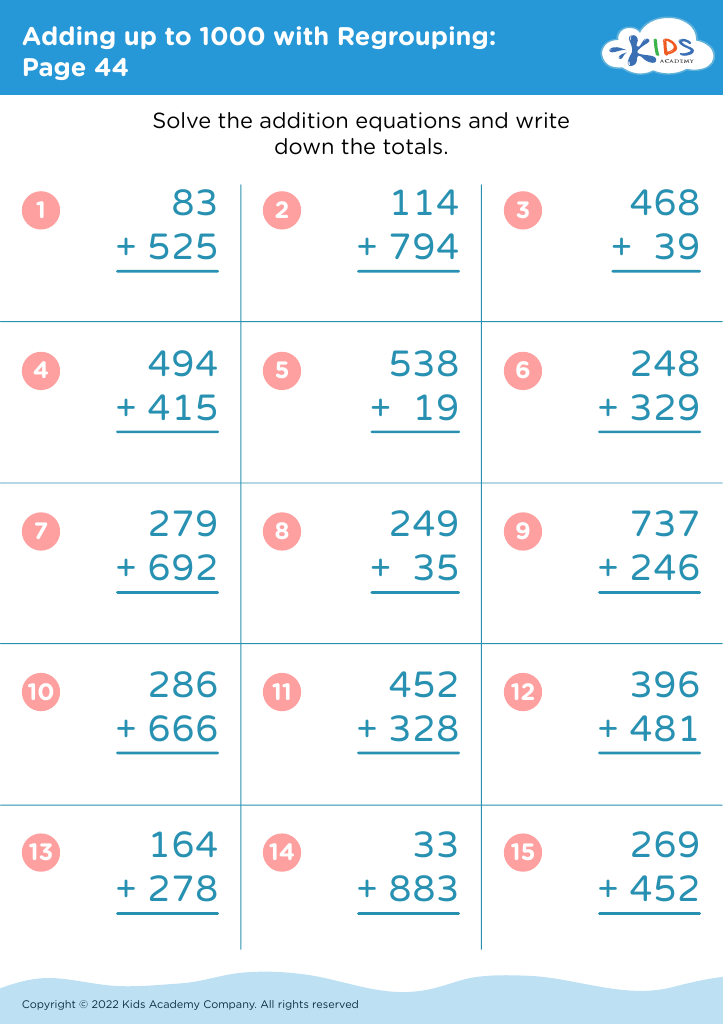








Understanding sequencing in math is crucial for young children, ages 7-8, as it forms the foundation for many mathematical concepts. Sequencing is the ability to arrange objects, numbers, or events in a logical order, which is an essential skill in both math and everyday life.
For parents and teachers, focusing on sequencing helps children develop critical thinking and problem-solving skills. Many mathematical operations, such as addition, subtraction, and even complex algorithms later on, rely on the principles of sequencing. If a child understands how to properly order numbers and steps, they are more likely to solve math problems accurately and efficiently.
Moreover, sequencing teaches children the principle of cause and effect. When they can identify that specific actions lead to specific results, it enhances their logical thinking and decision-making abilities. This cognitive skill is not limited to math but is also applicable in reading, science, and social studies, making it a versatile tool in their academic journey.
Lastly, achieving mastery in sequencing boosts a child's confidence in their mathematical abilities. This confidence encourages a positive attitude towards learning, fostering an environment where the child is eager to engage with more challenging concepts as they advance through their education. Parents and teachers who prioritize understanding sequencing invest in building a strong educational foundation for these young minds.








