Critical Thinking Measurement Worksheets for Ages 7-8
3 filtered results
-
From - To
Nurture your child's intellect with our engaging Critical Thinking Measurement Worksheets for ages 7-8. Crafted to develop essential problem-solving skills, these worksheets blend fun and learning, helping kids master measurements while sharpening their critical thinking abilities. Whether tackling real-life scenarios or mind-bending puzzles, each worksheet captivates young learners and fosters logical reasoning. Get your child ahead with expertly designed resources that make learning enjoyable and ensure they’re equipped with the tools needed for academic excellence. Ideal for classroom use or home study, our worksheets are the perfect addition to any educational program. Unlock their potential today!
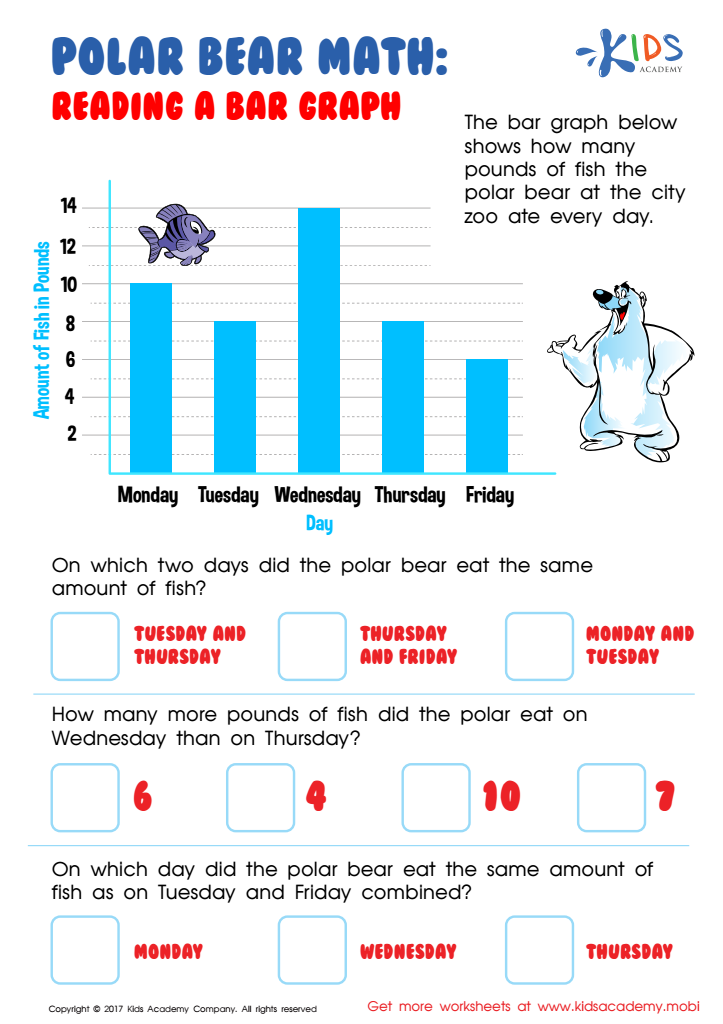
Reading Bar Graph Worksheet
 Assign to My Students
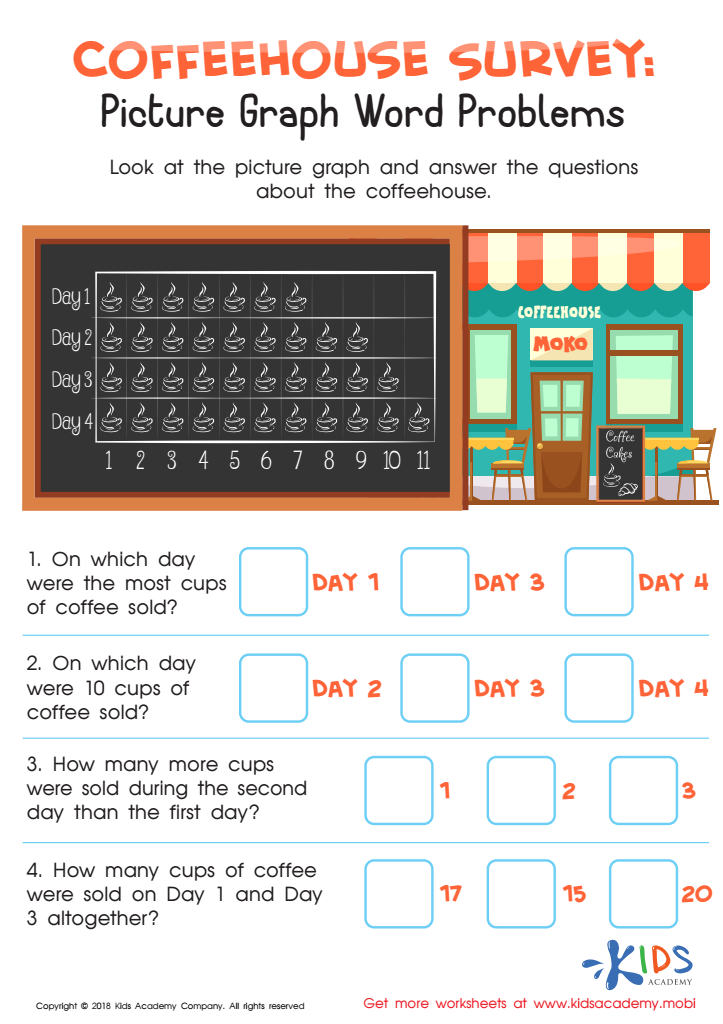
Coffeehouse Survey: Picture Graph Word Problems Worksheet
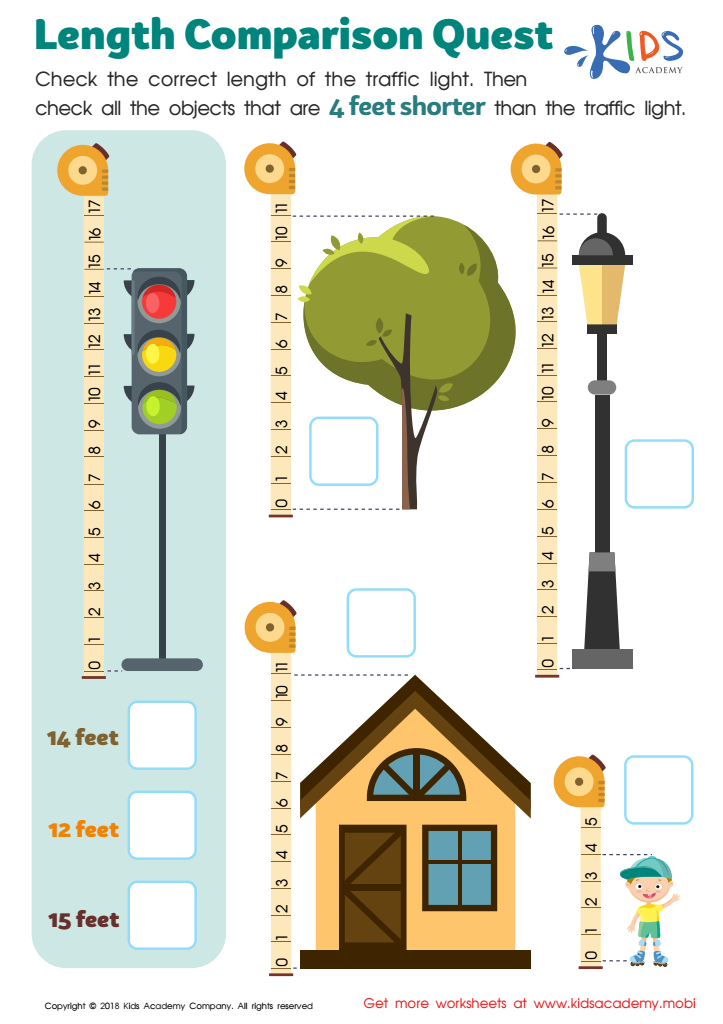
Length Comparison Quest Worksheet








Critical thinking development is fundamental for children ages 7-8, as it lays the groundwork for future academic and life success. Measuring critical thinking skills at this young age helps parents and teachers understand a child’s ability to analyze, evaluate, and create new solutions when faced with problems. This is essential because it goes beyond rote memorization and taps into deeper cognitive functions.
For parents, knowing how well their children are developing critical thinking skills can inform how they support learning at home. It provides insights into what activities might stimulate their child’s intellectual curiosity and problem-solving capabilities. This can include things like open-ended questions, interactive games, or STEM-based projects that promote analytical thinking.
For teachers, this measurement can guide instructional strategies. Kenntt being aware of how students are progressing allows educators to tailor their approaches and potentially identify students who might need additional support or more challenging materials. Critical thinking exercises sharpen students' abilities to think on their feet, reason logically, and make informed decisions.
Furthermore, these skills are transferable across subjects and are paramount in today’s fast-paced, information-rich world. Thus, early intervention through careful measurement ensures that young students are not just passive consumers of information but active, thoughtful learners prepared for the challenges of the future.








