Filters

21 filtered results

Clear all filters
Favorites
With answer key
Interactive

21 filtered results

Difficulty Level

Grade


Enhance your child's number recognition skills with our engaging worksheets designed specifically for ages 7-8! These interactive resources promote cognitive development while building a strong vocabulary foundation. Each worksheet incorporates fun exercises that challenge young learners to identify numbers, understand their meanings, and apply them in various contexts. Ideal for reinforcing classroom learning or daily practice at home, our materials encourage critical thinking and boost confidence in mathematics. By integrating play with education, children will enjoy mastering numbers and expanding their vocabulary simultaneously. Unlock your child's potential today with our thoughtfully designed number recognition building vocabulary worksheets!

Check out this FREE Trial Lesson on Building Vocabulary for age 7-8!

Context Clues

Favorites
With answer key
Interactive
  • 7-8
  • Number Recognition
  • Building Vocabulary
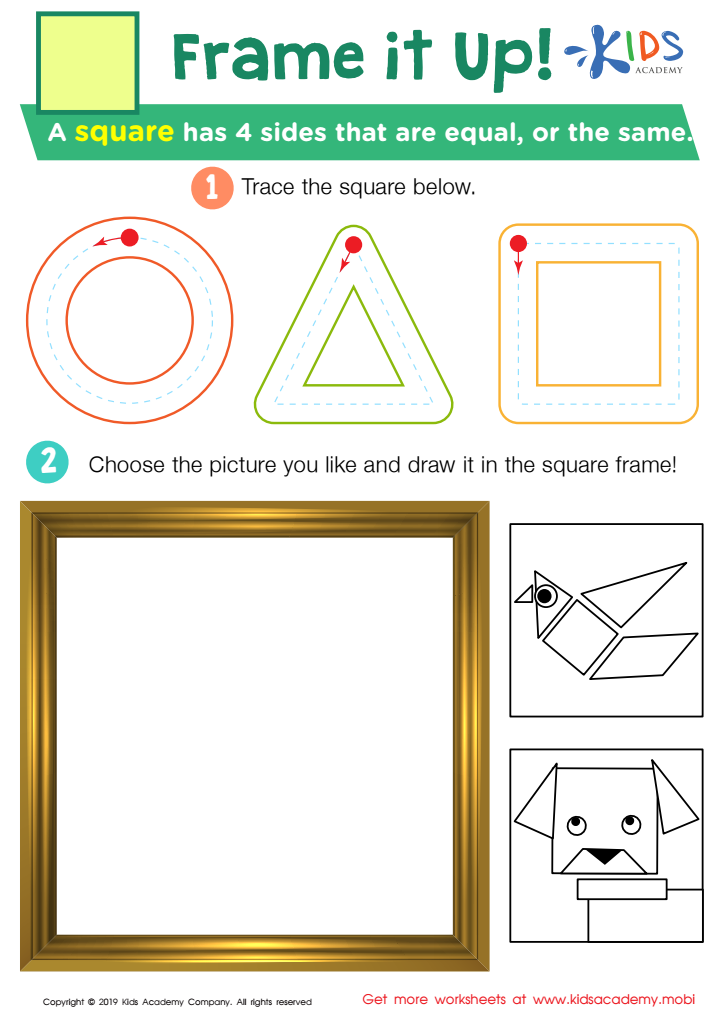
Frame it Up Worksheet

Frame it Up Worksheet

This worksheet helps kids learn the difference between squares and other shapes. It guides them to trace a square and draw a picture inside it. Examples of shapes-based drawings are included. Kids will have fun and clear up any confusion about squares.
Frame it Up Worksheet
Worksheet
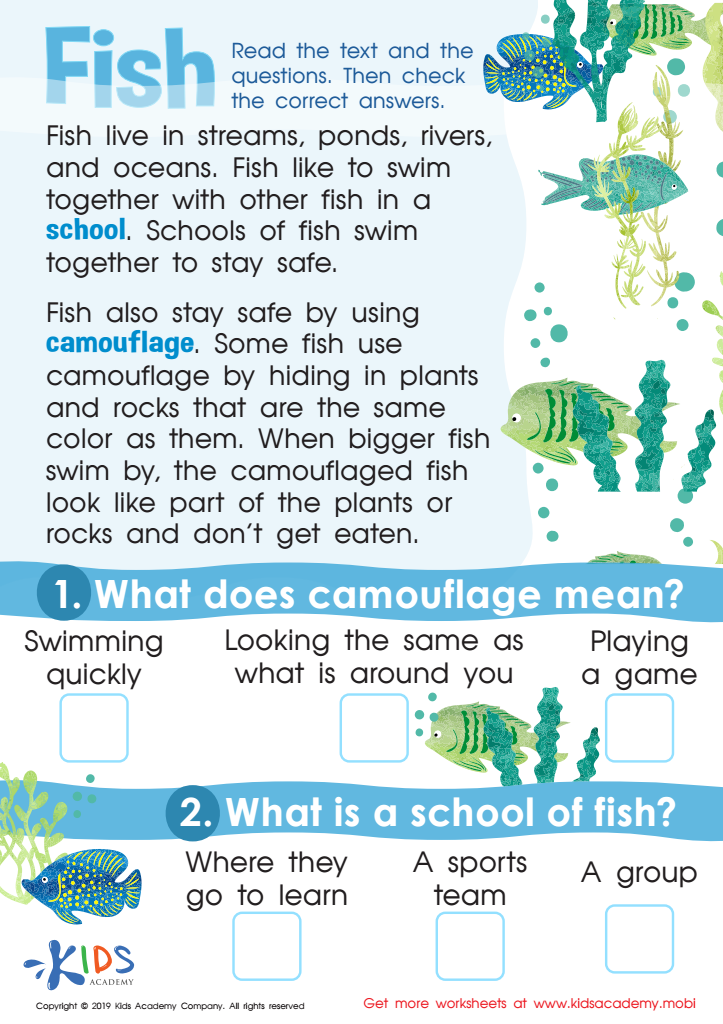
Fish Worksheet
Fish Worksheet

Fish Worksheet

Kids love learning about the creatures that live in water! This free PDF worksheet covers fish, teaching kids larger vocabulary and contextual reading comprehension. Questions prompt them to choose the right answer from multiple choices, just like in a classroom. It's a fun way to boost their reading skills and comprehension without them even realizing it!
Fish Worksheet
Worksheet
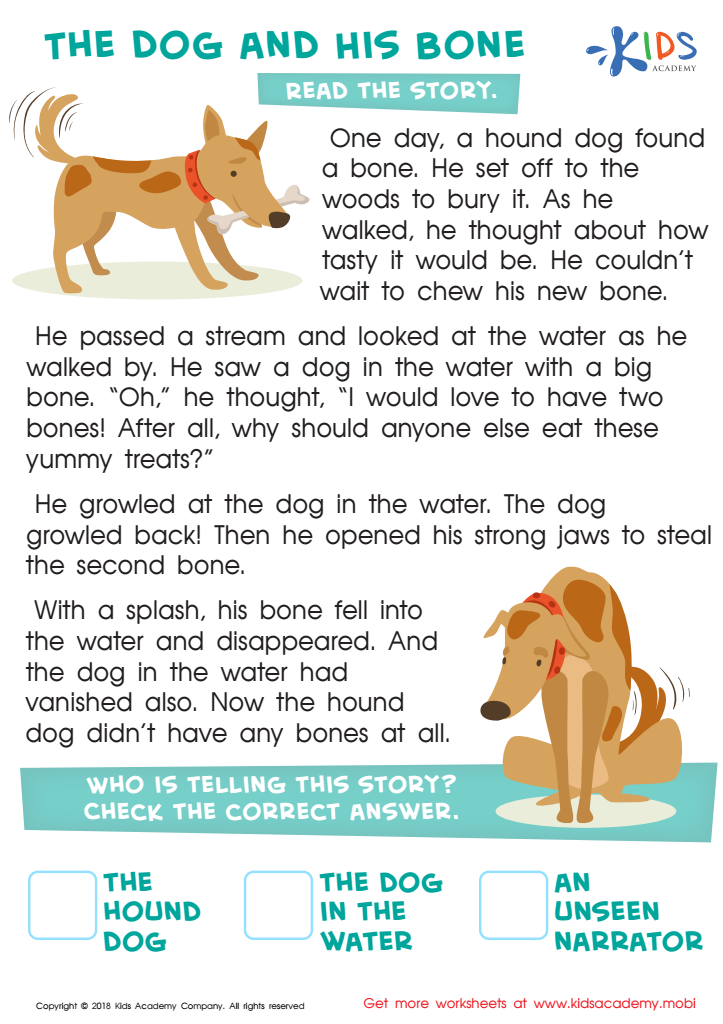
The Dog and His Bone Worksheet

The Dog and His Bone Worksheet

Read the story of The Dog and His Bone to your kids, making sure they take in the details. Ask them the questions in this worksheet and help them check the answers. Encourage them to think carefully.
The Dog and His Bone Worksheet
Worksheet
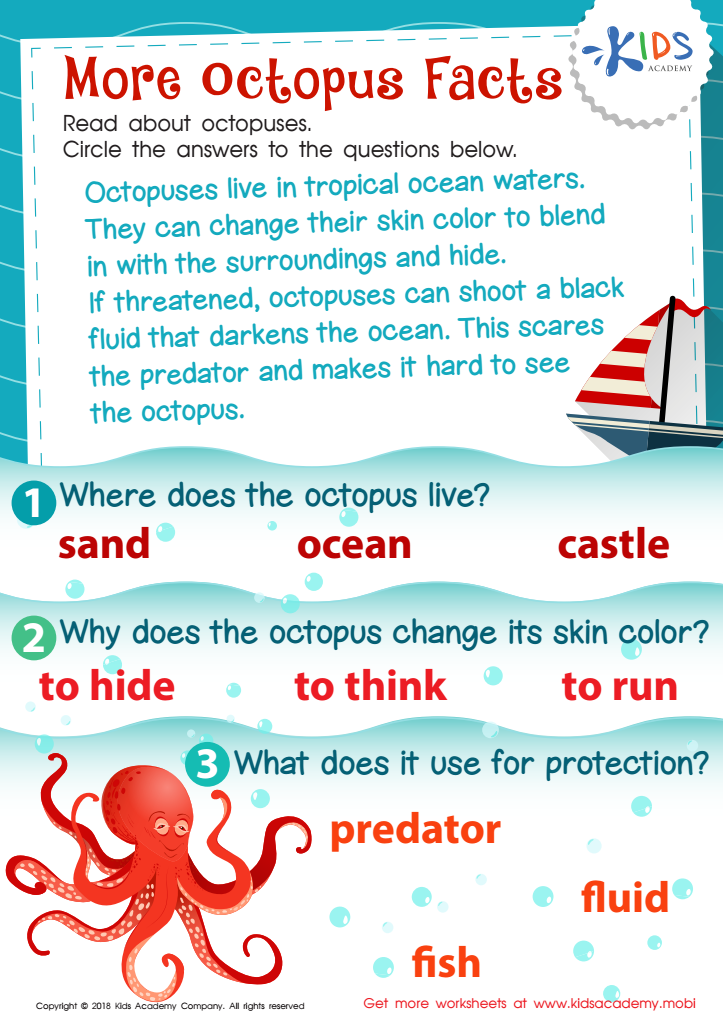
More Octopus Facts Worksheet

More Octopus Facts Worksheet

This worksheet will help your kids learn about the Octopus. Read the text carefully and have kids read with you. Now, ask them questions based on it and help them answer them by circling the right choices. Teaching your kids facts about animals will help them in the long run.
More Octopus Facts Worksheet
Worksheet
Count Them Up Worksheet
Count Them Up Worksheet
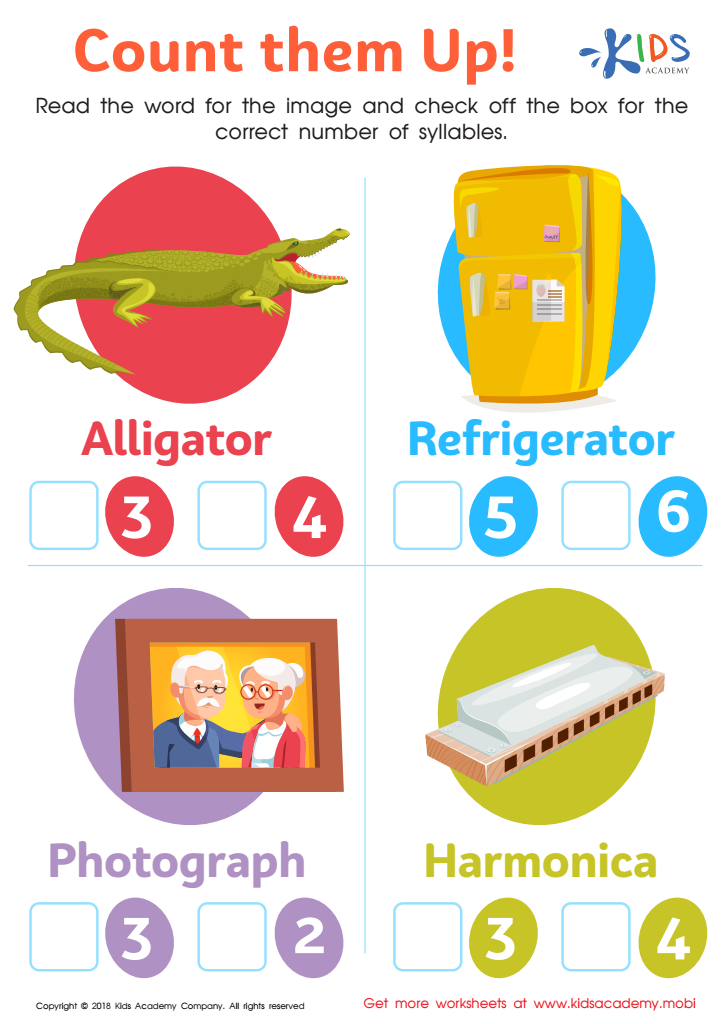
This worksheet has four colorful pictures. Ask your students to identify and name each image, then count the syllables in the word. Make them repeat the word after you, and check off the box with the correct number of syllables. Mastering the art of counting goes beyond numbers. Get your students counting syllables with this activity!
Count Them Up Worksheet
Worksheet
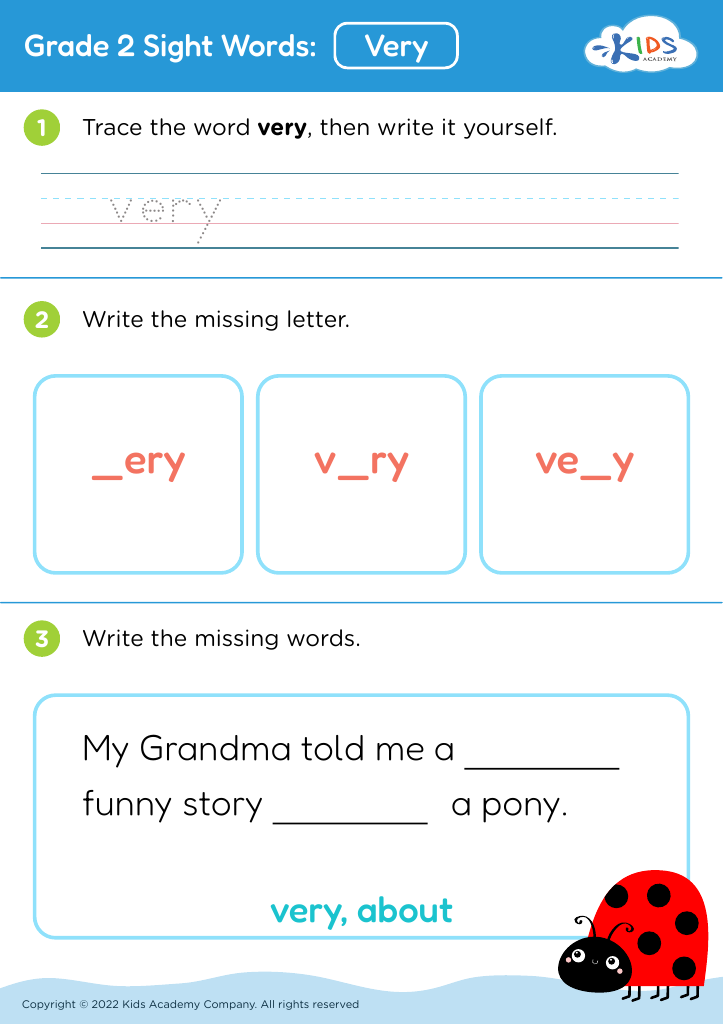
Grade 2 Sight Words: Very

Grade 2 Sight Words: Very

Grade 2 Sight Words: Very
Worksheet
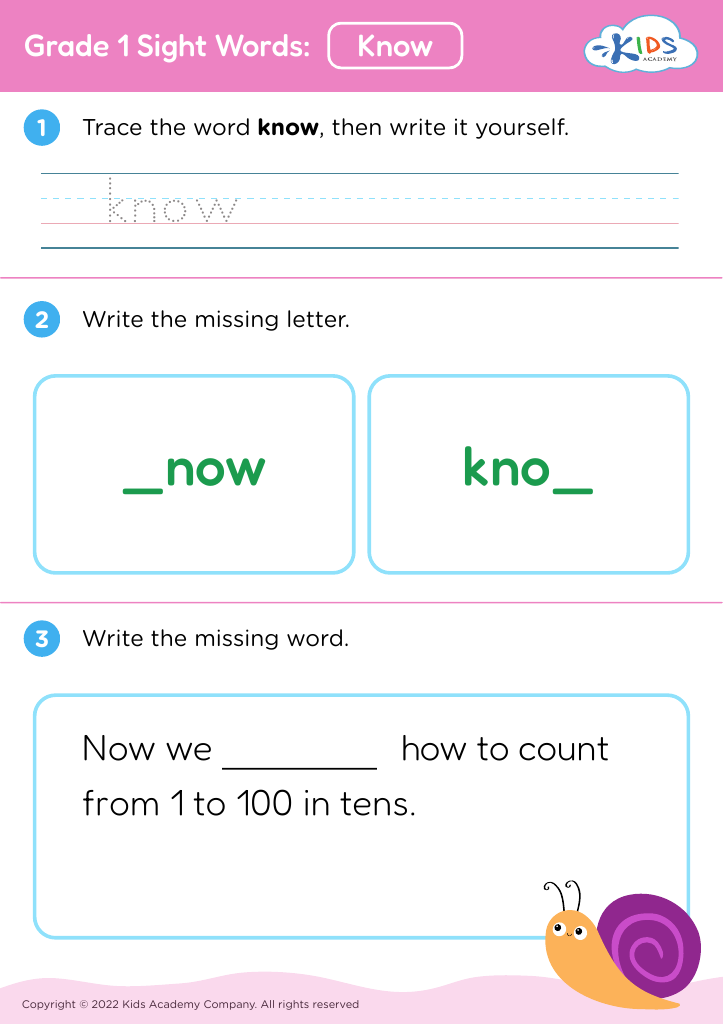
Grade 1 Sight Words: Know

Grade 1 Sight Words: Know

Grade 1 Sight Words: Know
Worksheet
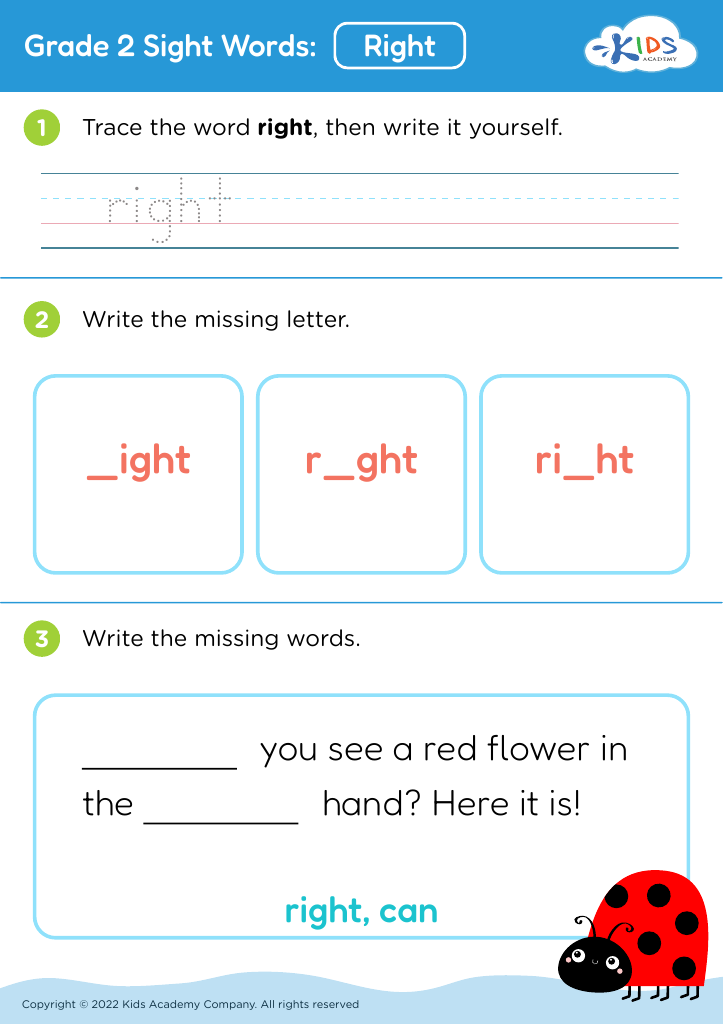
Grade 2 Sight Words: Right

Grade 2 Sight Words: Right

Grade 2 Sight Words: Right
Worksheet
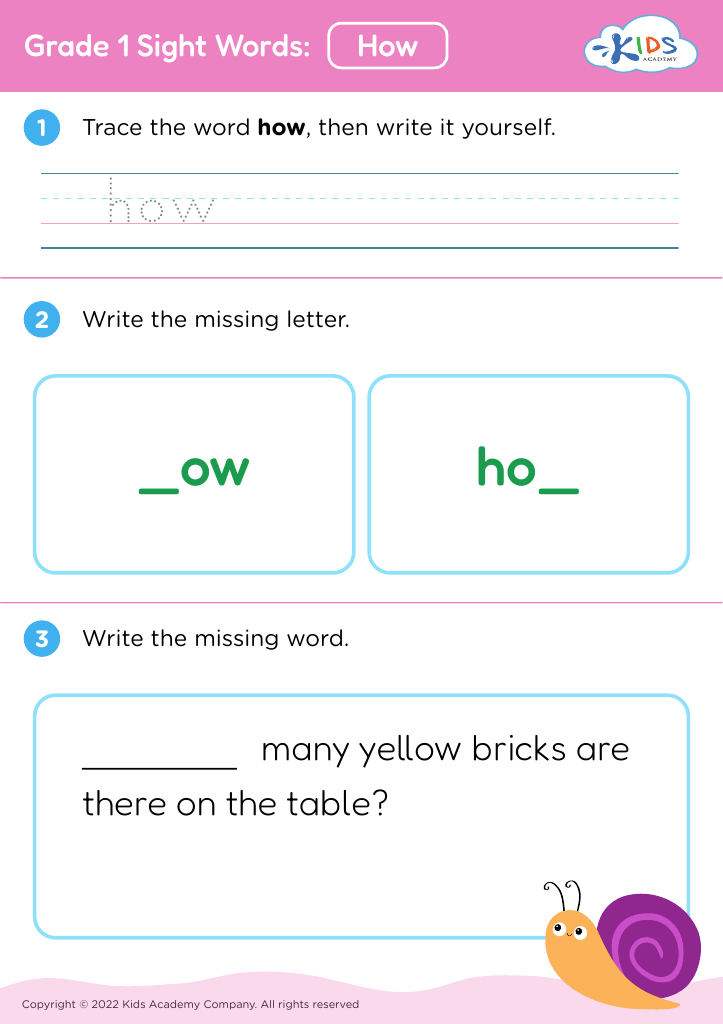
Grade 1 Sight Words: How

Grade 1 Sight Words: How

Grade 1 Sight Words: How
Worksheet
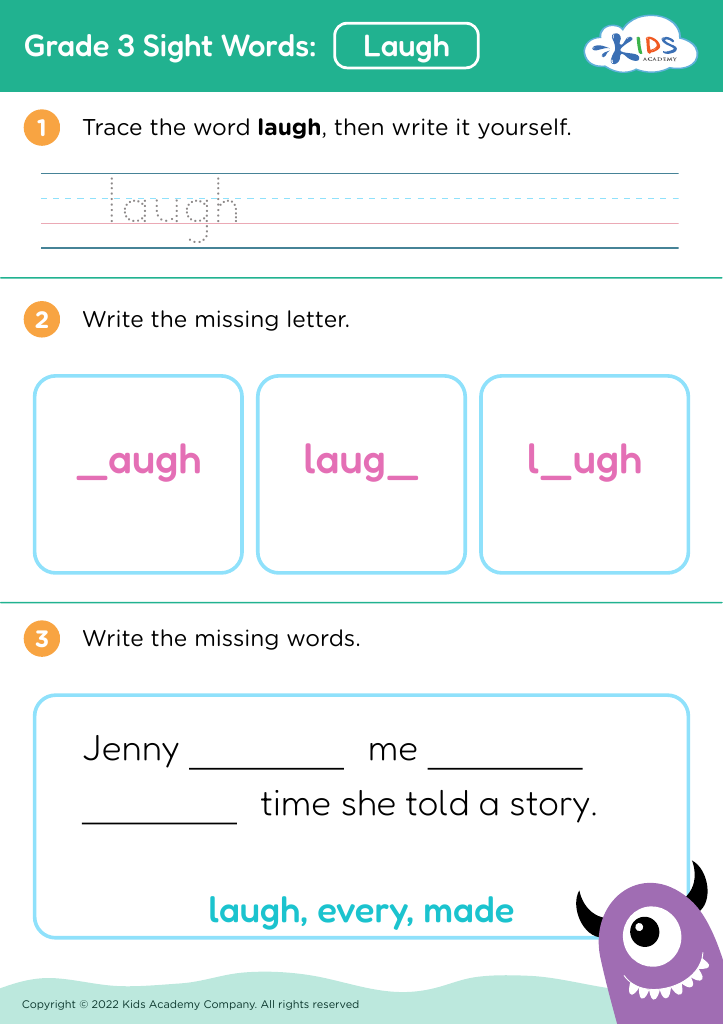
Grade 3 Sight Words: Laugh

Grade 3 Sight Words: Laugh

Grade 3 Sight Words: Laugh
Worksheet
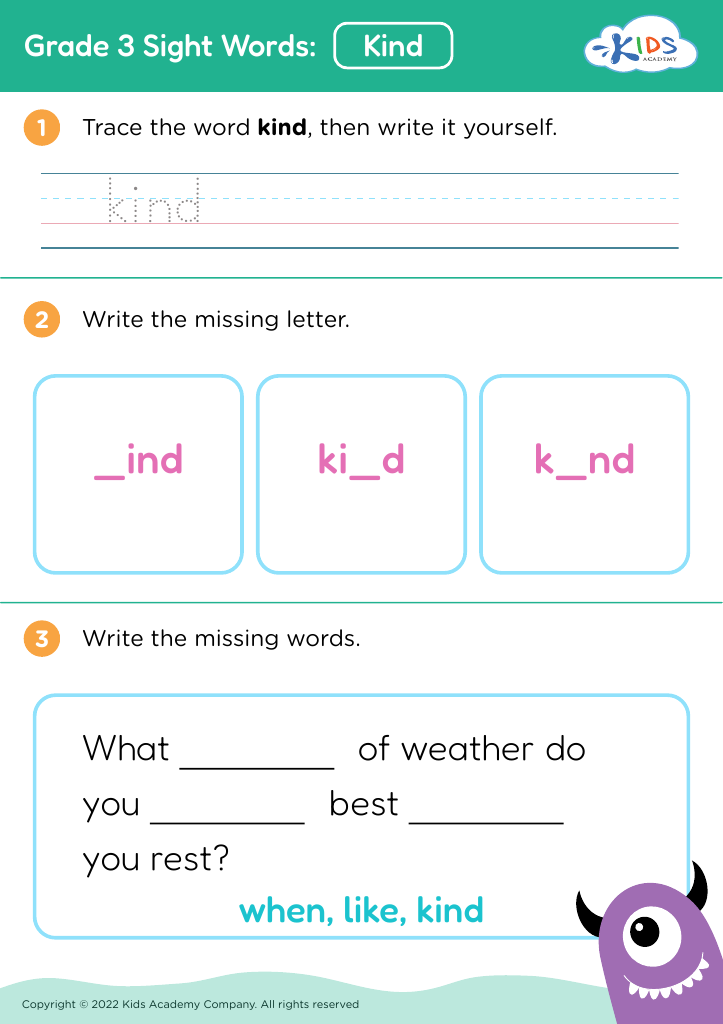
Grade 3 Sight Words: Kind

Grade 3 Sight Words: Kind

Grade 3 Sight Words: Kind
Worksheet
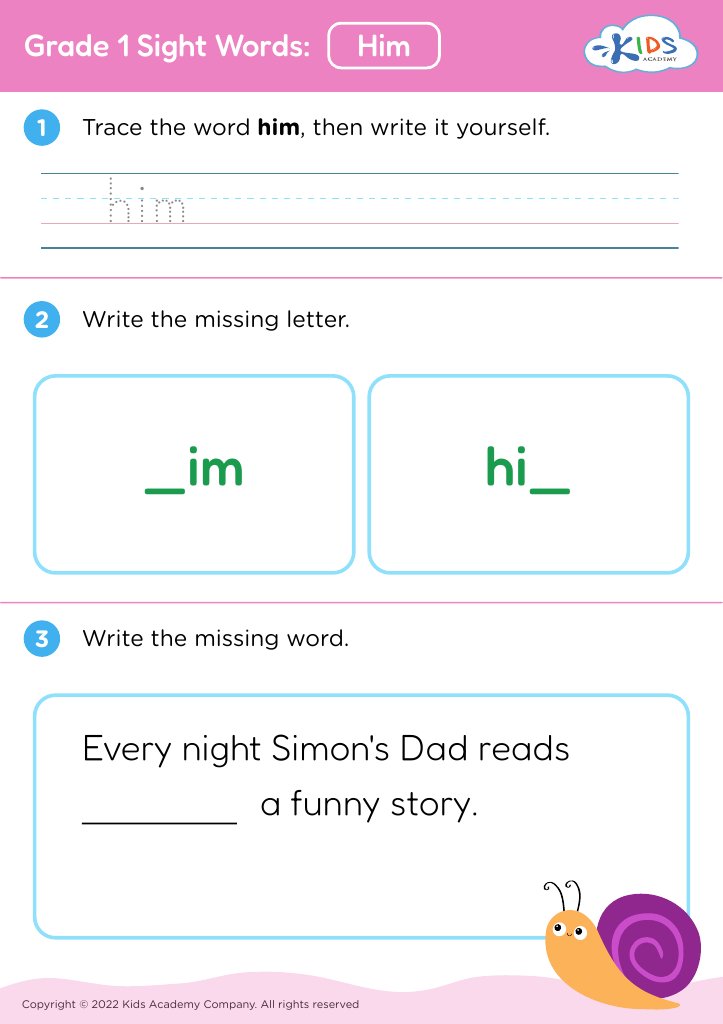
Grade 1 Sight Words: Him

Grade 1 Sight Words: Him

Grade 1 Sight Words: Him
Worksheet
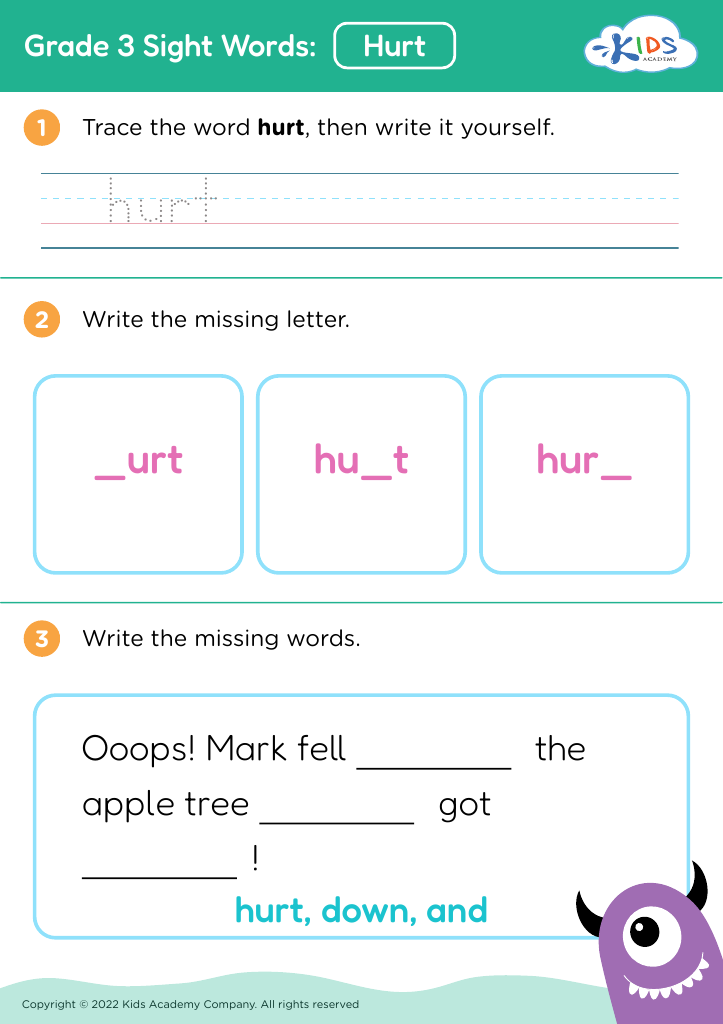
Grade 3 Sight Words: Hurt

Grade 3 Sight Words: Hurt

Grade 3 Sight Words: Hurt
Worksheet
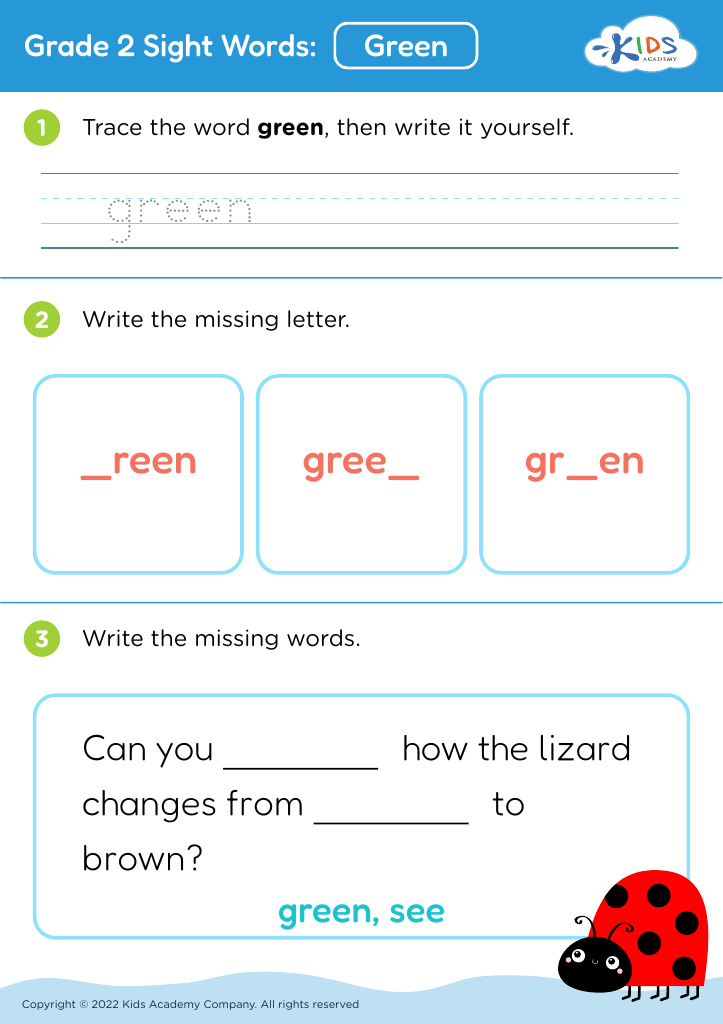
Grade 2 Sight Words: Green

Grade 2 Sight Words: Green

Grade 2 Sight Words: Green
Worksheet
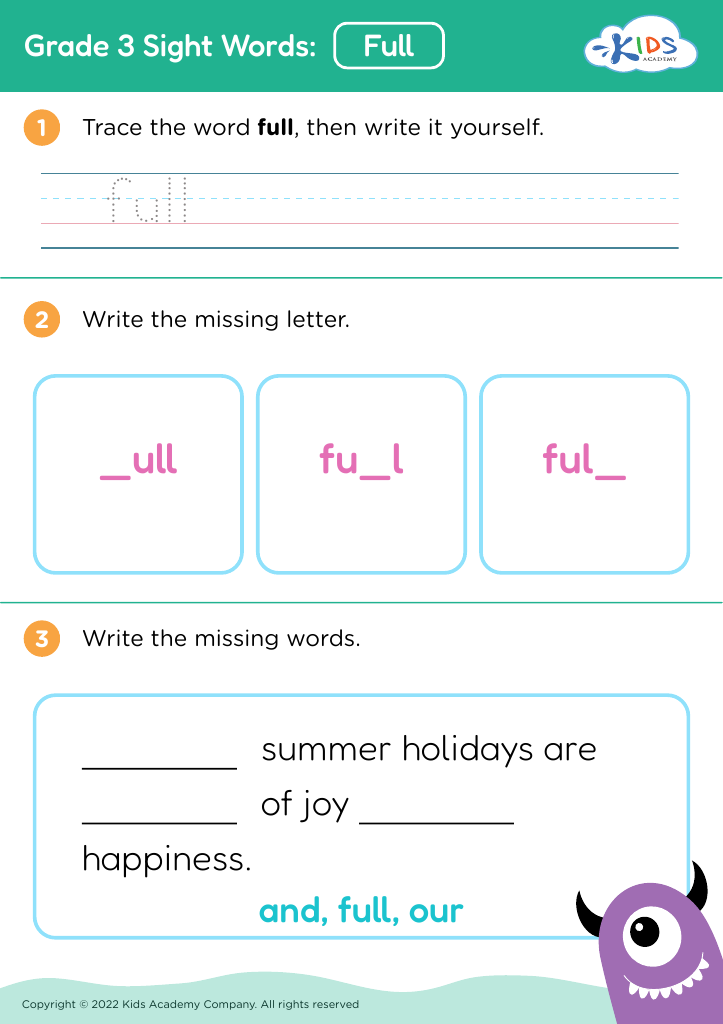
Grade 3 Sight Words: Full

Grade 3 Sight Words: Full

Grade 3 Sight Words: Full
Worksheet
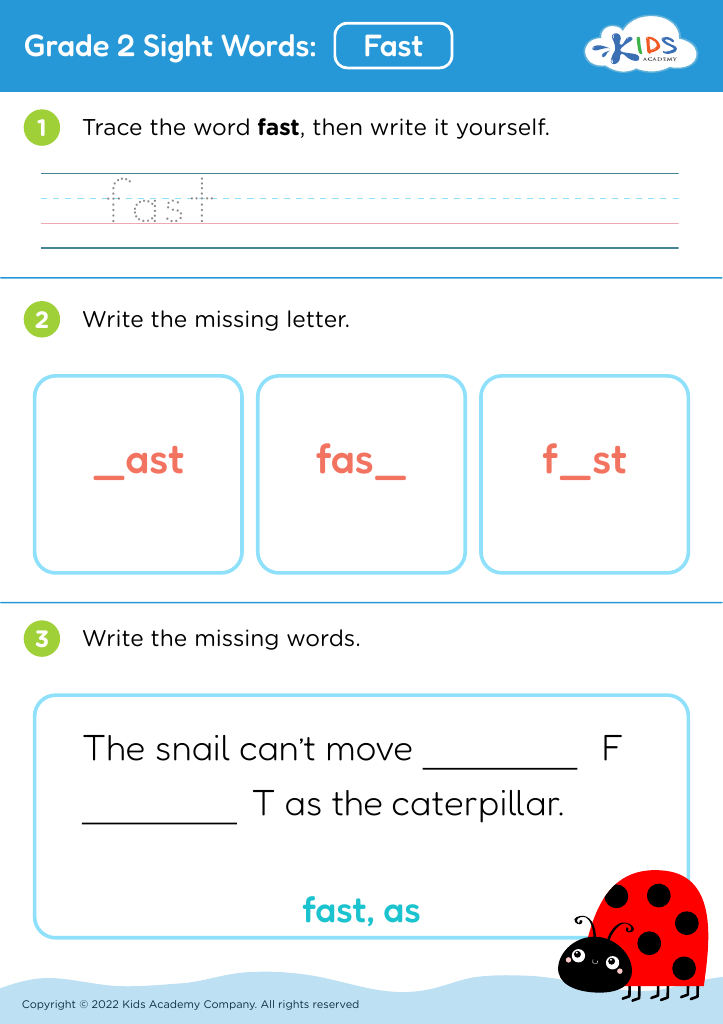
Grade 2 Sight Words: Fast

Grade 2 Sight Words: Fast

Grade 2 Sight Words: Fast
Worksheet
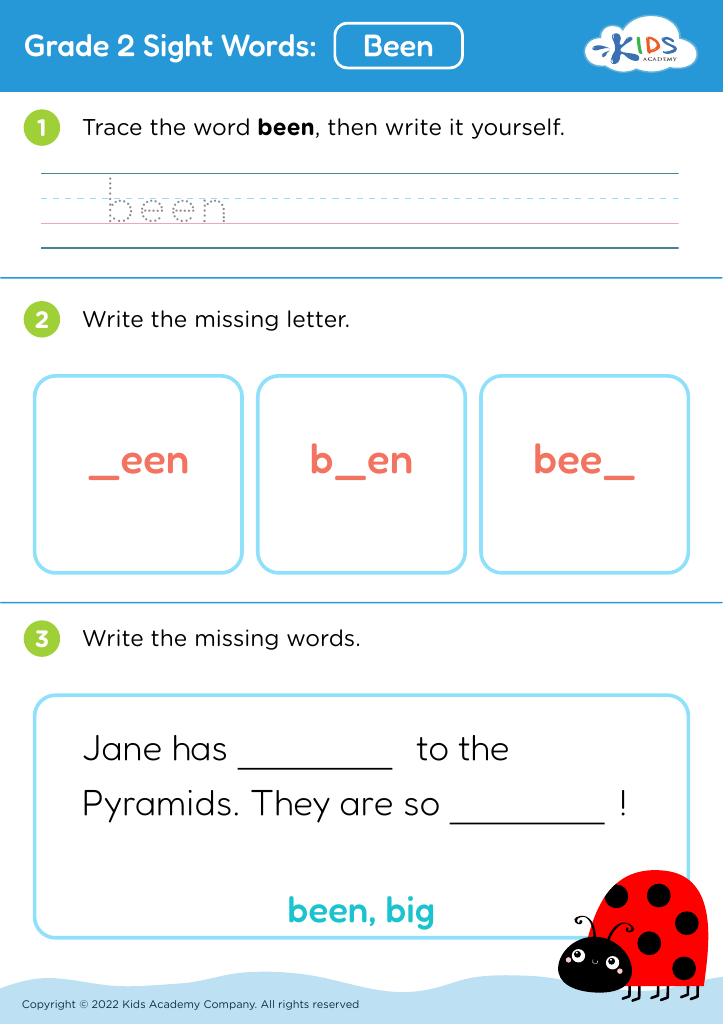
Grade 2 Sight Words: Been

Grade 2 Sight Words: Been

Grade 2 Sight Words: Been
Worksheet
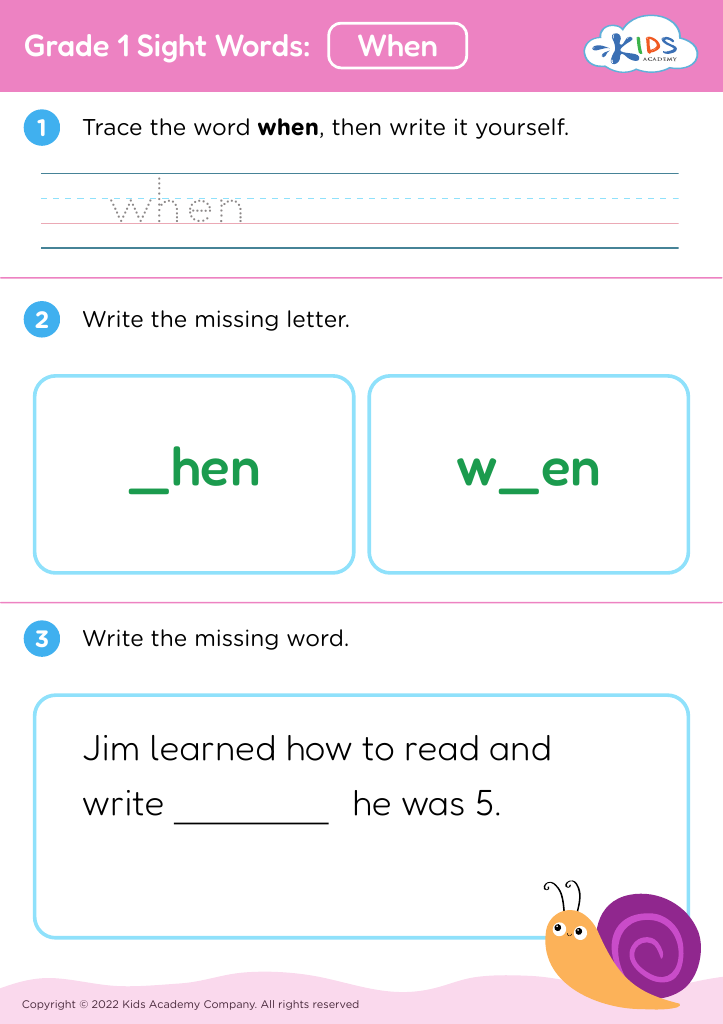
Grade 1 Sight Words: When

Grade 1 Sight Words: When

Grade 1 Sight Words: When
Worksheet
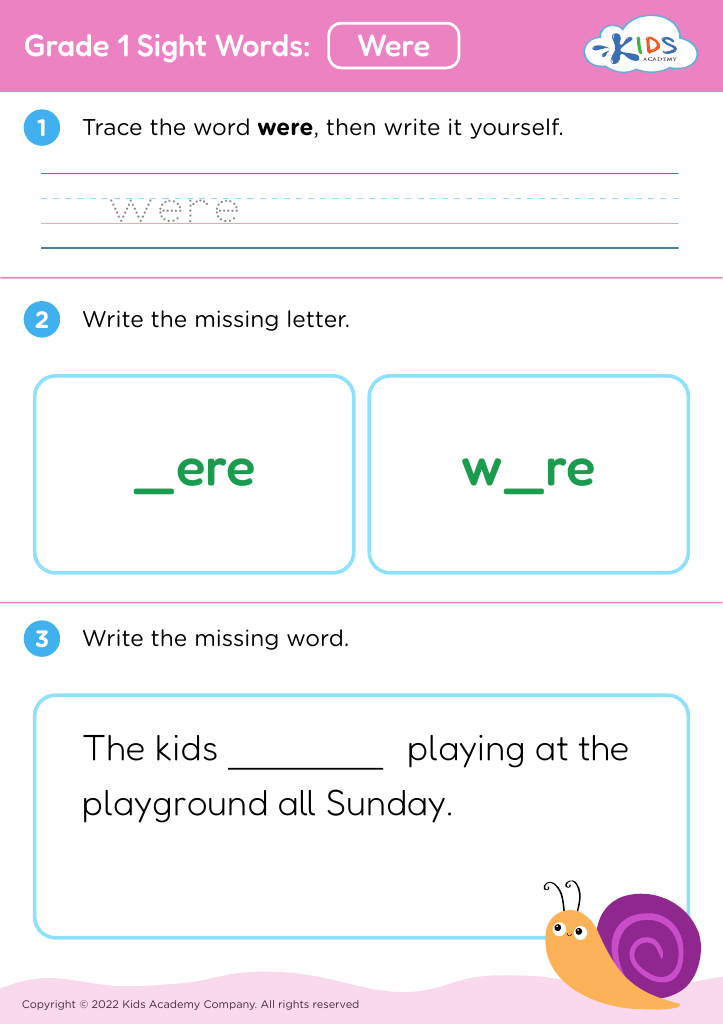
Grade 1 Sight Words: Were

Grade 1 Sight Words: Were

Grade 1 Sight Words: Were
Worksheet
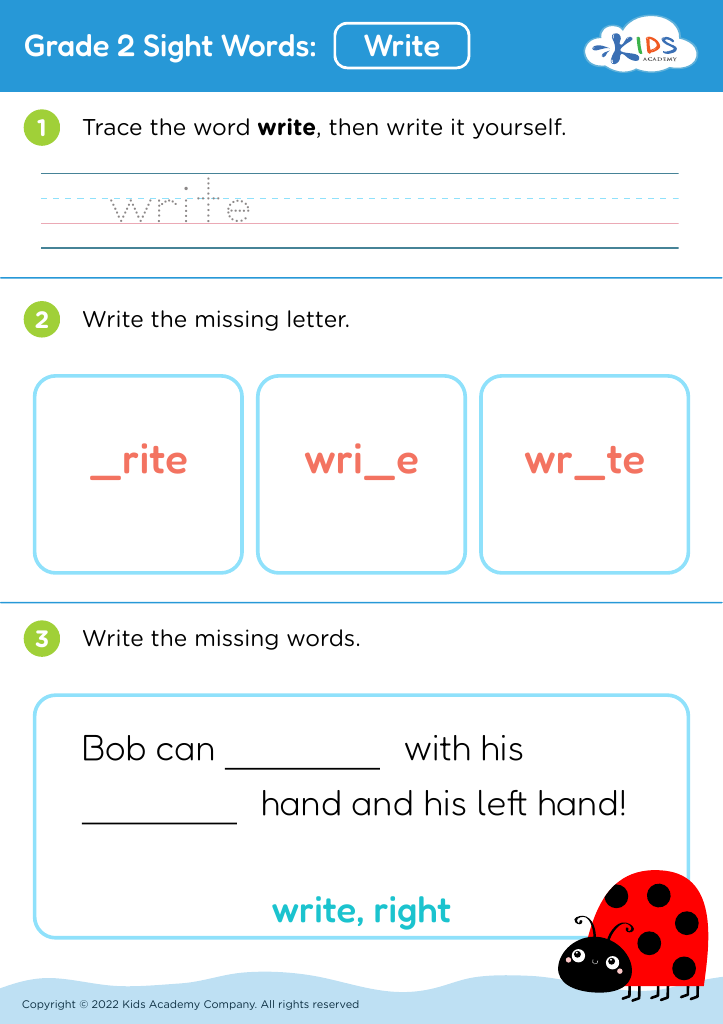
Grade 2 Sight Words: Write

Grade 2 Sight Words: Write

Grade 2 Sight Words: Write
Worksheet
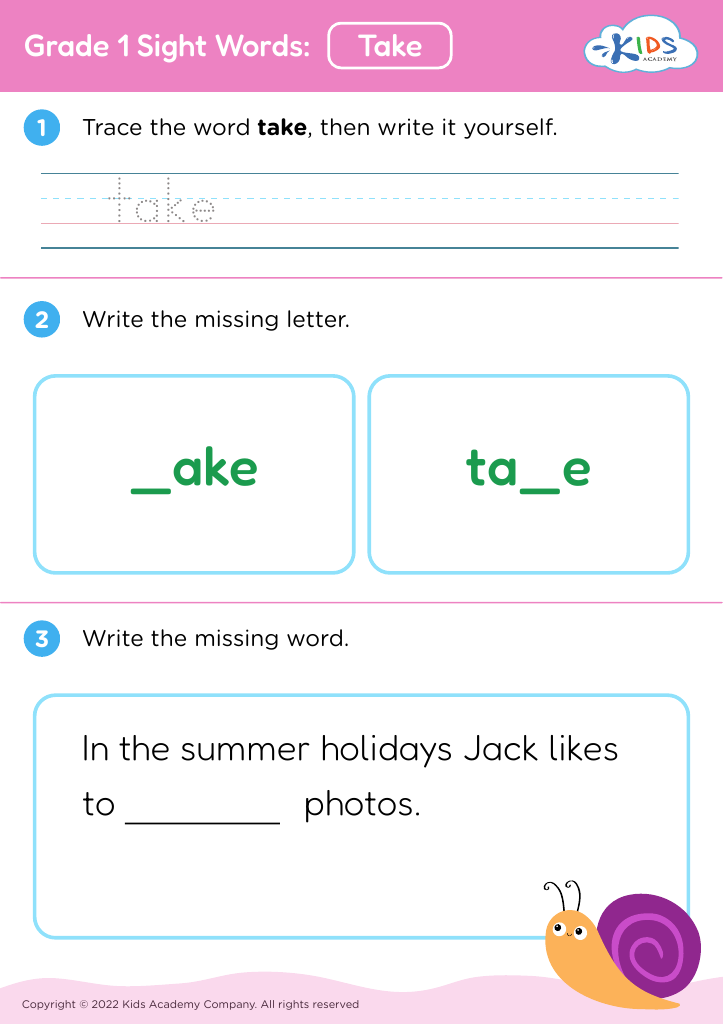
Grade 1 Sight Words: Take

Grade 1 Sight Words: Take

Grade 1 Sight Words: Take
Worksheet


Number recognition and building vocabulary are critical components of a child's educational development, particularly for ages 7-8, bridging early math and language skills. At this stage, children refine their understanding of numbers, which directly influences their ability to tackle more complex mathematical concepts in the future. Recognizing numbers effortlessly supports strong foundational skills in arithmetic and problem-solving, essential for academic success.

Moreover, vocabulary development is equally vital during this age. richer vocabulary enhances both reading comprehension and communication skills, which toddlers must master to express mathematical thinking and solve problems more effectively. Integrating number recognition with vocabulary involves helping children learn specific terms—like dozen, half, and odd or even—which fosters a deeper understanding of mathematical concepts.

When parents and teachers actively support learning in these areas, they help build confidence in children—encouraging them to articulate their thought processes and mathematical reasoning. Such integration creates a more stimulating learning environment, encourages critical thinking, fosters engagement, and supports a child's overall cognitive development. Ultimately, nurturing number recognition and vocabulary in young learners equips them with essential tools for lifelong learning, setting a strong foundation for future academic success.