Simplifying Fractions Building Vocabulary Worksheets for Ages 7-8
4 filtered results
-
From - To
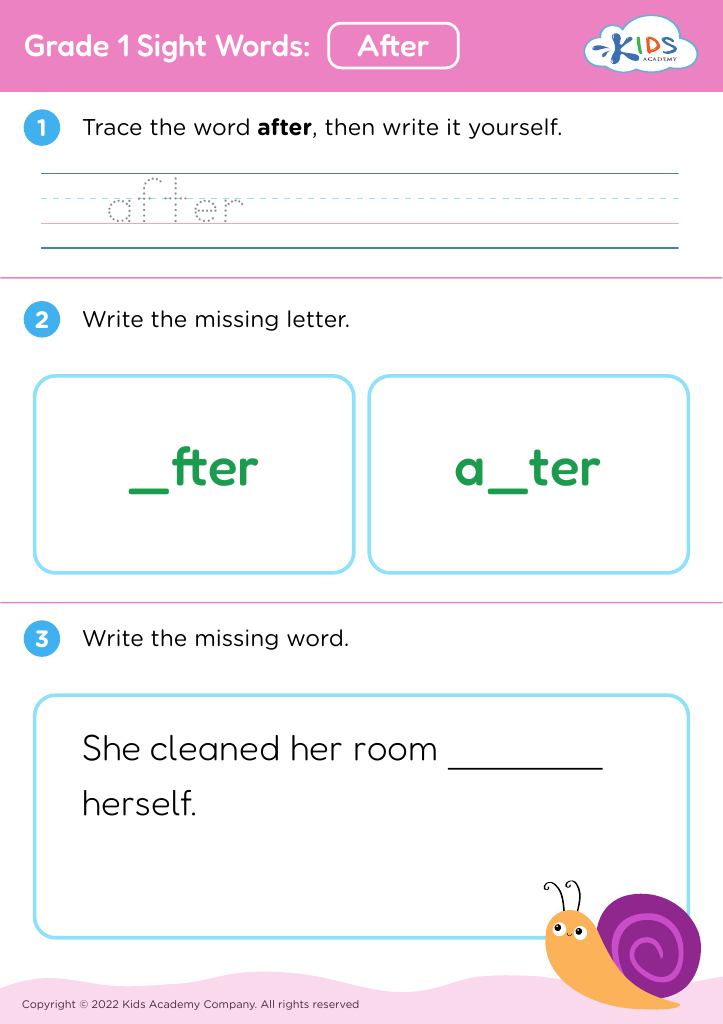
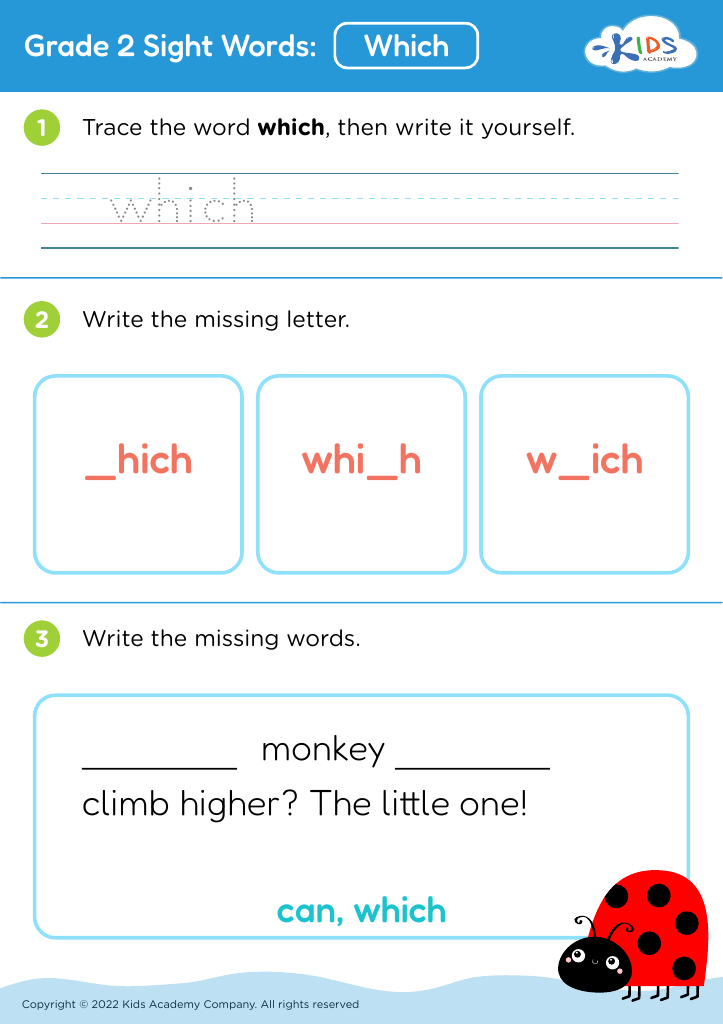
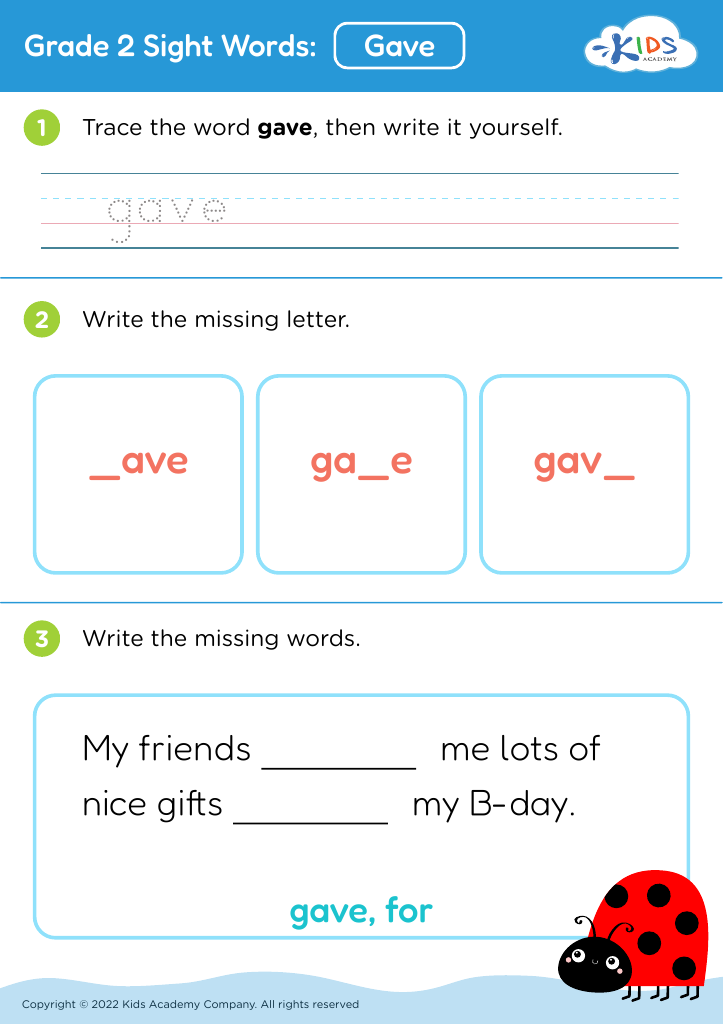
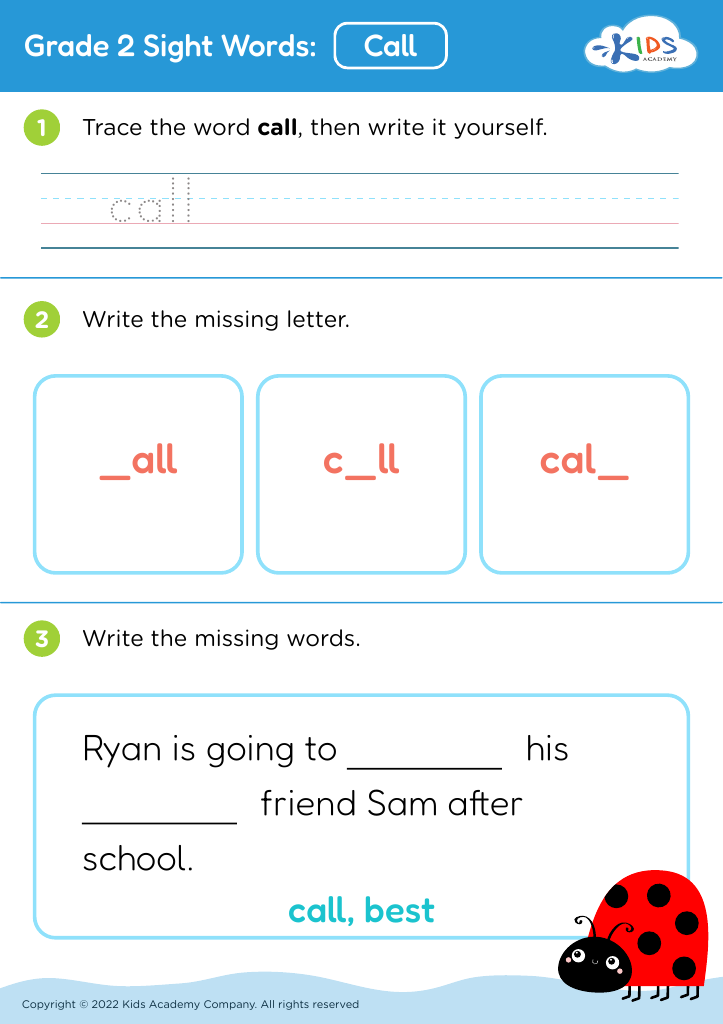
Discover an engaging way to enhance your child's understanding of simplifying fractions with our "Simplifying Fractions Building Vocabulary Worksheets" designed for ages 7-8. These worksheets provide clear explanations, interactive activities, and easy-to-follow instructions, helping young learners grasp the concept of fractions while expanding their vocabulary. By breaking down complex ideas into manageable tasks, children will build confidence in their math skills, making the learning process enjoyable. Perfect for teachers and parents alike, these resources foster essential comprehension and problem-solving abilities, setting a strong foundation for future math challenges. Download our worksheets today and watch your child excel in fractions!


















.jpg)
Parents and teachers should prioritize simplification of fractions and vocabulary building for children aged 7-8, as these skills lay essential foundations for higher-level mathematics and literacy. At this age, children are developing critical thinking, reasoning skills, and mathematical fluency. Understanding fractions in their simplest form helps children grasp the concept of part-to-whole relationships, which is crucial for future operations involving fractions.
Additionally, building vocabulary associated with fractions—such as numerator, denominator, and equivalent—enables children to articulate their mathematical thinking and enhances their comprehension. A strong vocabulary supports reading and understanding word problems, helping children make connections between math and real-world scenarios.
Moreover, mastering these concepts fosters confidence. When children can simplify fractions and use the correct vocabulary, they are more likely to engage in discussions about math, ask questions, and enjoy problem-solving. This positive attitude towards math carries forward into higher grades, influencing academic performance and interest in the subject.
Ultimately, by fostering these foundational skills in a nurturing and supportive environment, parents and teachers empower children to become competent and enthusiastic learners, setting the stage for lifelong success in both math and language arts.








