Enhance your child's math skills with our comprehensive "Understanding Fractions Building Vocabulary Worksheets" designed specifically for ages 7-8. These engaging worksheets provide a fun and interactive way for young learners to grasp the concept of fractions while building essential vocabulary. Each activity focuses on identifying, comparing, and utilizing fractions in real-life scenarios, fostering both understanding and confidence in mathematics. Perfect for home or classroom use, these resources are tailored to strengthen foundational skills and encourage critical thinking. Equip your child with the tools they need for success in math through engaging, hands-on learning experiences that make understanding fractions enjoyable and accessible!

Check out this FREE Trial Lesson on Building Vocabulary for age 7-8!

My Family

Favorites
With answer key
Interactive
  • 7-8
  • Understanding fractions
  • Building Vocabulary
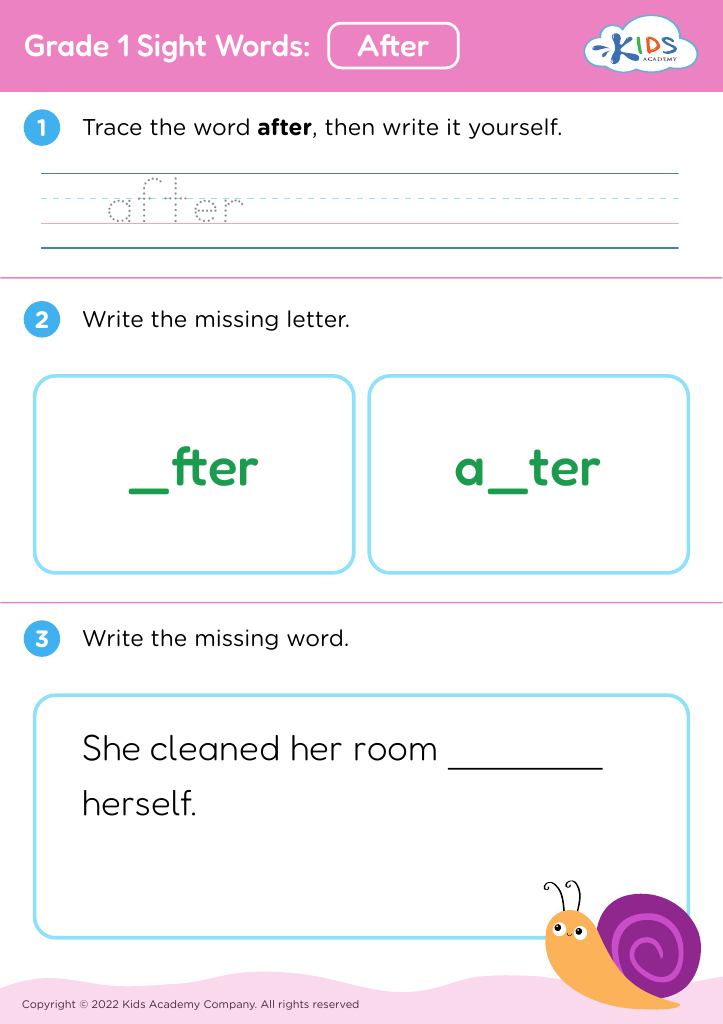
Grade 1 Sight Words: After

Grade 1 Sight Words: After

Grade 1 Sight Words: After
Worksheet
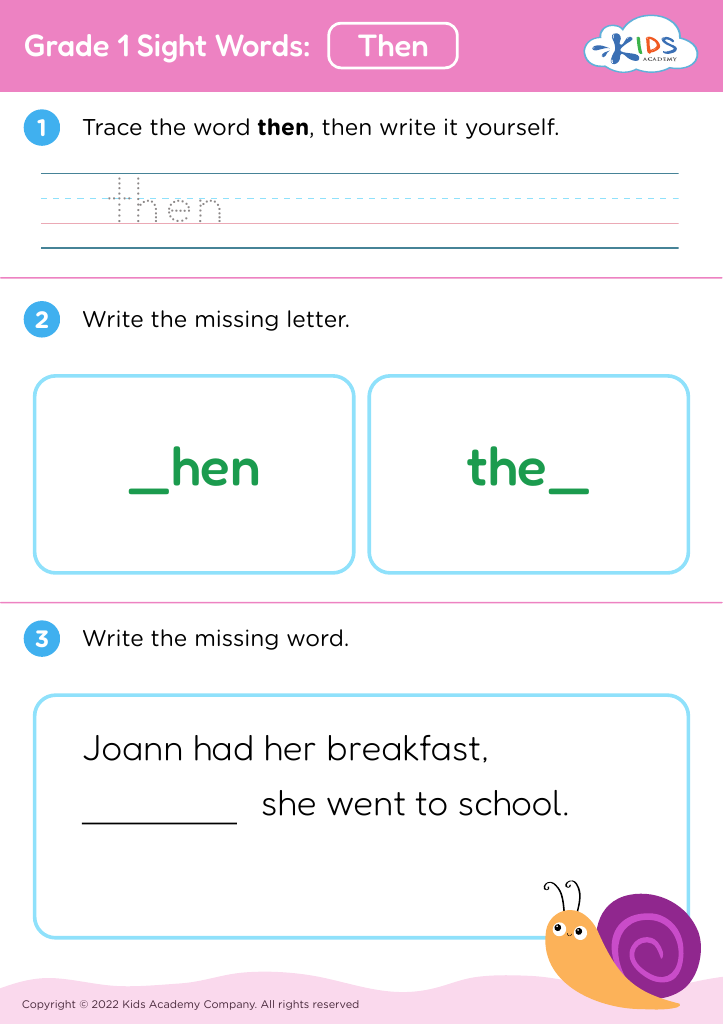
Grade 1 Sight Words: Then

Grade 1 Sight Words: Then

Grade 1 Sight Words: Then
Worksheet
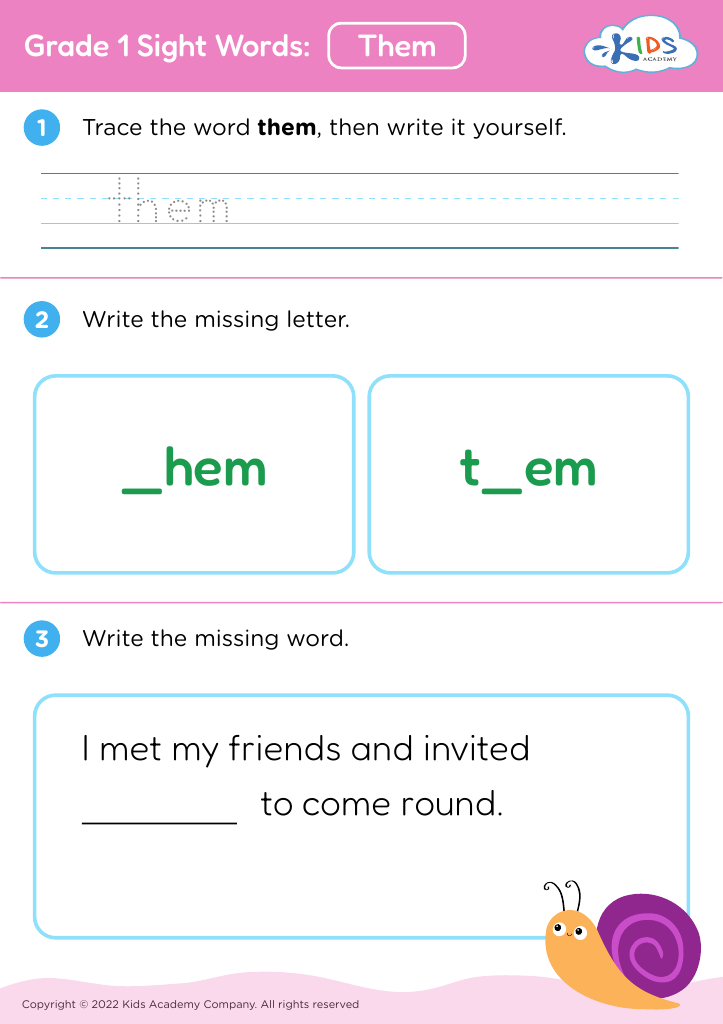
Grade 1 Sight Words: Them

Grade 1 Sight Words: Them

Grade 1 Sight Words: Them
Worksheet
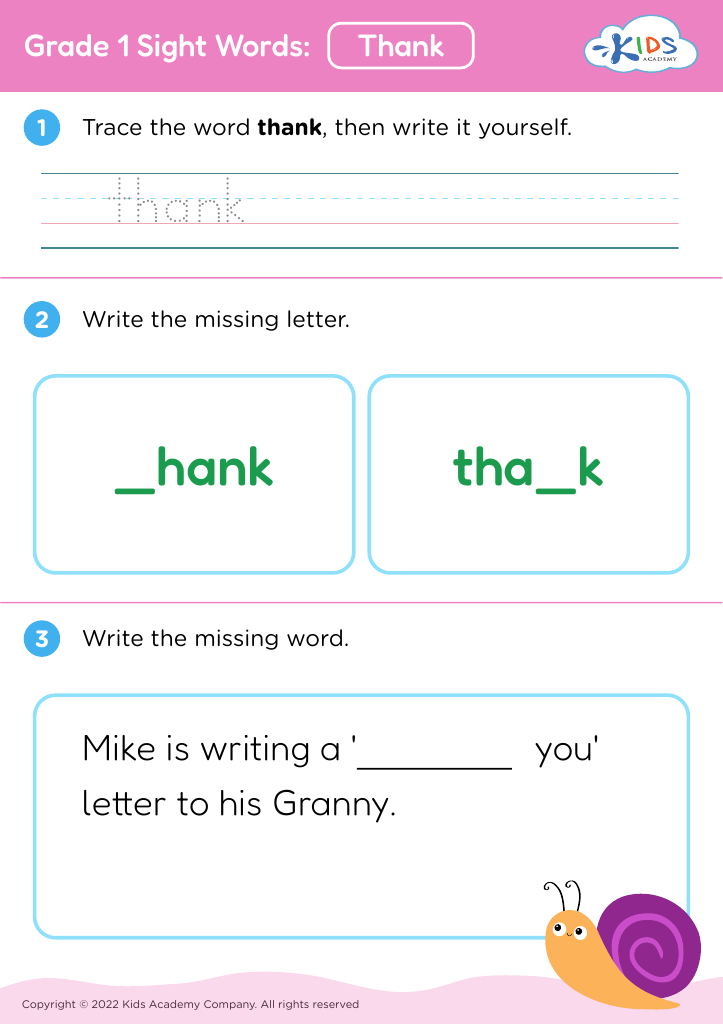
Grade 1 Sight Words: Thank

Grade 1 Sight Words: Thank

Grade 1 Sight Words: Thank
Worksheet
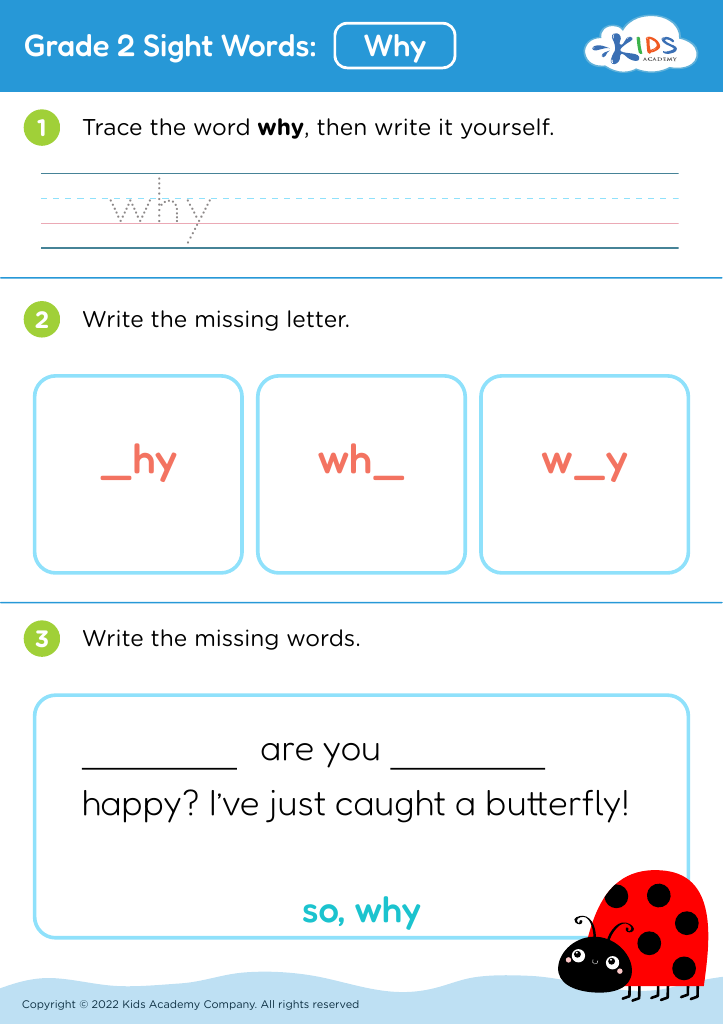
Grade 2 Sight Words: Why

Grade 2 Sight Words: Why

Grade 2 Sight Words: Why
Worksheet
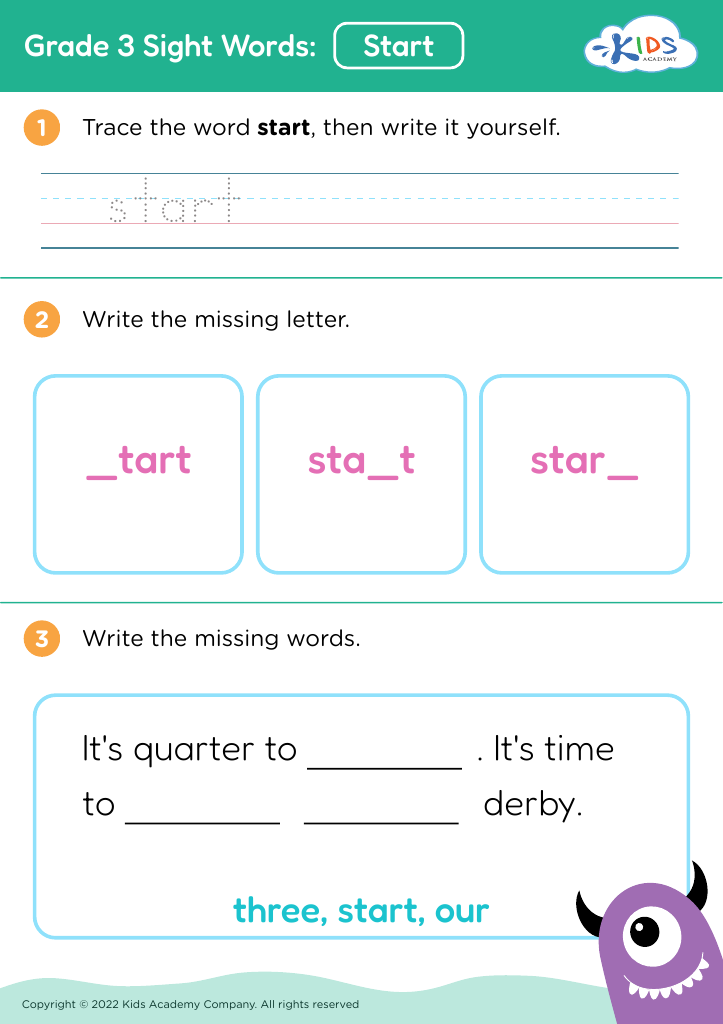
Grade 3 Sight Words: Start

Grade 3 Sight Words: Start

Grade 3 Sight Words: Start
Worksheet
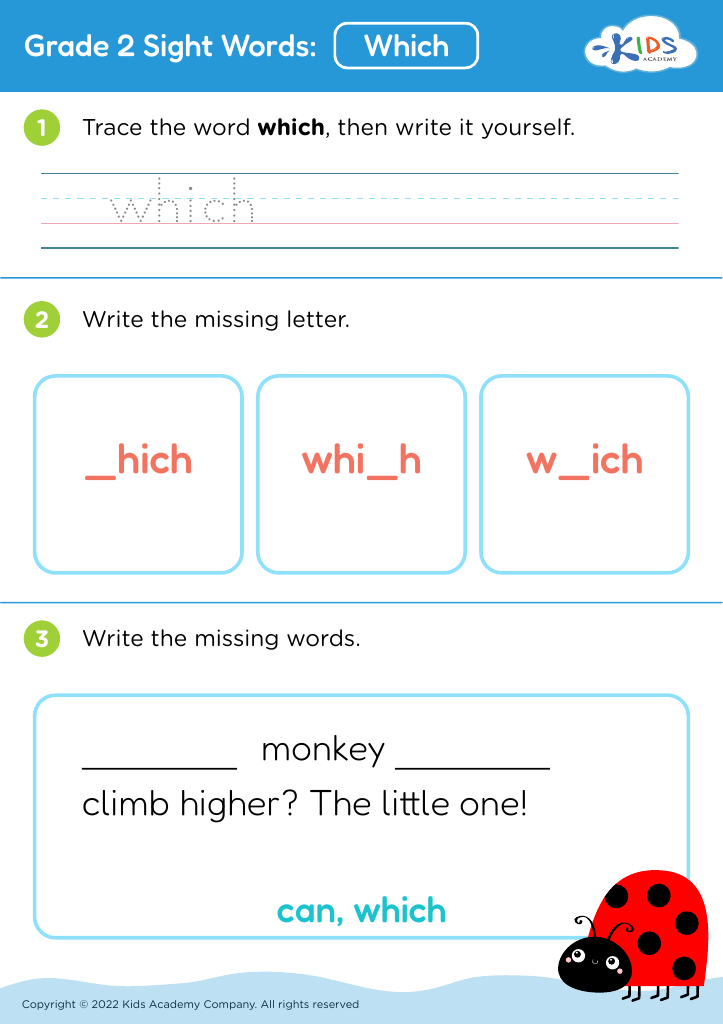
Grade 2 Sight Words: Which

Grade 2 Sight Words: Which

Grade 2 Sight Words: Which
Worksheet
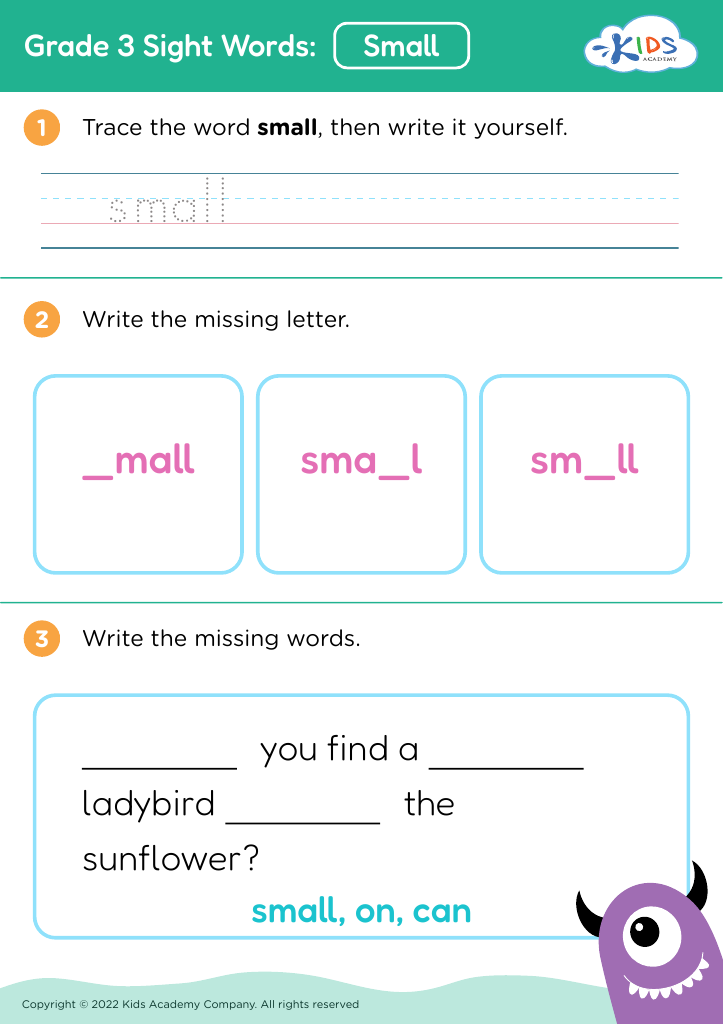
Grade 3 Sight Words: Small

Grade 3 Sight Words: Small

Grade 3 Sight Words: Small
Worksheet
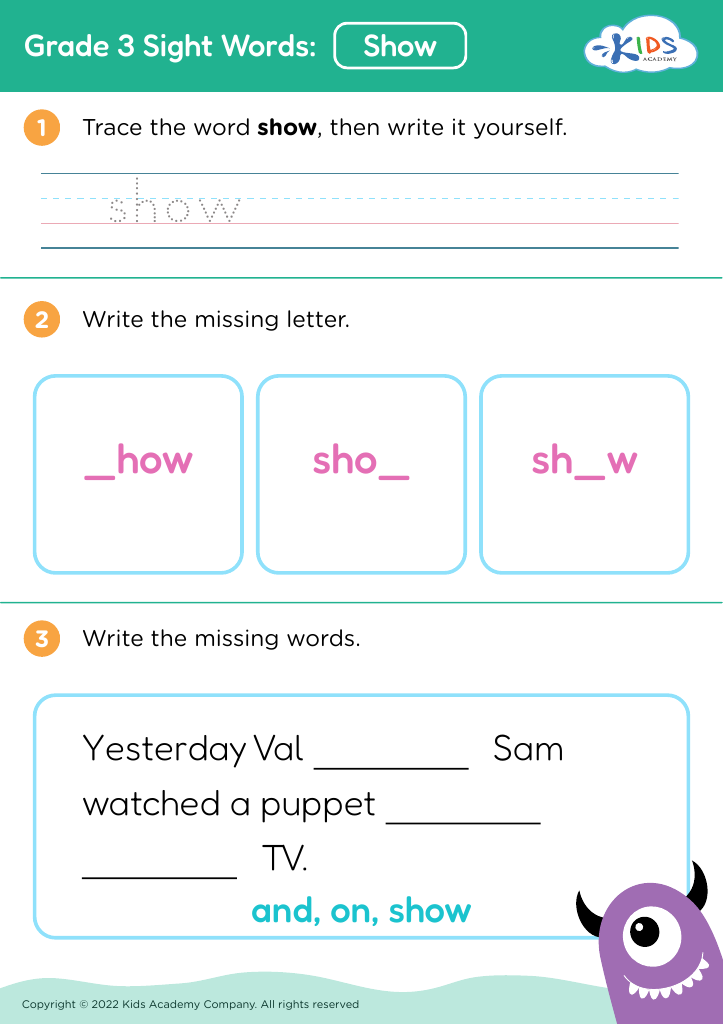
Grade 3 Sight Words: Show

Grade 3 Sight Words: Show

Grade 3 Sight Words: Show
Worksheet
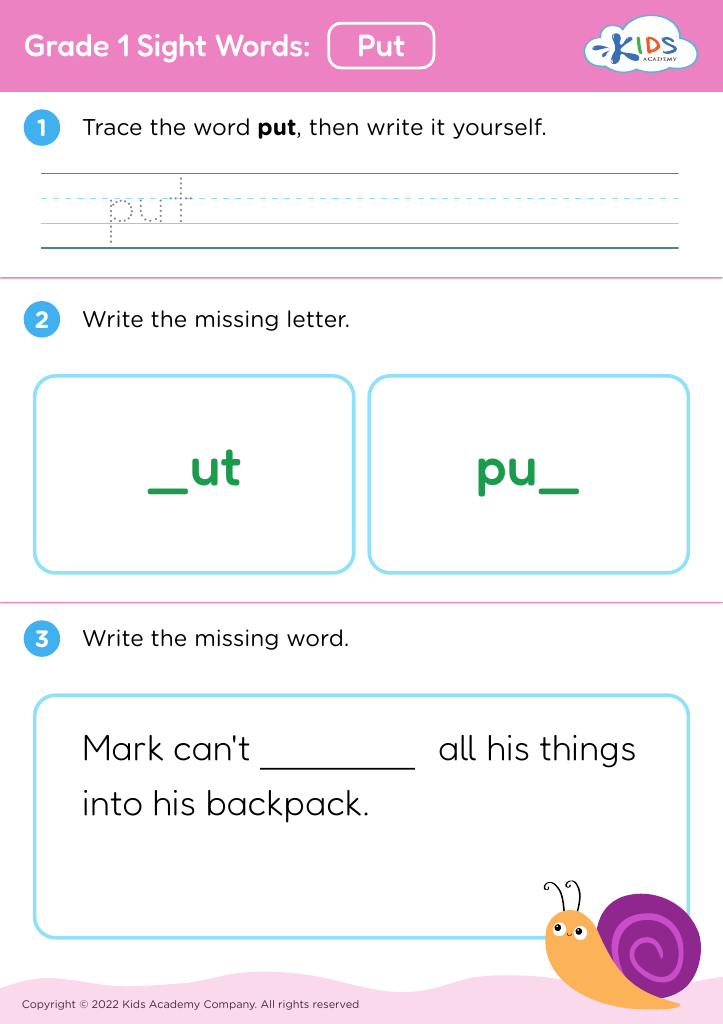
Grade 1 Sight Words: Put

Grade 1 Sight Words: Put

Grade 1 Sight Words: Put
Worksheet
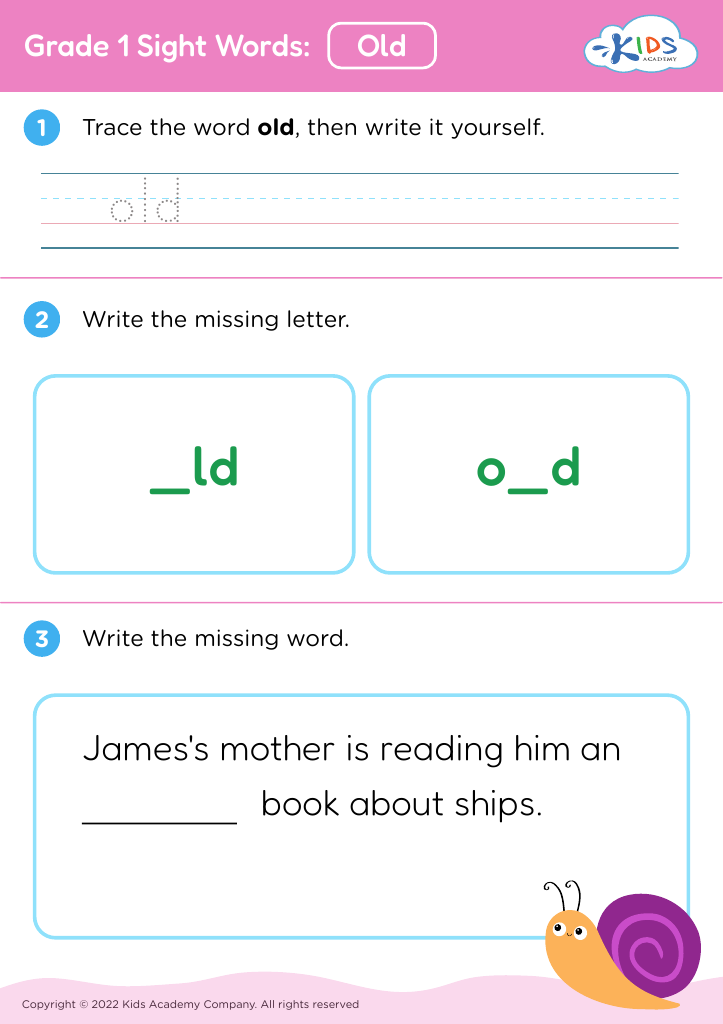
Grade 1 Sight Words: Old

Grade 1 Sight Words: Old

Grade 1 Sight Words: Old
Worksheet
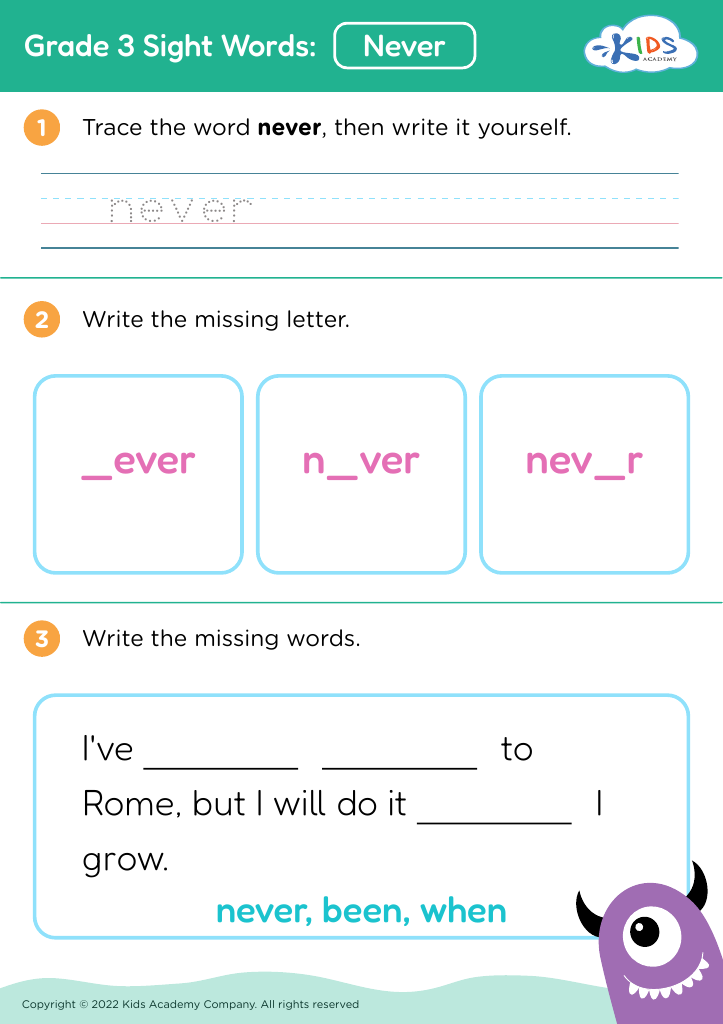
Grade 3 Sight Words: Never

Grade 3 Sight Words: Never

Grade 3 Sight Words: Never
Worksheet
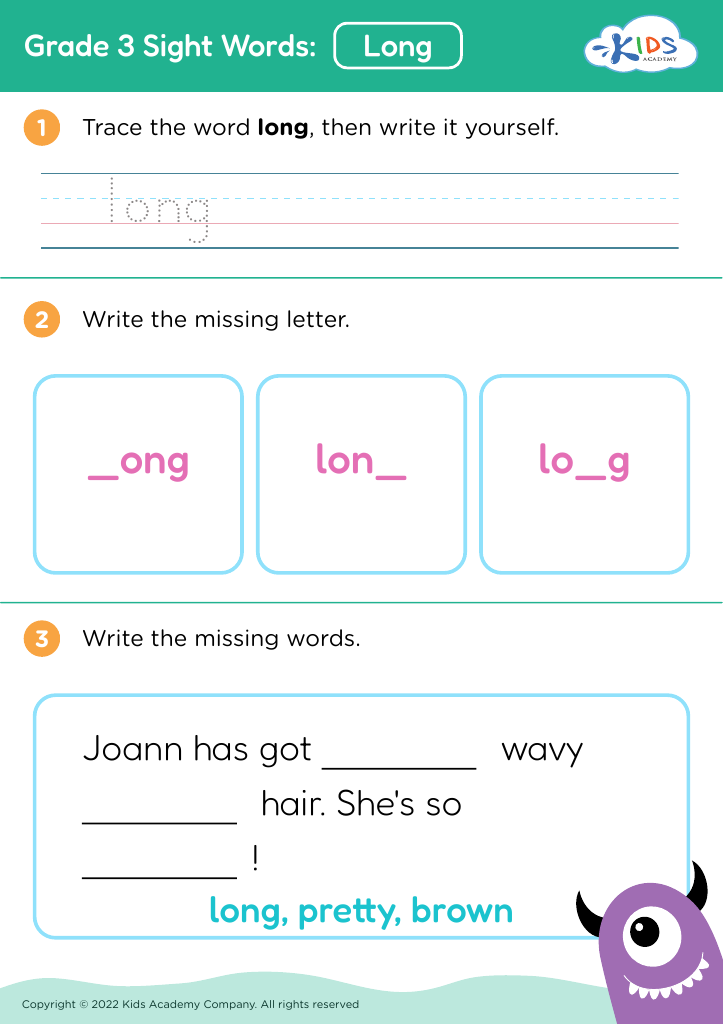
Grade 3 Sight Words: Long

Grade 3 Sight Words: Long

Grade 3 Sight Words: Long
Worksheet
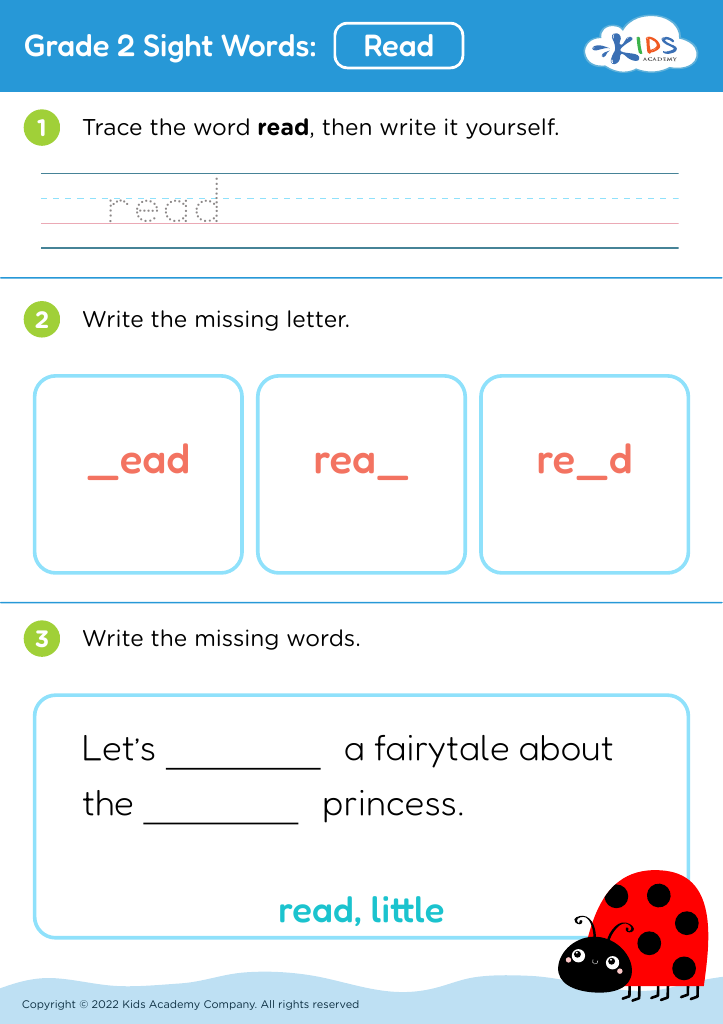
Grade 2 Sight Words: Read

Grade 2 Sight Words: Read

Grade 2 Sight Words: Read
Worksheet
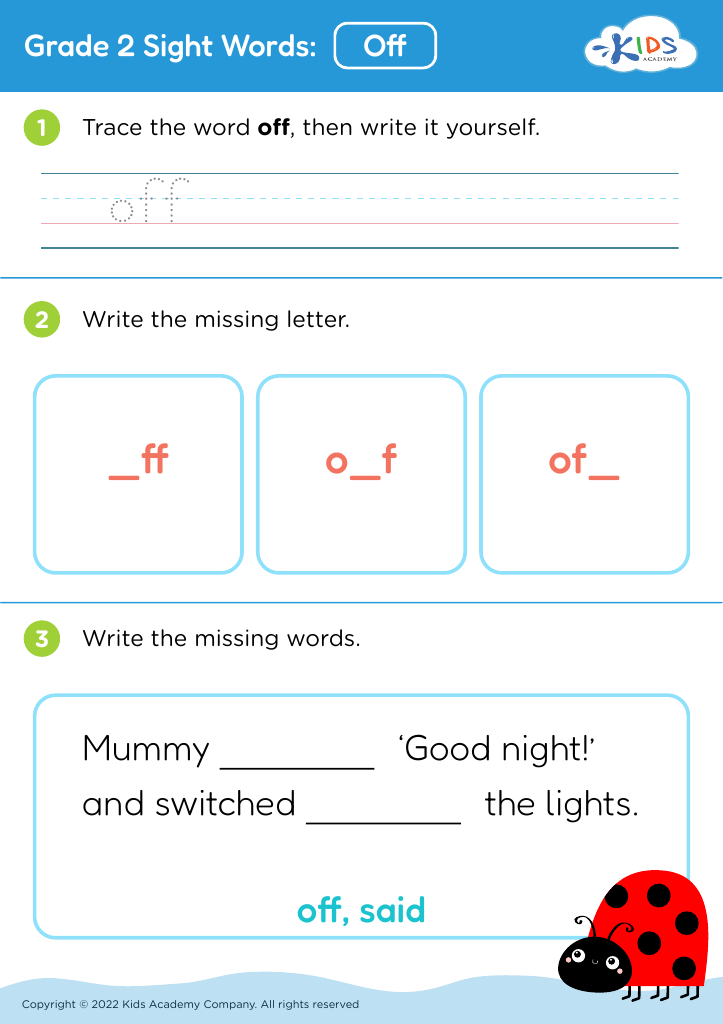
Grade 2 Sight Words: Off

Grade 2 Sight Words: Off

Grade 2 Sight Words: Off
Worksheet
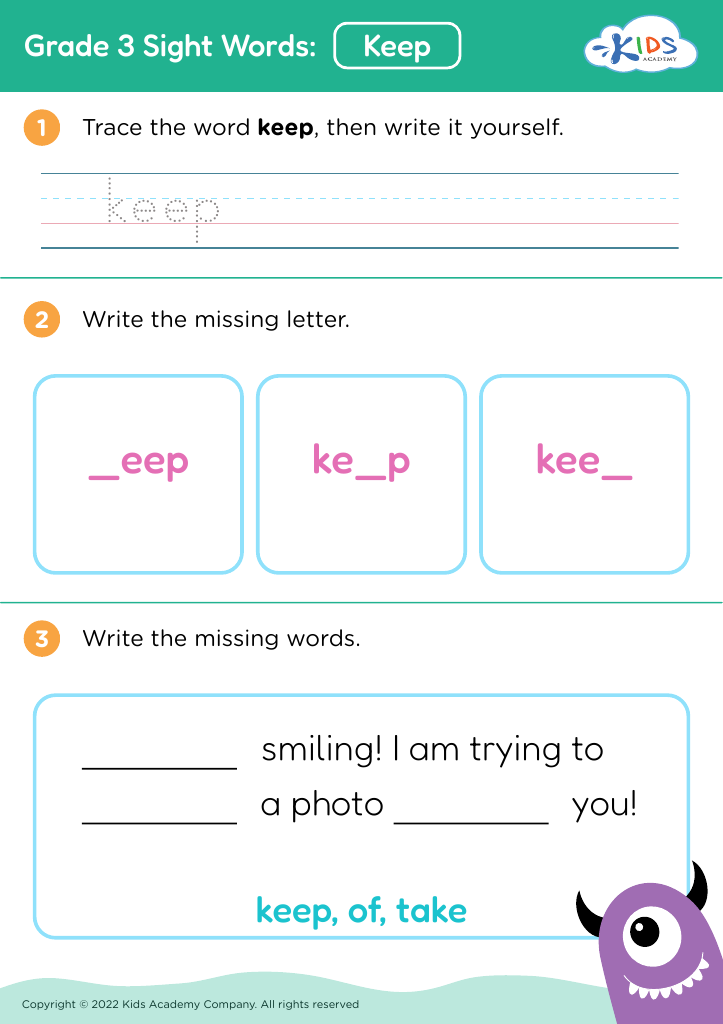
Grade 3 Sight Words: Keep

Grade 3 Sight Words: Keep

Grade 3 Sight Words: Keep
Worksheet
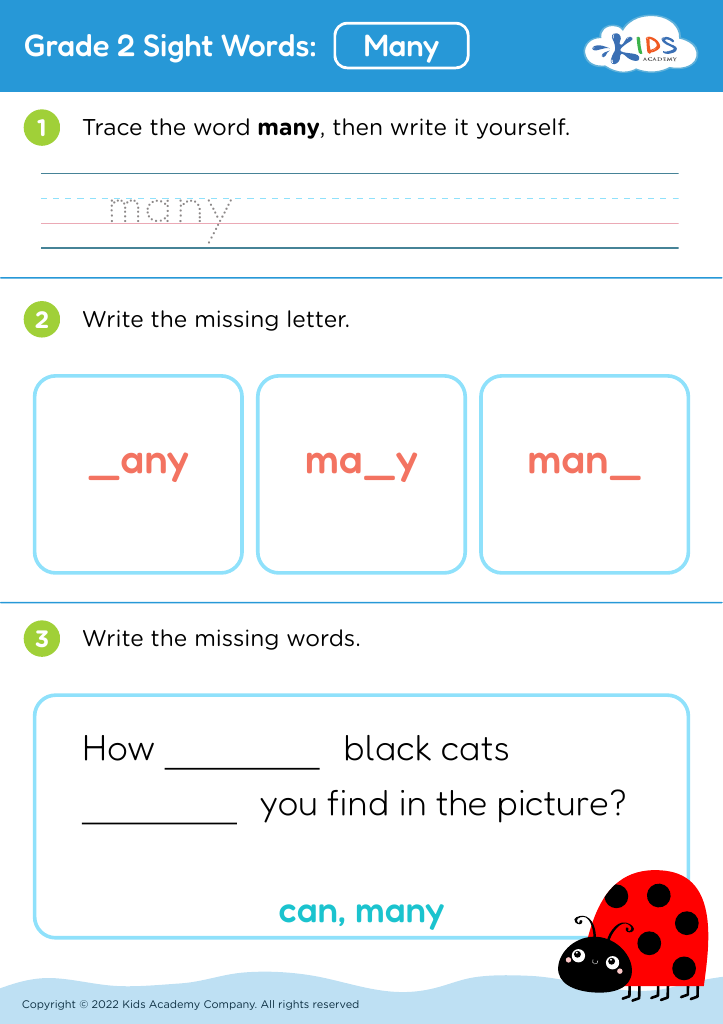
Grade 2 Sight Words: Many

Grade 2 Sight Words: Many

Grade 2 Sight Words: Many
Worksheet
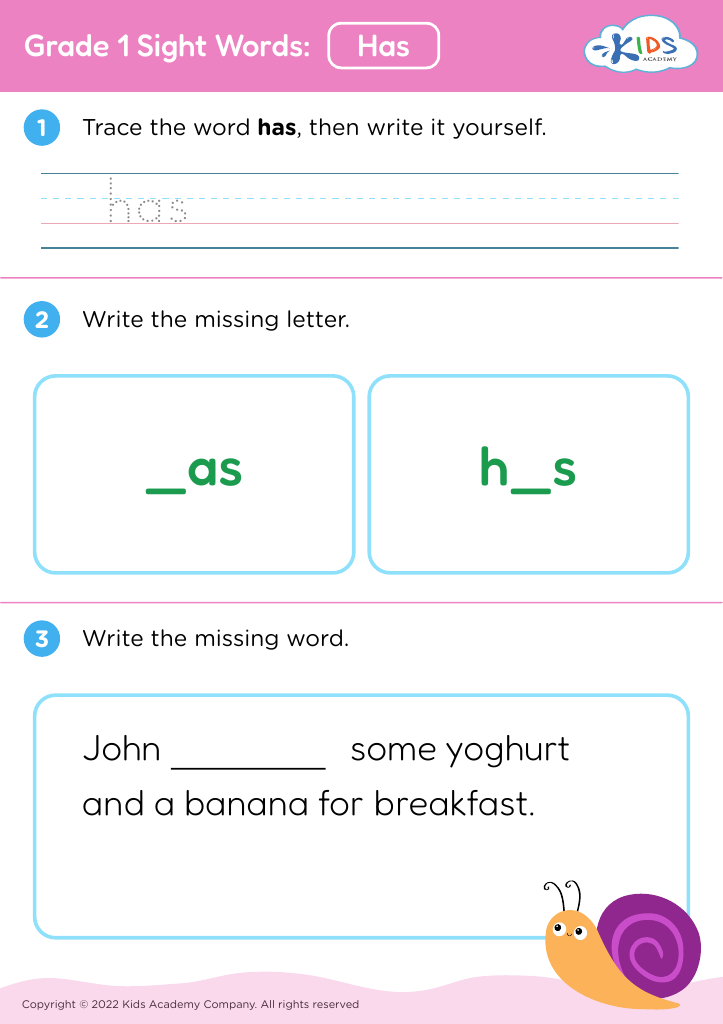
Grade 1 Sight Words: Has

Grade 1 Sight Words: Has

Grade 1 Sight Words: Has
Worksheet
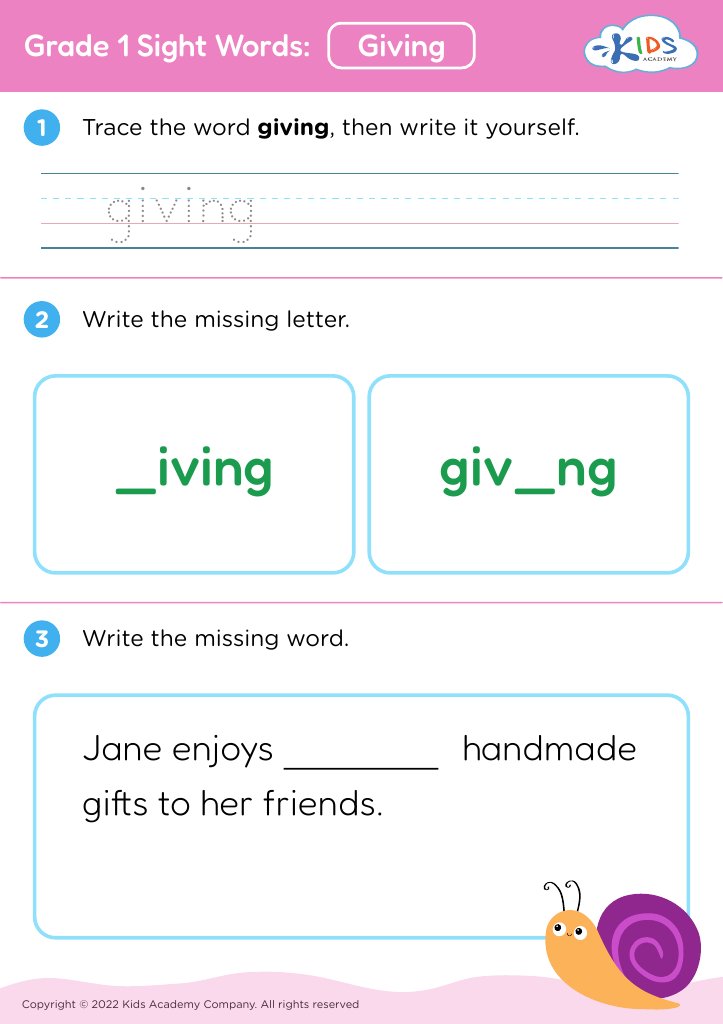
Grade 1 Sight Words: Giving

Grade 1 Sight Words: Giving

Grade 1 Sight Words: Giving
Worksheet
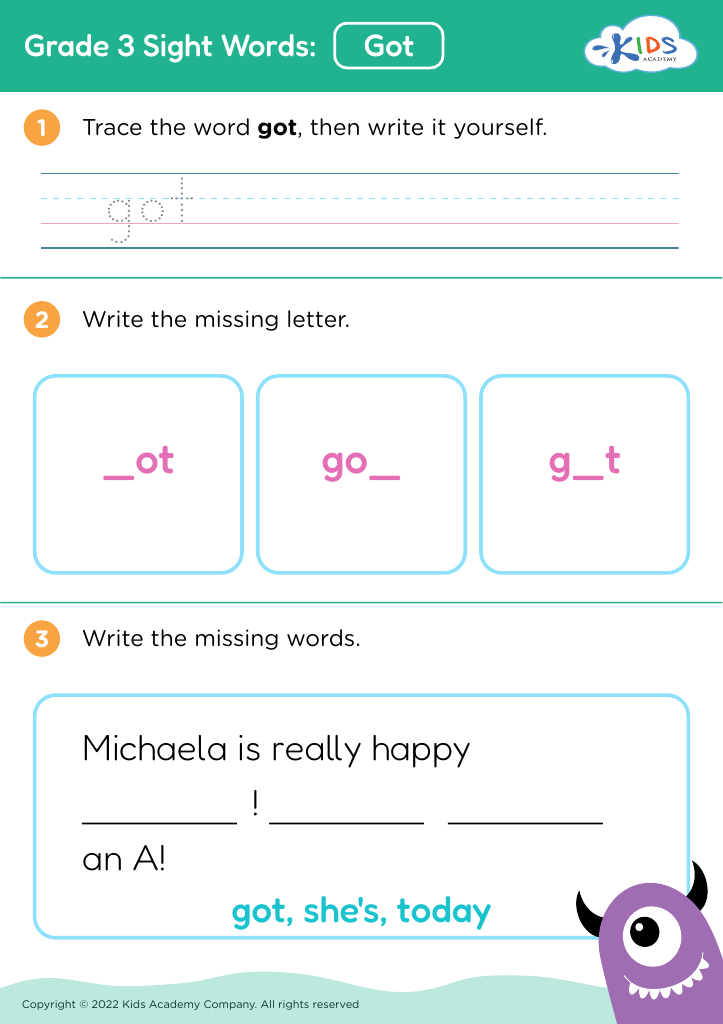
Grade 3 Sight Words: Got

Grade 3 Sight Words: Got

Grade 3 Sight Words: Got
Worksheet
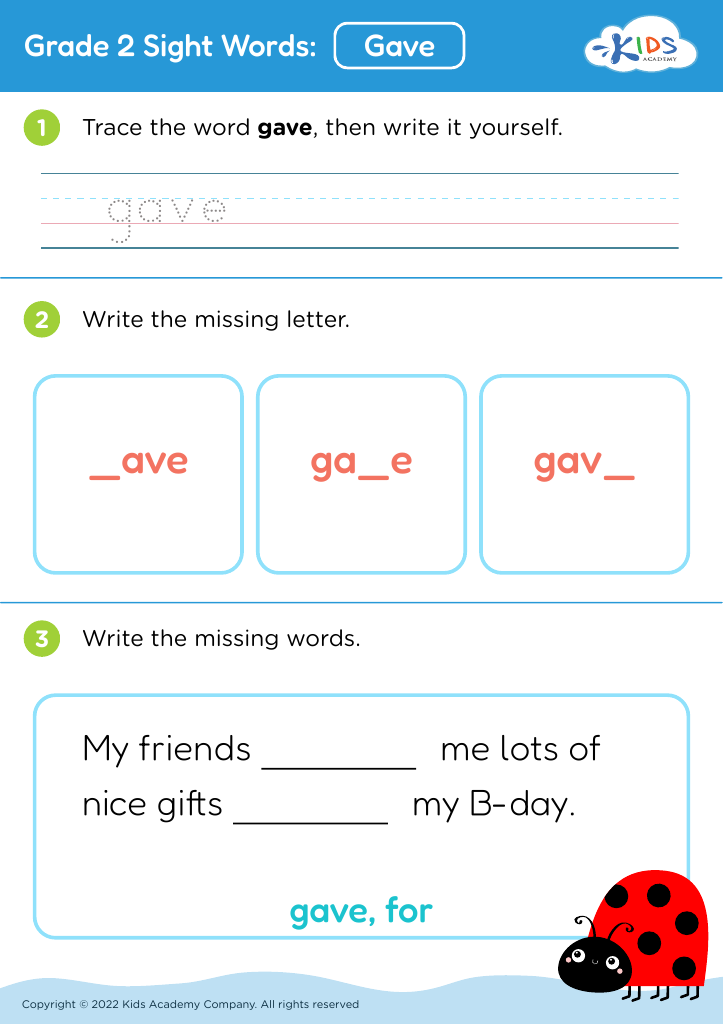
Grade 2 Sight Words: Gave

Grade 2 Sight Words: Gave

Grade 2 Sight Words: Gave
Worksheet
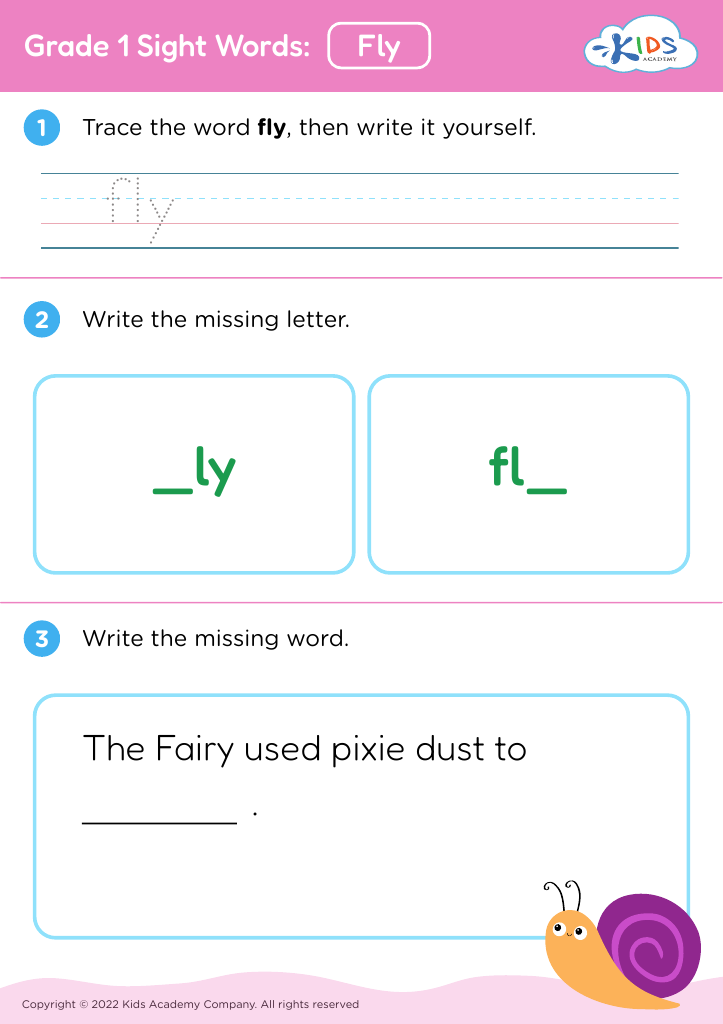
Grade 1 Sight Words: Fly

Grade 1 Sight Words: Fly

Grade 1 Sight Words: Fly
Worksheet
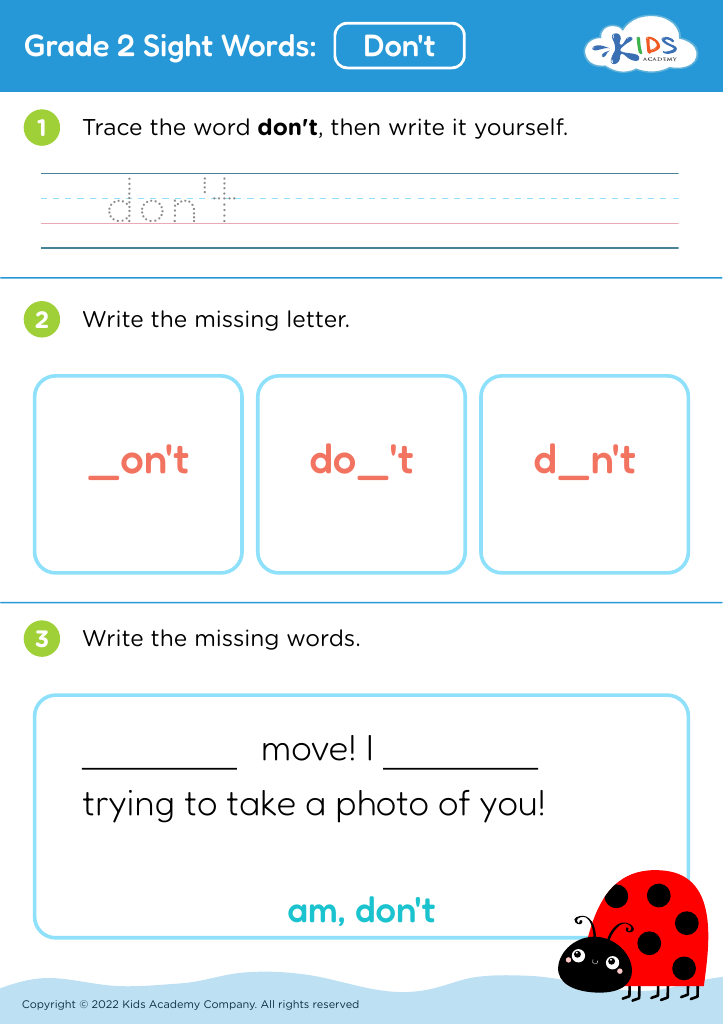
Grade 2 Sight Words: Don'T

Grade 2 Sight Words: Don'T

Grade 2 Sight Words: Don'T
Worksheet
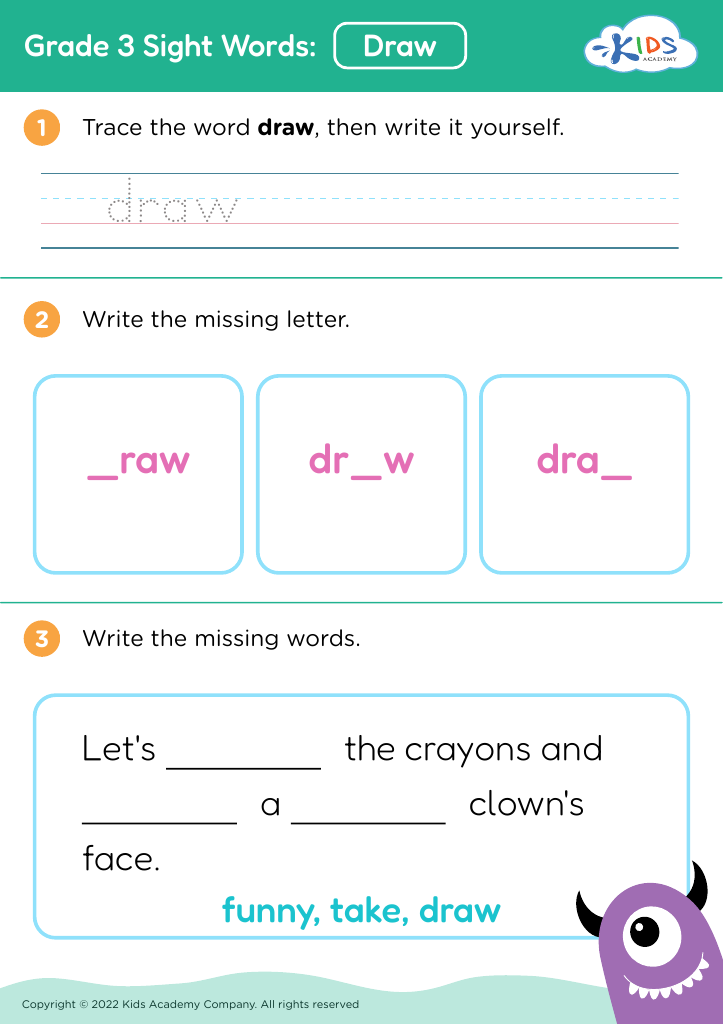
Grade 3 Sight Words: Draw

Grade 3 Sight Words: Draw

Grade 3 Sight Words: Draw
Worksheet


Understanding fractions is a crucial skill for children ages 7-8, as it lays the foundation for more advanced mathematical concepts. Parents and teachers should prioritize this area of learning because it enhances children's critical thinking and problem-solving abilities. Mastering fractions helps students understand proportions, comparisons, and the concept of part-to-whole relationships, which are vital in everyday situations, such as cooking or budgeting.

Building vocabulary surrounding fractions—terms like numerator, denominator, equivalent, and mixed numbers—furthers comprehension and communication. A rich vocabulary empowers children to articulate their understanding and reasoning clearly, fostering better engagement in discussions and collaborative problem-solving.

Additionally, incorporating fractions into relevant, real-world contexts makes learning more meaningful. For instance, measuring ingredients for a recipe allows children to see the practical applications of fractions, making abstract concepts tangible. When parents and teachers engage with students using everyday language and examples, they enhance learning experiences and build confidence.

Ultimately, improving fractional understanding and vocabulary not only supports academic success in mathematics but also encourages enthusiasm for learning, critical and analytical thinking, and effective communication—all essential skills for the future. Investing time and resources in understanding fractions benefits students in their overall educational journey.