Coloring skills Reading Worksheets for Ages 7-8
5 filtered results
-
From - To
Enhance your child's reading skills with our engaging Coloring Skills Reading Worksheets designed specifically for ages 7-8. These worksheets combine creativity and education, allowing young learners to connect colors with words while improving their reading comprehension. Each activity encourages children to explore vocabulary, recognize key concepts, and express their artistic talents. Ideal for at-home learning or classroom use, these worksheets make reading fun and interactive. Ideal for developing fine motor skills, the resources promote independent learning through captivating illustrations and engaging themes. Equip your child with essential reading skills today—download our exciting coloring worksheets and watch their confidence soar!
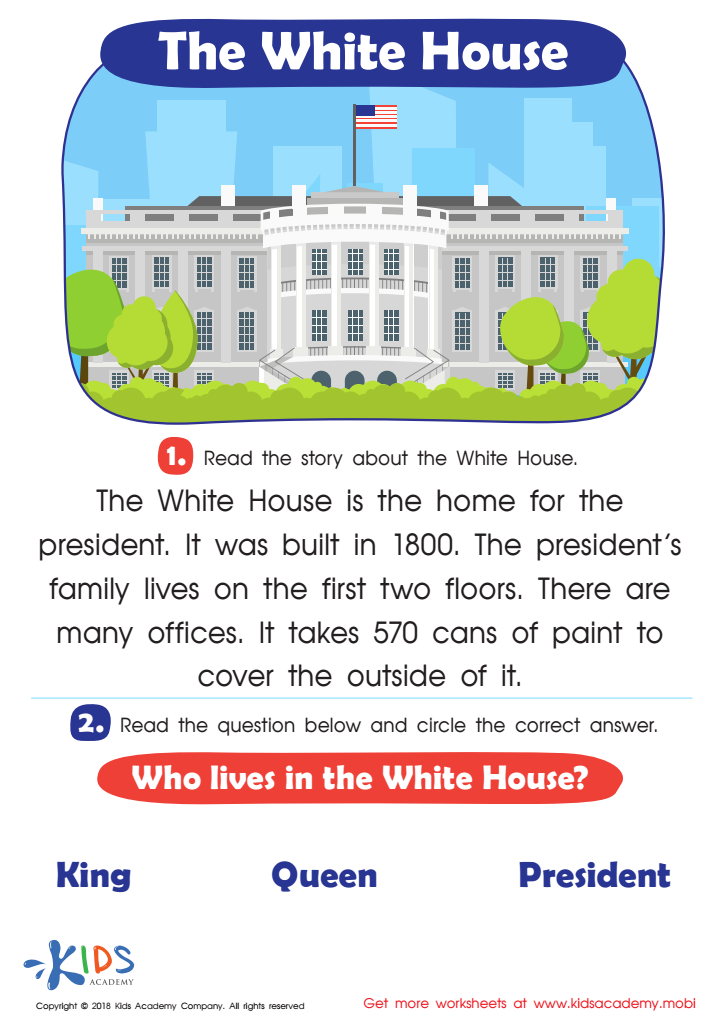
White House Worksheet
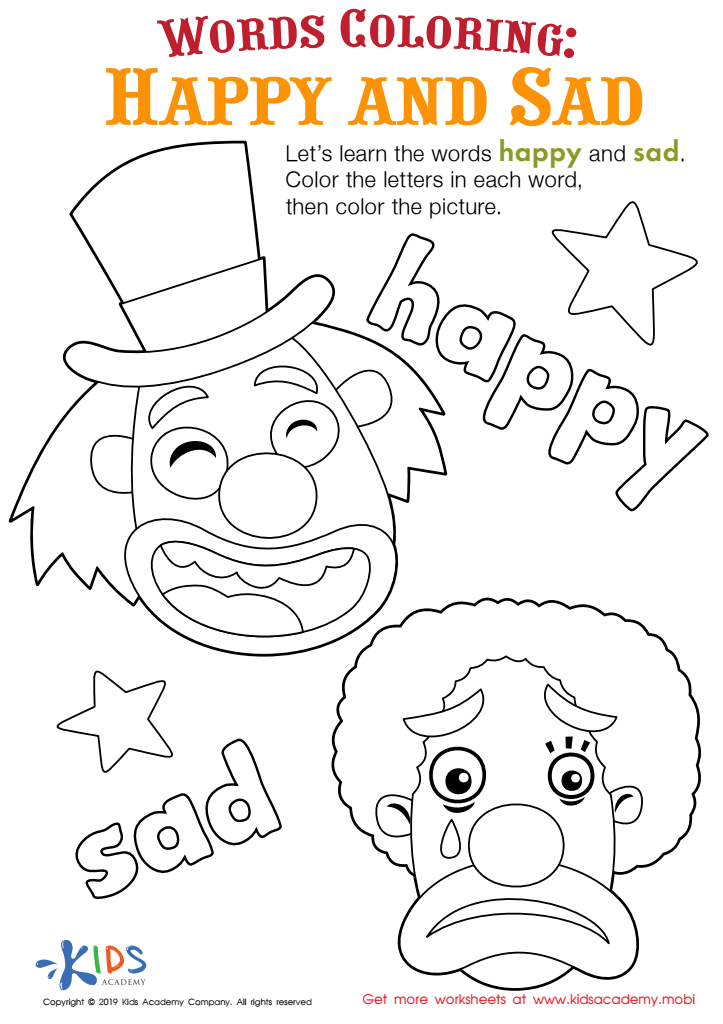
Happy and Sad Words Coloring Worksheet
 Assign to My Students
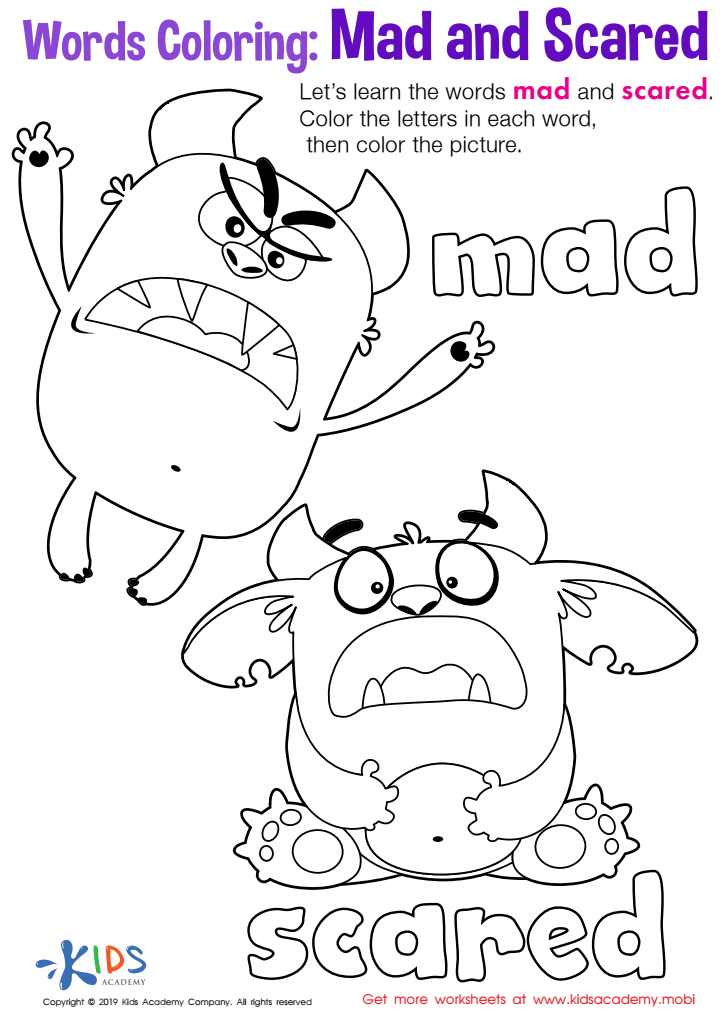
Mad and Scared Words Coloring Worksheet
Assign to My Students
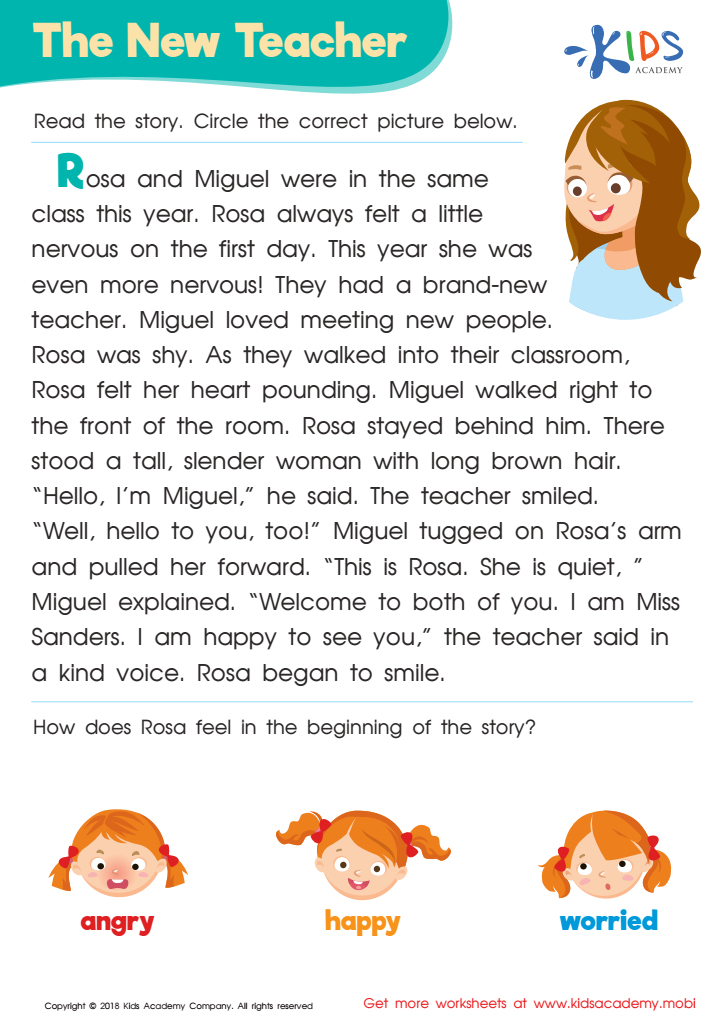
The New Teacher Worksheet


.jpg)


.jpg)


Coloring skills play a crucial role in the development of reading abilities for children ages 7-8. During this stage, children are honing their fine motor skills, hand-eye coordination, and cognitive development. Engaging in coloring activities encourages children to focus on details, recognize shapes and patterns, which can translate into better letter recognition and comprehension when they read.
Moreover, coloring integrates creativity with learning; it allows children to express their imagination while simultaneously reinforcing their familiarity with letters and words depicted in various coloring pages. For instance, coloring pictures related to stories or vocabulary words helps embed those concepts in a child's mind, enhancing retention and understanding.
Additionally, the act of coloring can be a calming and relaxing activity, reducing anxiety, which often interferes with learning. Children who engage in artistic processes like coloring generally exhibit improved concentration and patience—skills essential for effective reading.
For parents and teachers, fostering strong coloring skills means supporting the development of not only academic skills but also emotional resilience. Emphasizing this connection can lead to more holistic approaches in teaching literacy that acknowledge the importance of creative expression in education. Thus, investing time in coloring can significantly contribute to formative learning experiences for children.








