Comparing quantities Reading Worksheets for Ages 7-8
3 filtered results
-
From - To
Discover our engaging "Comparing Quantities" reading worksheets designed for children ages 7-8. These interactive resources help young learners develop essential reading and analytical skills as they explore text comprehension through the comparison of quantities. With a variety of worksheets featuring age-appropriate scenarios, kids will practice reading closely to identify differences and similarities in numeric information. Our worksheets encourage critical thinking while fostering a love for learning. Ideal for both classroom and home use, these printables support educators and parents in enhancing students' reading proficiency and problem-solving capabilities. Empower your child's learning journey with these fun and educational resources today!



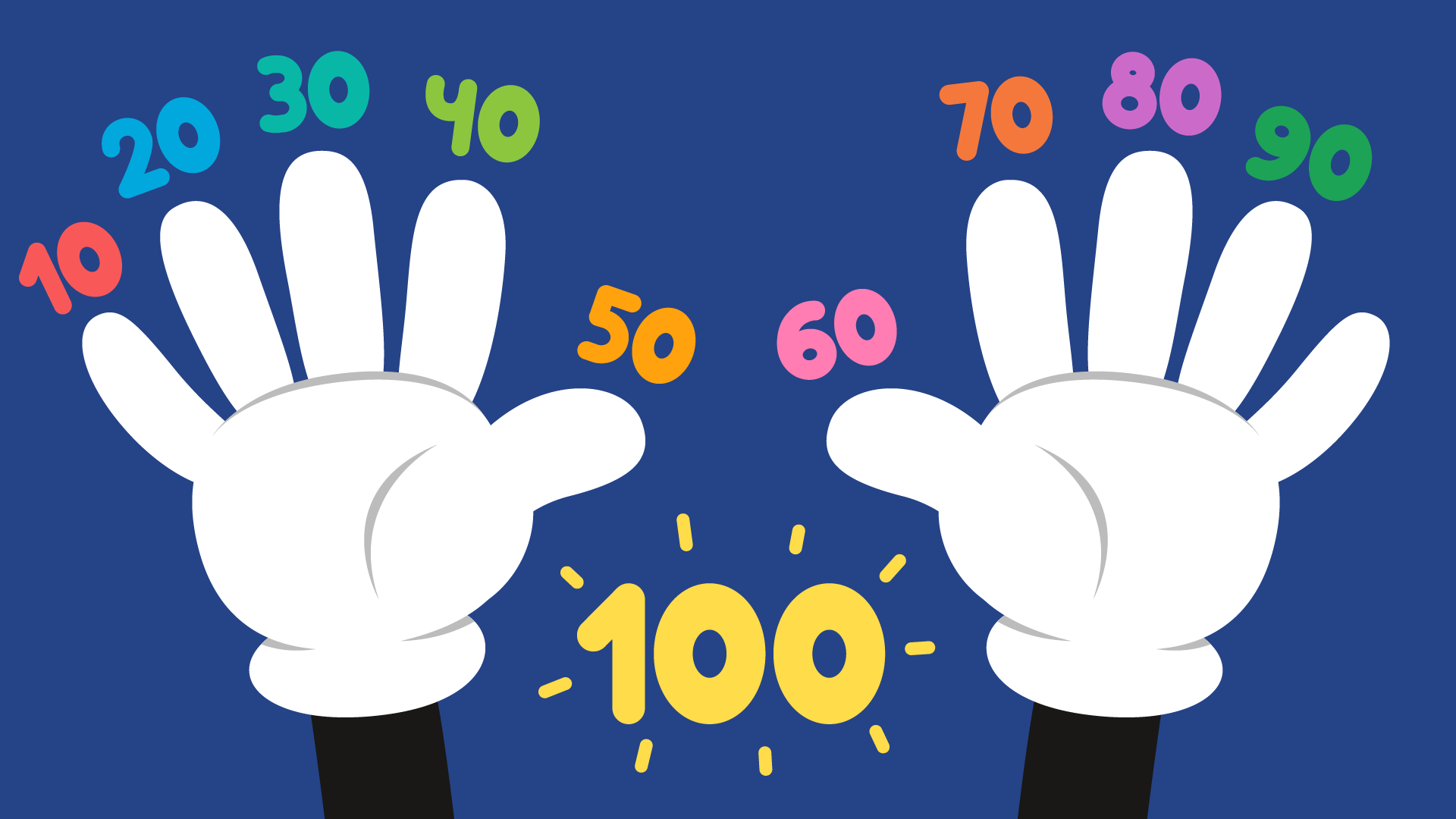




Comparing quantities is an essential skill for children aged 7 to 8, which plays a significant role in their overall cognitive development and mathematical understanding. At this age, children are beginning to grasp more complex numerical concepts, and the ability to compare quantities helps them develop critical thinking skills.
Parents and teachers should care about this skill because it lays the foundation for future mathematical concepts, such as addition, subtraction, multiplication, and division. By learning to compare quantities, children enhance their ability to analyze information, recognize patterns, and make logical decisions. This not only applies to math but spills over into real-life situations, such as evaluating what is more, less, or equal.
Additionally, lessons involving comparing quantities foster problem-solving skills, as students learn to utilize mathematical reasoning to tackle questions and scenarios. This competence is vital as they progress further in their education. Moreover, engaging in these activities can boost a child's confidence, helping them to become more independent and self-assured learners.
Ultimately, prioritizing comparing quantities in early education sets children on a positive path toward academic success and lifelong learning, making it crucial for parents and teachers to emphasize this area.








