Counting practice Reading Worksheets for Ages 7-8
12 filtered results
-
From - To
Enhance your child's literacy and numeracy skills with our Counting Practice Reading Worksheets designed specifically for ages 7-8. These engaging worksheets combine reading exercises with counting challenges, allowing young learners to practice number recognition and comprehension in a fun, interactive way. Each worksheet features vibrant illustrations and age-appropriate activities that captivate students while reinforcing essential skills. Perfect for home or classroom use, our worksheets encourage independent learning and help develop confidence in both reading and math. Explore our collection today and provide your child with the tools they need to master counting and reading with ease!
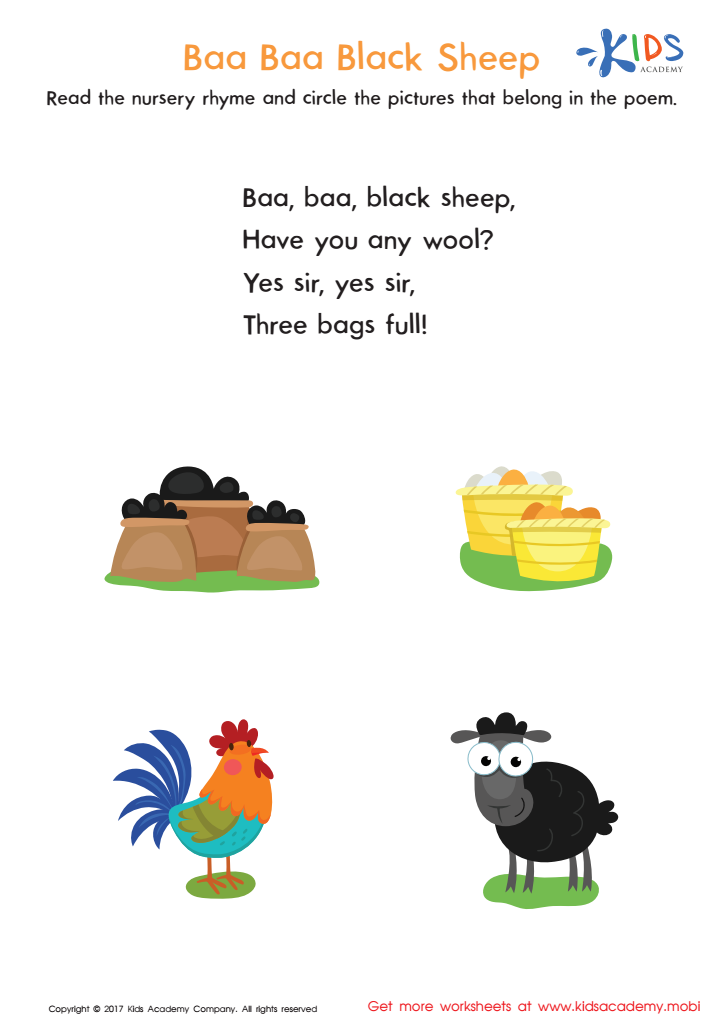
Baa Baa Black Sheep Printable
 Assign to My Students
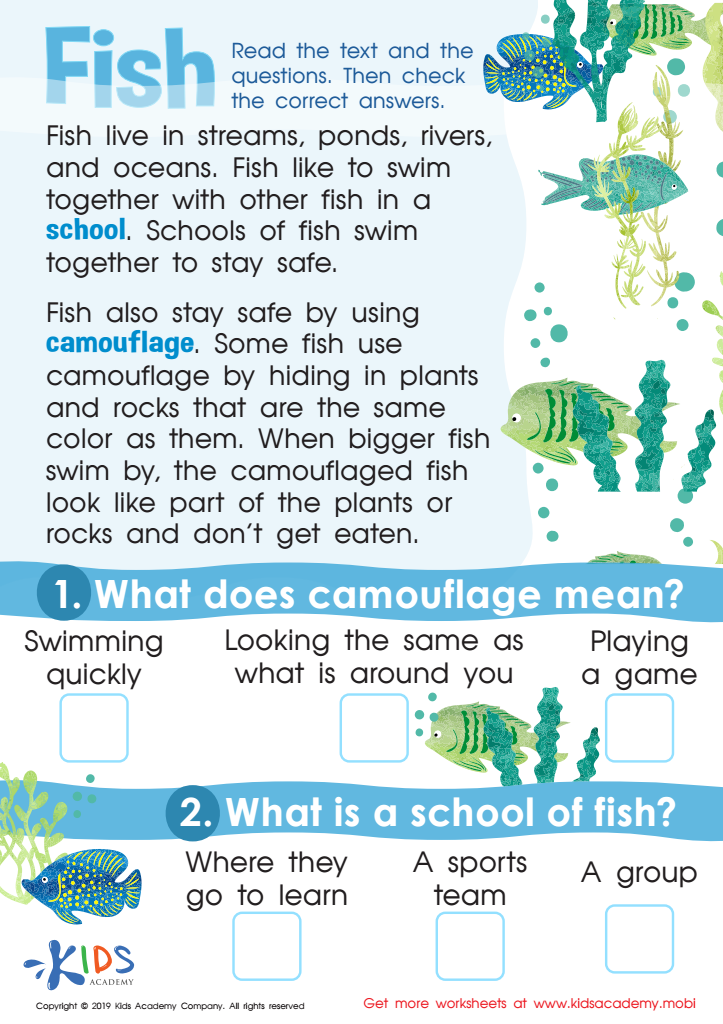
Fish Worksheet
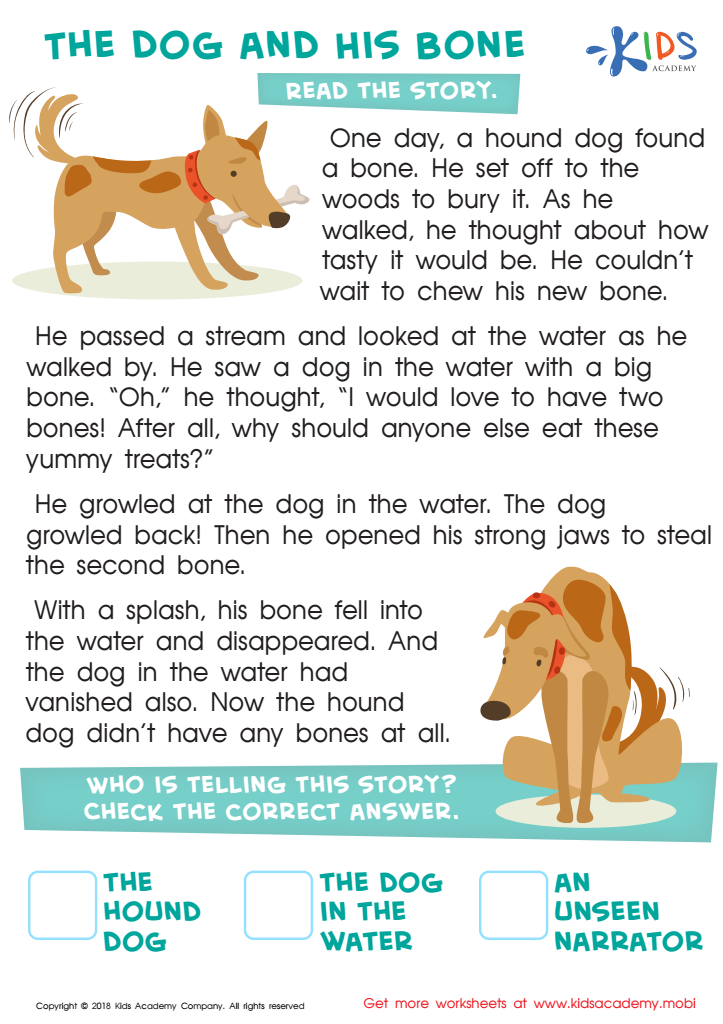
The Dog and His Bone Worksheet
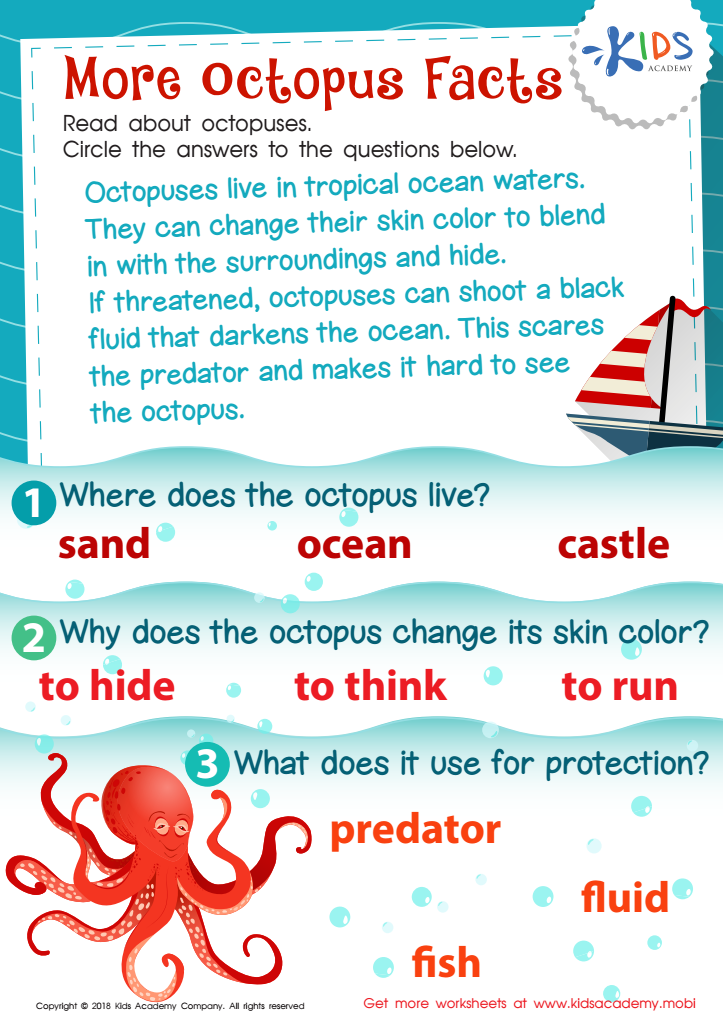
More Octopus Facts Worksheet
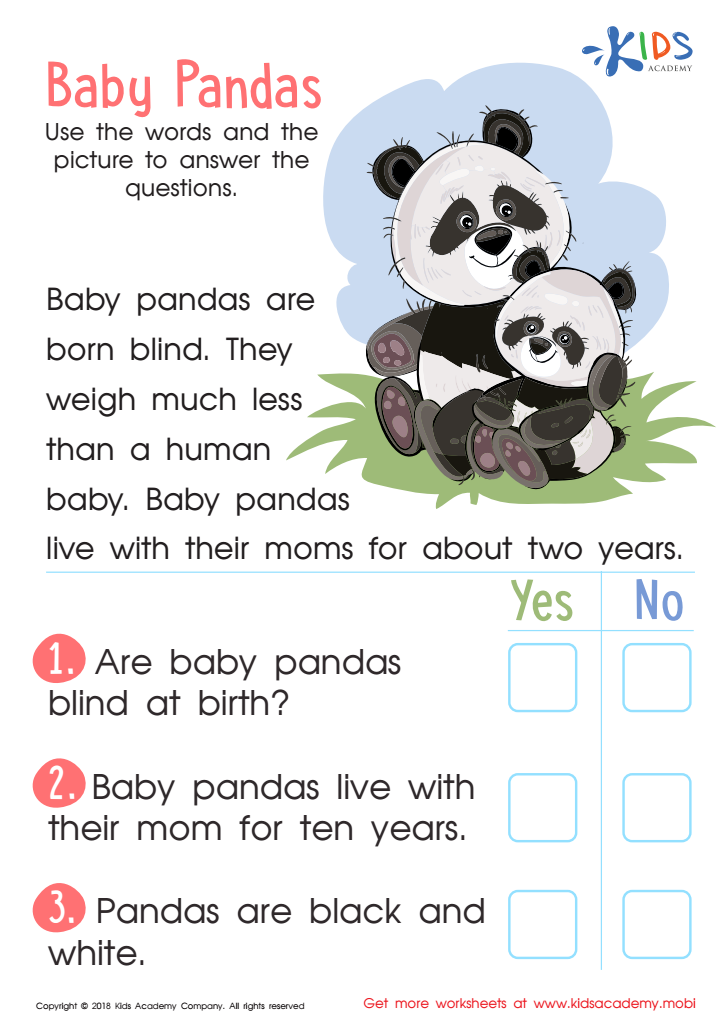
Baby Pandas Worksheet
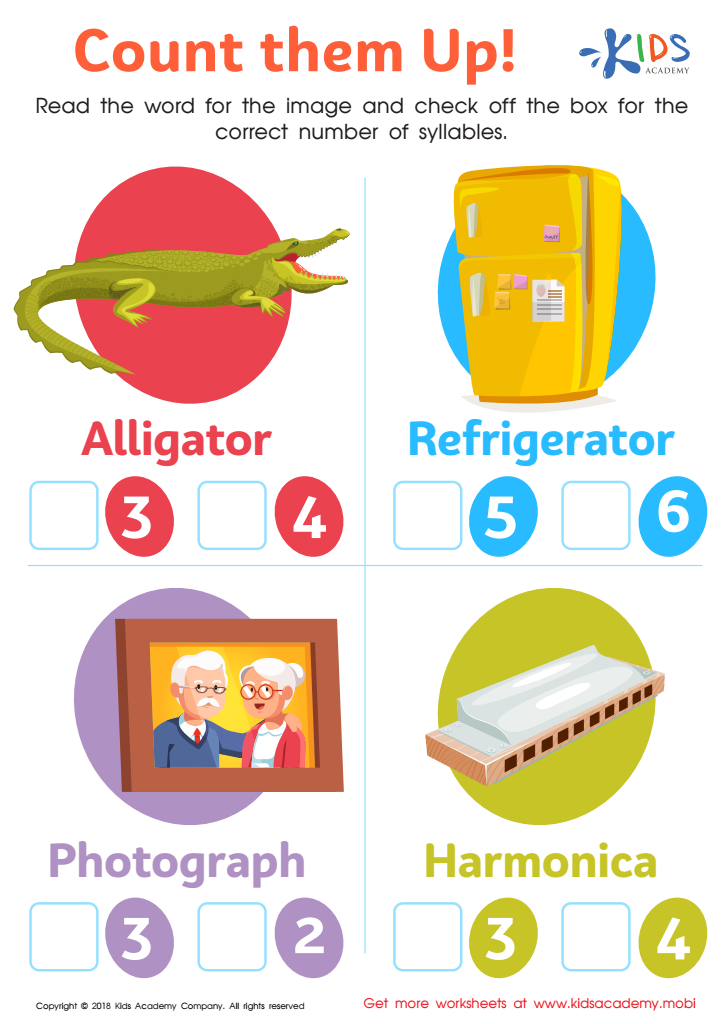
Count Them Up Worksheet
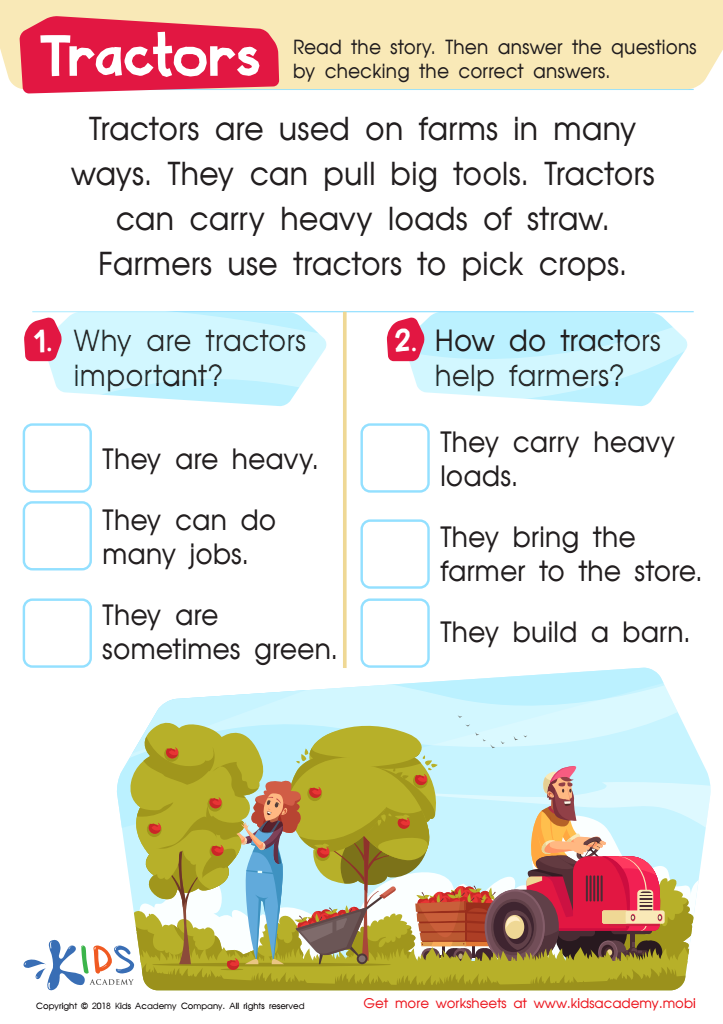
Tractors Worksheet
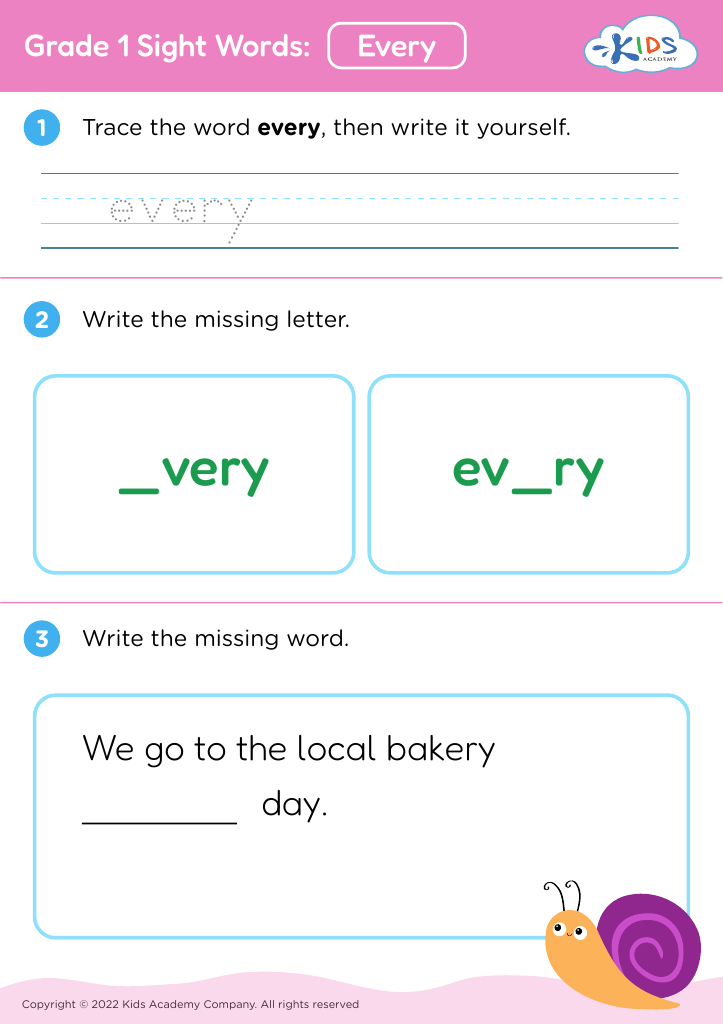
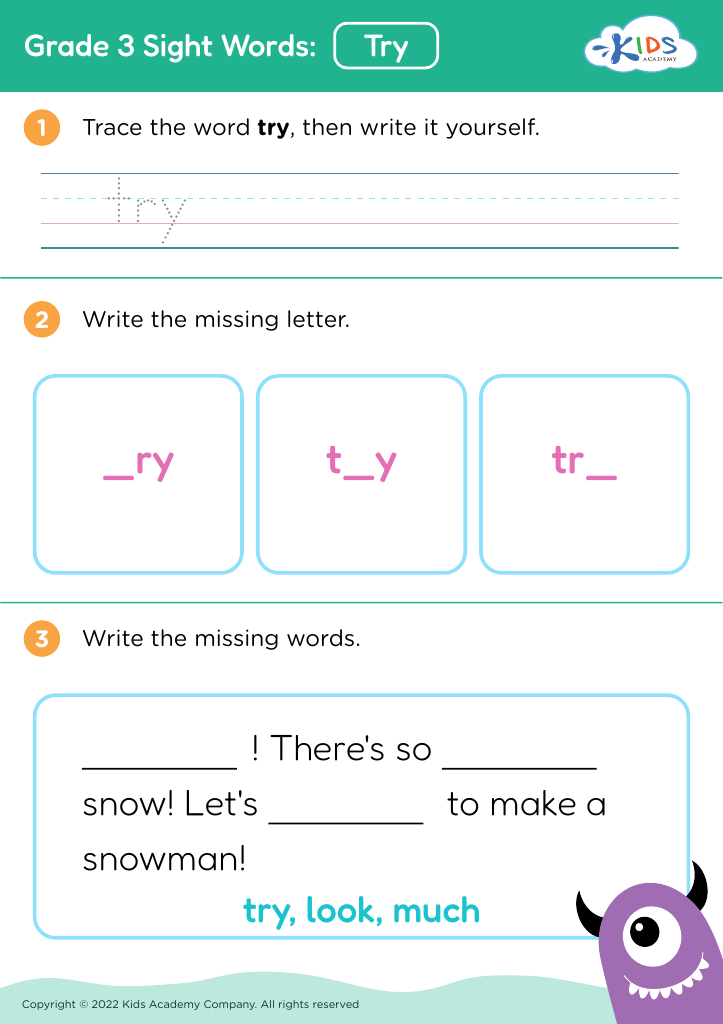
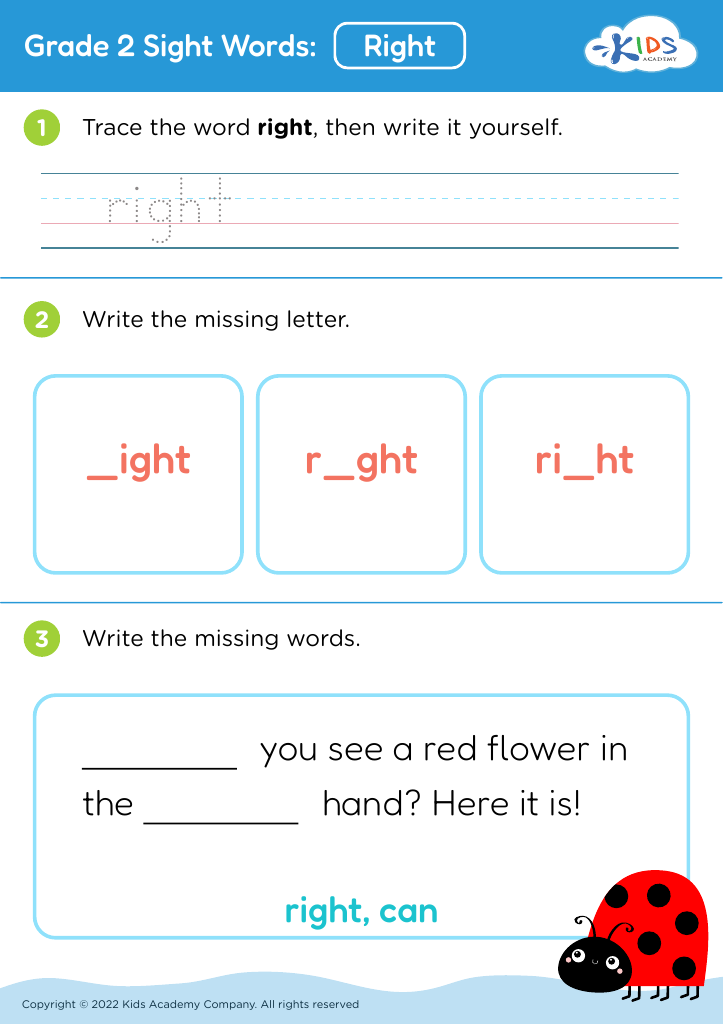
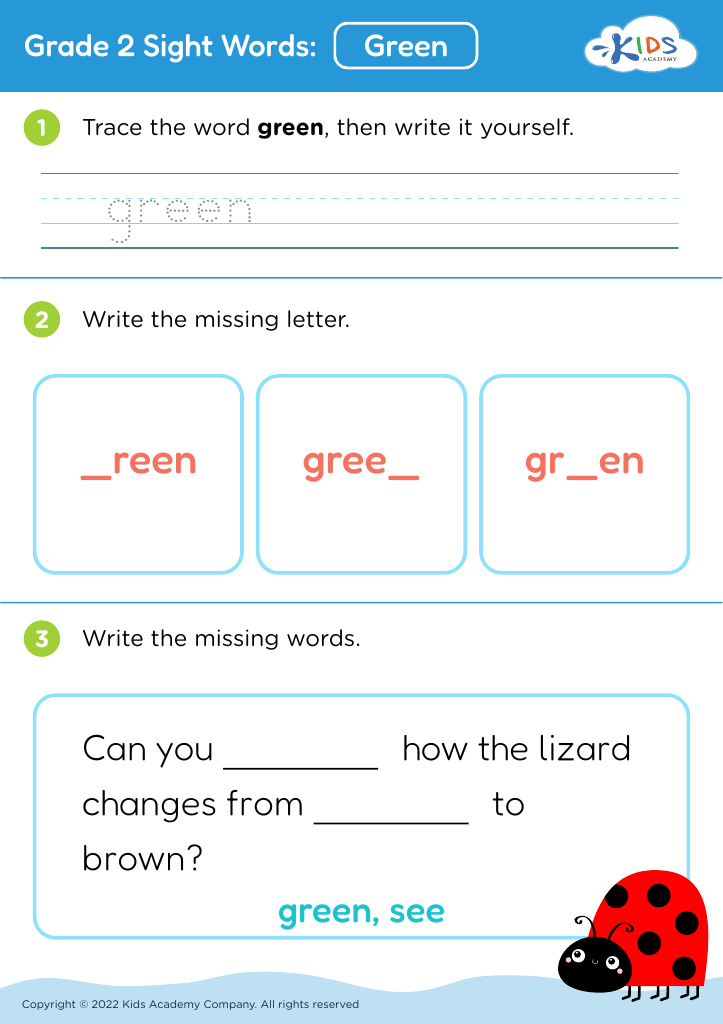
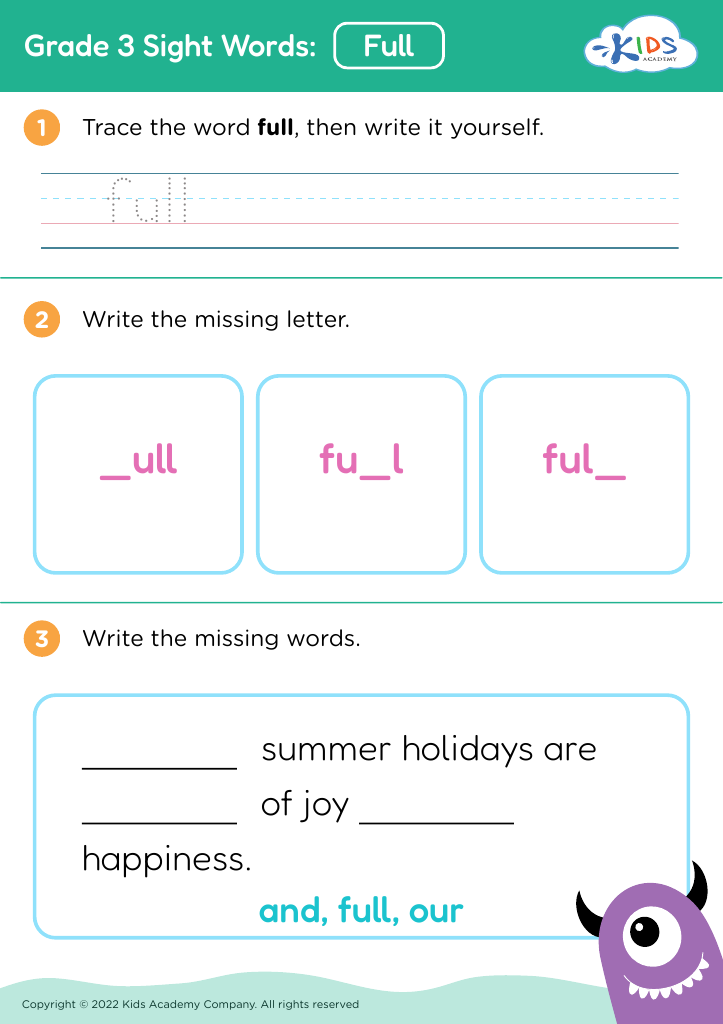






Counting practice through reading is vital for children aged 7-8, as it bridges essential skills in numeracy and literacy. At this age, children are developing critical thinking and problem-solving abilities, making connections between math and language increasingly important. Incorporating counting into reading helps children recognize numbers and sequences in written text, reinforcing their comprehension and fluency.
Reading stories that involve counting scenarios, such as books about animals, sports, or nature, creates an engaging context for children to practice numbers while enjoying a narrative. This multi-sensory approach not only strengthens their math skills but also cultivates a love for reading. When parents or teachers encourage counting through literature, they're fostering a positive association between the two areas of learning.
Moreover, counting practice supports language development by introducing vocabulary related to numbers and quantities. It aligns with the curriculum and helps children meet educational milestones, preparing them for more advanced mathematical concepts. Overall, engaging in counting practice through reading prepares young learners to approach math as an enjoyable and integral part of their everyday lives, setting a strong foundation for future academic success. Therefore, parents and teachers should prioritize this combined practice to enhance children’s holistic learning experience.








