Analytical thinking Reading Comprehension Worksheets for Ages 7-8
7 filtered results
-
From - To
Unlock the power of analytical thinking with our engaging reading comprehension worksheets, designed specifically for children aged 7-8. These worksheets encourage young learners to delve deeper into texts, fostering critical thinking skills as they analyze character motivations, plot elements, and underlying themes. With a variety of exercises that stimulate curiosity and enhance understanding, students will develop essential skills for both academic success and real-life problem solving. Each worksheet is thoughtfully crafted to align with educational standards, making them perfect for classroom use or at-home learning. Strengthen your child’s reading comprehension and analytical skills today!
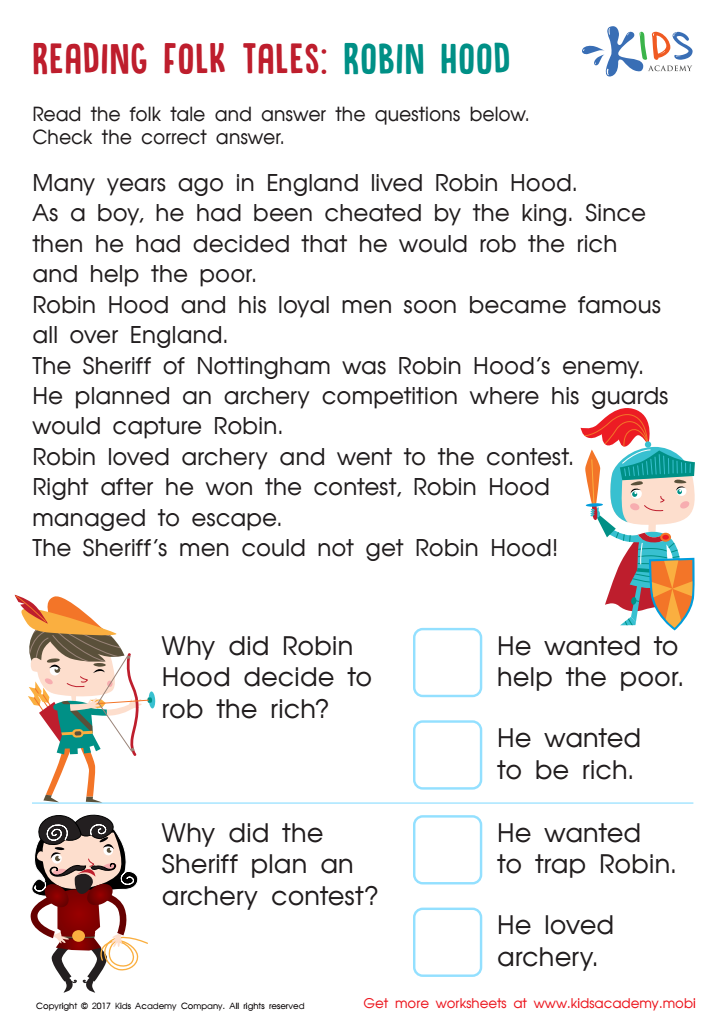
Robin Hood Folktale Worksheet
 Assign to My Students
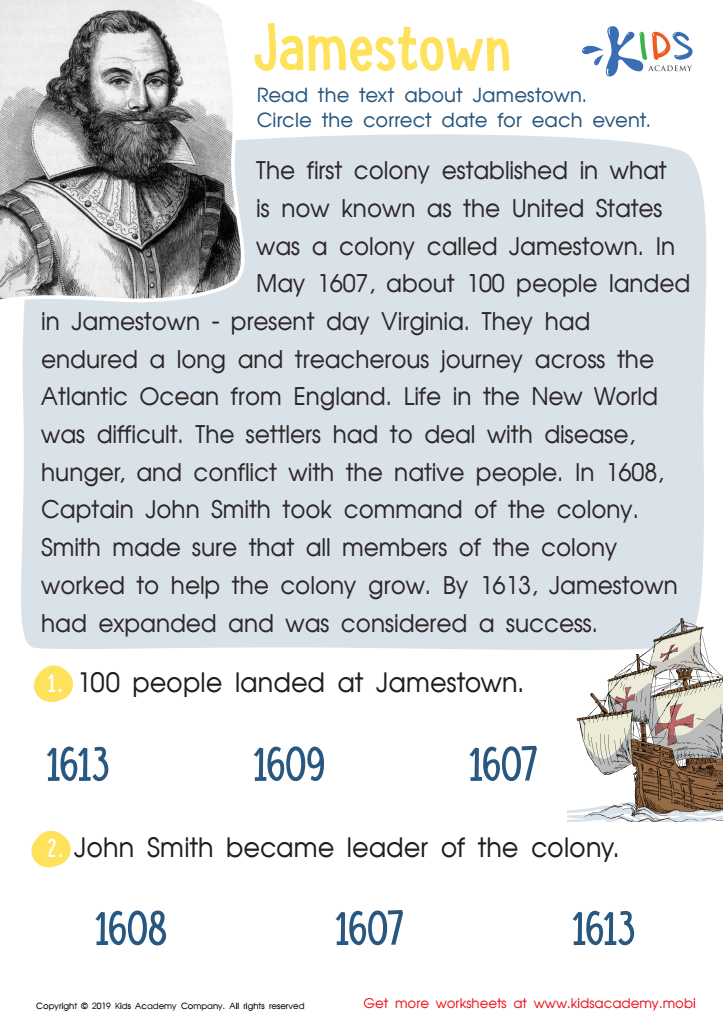
Jamestown Worksheet
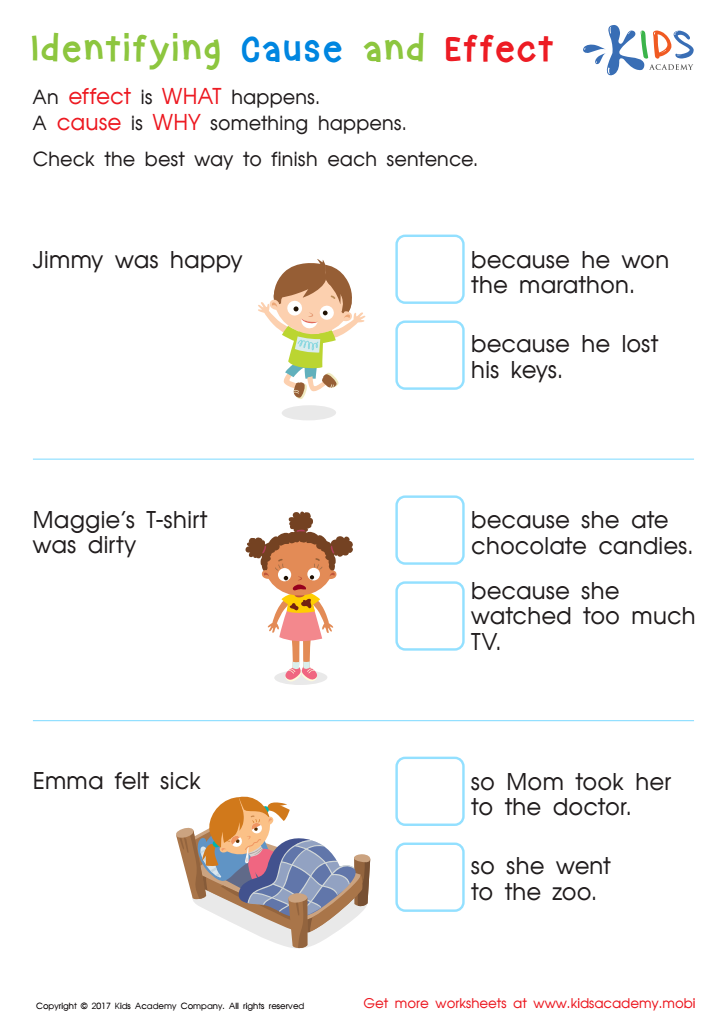
Indentifying Cause and Effect Worksheet
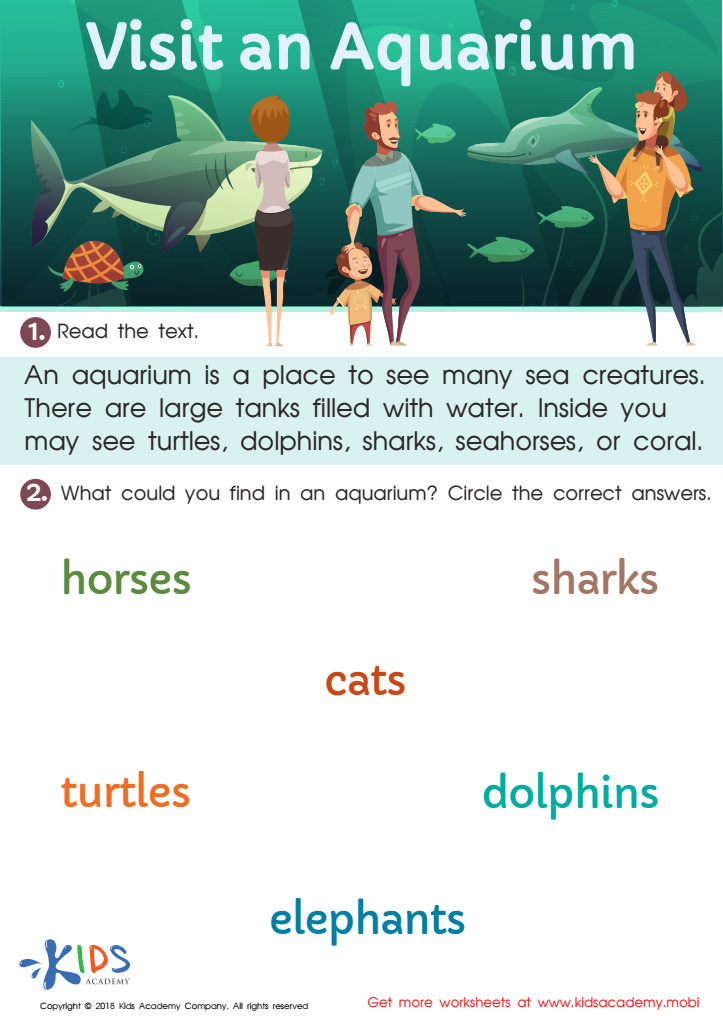
Visit an Aquarium Worksheet
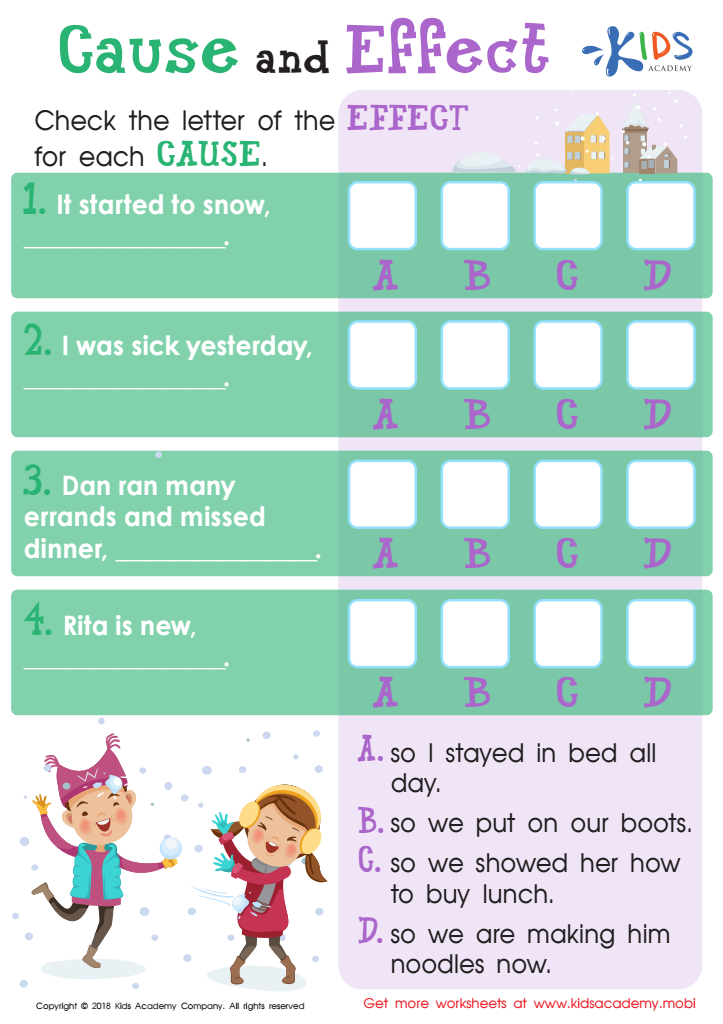
Cause and Effect Worksheet
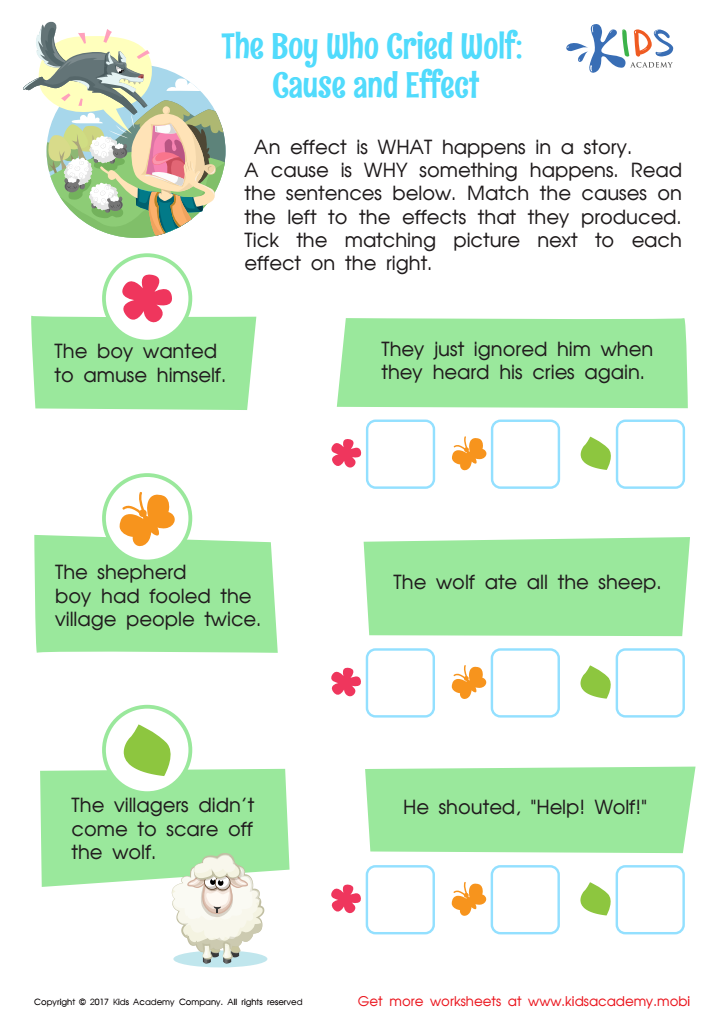
The Boy Who Cried Wolf: Cause and Effect Worksheet
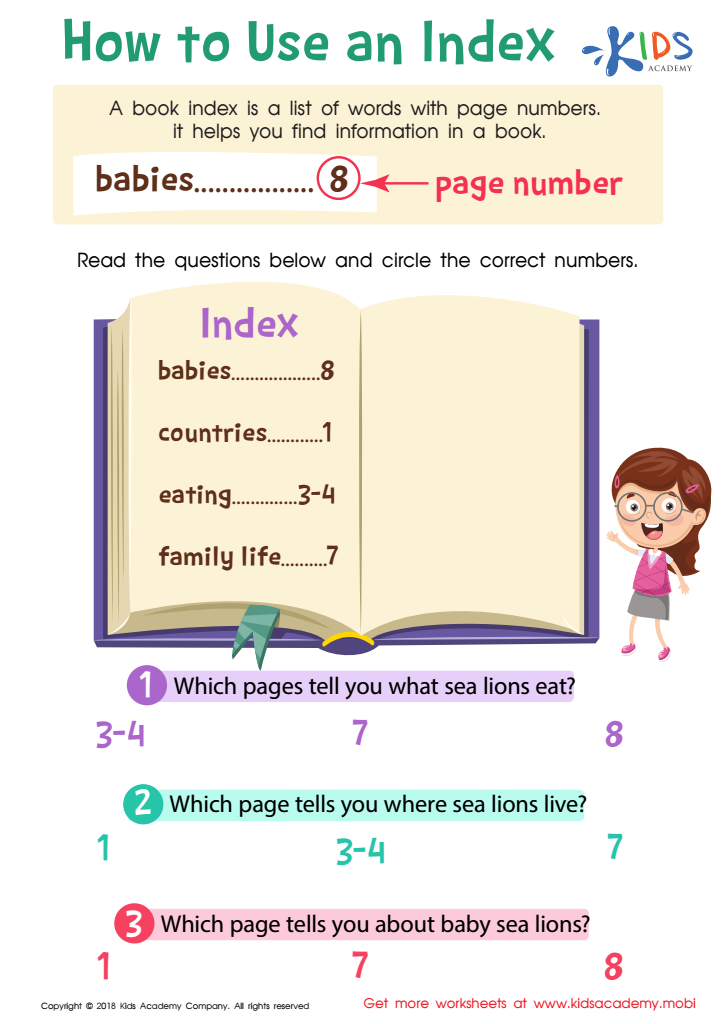
How Use Index Worksheet








Analytical thinking and reading comprehension are critical skills for children aged 7-8, as they serve as the foundation for lifelong learning and problem-solving. During this developmental stage, children are transitioning from learning to read to reading to learn. By fostering analytical thinking, parents and teachers can help children unpack texts, grasp underlying meanings, and recognize patterns or biases in the material, promoting deeper cognitive engagement.
Understanding reading comprehension is essential not only for academic success but also for enhancing critical life skills, such as decision-making and empathy. When children can analyze stories, they learn to think critically about characters, motivations, and consequences, which can enrich their understanding of the world.
Moreover, strong comprehension skills contribute to improved performance in other subjects like math and science, where reading complex instructions and problem-solving are fundamental. Encouraging discussions around texts, asking open-ended questions, and promoting curiosity enables children to articulate their thoughts, thereby strengthening both their verbal skills and confidence.
Ultimately, investing time and resources in developing analytical thinking and reading comprehension empowers children to navigate challenges effectively, encouraging creative thinking, independent learning, and a love for reading that extends beyond the classroom.








