Sequencing Skills Reading Fiction Worksheets for Ages 7-8
3 filtered results
-
From - To
Enhance your child's reading comprehension with our "Sequencing Skills Reading Fiction Worksheets for Ages 7-8". Designed to improve critical thinking and narrative understanding, these engaging worksheets help kids master the art of identifying the beginning, middle, and end of stories. Through captivating exercises featuring their favorite characters and exciting plots, children practice arranging events in the correct order, boosting their ability to follow and retell fiction stories accurately. Ideal for both classroom and home use, these worksheets are an excellent tool for teachers and parents striving to develop essential literacy skills in young readers.
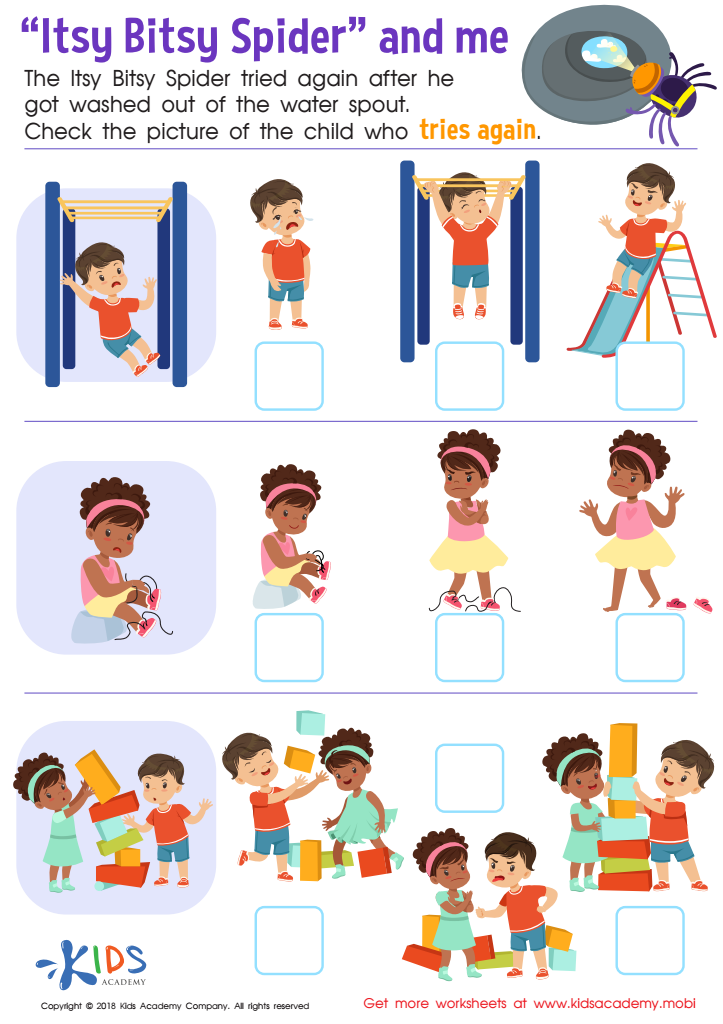
Itsy Bitsy Spider and Me Worksheet
 Assign to My Students
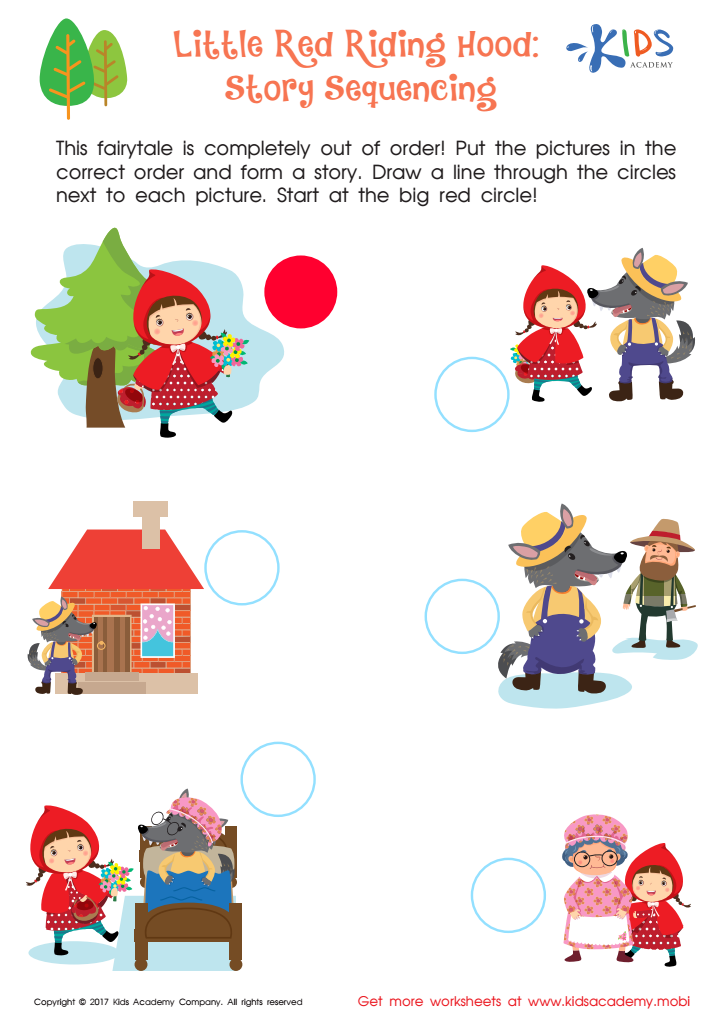
Story Sequencing Printable
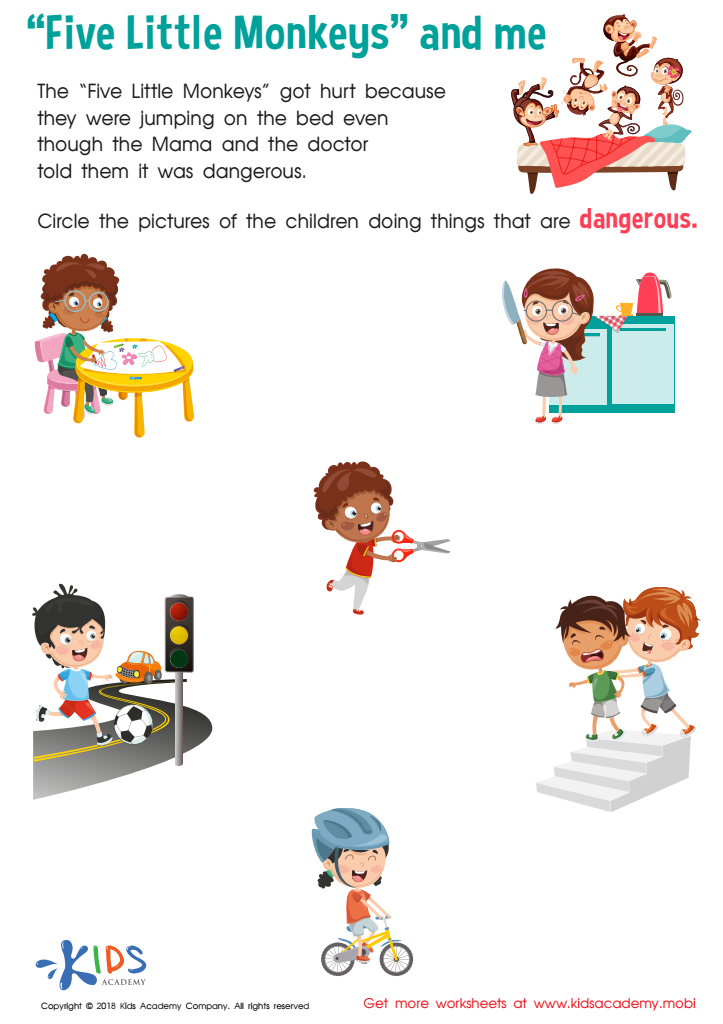
Five Little Monkeys and Me Worksheet






.jpg)

Sequencing skills are an essential aspect of reading development, particularly for children aged 7-8 who are transitioning from simple picture books to more complex narratives. These skills enable young readers to understand and retell the events of a story in the correct order, enhancing their overall comprehension.
Parents and teachers should prioritize sequencing skills because they form the foundation for critical thinking and logical reasoning. When children practice sequencing, they learn to recognize the beginning, middle, and end of stories, which improves their ability to summarize and predict future events. This not only aids in understanding the plot but also helps in grasping character motivations and cause-and-effect relationships within the story.
Developing strong sequencing skills also positively impacts other academic areas. In subjects like mathematics and science, sequences and patterns are fundamental concepts. Furthermore, sequencing facilitates logical organization of ideas, which is crucial for writing and effective communication.
In addition, these skills foster engagement and imagination. Sequenced storytelling sparks creativity, as children discussing the order of events often create their own ending scenarios or alternative plot lines. This involvement deepens their connection to reading, turning it into an enjoyable and enriching experience.
In essence, strengthening sequencing skills at this pivotal age fosters a robust foundation for lifelong reading comprehension and academic success.








