Knowledge application Science Worksheets for Ages 7-8
5 filtered results
-
From - To
Discover our engaging Knowledge Application Science Worksheets tailored for children ages 7-8! Designed to enhance critical thinking and reinforce scientific concepts, these worksheets encourage young learners to apply their knowledge in fun and interactive ways. Covering essential topics such as plant growth, animal habitats, and environmental science, each worksheet features colorful illustrations and thought-provoking questions. Ideal for classroom use or at-home learning, our resources help students build strong problem-solving skills and foster a love for science. Download our printable worksheets today and watch your child’s understanding of the natural world flourish!
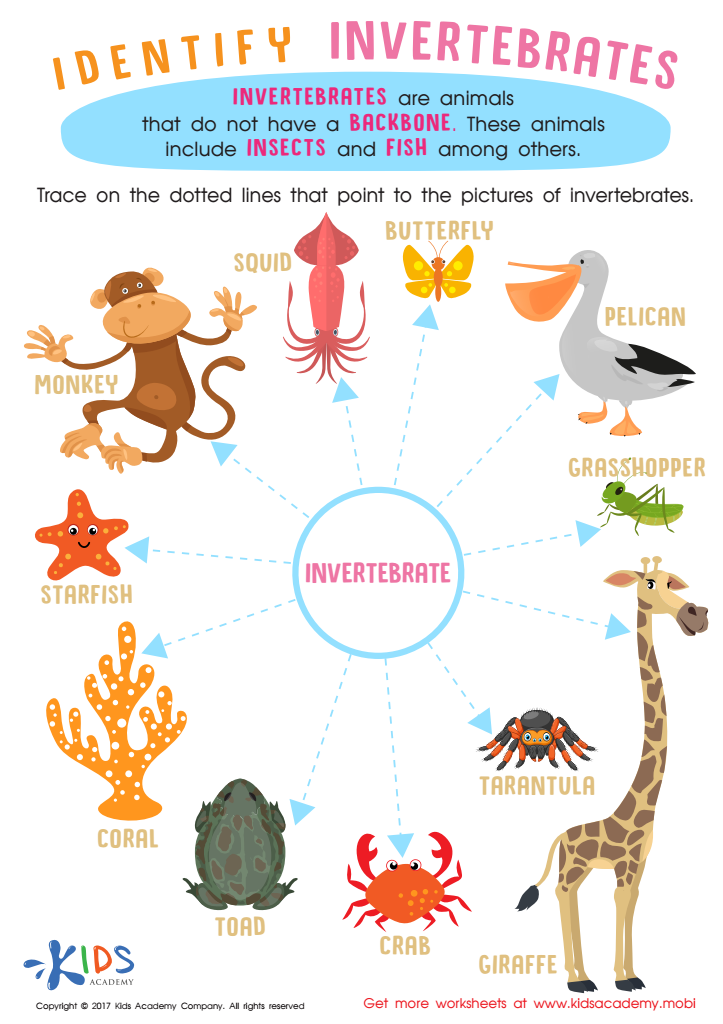
Invertebrates Worksheet for Grade 3
 Assign to My Students
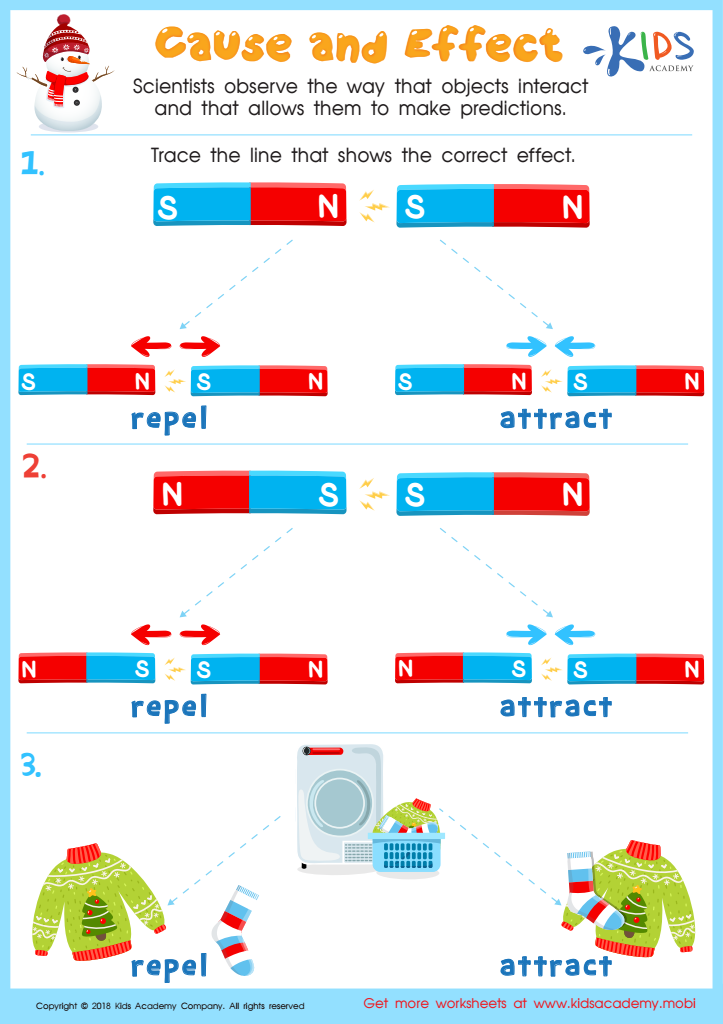
Repel and Attract Magnet Worksheet
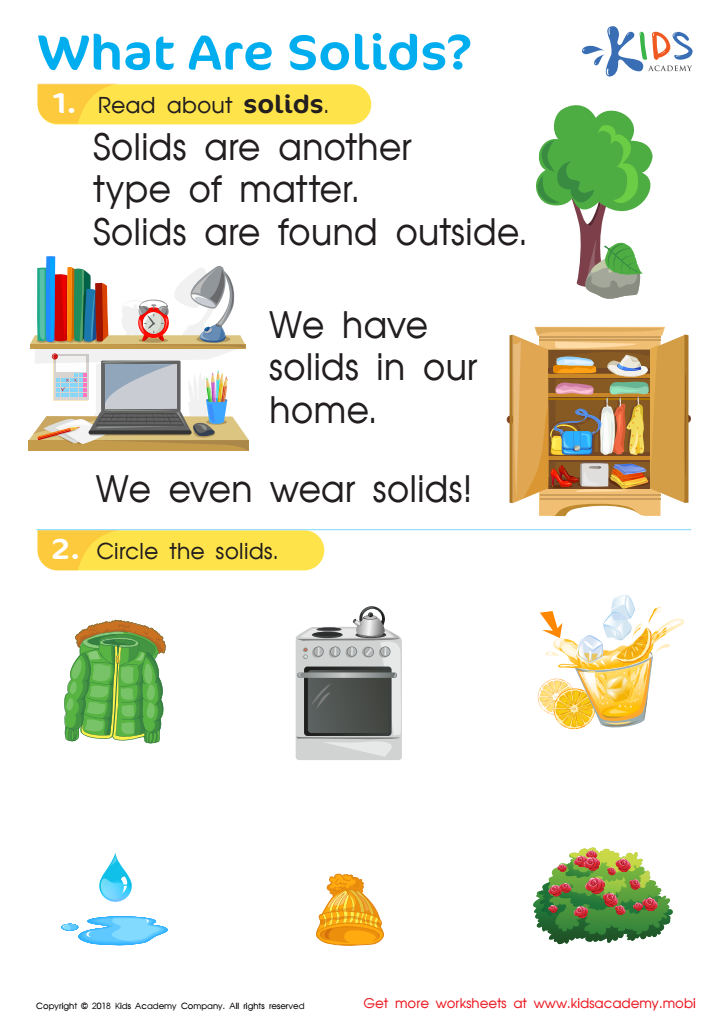
What Are Solids? Worksheet
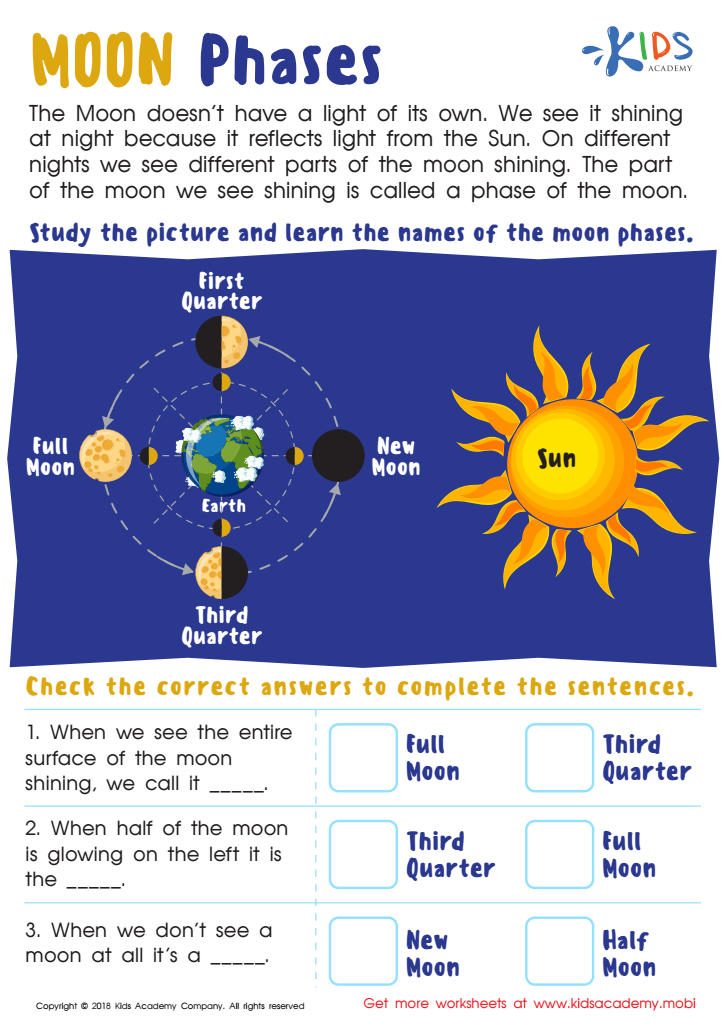
Moon Phases Worksheet
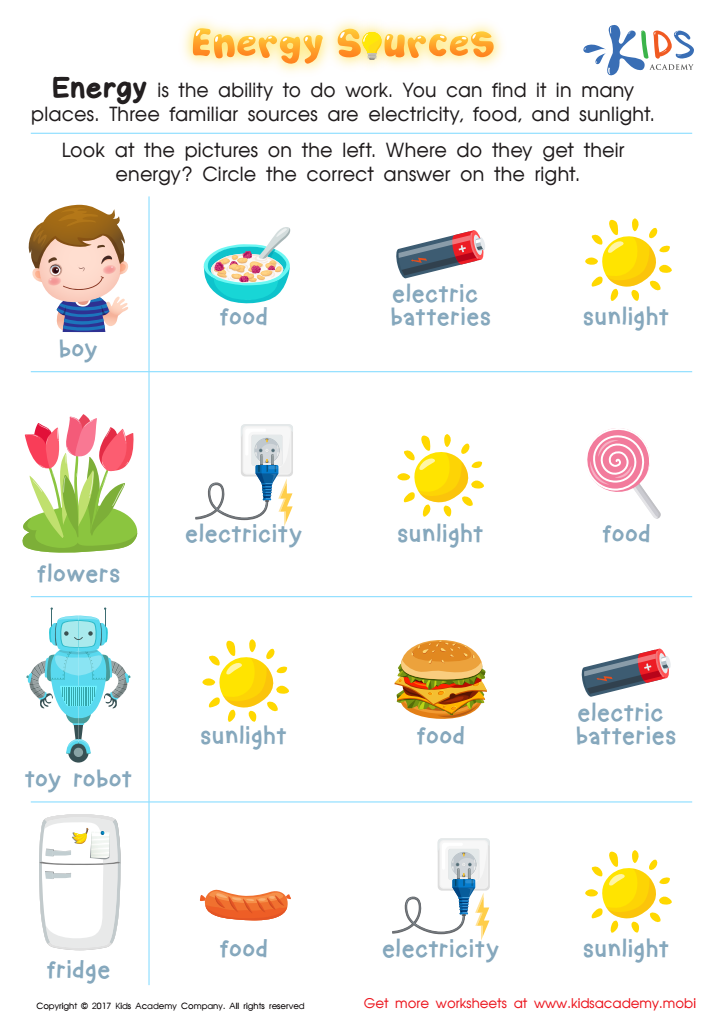
Energy Sources Printable


.jpg)




Knowledge application in science for children aged 7-8 is crucial for several reasons. At this age, children are naturally curious and eager to explore the world around them. By focusing on knowledge application, educators and parents can nurture this curiosity through hands-on experiences that strengthen critical thinking and problem-solving skills.
Encouraging children to actively apply scientific concepts helps them understand how their learning connects to real-life situations. This practical approach fosters a love for science and stimulates a desire to learn more, laying the foundation for lifelong inquiry.
Moreover, knowledge application integrates various skills, including collaboration, communication, and creativity, as children often work in groups, share ideas, and design experiments. Such interactions promote social skills and improve their ability to articulate complex thoughts clearly.
Finally, in an increasingly technological world, fostering a strong foundation in science strengthens children’s competencies for future academic challenges and career opportunities. Essentially, nurturing knowledge application in science helps shape well-rounded individuals who are equipped to succeed and innovate in an ever-evolving environment. Parents and teachers play a pivotal role in this developmental process, emphasizing the importance of being engaged and proactive in supporting children’s scientific explorations.







