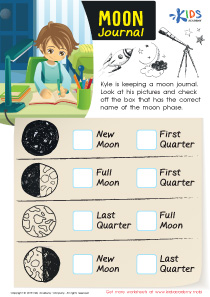
Understanding life cycles Life Science Worksheets for Ages 7-8
3 filtered results
-
From - To
Explore our engaging "Understanding Life Cycles" worksheets designed for children ages 7-8! These exceptional life science resources help young learners grasp the fascinating processes of growth and development in various organisms. Through colorful visuals and interactive activities, students will dive deep into life cycles, from the transformation of butterflies to the stages of plants. Each worksheet promotes critical thinking and reinforces essential scientific concepts, making learning fun and effective. Perfect for classroom use or at-home education, our worksheets cater to different learning styles and encourage exploration of the natural world. Join us in nurturing curiosity and a love for science today!
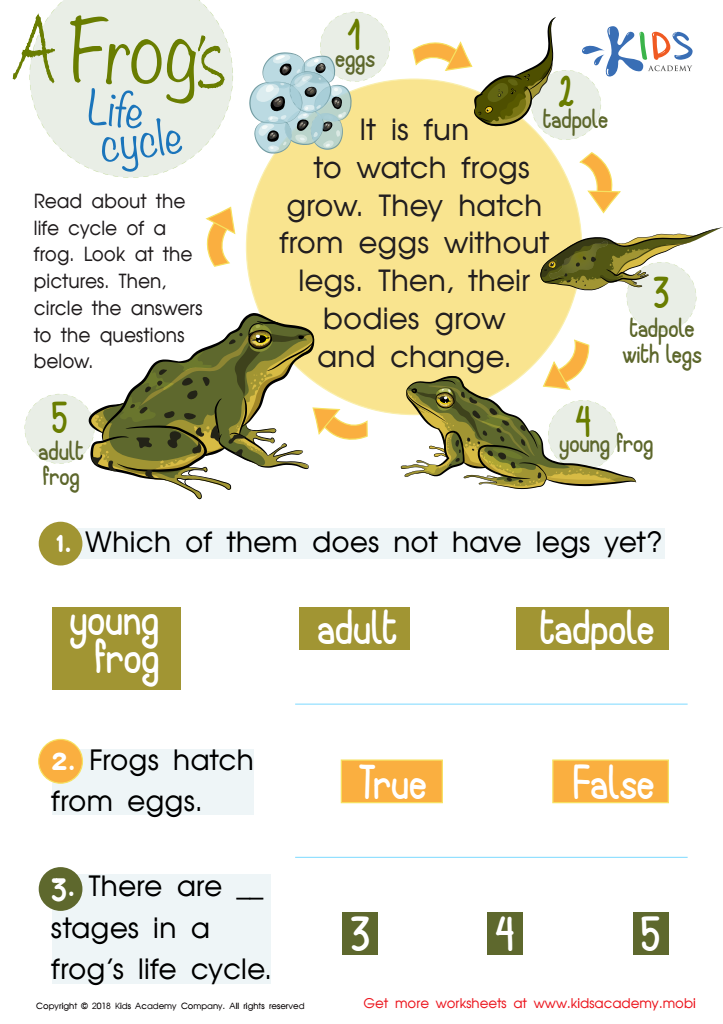
A Frog’s Life Cycle Worksheet
 Assign to My Students
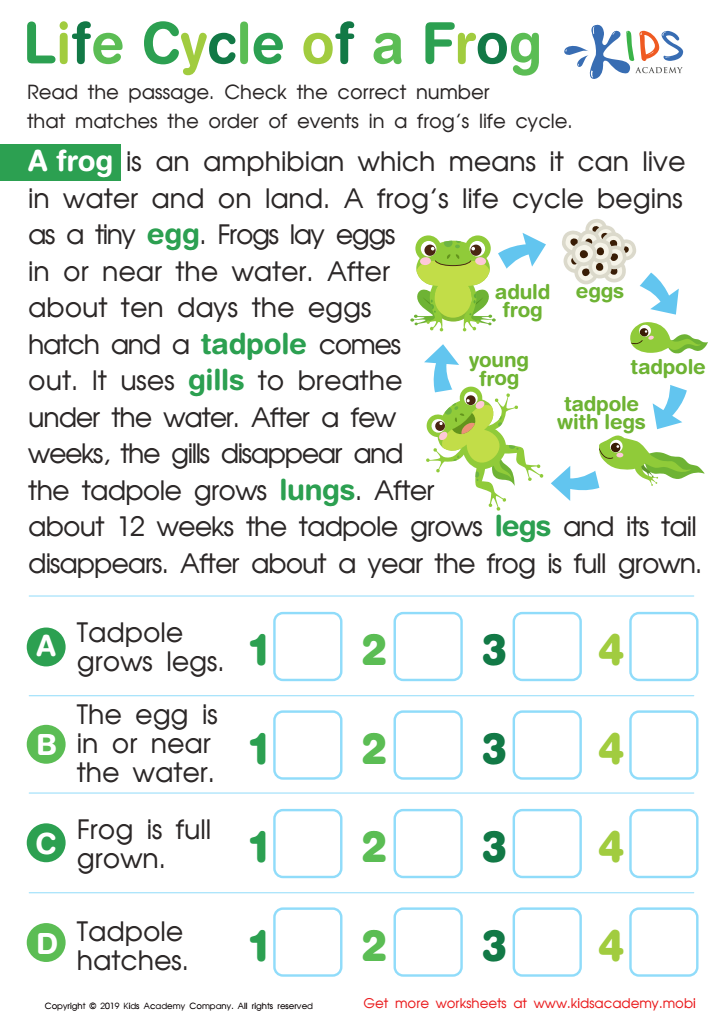
Life Cycle of a Frog Worksheet
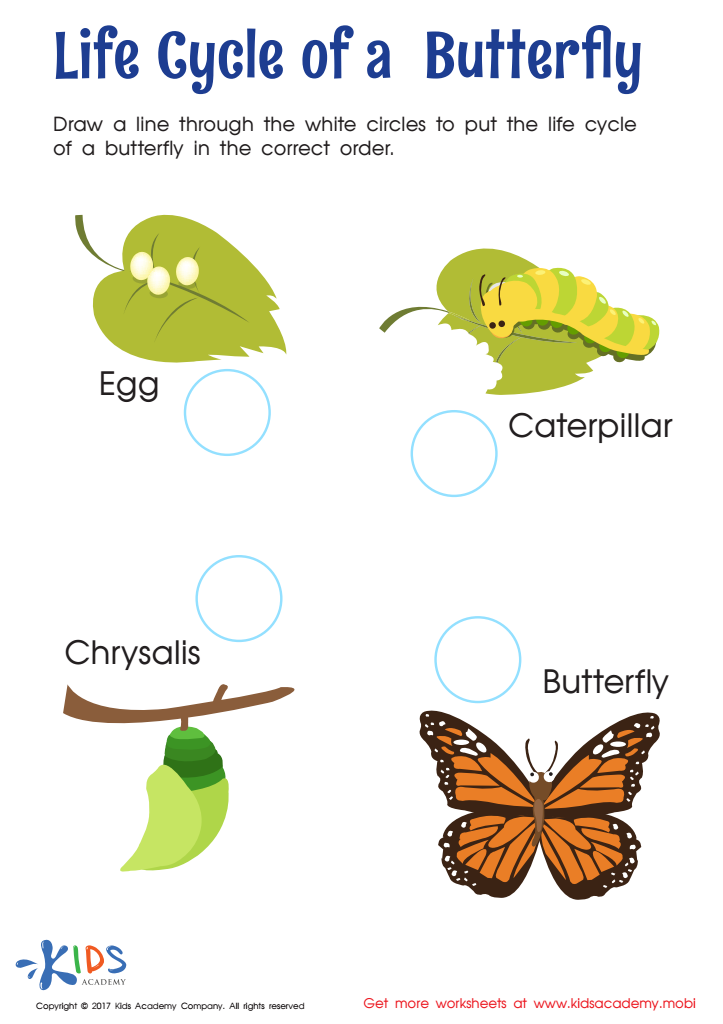
Life Cycle of Butterfly Worksheet






Understanding life cycles is essential for young learners, particularly those aged 7-8, as it forms a foundational concept in life science that shapes their appreciation of the natural world. At this developmental stage, children are naturally curious about how living organisms grow and change. Teaching them about life cycles promotes critical thinking, observation skills, and an understanding of ecology and biodiversity.
Moreover, learning about life cycles helps children connect with various species, fostering empathy and respect for all living things. It highlights the importance of environmental stewardship, guiding them to recognize how their actions can impact ecosystems. Additionally, discussions around life cycles can lead to meaningful conversations about sustainability, encouraging children to think about conservation from an early age.
Incorporating life science studies into the curriculum also aligns with standards in education, engaging students actively through hands-on activities, such as observing the life cycles of butterflies or plants. This experiential learning shifts abstract concepts into tangible experiences, ensuring that students grasp core biological principles.
Ultimately, a solid understanding of life cycles lays the groundwork for scientific literacy, preparing children to become informed citizens who appreciate and care for the environment. Caring about life cycles shapes their intellectual development and ethical character.