Historical Knowledge Governance and Civics Worksheets for Ages 7-8
5 filtered results
-
From - To
Welcome to our Historical Knowledge Governance and Civics Worksheets for Ages 7-8! This collection of engaging worksheets is designed to ignite young learners' curiosity about history, governance, and civic responsibility. Tailored specifically for children aged 7 to 8, these resources encourage critical thinking and enhance understanding of key concepts in historical knowledge and civics. Through fun activities and interactive challenges, students will explore the foundations of governance, the role of citizens, and the importance of democracy. Perfect for both classrooms and home study, these worksheets promise to make learning about history and civics an enjoyable adventure for little scholars!
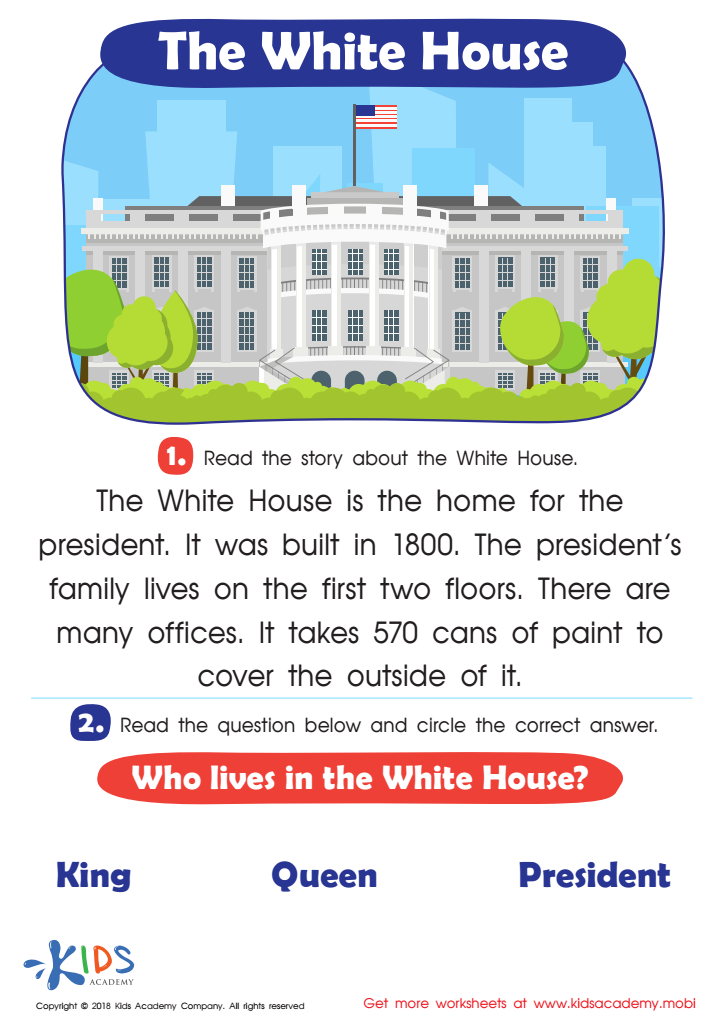
White House Worksheet
 Assign to My Students
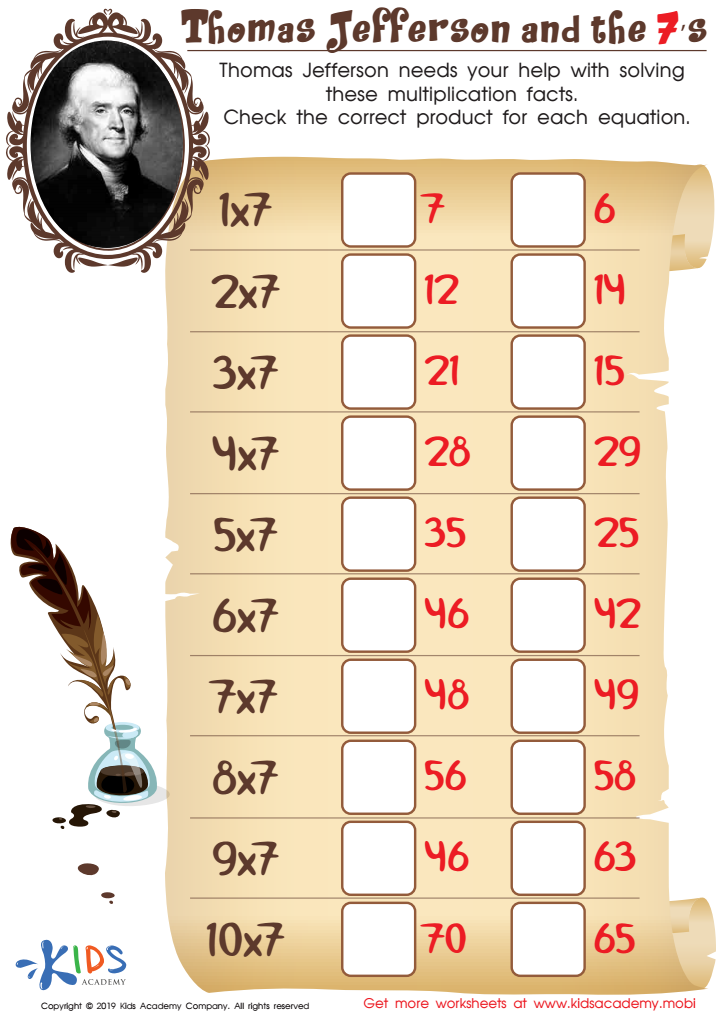
Thomas Jefferson and the 7’s Worksheet
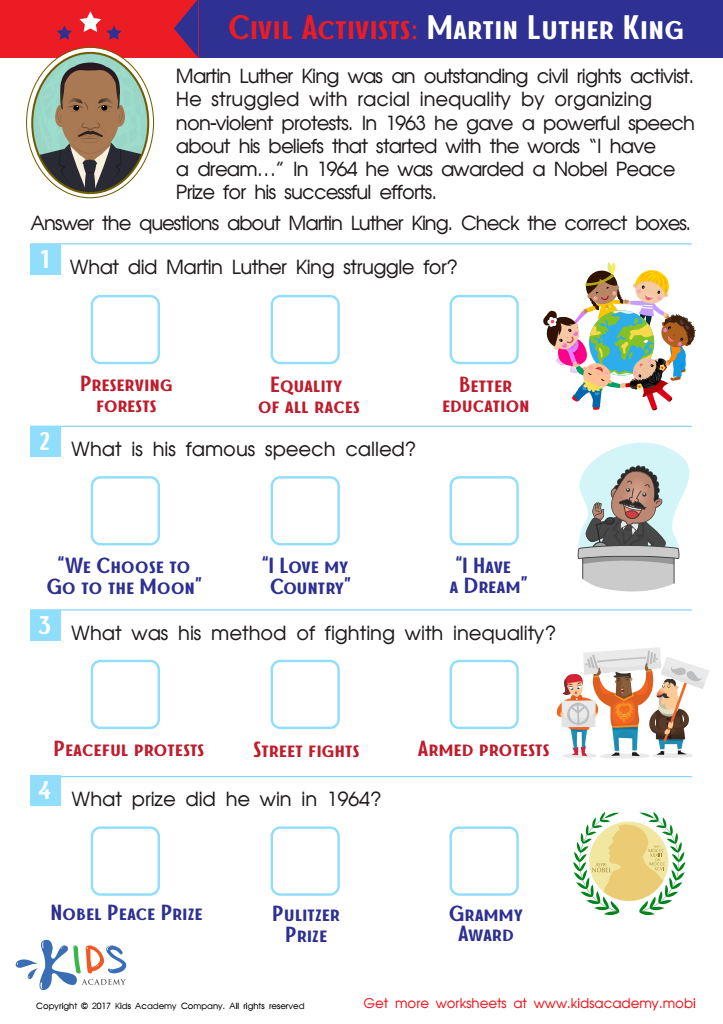
Martin Luther King Worksheet
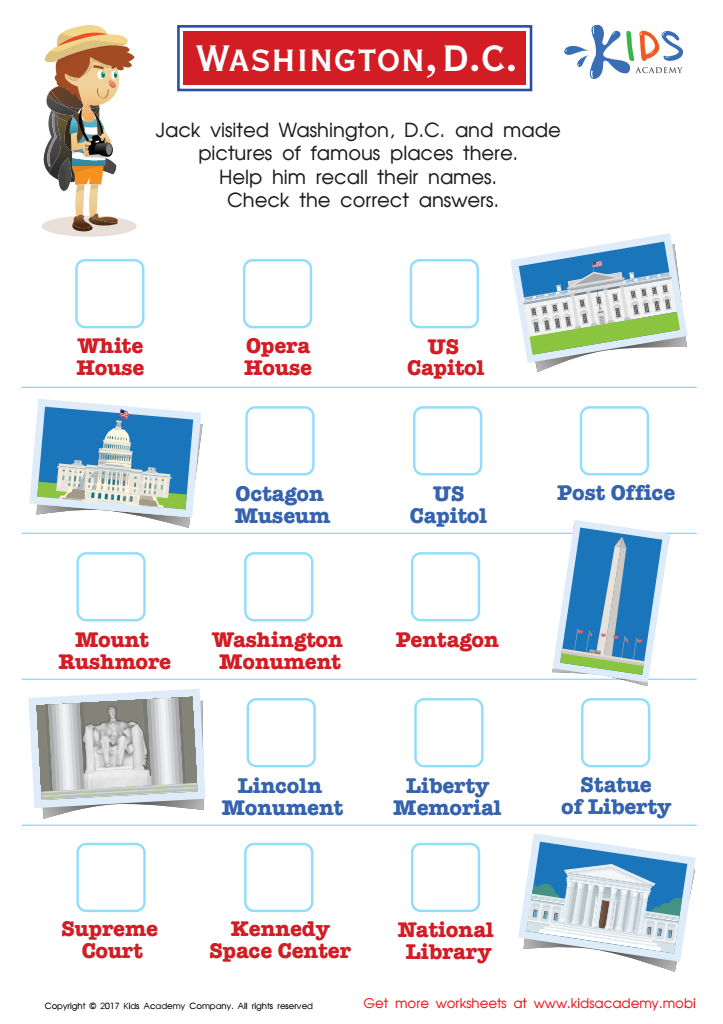
Washington D.C. Printable Worksheet
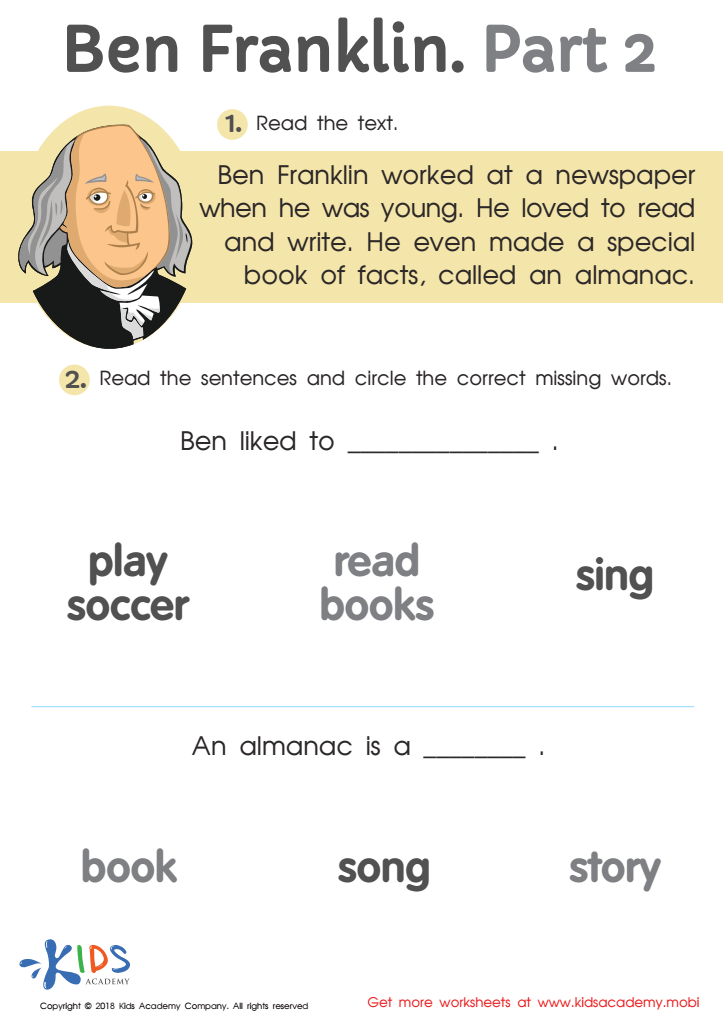
Ben Franklin Part 2 Worksheet


Teaching Historical Knowledge, Governance, and Civics to children aged 7-8 is vital as it lays the foundation for informed, responsible citizenship. At this age, kids begin to understand their place in the world and the importance of community, so providing them with historical context helps spark curiosity about how societies function.
Grasping basic historical concepts fosters critical thinking skills. Educators can encourage students to ask questions about the past, such as the reasons behind various events or decisions, enhancing their analytical abilities. Understanding governance introduces children to essential civic values like fairness, justice, and cooperation, teaching them how laws and rules shape their lives.
Moreover, as kids form ideas about right and wrong, instilling a sense of history and civics helps them develop a strong moral compass. It enables them to appreciate diversity and understand perspectives different from their own. Understanding their rights and responsibilities as future citizens promotes social harmony while empowering children to voice their opinions and advocate for themselves and others.
Investing in historical knowledge and civics education cultivates engaged, conscientious individuals who are prepared to contribute positively to their communities and society at large. By valuing this education, parents and teachers equip children with essential skills for the future.