Word Recognition Governance and Civics Worksheets for Ages 7-8
3 filtered results
-
From - To
Discover engaging Word Recognition Governance and Civics Worksheets designed for children ages 7-8! These interactive resources help young learners build essential reading skills while exploring fundamental concepts of governance and civics. Our worksheets combine fun exercises that promote word recognition tied to key civic themes such as community roles, laws, and responsibilities. Perfect for classroom use or at-home learning, these materials encourage critical thinking and promote civic awareness among early learners. Whether it's fun vocabulary activities or contextual exercises, each worksheet aims to instill confidence and curiosity in understanding civic structures. Start your child's learning journey in governance and civics today!
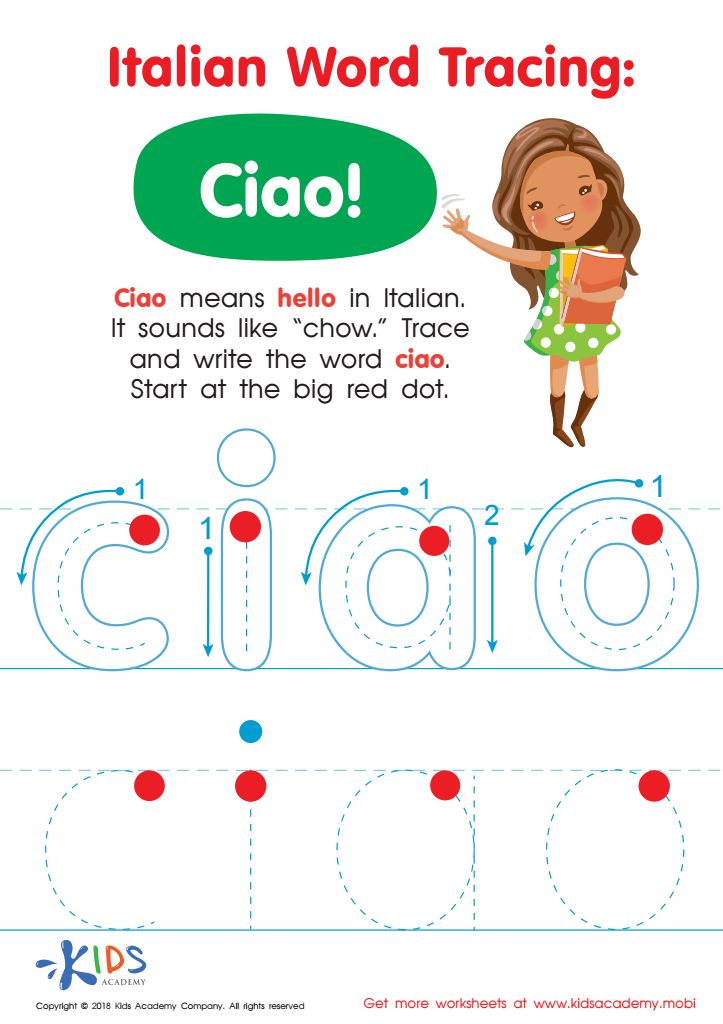
Italian Word Tracing: Ciao Worksheet
 Assign to My Students
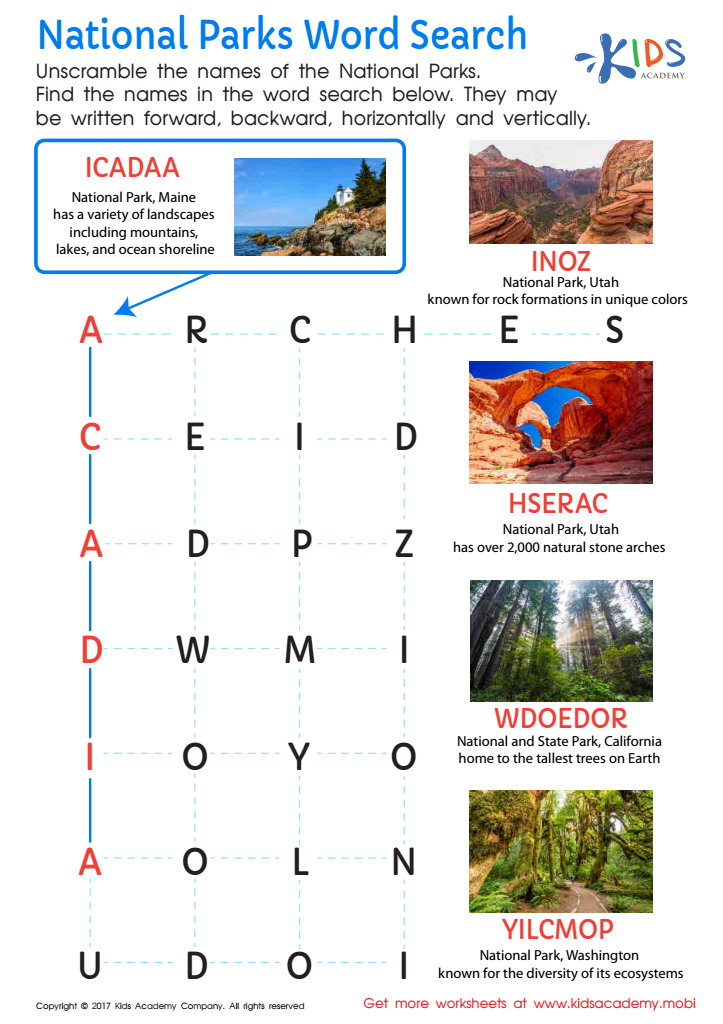
National Parks Word Search Worksheet
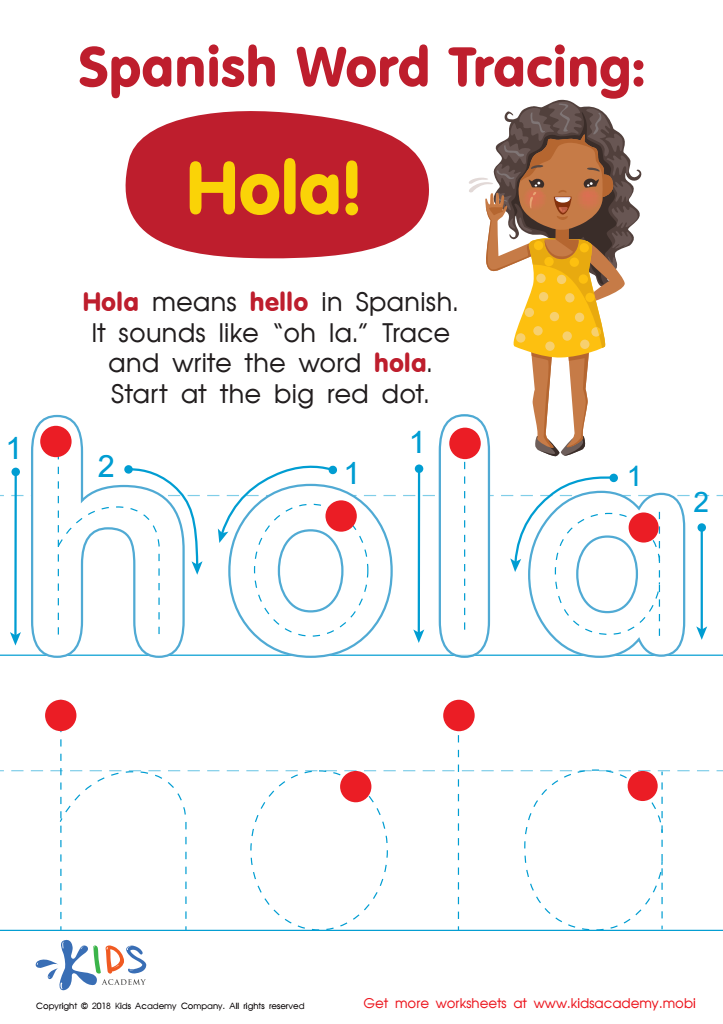
Spanish Word Tracing: Hola Worksheet


Word recognition, governance, and civics are vital components of education for children aged 7-8, as they lay the foundation for literacy and responsible citizenship. At this age, children are developing key reading skills, which enable them to decode and understand texts. Strong word recognition enhances their comprehension, encouraging a love for reading that cultivates lifelong learning.
Moreover, introducing governance and civics at an early age promotes awareness of their role in society. Children learn about community structures, rules, and the importance of participating in civic life. This early exposure fosters critical thinking, empathy, and an understanding of diversity, teaching them the value of cooperation, respect, and accountability.
Parents and teachers play a crucial role in nurturing these skills. They can model appropriate language use, discuss current events in culturally sensitive ways, and engage children in conversations about their rights and responsibilities. This engagement helps students become informed individuals who contribute positively to their communities.
In conclusion, by focusing on word recognition along with foundational governance and civics education, parents and teachers are preparing children not just as capable readers, but also as responsible, informed citizens who will make meaningful contributions to society in the future.








