
Color recognition Social Studies Worksheets for Ages 7-8
5 filtered results
Difficulty Level
Grade
Age
-
From - To
Subject
Activity
Standards
Enhance your child’s understanding of the world and improve their color recognition skills with our exciting Social Studies worksheets, tailored specifically for ages 7-8. Designed to make learning both educational and fun, these worksheets cover a variety of topics from geography to community roles, all while reinforcing the identification and application of colors. Neatly compiled by educational experts, each activity encourages critical thinking, creativity, and engagement. Perfect for classroom use or homeschooling, our worksheets ensure that children gain a multi-faceted learning experience while mastering their color recognition abilities. Transform learning into an enjoyable adventure today!
Favorites
With answer key
Interactive
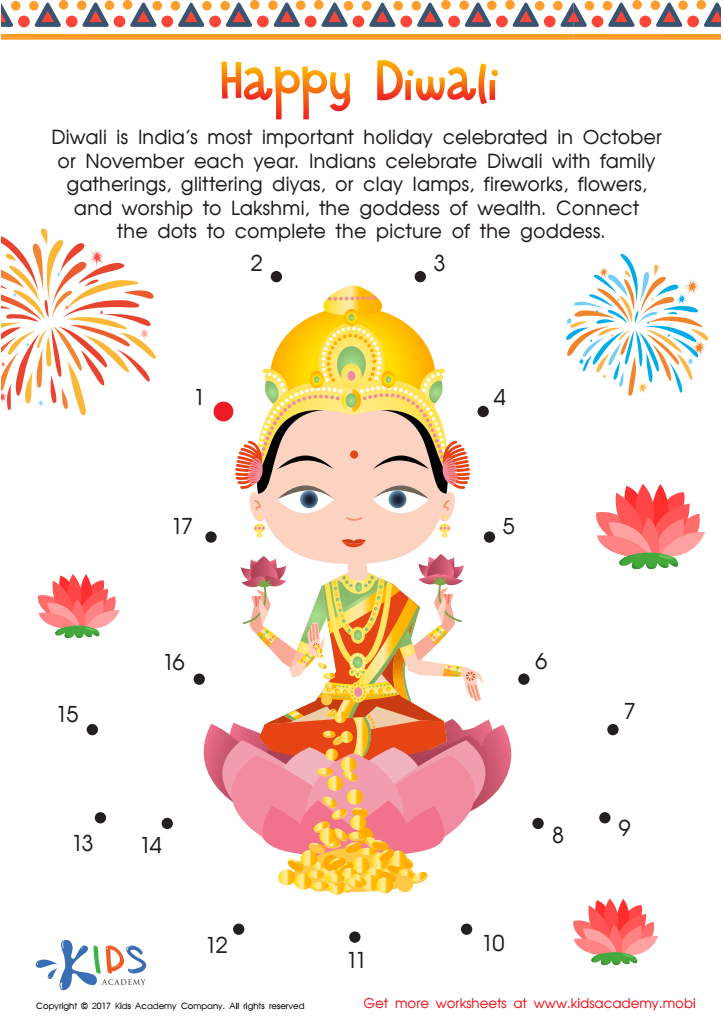
Happy Diwali Printable
Explore India this Diwali! Learn about India's most significant holiday, Diwali, with this fun-filled printable activity for kids. Your child can gain an appreciation for Indian culture with this Diwali dot to dot worksheet.
Happy Diwali Printable
Worksheet
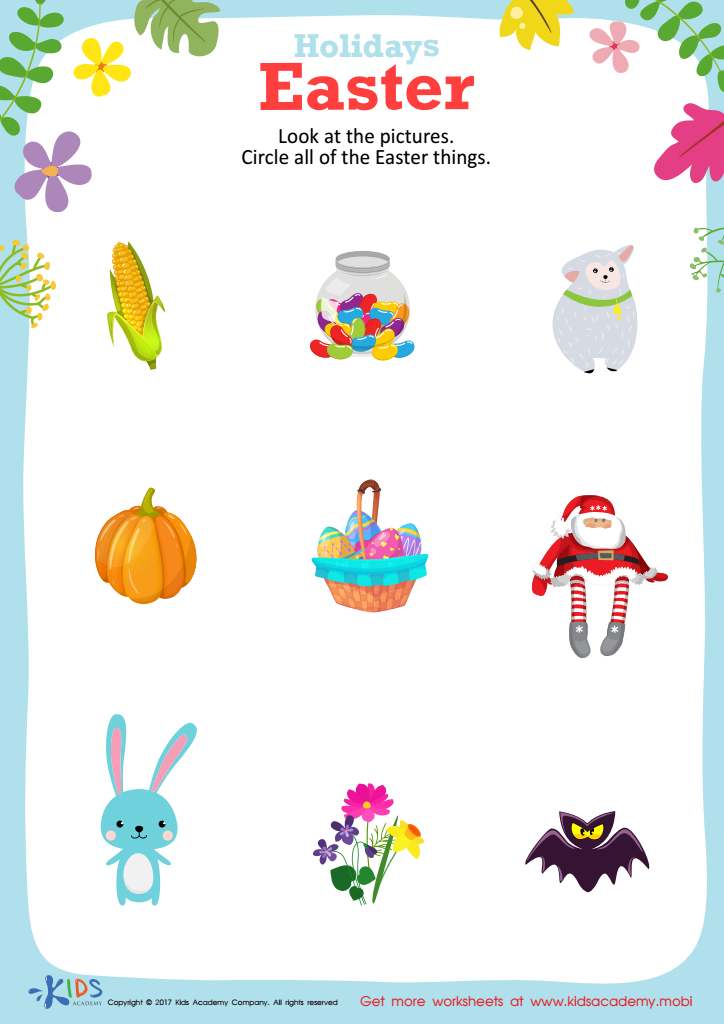
Easter Holiday Printable
This printable Easter worksheet helps your child identify symbols associated with the holiday. Pick out the pictures that usually signify Easter and your little one will gain an understanding of the holiday's meaning. With this free activity, springtime just got more exciting!
Easter Holiday Printable
Worksheet
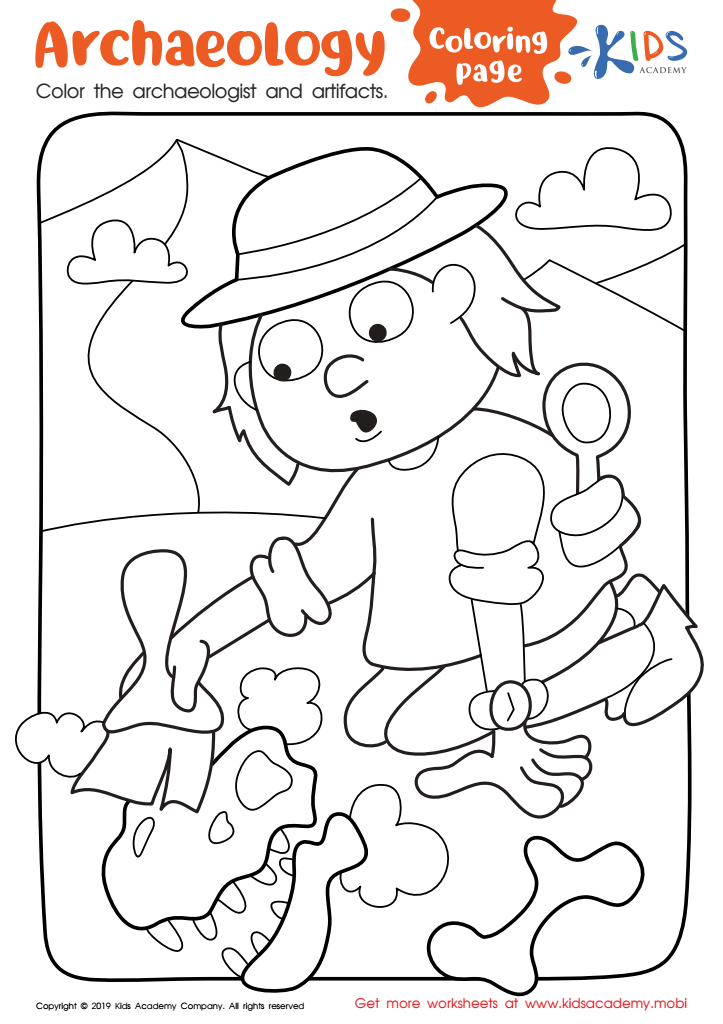
Archaelogy Coloring Page Worksheet
Colour and learn with this fun sheet! It's a great way for kids to find out what archeologists do; from digging for artifacts, to learning about their tools, to discovering what makes something an artifact. They'll have a blast while learning about history, honing their creativity and imagination.
Download (PDF)
 Assign to My Students
Assign to My Students
Archaelogy Coloring Page Worksheet
Worksheet
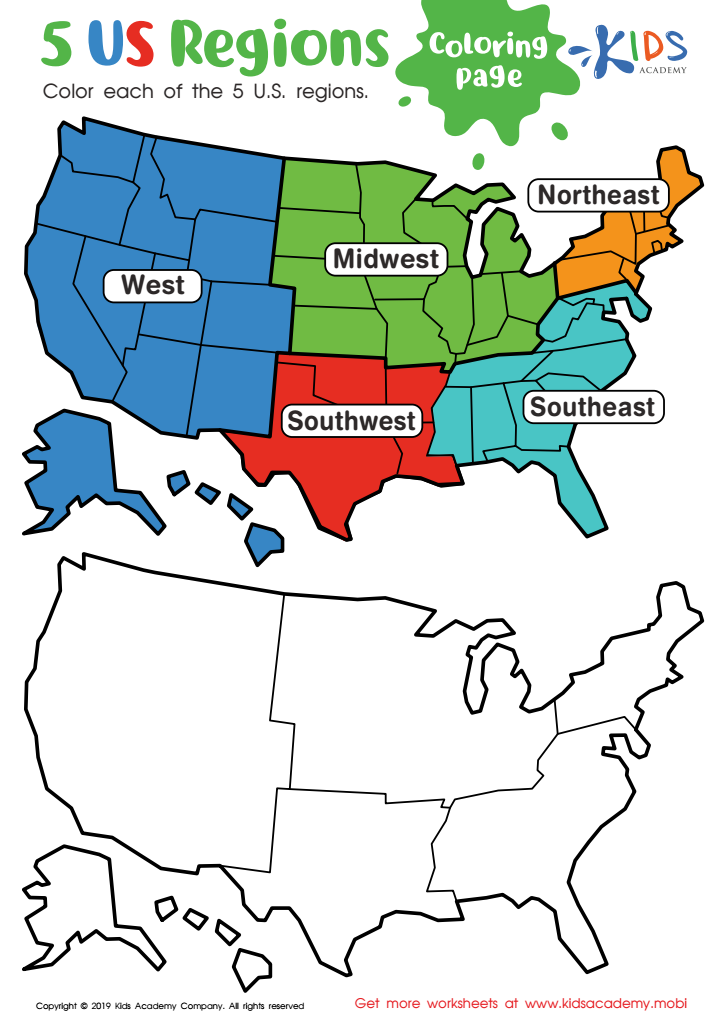
US Regions Coloring Page Worksheet
Our great nation is split into five distinct regions: Southeast, Southwest, West, Midwest, and Northeast. Each is known for its own special offerings and states. Let your kids have fun learning about the regions with a coloring activity! It's a great way for them to understand where each region stands on the map.
Download (PDF)
Assign to My Students
Assign to My Students
US Regions Coloring Page Worksheet
Worksheet
Join Kids Academy for Free
Who is primarily going to use this learning content?







Color recognition in social studies for children ages 7-8 is crucial on multiple fronts. Firstly, it enhances cognitive development by helping children categorize and differentiate information visually. This basic skill is fundamental as kids learn more complex ideas; for instance, understanding flags, maps, and cultural symbols all involve recognizing and interpreting colors.
Additionally, color recognition is linked with language development. As children learn to describe and discuss colors and associate them with particular items like national flags or historical artifacts, they expand their vocabulary and improve descriptive language skills.
Teaching color recognition within social studies also plays a role in fostering inclusivity and cultural awareness. Different cultures use colors symbolically, and learning about these can open a dialogue about diversity and respect for different traditions and perspectives.
Moreover, educators and parents can make learning more engaging and meaningful by including colorful visuals and interactive elements in their lessons. Colors enliven educational materials and can grab the attention and interest of young learners, making lessons more memorable and enjoyable.
Overall, paying attention to color recognition in social studies not only aids academic skills such as memory and critical thinking but also nurtures social and emotional growth, preparing children for a more inclusive and colorful world.








