Capitalization rules Capitalization Worksheets for Ages 7-8
3 filtered results
-
From - To
Explore our engaging "Capitalization Rules Worksheets" designed specifically for children aged 7-8. These worksheets help young learners master essential capitalization skills essential for effective writing. Students will discover rules for capitalizing the first word in sentences, proper nouns, and titles through fun, interactive activities tailored to their learning level. With colorful illustrations and clear instructions, our worksheets make learning enjoyable and effective. Perfect for classroom use or homework, these resources reinforce understanding and confidence in writing. Encourage your child to express their thoughts with proper punctuation by utilizing our Capitalization Rules Worksheets – an essential tool for early writers!
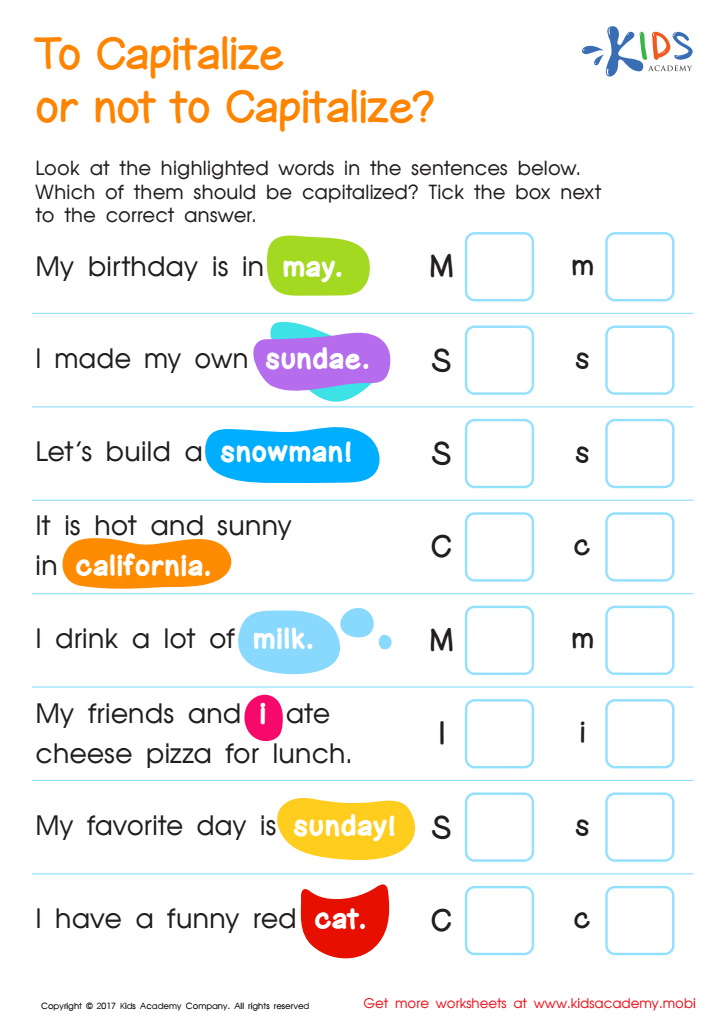
Capitalization: To Capitalize or Not? Printable
 Assign to My Students
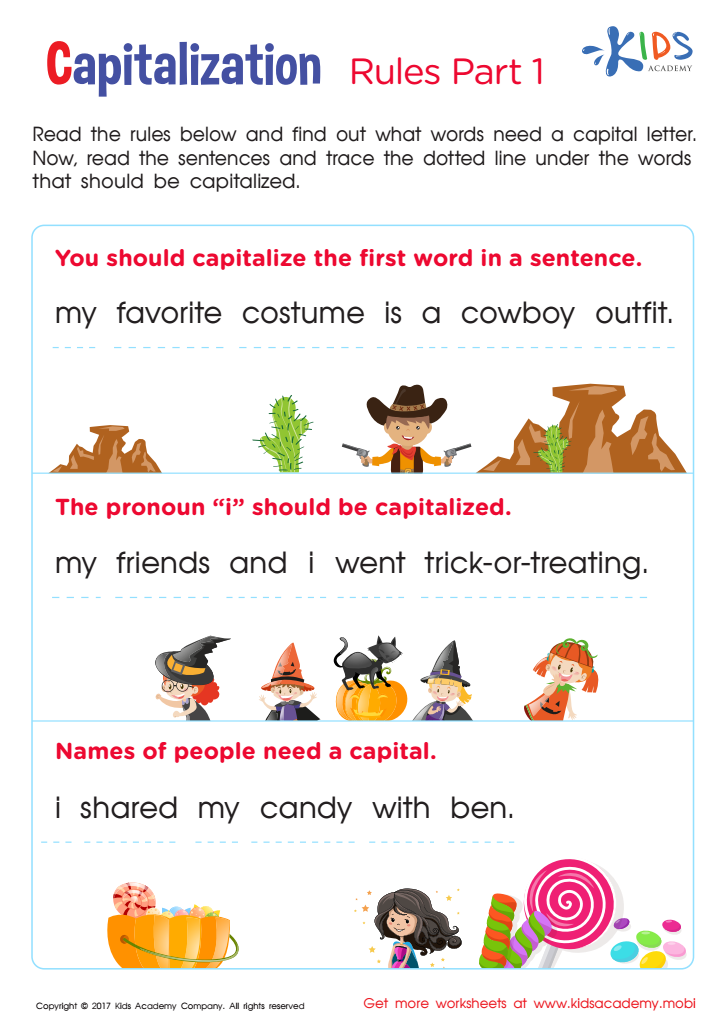
Capitalization Rules: Part 1 Worksheet
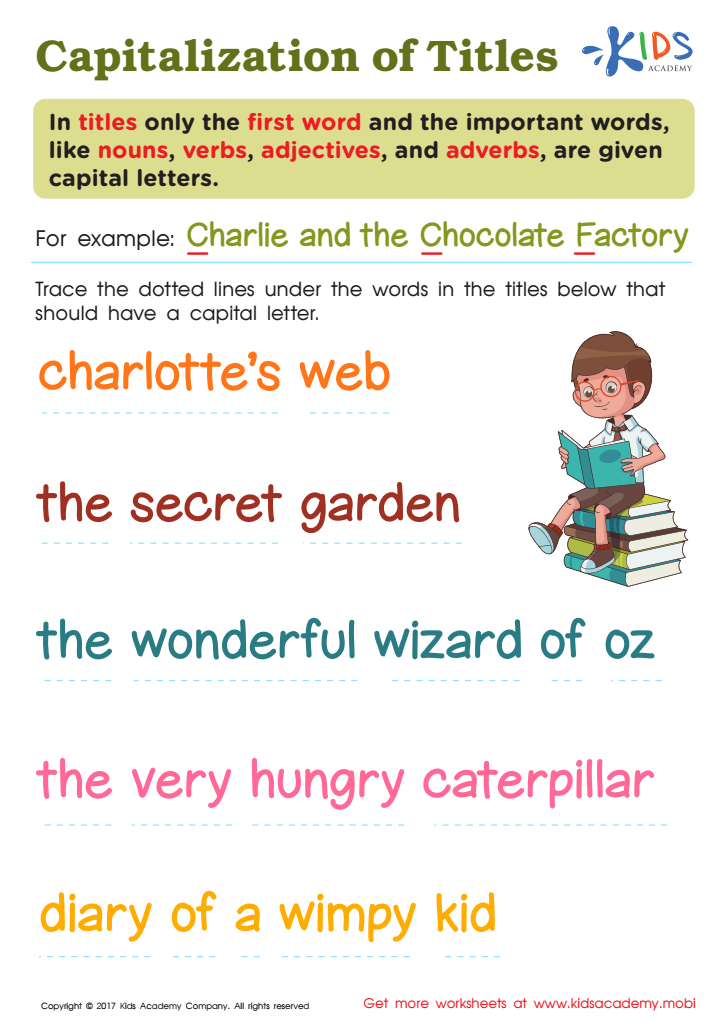
Capitalization of Titles Worksheet


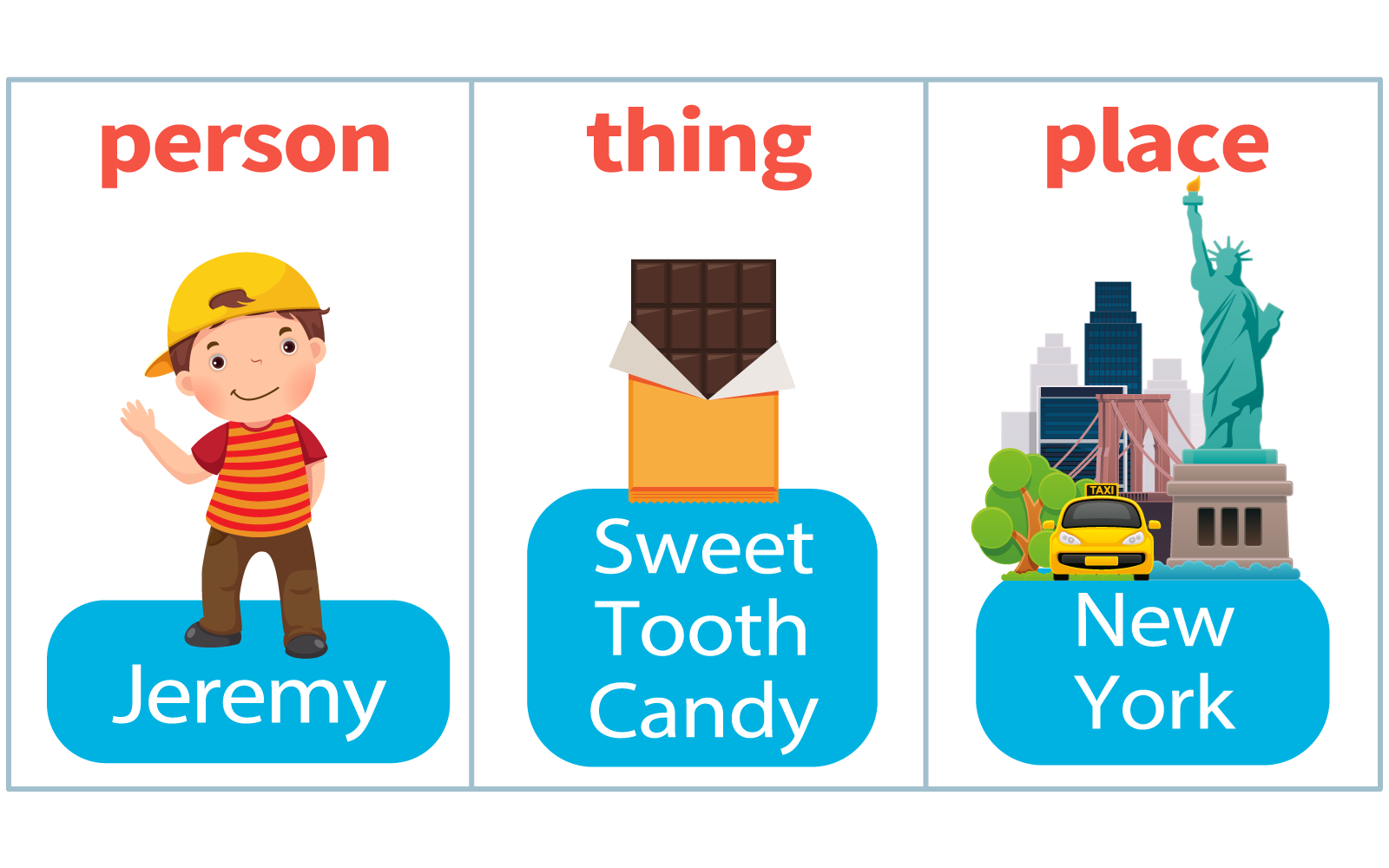




Capitalization rules are essential for young learners, as they form the foundation for clear and effective communication. When children aged 7-8 understand and correctly apply capitalization, it enhances their reading comprehension and writing skills. Capital letters signify the beginning of sentences, state names, and important titles, helping readers recognize structure and meaning in texts. By mastering these rules, children can learn to express their thoughts more clearly and with greater confidence.
Moreover, teaching capitalization promotes a sense of discipline and attention to detail. These skills are not only crucial in literacy but are transferable to other subjects, such as math and science, where precise notation matters. Attention to capitalization also fosters a sense of professionalism and care in students’ work, which is an important early habit.
For parents and teachers, emphasizing capitalization is not just about grammar; it's about instilling the lifelong skills of organization and clarity in expression. This critical building block in language arts helps children navigate academic challenges more effectively, setting the stage for future success. Ultimately, encouraging proper capitalization endeavors equips children with the tools they need to communicate confidently in various contexts, ensuring they are heard and understood.








