Phonics recognition Writing Worksheets for Ages 7-8
5 filtered results
-
From - To
Enhance your child's reading and writing skills with our Phonics Recognition Writing Worksheets for ages 7-8. These expertly designed resources help students master phonics through engaging activities, promoting better understanding of letter sounds, word formation, and sentence construction. Kids will enjoy fun, interactive exercises that focus on reading comprehension and spelling, ultimately boosting their confidence in writing. Perfect for classroom or at-home learning, these printables are ideal for helping young learners transition from simple decoding to fluent reading and writing. Unlock your child's potential with our well-structured and enjoyable phonics worksheets!
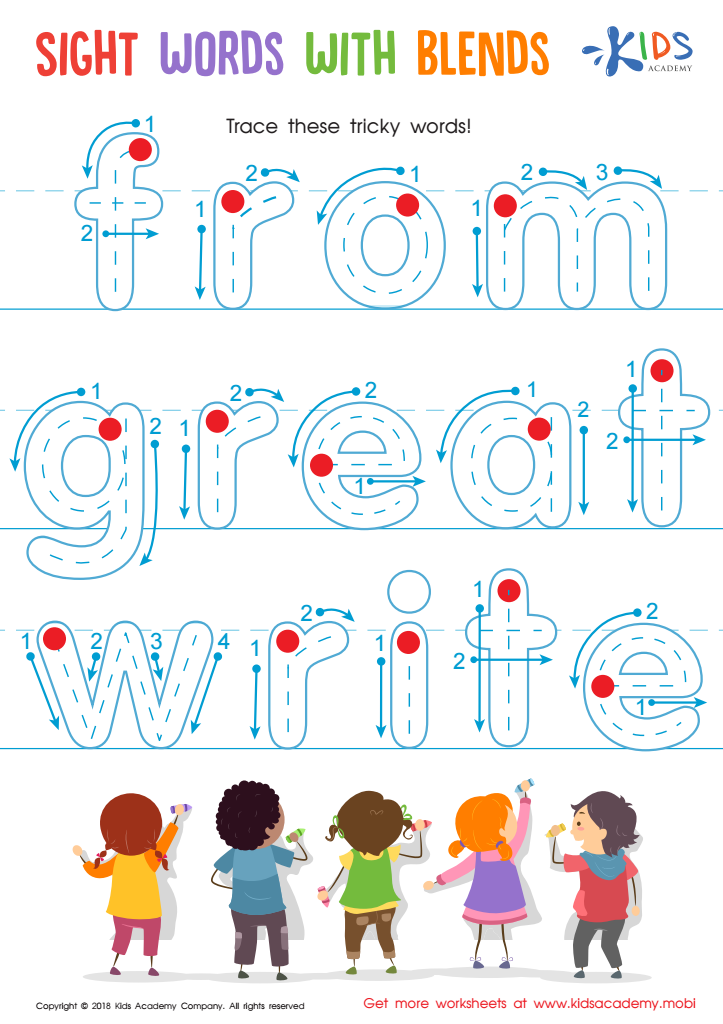
Sight Words with Blends Worksheet
 Assign to My Students
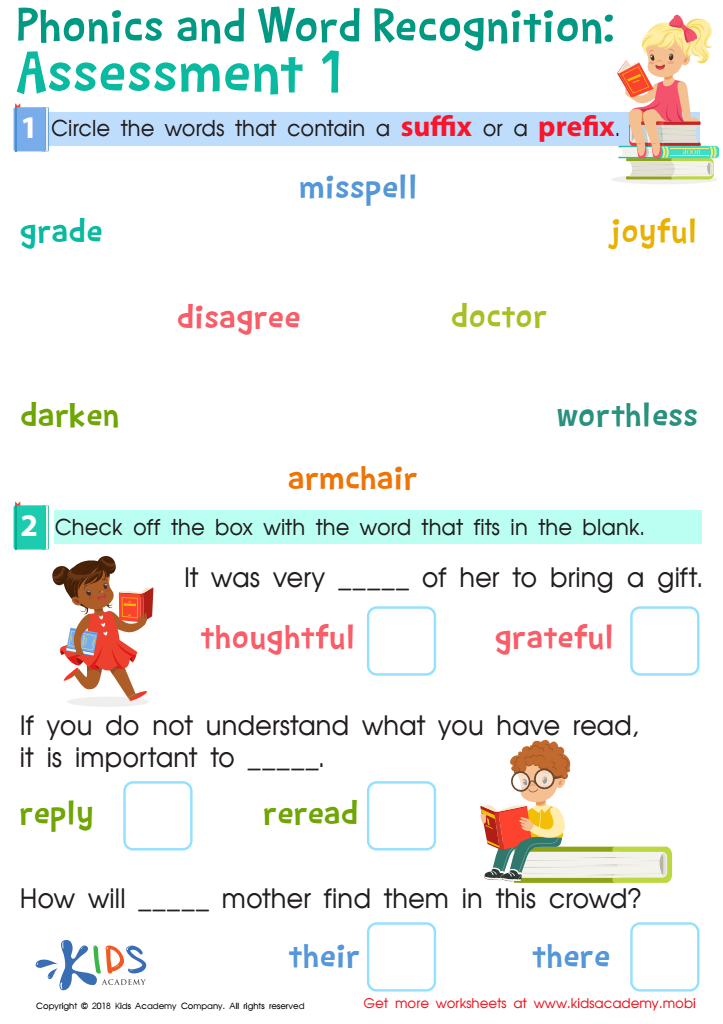
Phonics and Word Recognition: Assessment 1 Worksheet
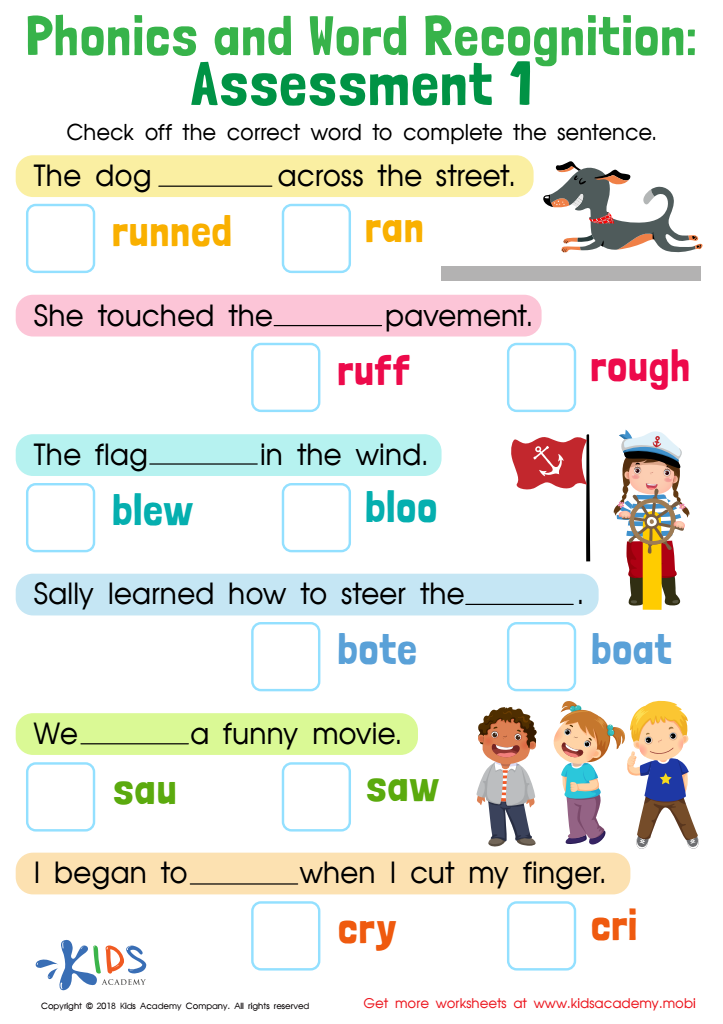
Phonics and Word Recognition: Assessment 1 Worksheet
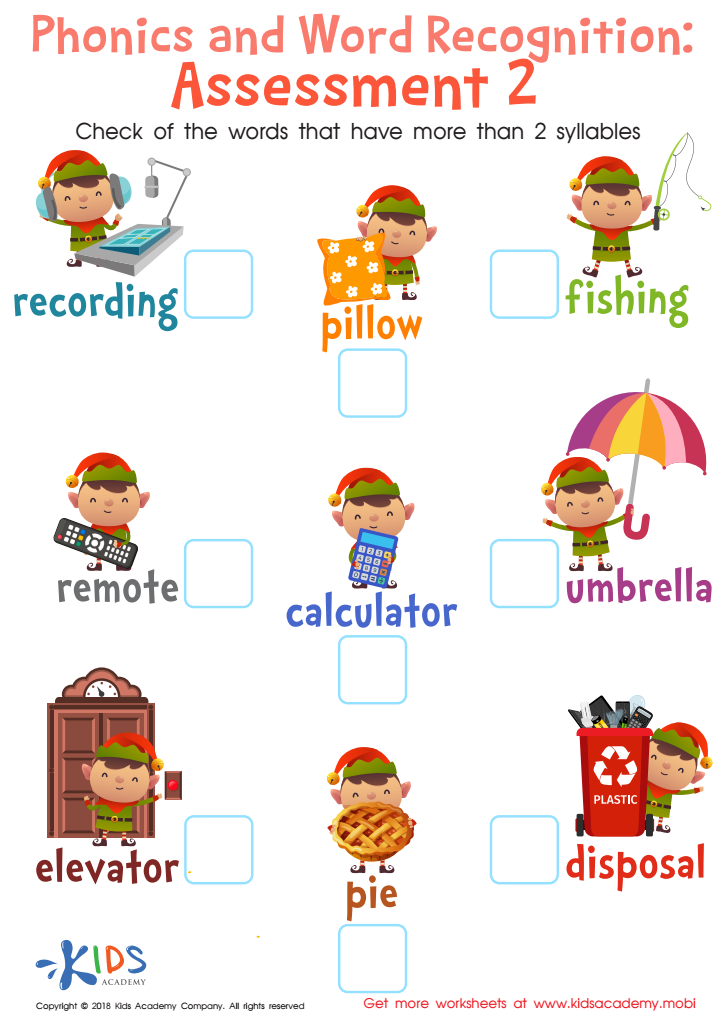
Phonics and Word Recognition: Assessment 2 Worksheet
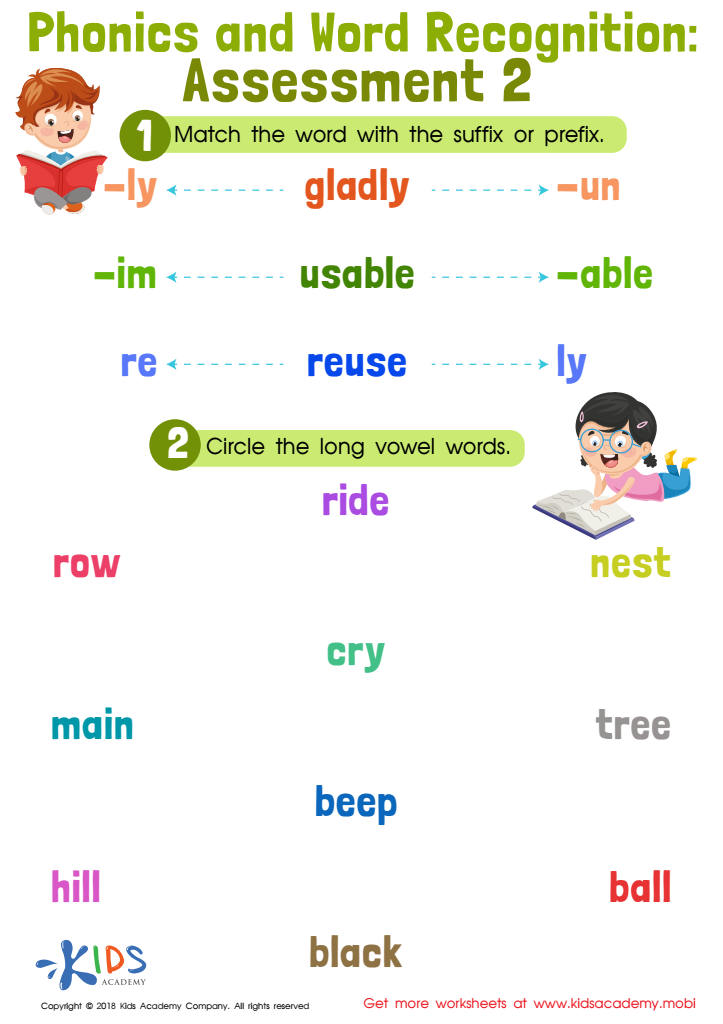
Phonics and Word Recognition: Assessment 2







Phonics recognition in writing for children aged 7-8 is crucial because it lays a strong foundation for reading and writing proficiency. During this critical developmental stage, children transition from learning to read to reading to learn. Phonics helps them understand the relationship between letters and sounds, enabling them to decode new words and become more independent readers.
For parents and teachers, investing time in phonics instruction has far-reaching benefits. Firstly, it boosts children’s confidence and motivation to explore new texts, fostering a love for reading. Consistent phonics practice enhances spelling and grammar skills, which are essential for writing clarity and coherence. As children grasp phonics concepts, they apply these principles to write words correctly, accelerating their overall literacy development.
Moreover, phonics recognition supports vocabulary growth. As children learn to decode and read more complex words, they naturally broaden their vocabulary, enriching their capacity for comprehension and expression. Early proficiency in phonics is also predictive of future academic success, influencing performance in various subjects that require solid reading and writing skills.
Therefore, parents and teachers should prioritize phonics recognition to empower children with essential tools for effective communication, bolster academic achievement, and nurture lifelong learners with strong literacy capabilities.








