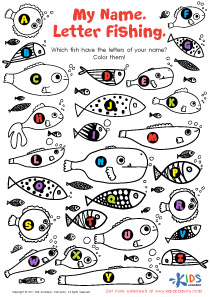
Alphabet tracing ABC Order Worksheets for Ages 7-9
6 filtered results
-
From - To
Discover our engaging Alphabet Tracing ABC Order Worksheets designed specifically for children aged 7-9! These worksheets support early literacy development by enhancing handwriting skills and alphabet recognition through fun tracing activities. Kids will learn to organize letters while completing interactive exercises that reinforce their understanding of alphabetical order. Ideal for teachers, parents, and homeschooling, these resources are perfect for promoting independent learning and improving fine motor skills. With colorful illustrations and enjoyable themes, children will be excited to practice their ABCs again and again. Download our printable worksheets today and watch your child's confidence in reading and writing flourish!
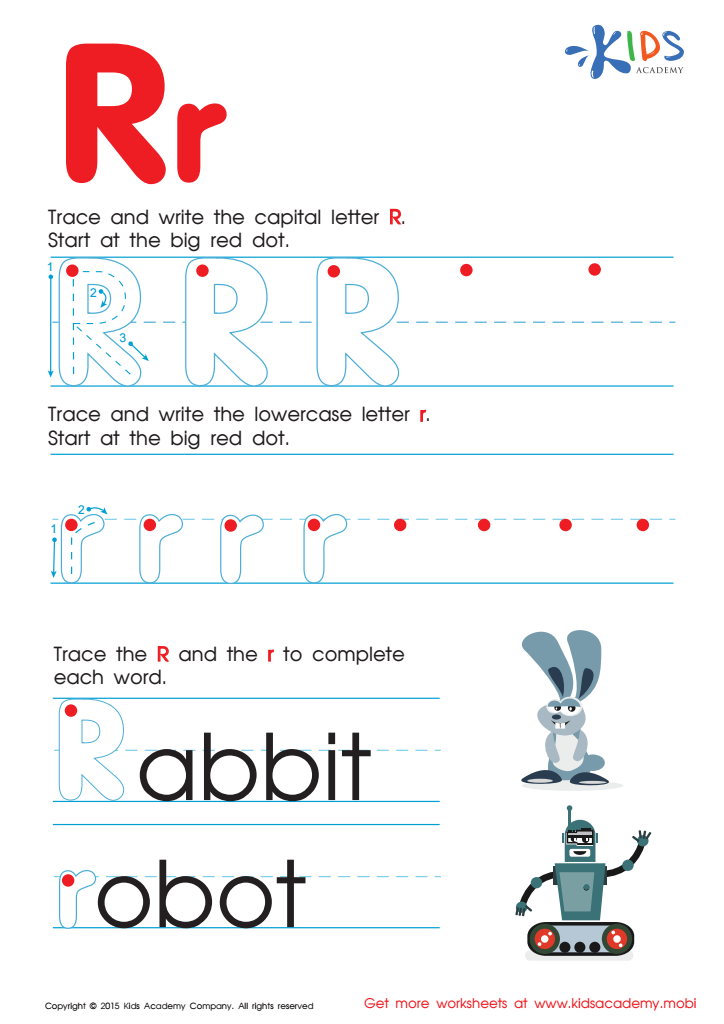
Letter R Tracing Page
 Assign to My Students








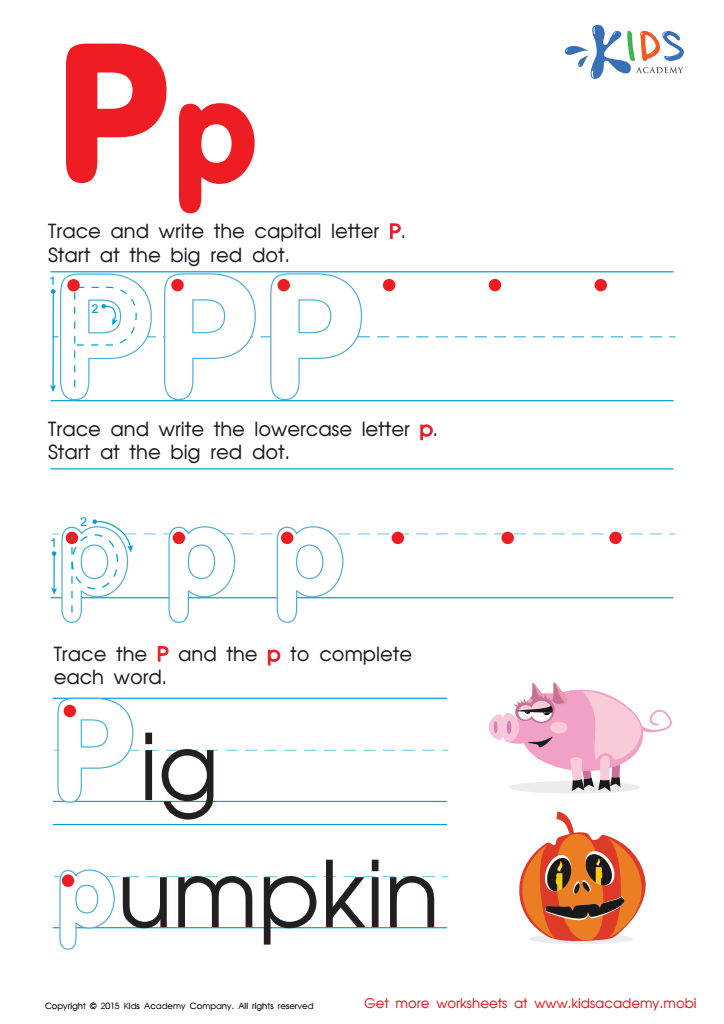
Letter P Tracing Page
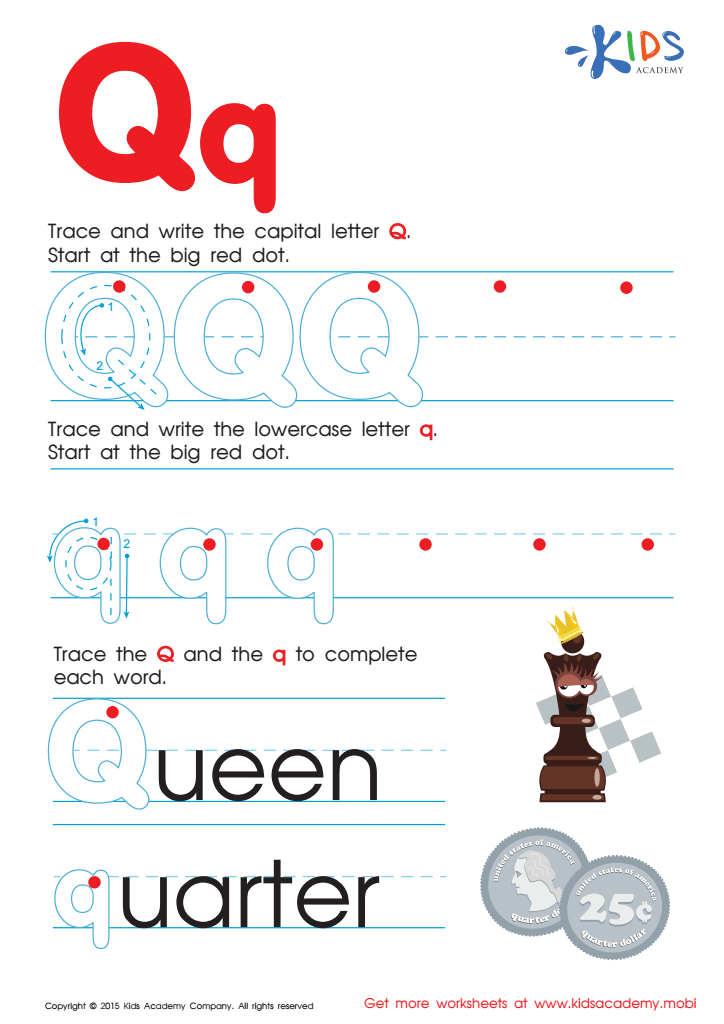
Letter Q Tracing Page

Letter H Tracing Page
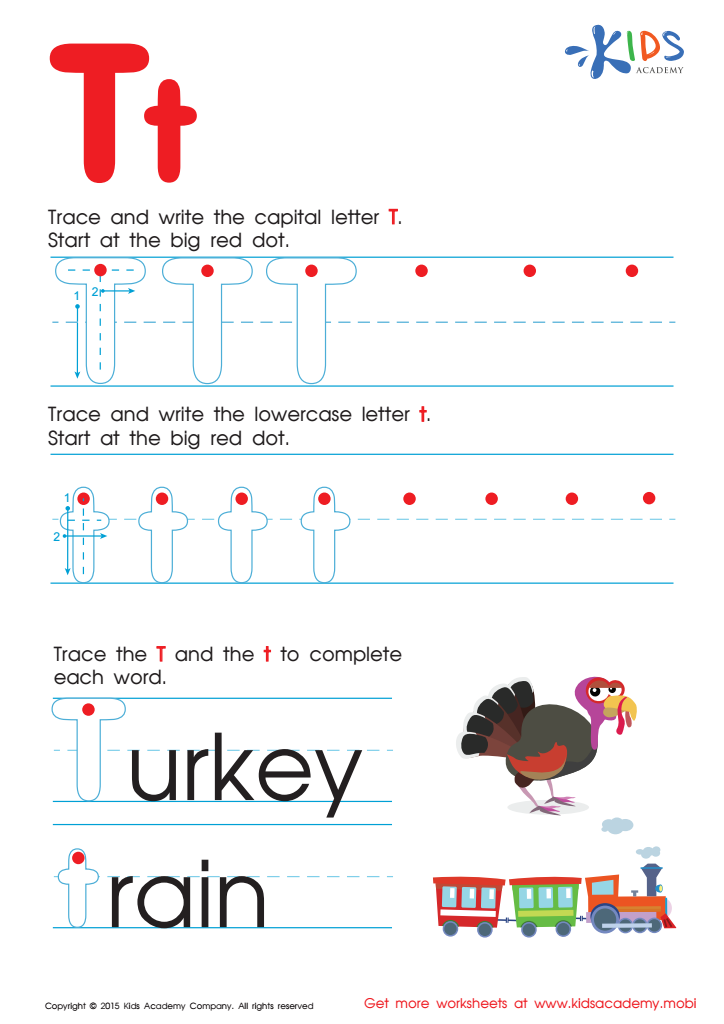
Letter T Tracing Page
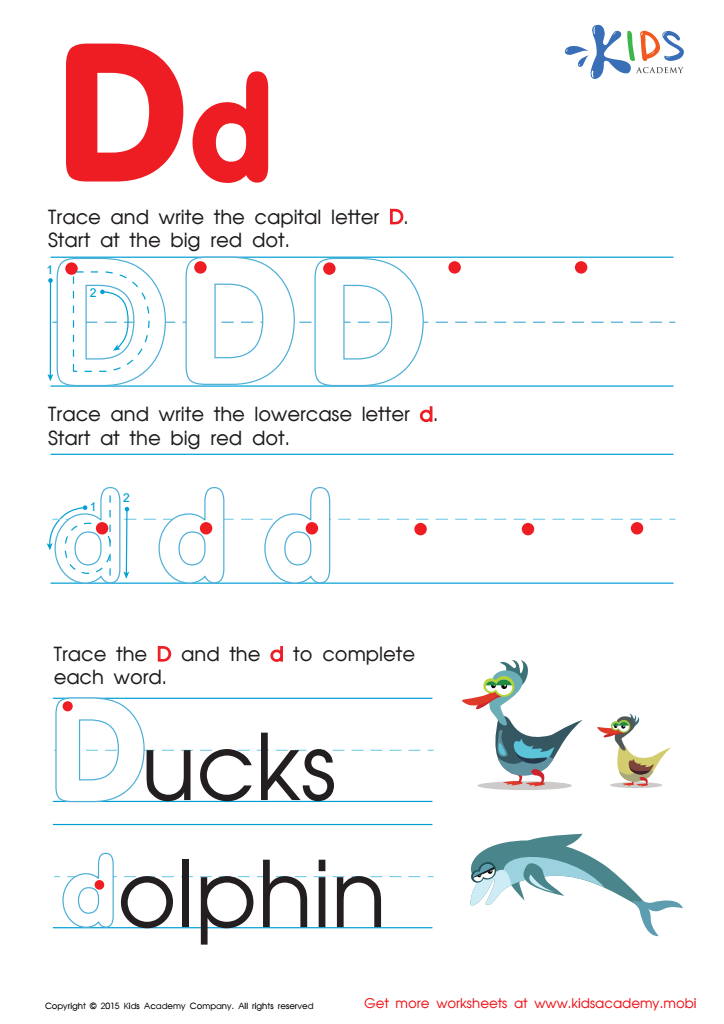
Letter D Tracing Page







Alphabet tracing in ABC order is crucial for children aged 7-9 as it enhances their literacy skills, aids in cognitive development, and cultivates fine motor skills. At this age, children begin to grasp the nuances of language and reading; tracing the alphabet solidifies their understanding of letter shapes and sounds, which are foundational to reading proficiency.
Engaging students in Alphabet tracing helps to reinforce letter recognition and the sequential order of the alphabet. This understanding is essential for developing the ability to encode words when writing and decoding them when reading. Furthermore, as children build familiarity with the alphabet, they become more confident in spelling and phonics, which significantly impacts holistic literacy development.
Tracing activities also support fine motor skill development. With the physical act of grasping writing instruments and controlling movements, children enhance their hand-eye coordination and muscle memory, critical for proficient writing in the long run.
Lastly, these tracing exercises can foster a love for learning as they provide a structured yet enjoyable way for children to engage with language. When parents and teachers emphasize this activity, they actively contribute to essential learning milestones that contribute to a child’s future academic success.