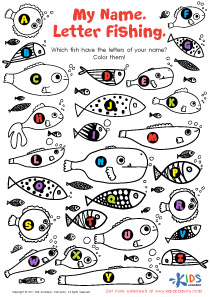
Letter formation ABC Order Worksheets for Ages 7-9
3 filtered results
-
From - To
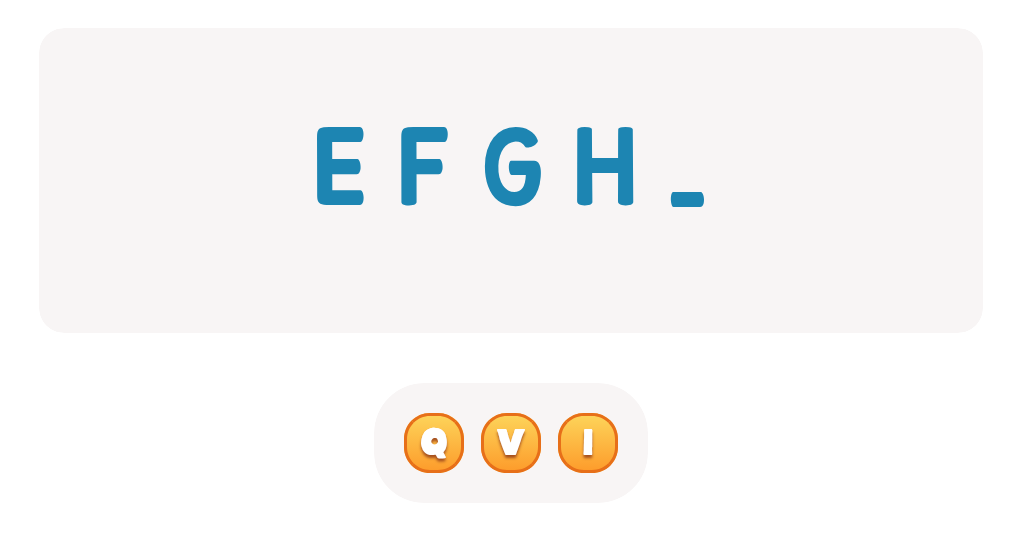
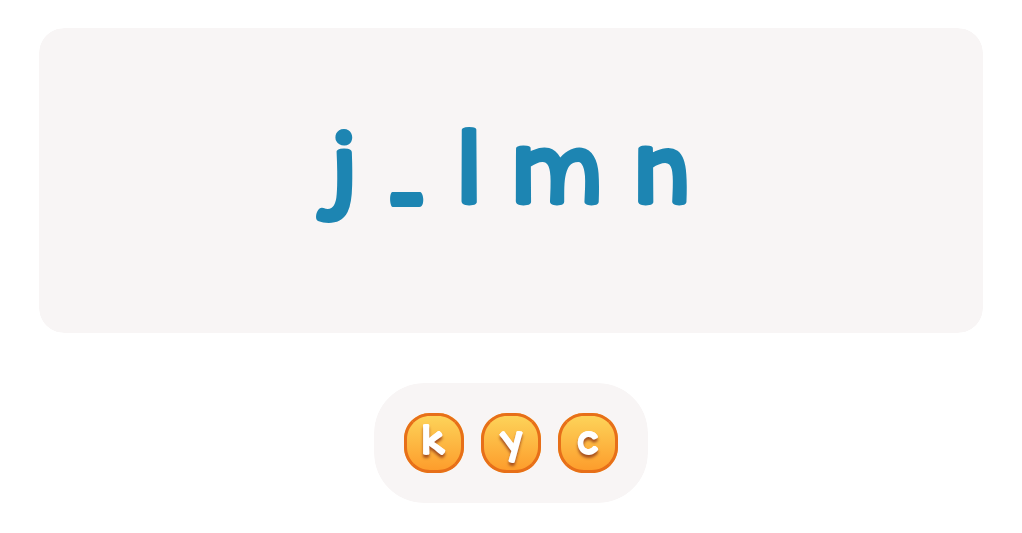
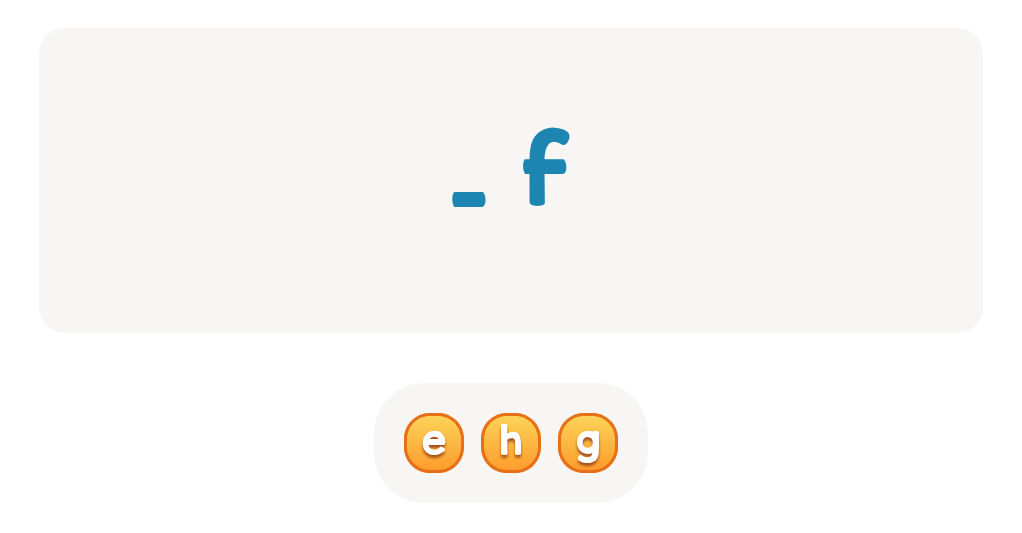
Enhance your child's handwriting and organizational skills with our engaging "Letter Formation ABC Order Worksheets" designed for ages 7-9. These worksheets provide fun, interactive activities that help students learn to form letters correctly while practicing alphabetical order. By tracing and identifying letters, children will improve their fine motor skills and boost their confidence in writing. With a variety of exercises tailored to different learning styles, these worksheets are perfect for independent study or classroom use. Equip your child with essential tools for academic success while making learning enjoyable! Download now to inspire a love for writing and organization in your young learner!
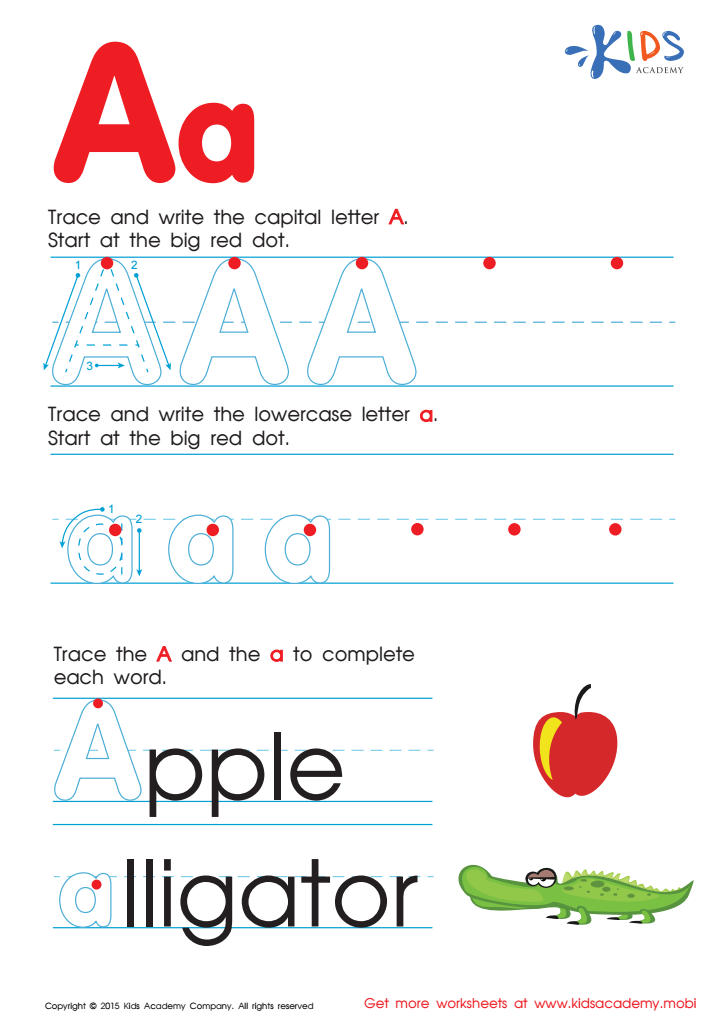
Letter A Tracing Page
 Assign to My Students



Letter P Tracing Page

Letter G Tracing Page








Letter formation and understanding ABC order are crucial skills for children aged 7 to 9, both of which lay the foundation for effective communication and literacy. Mastery of letter formation is important, as it not only affects handwriting quality but also influences a child's confidence and ability to express their thoughts in writing. When children properly form letters, they develop fine motor skills and establish efficiency in writing, which can enhance their academic performance.
Moreover, understanding the ABC order fosters organizational skills and comprehension. This skill is particularly vital in reading and research; children who can alphabetize words will find it easier to locate information and develop their vocabulary. In an age where digital literacy is becoming crucial, the ability to order information logically is indispensable.
Parents and teachers should care about these skills as they are interconnected with critical thinking, research strategies, and self-expression. By promoting proper letter formation and ABC order, adults can help children build a strong foundation that will benefit them in higher academic tasks and beyond. Furthermore, supporting children in these areas promotes engagement and interest in reading and writing, essential elements for their overall learning experience.