Phonics Skills Elementary Phonics Worksheets for Ages 7-9
4 filtered results
-
From - To
Unlock the power of reading with our "Phonics Skills Elementary Phonics Worksheets for Ages 7-9"! Designed specifically for young learners, these engaging worksheets help reinforce essential phonics concepts, making the connection between sounds and words fun and interactive. Children will explore letter sounds, word patterns, and decoding strategies, setting a solid foundation for literacy. Our worksheets are thoughtfully crafted to cater to varied learning styles, ensuring that every child can thrive. Perfect for classroom use or at-home practice, these resources support essential skills that enhance reading comprehension and foster a lifelong love for learning. Start your phonics adventure today!
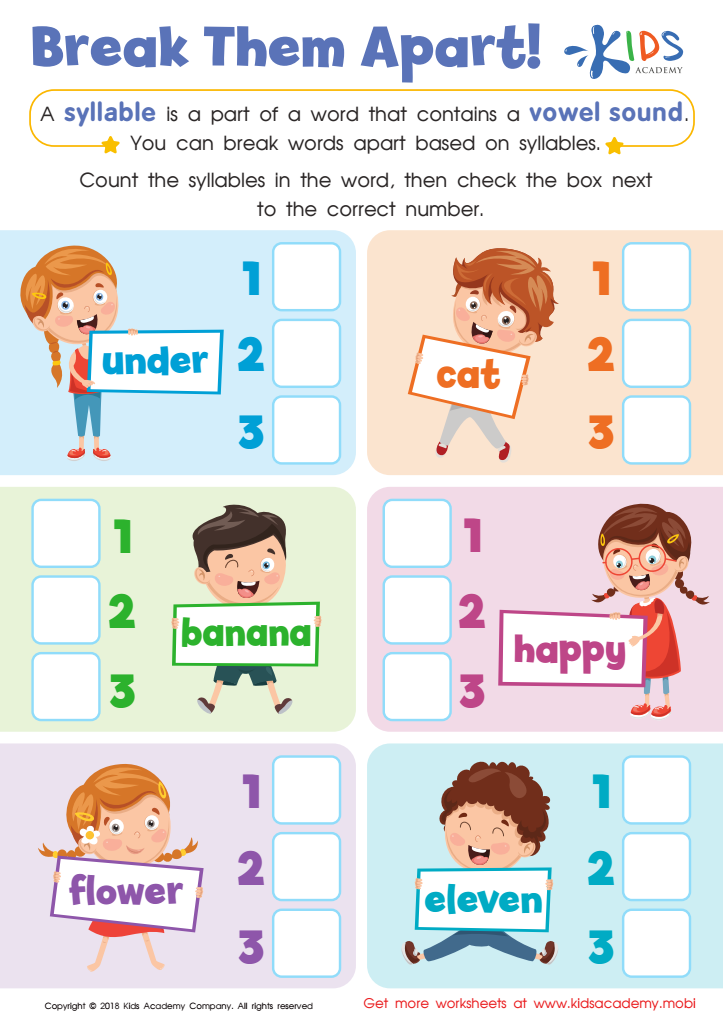
Reading: Break Them Apart Worksheet
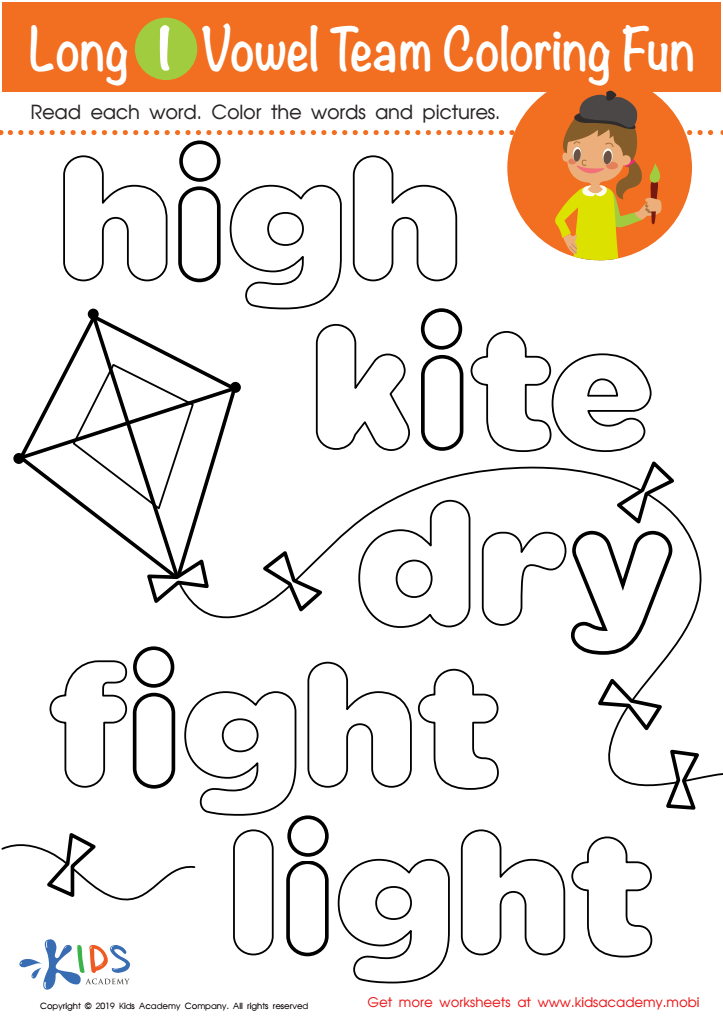
Long I Vowel Team Coloring Worksheet
 Assign to My Students

Long and Short E Worksheet
Assign to My Students
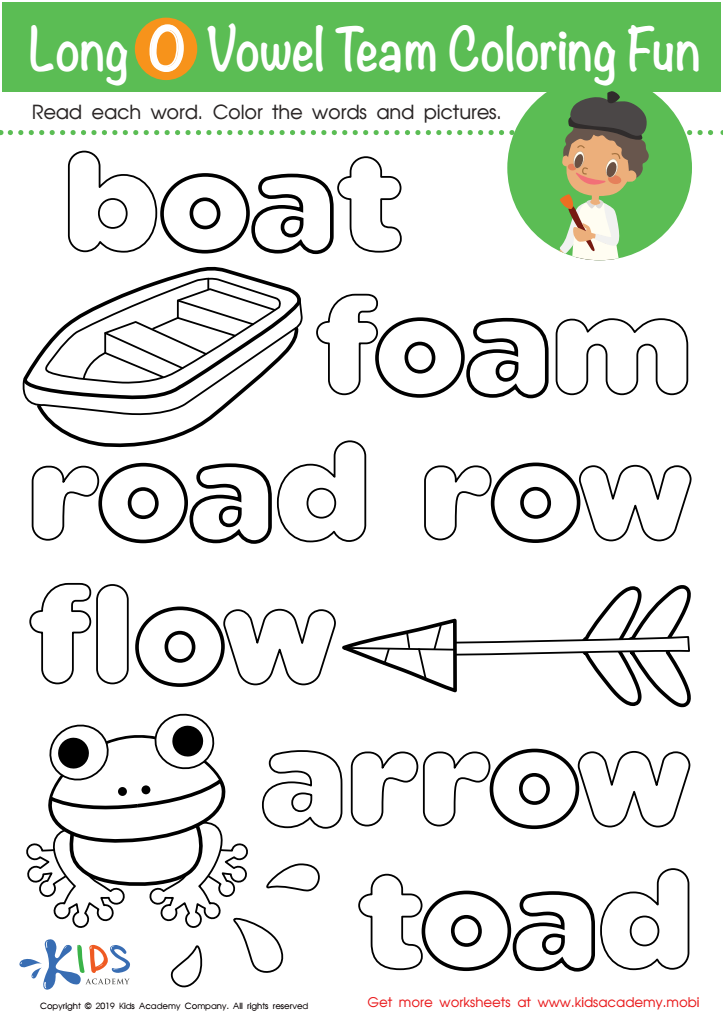
Long O Vowel Team Coloring Worksheet
Assign to My Students




Parents and teachers should prioritize phonics skills for children ages 7-9 as it lays a critical foundation for literacy development. During these formative years, children's reading abilities significantly influence their overall academic success. Phonics instruction teaches children the relationship between sounds and letters, enabling them to decode unfamiliar words independently. This skill not only enhances reading fluency but also boosts comprehension, allowing students to engage with texts more meaningfully.
By focusing on phonics, educators and caregivers can help foster a love for reading, making it a more accessible and enjoyable experience. Children who can decode words are more likely to explore varied texts, improving their vocabulary, critical thinking skills, and writing abilities. Additionally, strong phonics skills contribute to increased confidence in school, reducing frustration and improving classroom participation.
Moreover, these skills are essential for future reading success, as children who struggle with phonics may face challenges in later years, leading to a cycle of academic difficulties. Early intervention through phonics instruction can bridge gaps in literacy and support all learners, including those with dyslexia or learning disabilities. Ultimately, investing in phonics training is investing in a child's future learning and lifelong love of reading.







