Alphabet Learning Alphabet Worksheets for Ages 7-9
3 filtered results
-
From - To
Discover our engaging Alphabet Learning Worksheets, designed specifically for kids ages 7-9! These resources help reinforce essential reading and writing skills, making learning fun and interactive. Each worksheet includes diverse activities like letter tracing, sound recognition, and alphabet games to enhance phonetic awareness. Our worksheets cater to various skill levels, ensuring every child can progress at their own pace. With vibrant illustrations and creative exercises, these prints keep students motivated while building a solid foundation in literacy. Explore our comprehensive collection today and watch your child flourish as they master the alphabet with confidence! Perfect for home or classroom use!
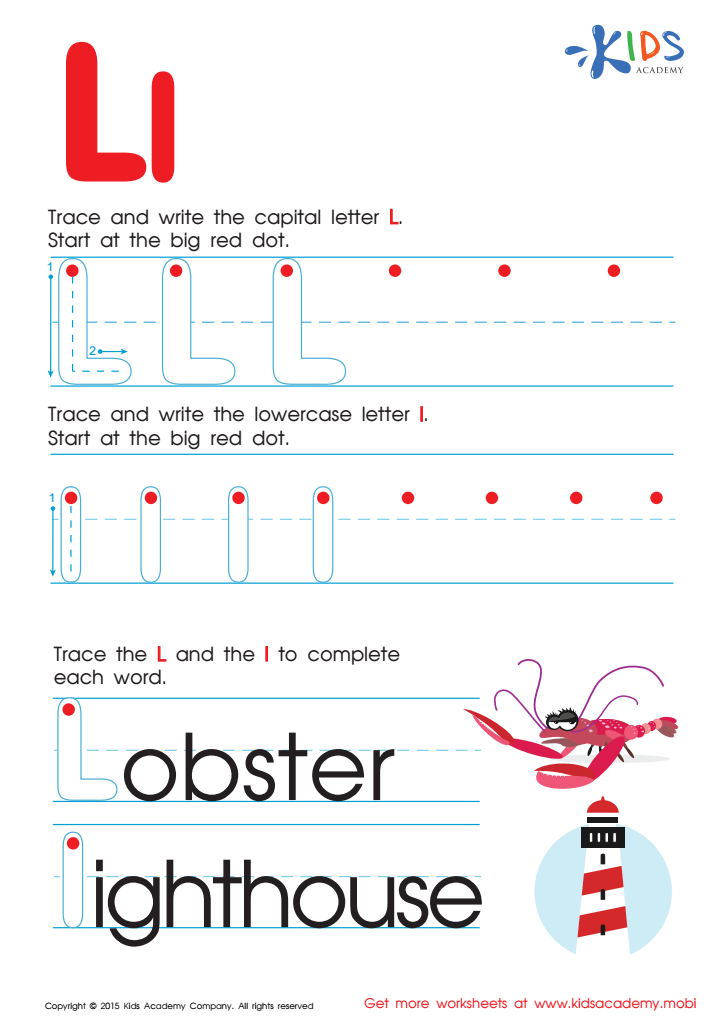
Letter L Tracing Page
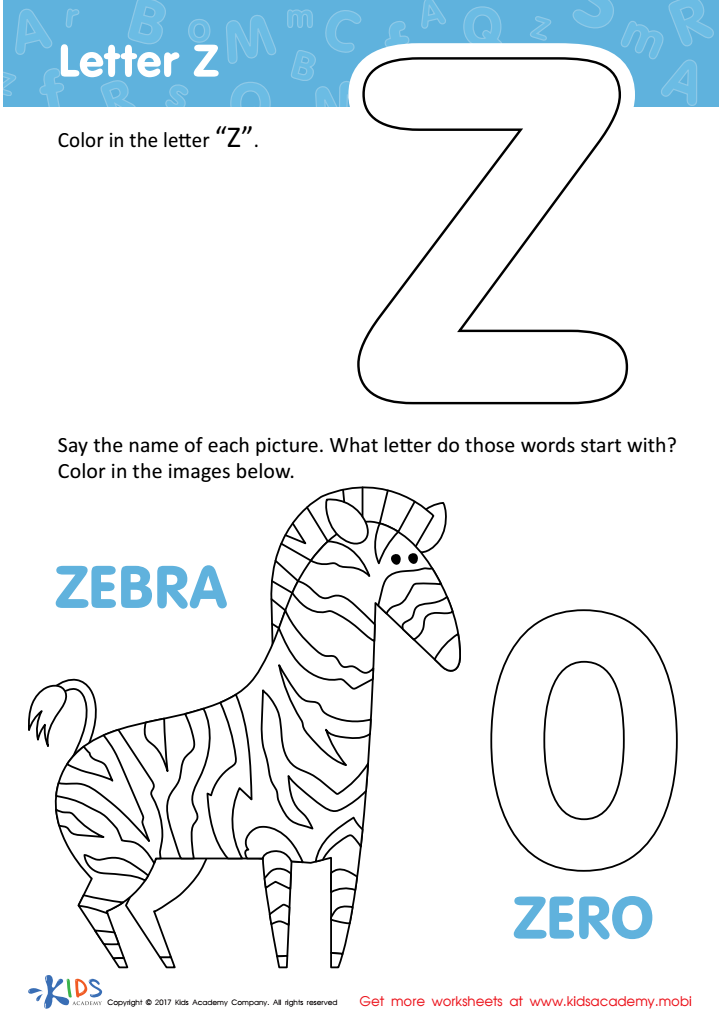
Letter Z Coloring Sheet
 Assign to My Students
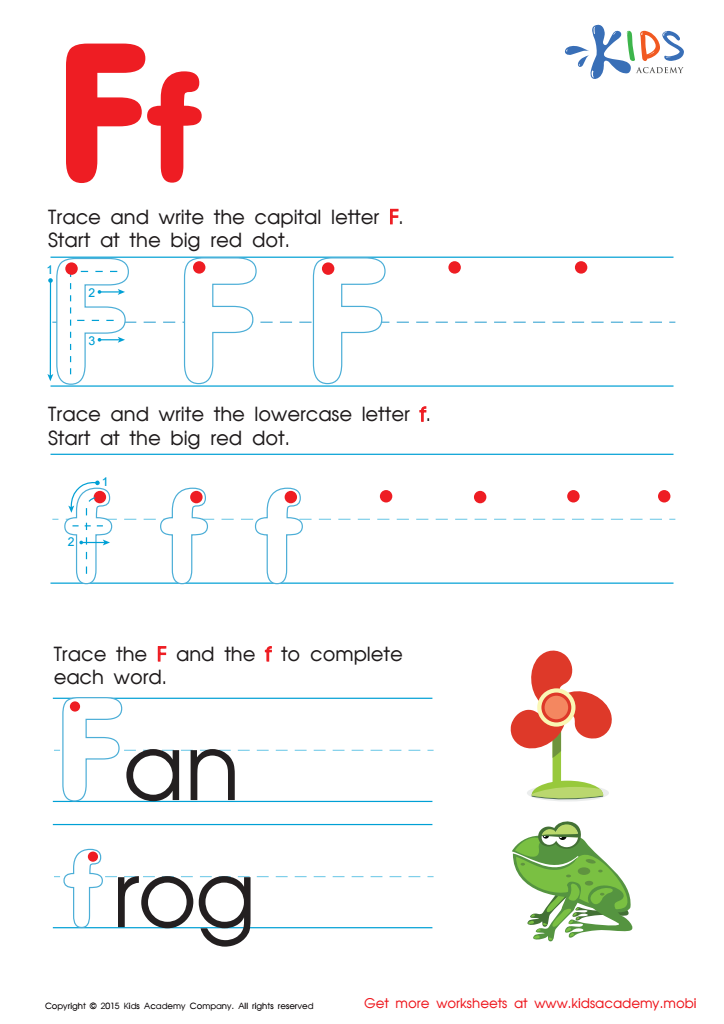
Letter F Tracing Page








Parents and teachers should care about alphabet learning for ages 7-9 because this foundational stage is critical for developing a child’s overall literacy skills. While children in this age group may have already mastered the basics of the alphabet, strengthening their understanding allows them to engage more deeply with reading and writing. This period can bolster their vocabulary, improve their decoding skills, and enhance their ability to comprehend texts, setting the groundwork for academic success.
Furthermore, children in this age group begin to encounter more complex texts, which can be daunting if their alphabet and phonetic understanding aren't solidified. By focusing on alphabet learning, educators and parents can instill a love for reading and writing, encouraging children to explore new ideas and perspectives. Additionally, practicing alphabet recognition fosters critical thinking and creativity, skills essential for problem-solving in later education stages.
Moreover, engaging with older children in playful ways through fun activities like games or songs can make learning feel less like a chore and more like an enjoyable experience, promoting a positive attitude toward learning. Ultimately, robust alphabet learning at this age creates confident, enthusiastic readers and writers who are better prepared for the challenges of higher learning.







