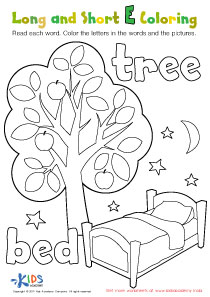
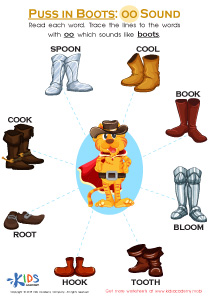
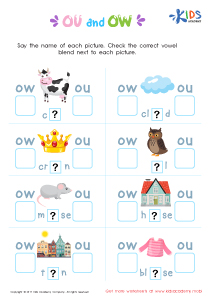
Vocabulary enhancement Long Vowels Worksheets for Ages 7-9
7 filtered results
-
From - To
Boost your child's vocabulary with our Long Vowels Worksheets, designed specifically for ages 7-9! These engaging activities focus on enhancing literacy skills through the exploration of long vowel sounds. Each worksheet reinforces vocabulary development, comprehension, and phonetic awareness in a fun, interactive way. With vibrant illustrations and age-appropriate tasks, children will eagerly practice these essential skills. Our carefully crafted exercises cater to different learning styles, ensuring that every child grasps the concepts with confidence. Perfect for classroom use or at-home practice, these worksheets are an invaluable resource for parents and educators aiming to support their child's linguistic growth!
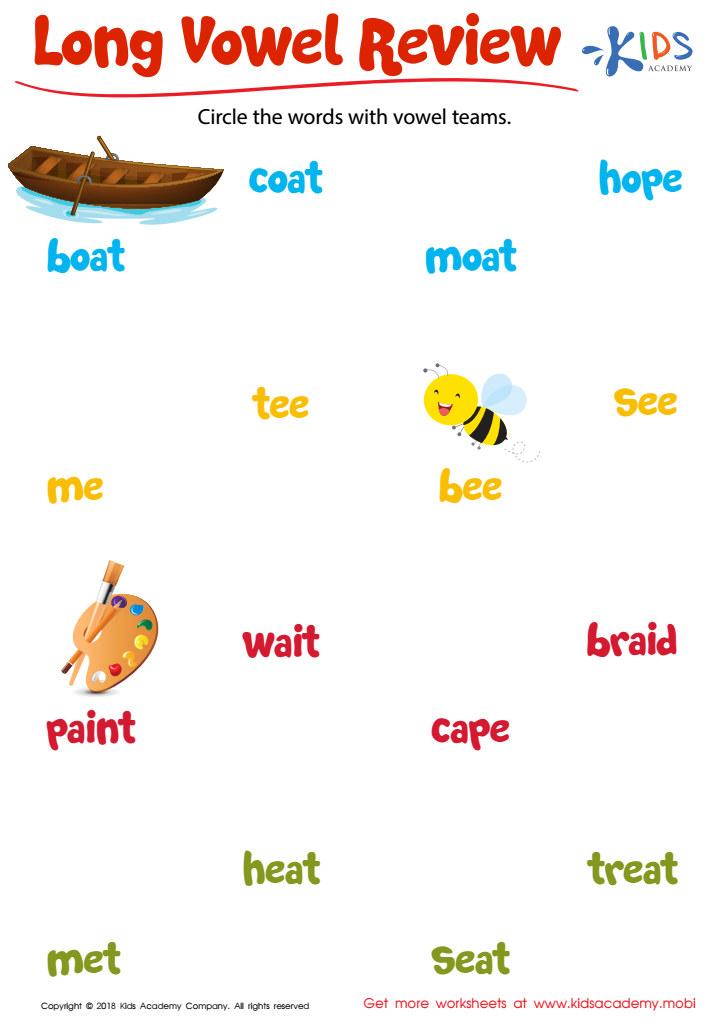
Long Vowel Review Worksheet
 Assign to My Students
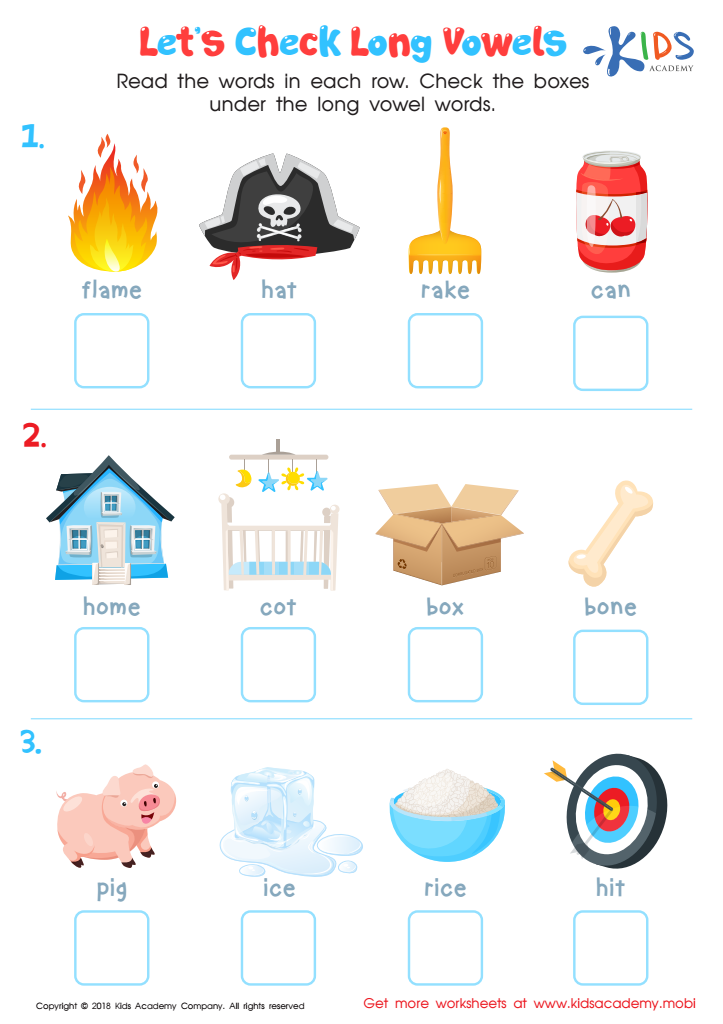
Let's Check Long Vowels: Assessment Worksheet
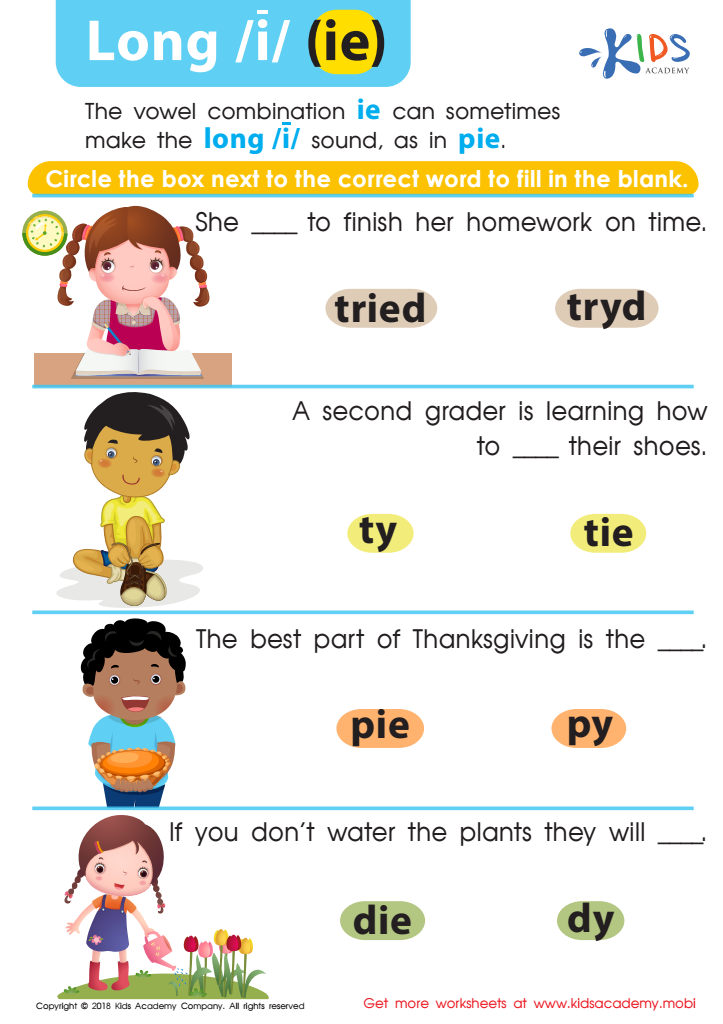
Reading: Long I and IE Worksheet
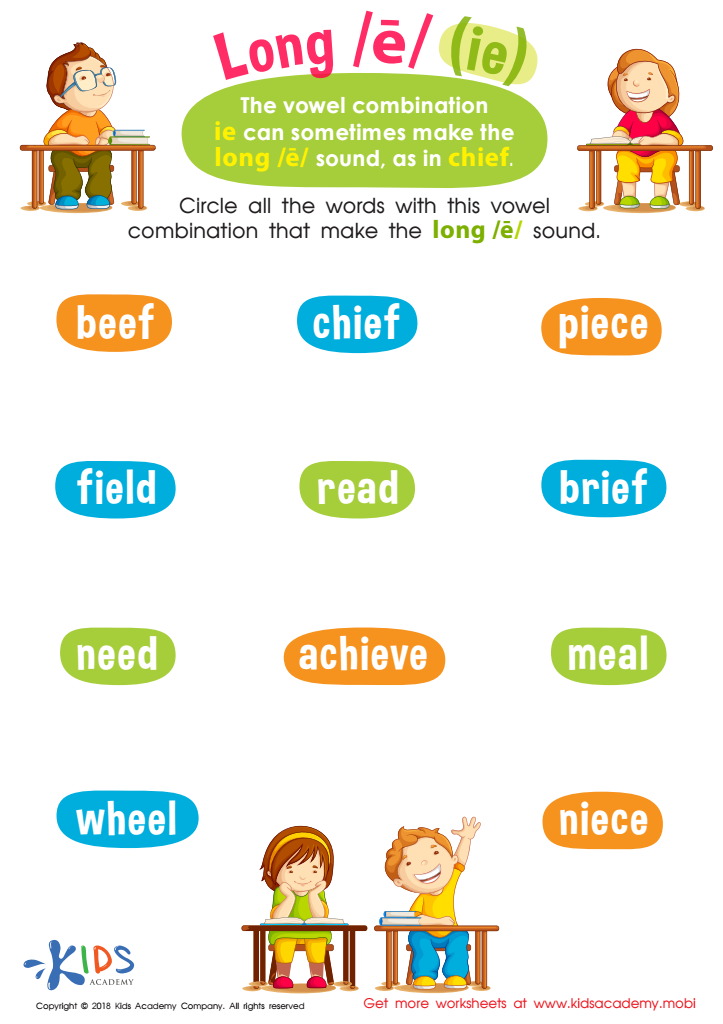
Reading: Long E and IE Worksheet
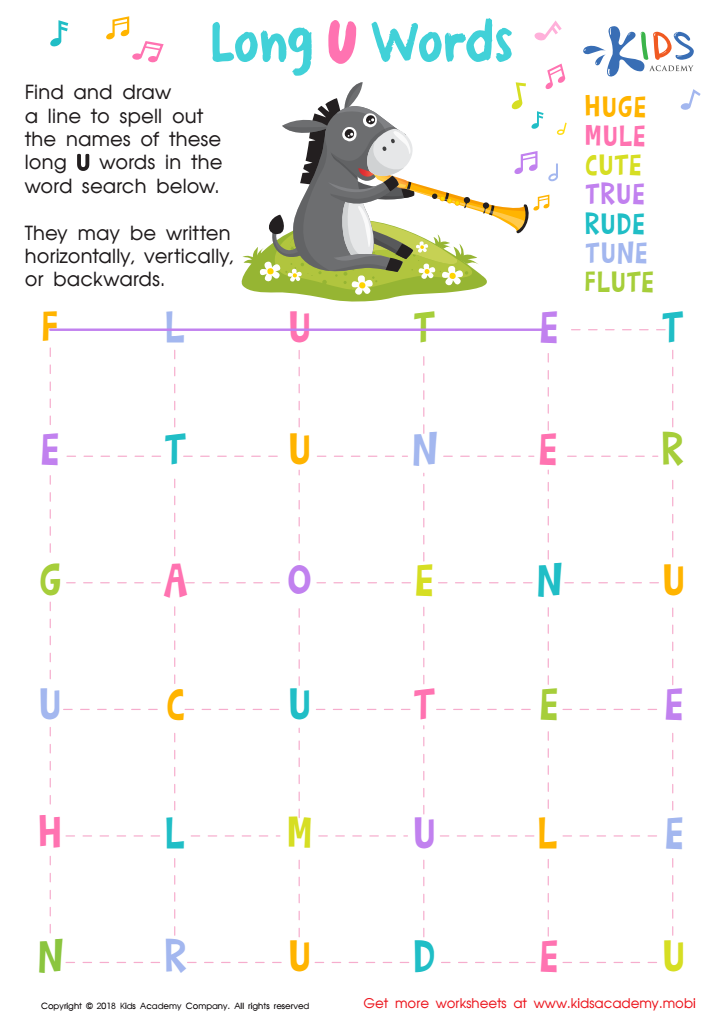
Long /u/ Words Worksheet
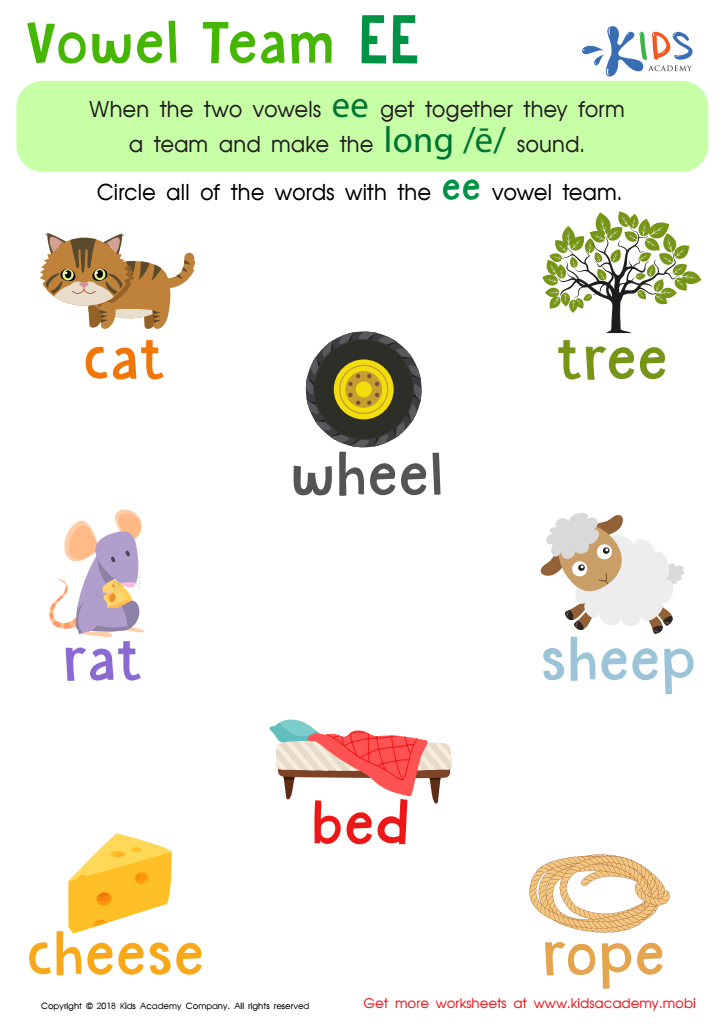
Reading: Vowel Team EE Worksheet
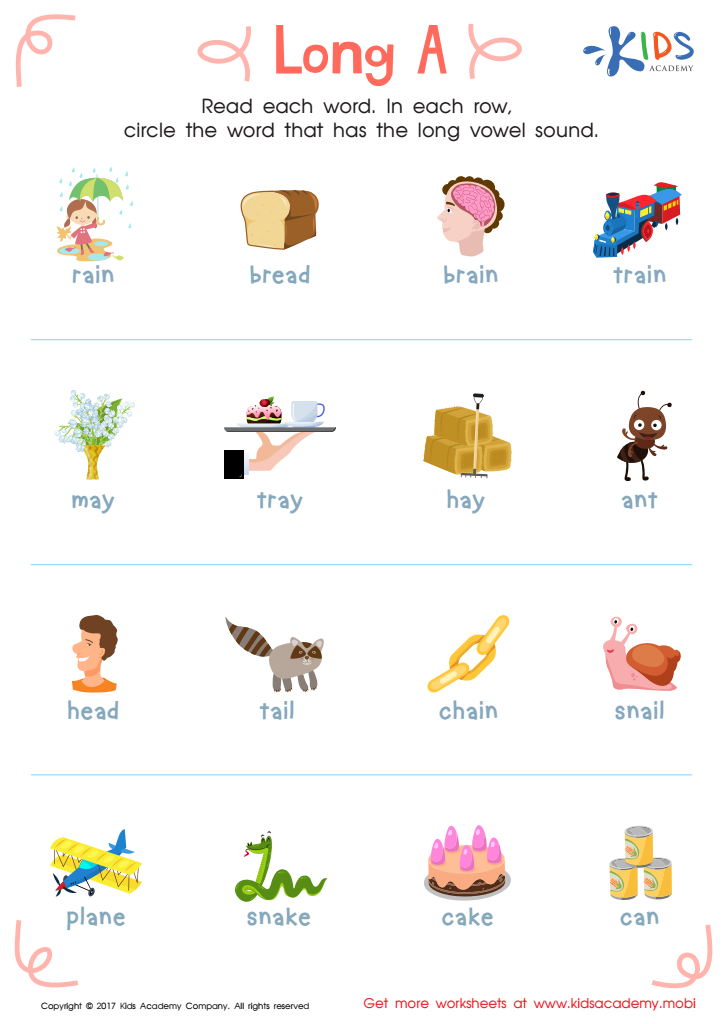



Vocabulary enhancement, particularly focusing on long vowels, is crucial for children aged 7-9 as it lays the foundation for their reading, writing, and overall literacy skills. During this developmental stage, children refine their language abilities and begin to tackle more complex texts. Mastering long vowel sounds—like those in words such as "cake," "feel," and "name"—helps children to decode and pronounce unfamiliar words correctly.
When parents and teachers prioritize long vowel instruction, they not only boost phonemic awareness but also enhance comprehension skills. A rich vocabulary, supported by a strong grasp of phonics, empowers children to engage with and understand more challenging literature, fostering a love for reading. Additionally, vocabulary development influences speaking and writing skills, enabling children to express themselves more clearly and confidently.
Furthermore, strong vocabulary skills correlate with academic success across subjects, as comprehension of instructions and educational materials improves. By cultivating an environment rich in vocabulary and providing opportunities for exploration of long vowels, we encourage children to articulate their thoughts better and enhance their communication skills, positioning them for future success in school and beyond. Ultimately, supporting vocabulary development in this critical age contributes to lifelong learning and empowered individuals.