Letter recognition Phonics Worksheets for Ages 7-9
4 filtered results
-
From - To
Discover engaging Letter Recognition Phonics Worksheets for ages 7-9 at Kids Academy! Designed to enhance alphabet familiarization and reading abilities, these creative worksheets offer fun activities that help children identify, match, and differentiate letters and sounds. Our resources foster hands-on learning and critical thinking, making phonics education enjoyable and effective. Explore a variety of exercises, from coloring to tracing, that build essential phonetic skills while sparking curiosity. Ideal for classroom use or homeschooling, these worksheets support kids in mastering the fundamentals of reading. Boost your child's literacy journey with Kids Academy's innovative educational tools today!
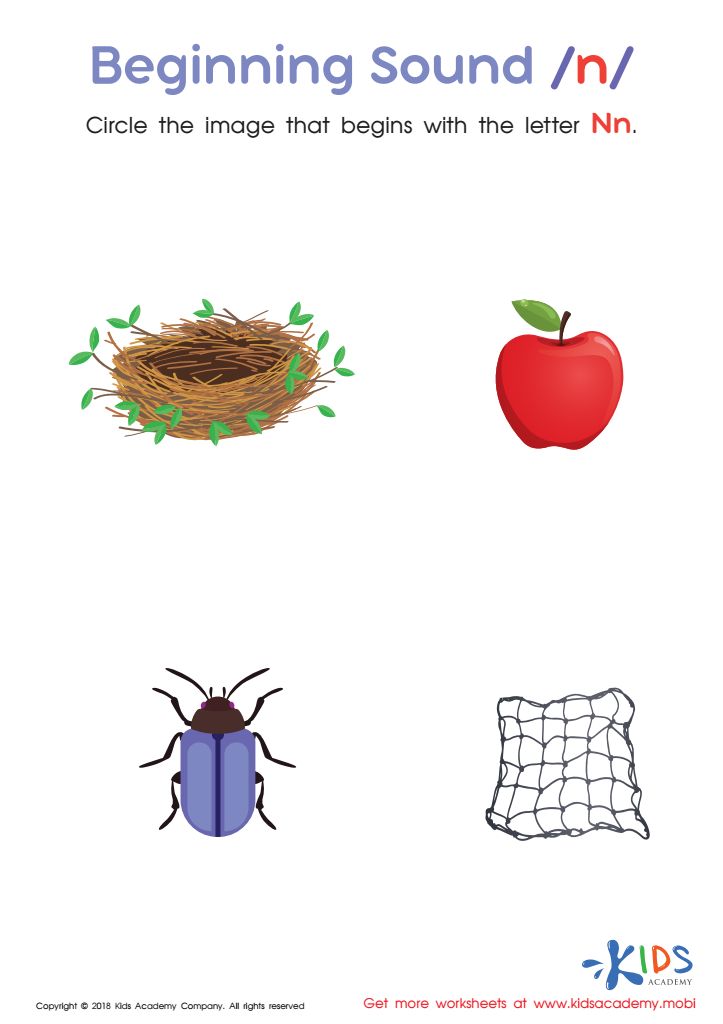
Beginning Sound «n» Worksheet
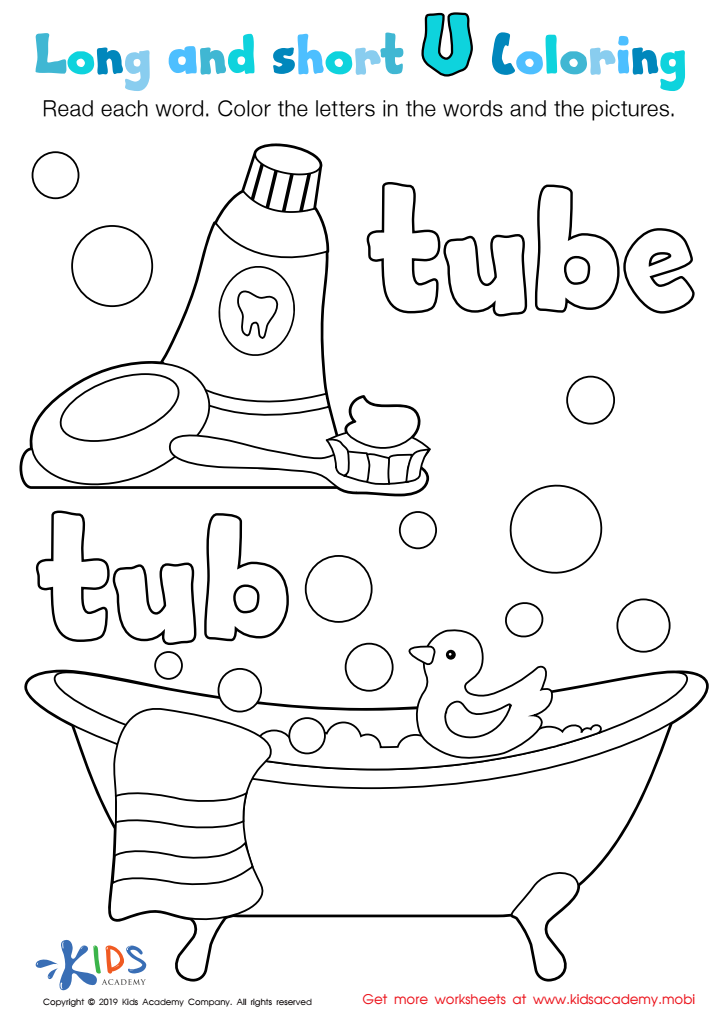
Long and Short U Worksheet
 Assign to My Students
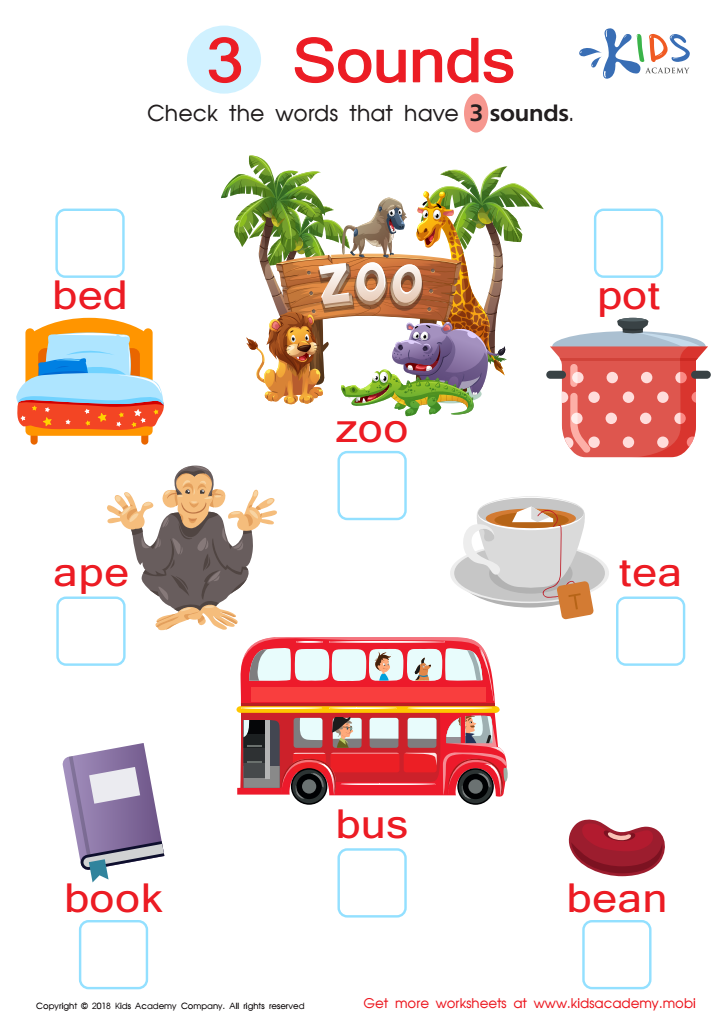
3 Sounds Worksheet

Long and Short E Worksheet
Assign to My Students








Letter recognition and phonics are crucial building blocks in a child's early education, particularly for ages 7-9. At this developmental stage, children transition from 'learning to read' to 'reading to learn.' Mastery of letter recognition ensures children can identify individual letters and understand their forms. This foundational skill enables them to fluently decode words, directly impacting their reading proficiency.
Phonics teaches the relationship between letters and sounds, helping children to connect written language with its spoken counterparts. Knowledge of phonics aids in decoding unfamiliar words, leading to improved accuracy and comprehension. It is essential for developing strong reading skills, enabling children to spell correctly, understand word patterns, and enhance vocabulary.
Children who struggle with letter recognition and phonics often face challenges in reading, which can impede their overall academic performance and self-confidence. By valuing and promoting these skills, parents and teachers can provide essential support that paves the way for children's academic success. A solid foundation in letter recognition and phonics sparks a lifelong love of reading, facilitates easier acquisition of complex literacy skills, and empowers children to explore new ideas and worlds through books. Hence, prioritizing these skills is a proactive step toward nurturing proficient, confident, and enthusiastic readers.







