
Reading Skills Phonics Worksheets for Ages 7-9
6 filtered results
Difficulty Level
Grade
Age
-
From - To
Subject
Activity
Standards
Unlock the joy of reading with our engaging Phonics Worksheets designed specifically for children aged 7-9! These expertly crafted resources focus on essential reading skills, blending fun and learning to enhance phonemic awareness, vocabulary, and comprehension. Our worksheets reinforce foundational reading concepts, helping young learners decode words and improve their literacy abilities. With a variety of activities, including word searches, fill-in-the-blanks, and matching exercises, children will develop confidence in their reading journey. Perfect for classroom use or homeschooling, these worksheets provide a comprehensive approach to phonics education. Check out our collection and inspire a lifelong love for reading today!
Favorites
With answer key
Interactive
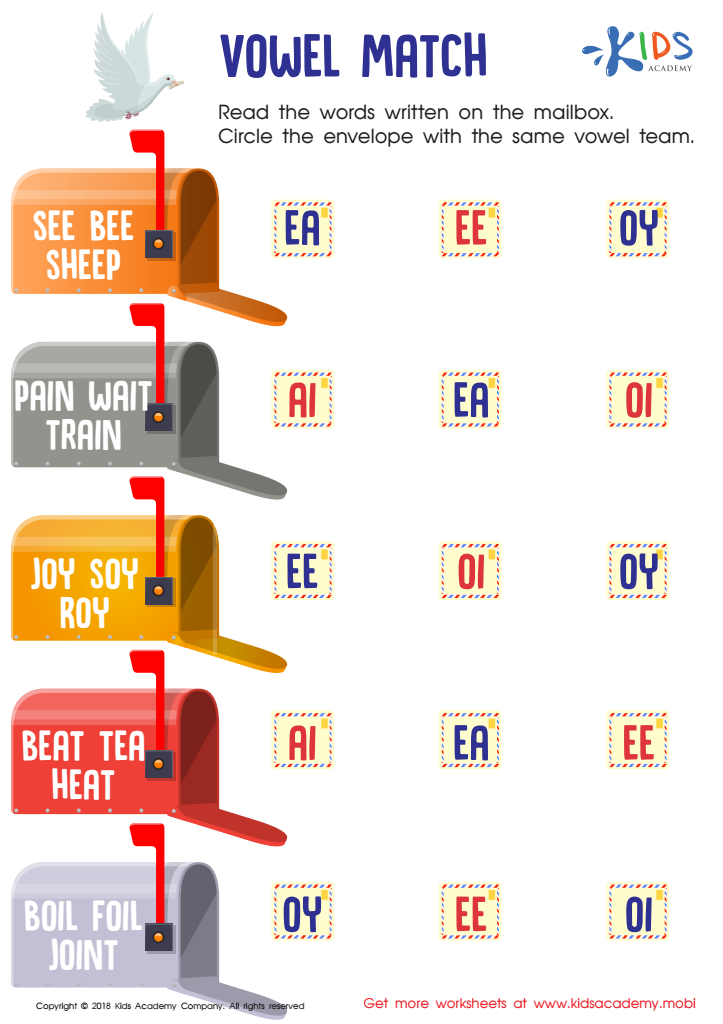
Vowel match Worksheet
Early readers can find vowel teams (digraphs) tricky. This simple worksheet helps kids match words with the right digraphs and learn to read! They'll practice reading words from different families, and linking the letters to their sounds. It's a fun way to get kids sending letters to the right addresses!
 Assign to My Students
Vowel match Worksheet
Worksheet
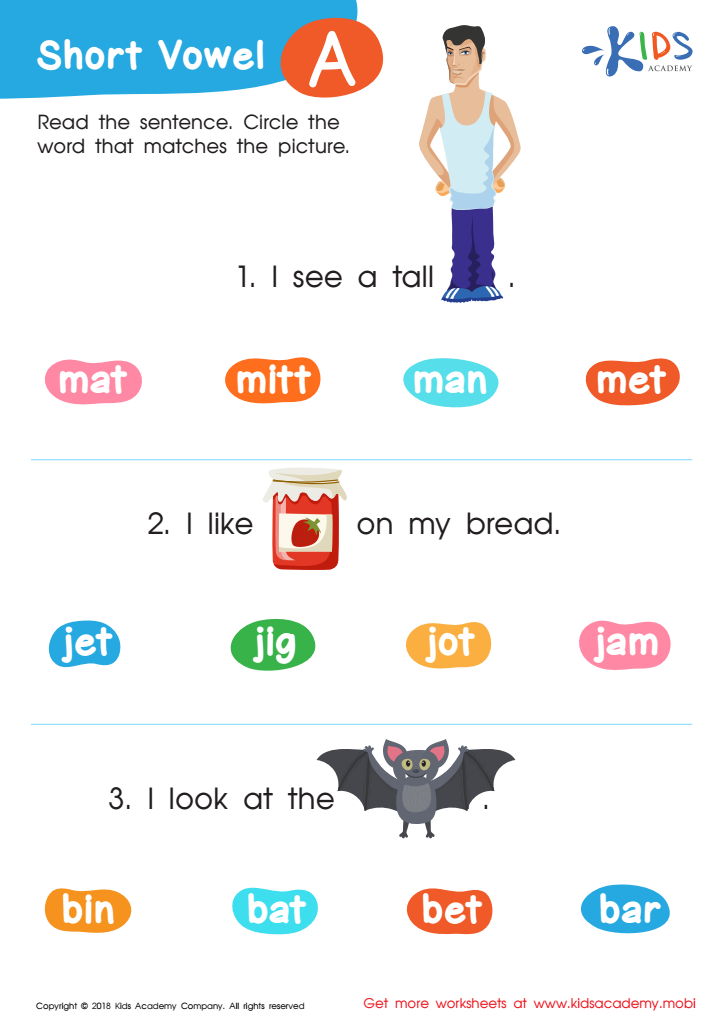
Short Vowel /a/ Worksheet
This free PDF helps new readers use sight words and pictures to read basic sentences. Then, they use accompanying word choices to find the correct word with the short a vowel sound. A key early reading skill, discriminating between short vowel sounds can be tricky in monosyllabic words, so use this PDF to help your reader reinforce it.
Short Vowel /a/ Worksheet
Worksheet
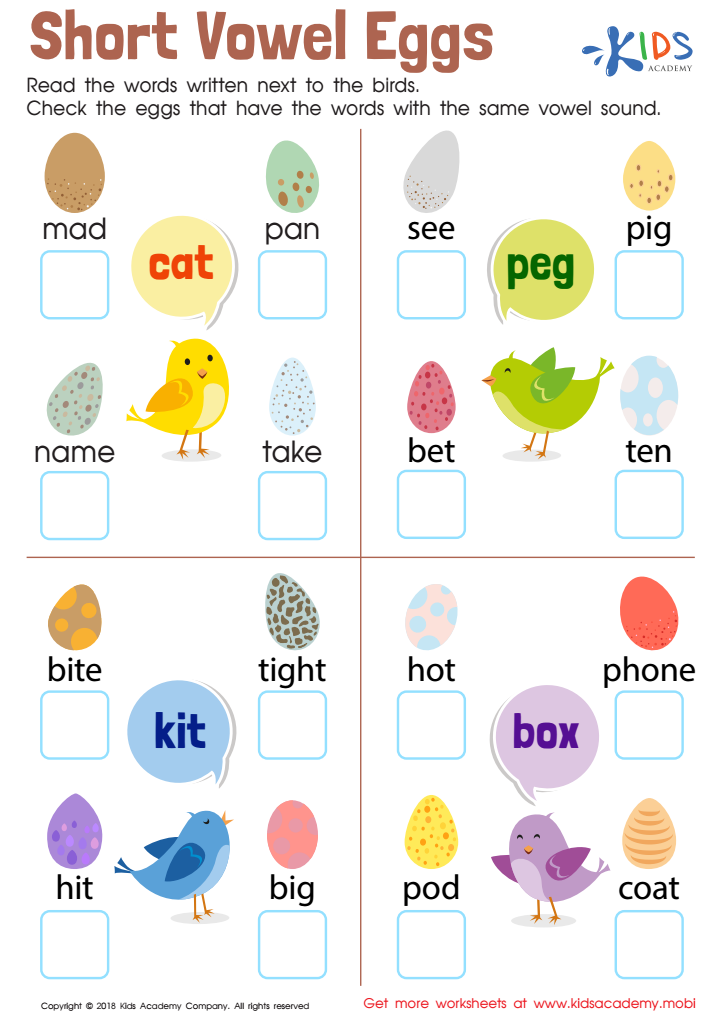
Short Vowel Eggs Worksheet
Your students will love helping these birdies pick the short vowel eggs! Have them read the words in the thought bubbles, then check off the boxes with the same short vowel sounds. The bright colors of this free Worksheet will draw them in and get them practicing their vowels!
Short Vowel Eggs Worksheet
Worksheet
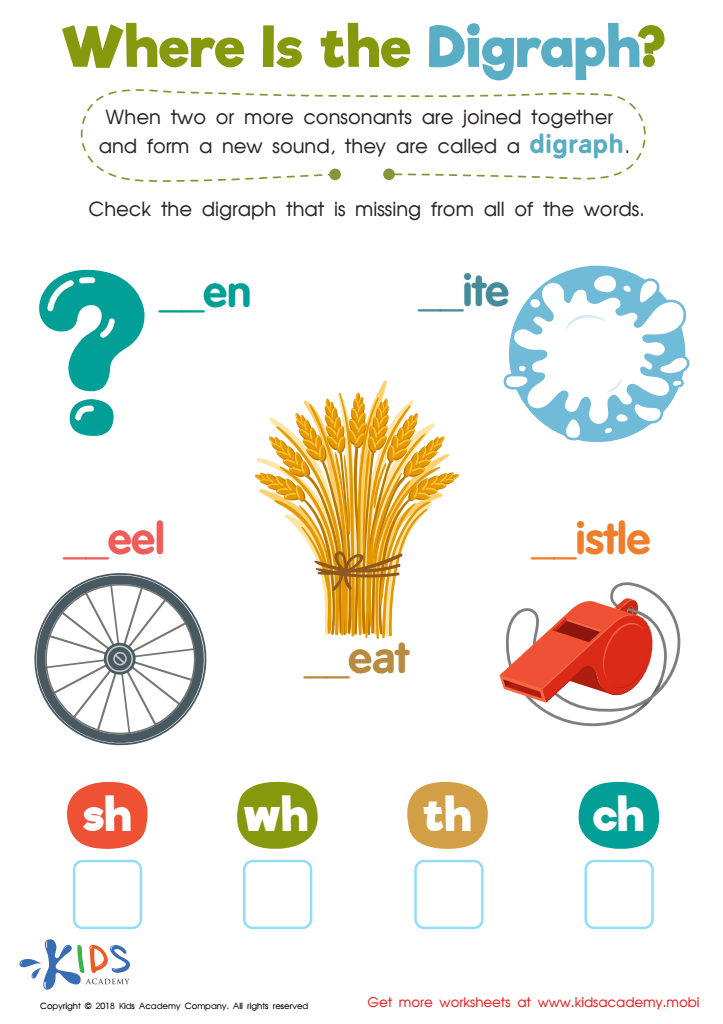
Where Is the Digraph? Worksheet
Teach your child about digraphs - two or more consonants that form one sound, like /wh/, /sh/, and /ch/. Show them words with these sounds and use this worksheet to help. Ask them which digraph is missing from the words and point out the pictures. 80 words.
Where Is the Digraph? Worksheet
Worksheet
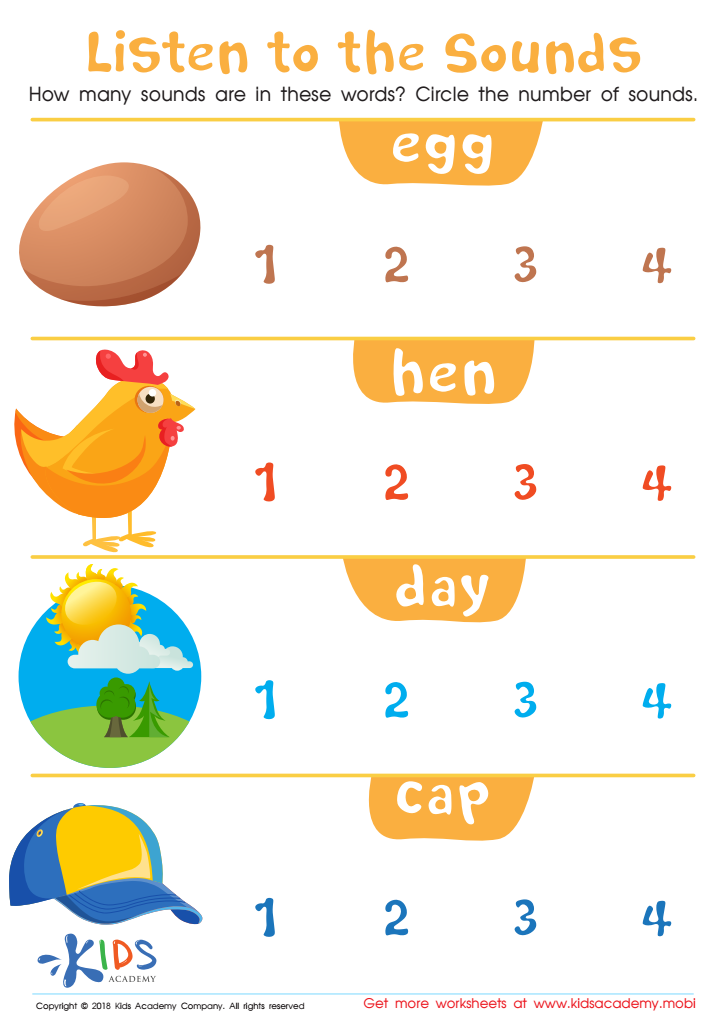
Listen to the Sounds Worksheet
This worksheet builds emerging readers' skills in using sounds for reading and spelling. It helps strengthen auditory processing by having them count the sounds in each word, then trace the corresponding number. Fun and cheerful!
Listen to the Sounds Worksheet
Worksheet
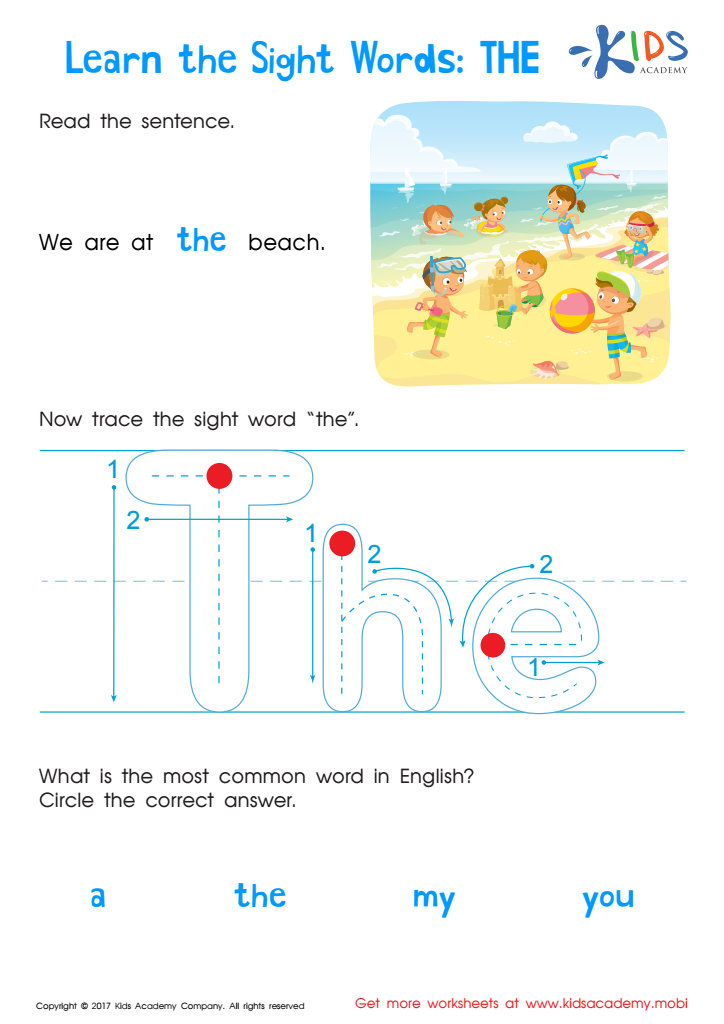
Sight Words: The Worksheet
Get the worksheet and start now.
The word "the" is an essential part of English. Teaching your child to read and write it is easy with this sight words worksheet. They'll practice reading the word, tracing it, and using it in sentences. It's the perfect way to take your child's language skills to the next level! Get the worksheet today.
Sight Words: The Worksheet
Worksheet
Join Kids Academy for Free
Who is primarily going to use this learning content?








Parents and teachers should prioritize phonics instruction for children ages 7-9 because it lays the foundation for strong reading skills essential for academic success. At this age, students are transitioning from learning to read to reading to learn, making effective phonics instruction crucial. Phonics teaches children the relationship between letters and sounds, equipping them with the ability to decode new words independently. This skill enhances their reading fluency, comprehension, and vocabulary development.
Additionally, children who struggle with phonics may experience frustration and a decline in motivation, leading to negative attitudes toward reading. By fostering phonics skills, educators and parents can help instill a love for reading and promote confidence in their children's abilities. Strong phonics proficiency benefits children across all subjects since reading is key to understanding and retaining information.
Moreover, teaching phonics during ages 7-9 allows for timely intervention for those who may be falling behind in their literacy development. Every child deserves the opportunity to succeed, and supporting phonics skills can create a solid groundwork for lifelong learning. Ultimately, prioritizing phonics empowers children to become proficient readers, setting them on a path to academic achievement and personal growth.







