Filters

6 filtered results

Clear all filters
Favorites
With answer key
Interactive

6 filtered results

Difficulty Level

Grade


Boost your child’s vocabulary with our engaging short vowels worksheets designed for ages 7-9! This collection focuses on expanding word knowledge through fun, interactive activities. Young learners will explore short vowel sounds while enhancing their ability to read and understand new words in context. Our worksheets provide colorful illustrations and diverse exercises that keep students motivated and curious about language. Ideal for at-home practice or classroom use, these resources cater to different learning styles. Equip your child with the vocabulary foundation needed for successful reading and writing, helping them build confidence and creativity every step of the way!

Check out this FREE Trial Lesson on Short Vowels for age 7-9!

Distinguish between Long U and Short U

Favorites
With answer key
Interactive
  • 7-9
  • Vocabulary expansion
  • Short Vowels
Reading: Long O and Short O Sounds Worksheet

Reading: Long O and Short O Sounds Worksheet

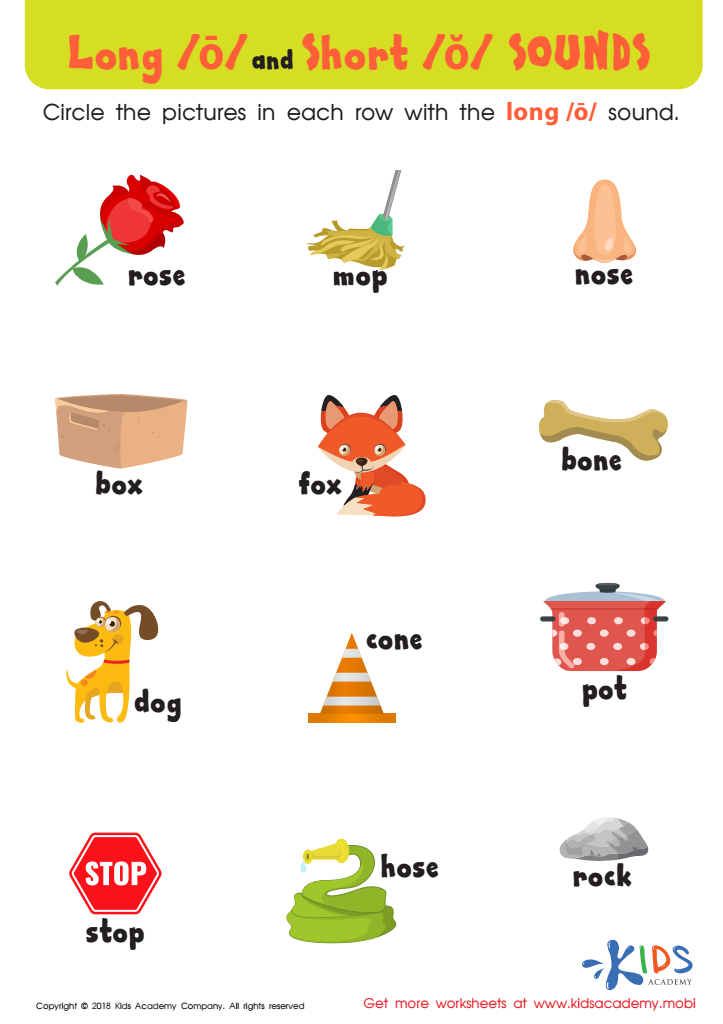
Students practice distinguishing between short and long O sounds with this reading worksheet. They sound out each word, then circle the pictures with the long O sound. Perfect for individual practice or to work with peers! Improves understanding of this skill and helps avoid confusion.
Reading: Long O and Short O Sounds Worksheet
Worksheet
Short Vowels /e/, /i/, and /u/ Worksheet


Short Vowels /e/, /i/, and /u/ Worksheet

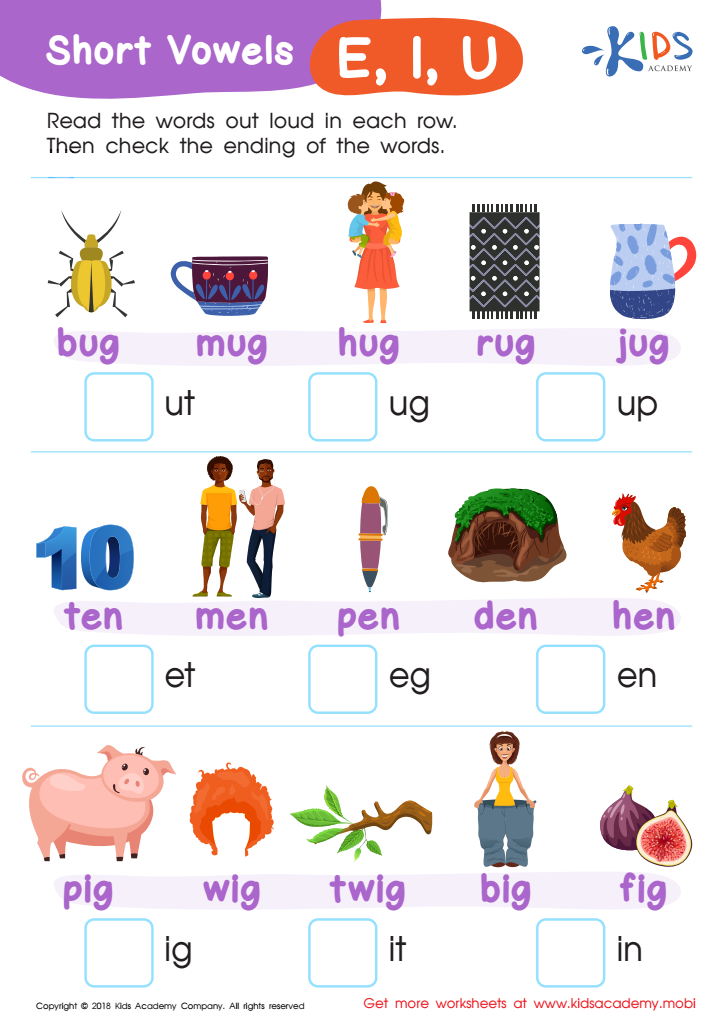
Your emergent reader can have fun while practicing their short vowel sounds with this free, brightly colored worksheet. They'll identify one-syllable words by their pictures, then match the correct ending for each. They'll gain an understanding of how short vowel sounds vary in closed syllables with different endings, without even realizing it!
Short Vowels /e/, /i/, and /u/ Worksheet
Worksheet
Long and Short U Worksheet

Long and Short U Worksheet

Revised: Spice up your lesson on long and short vowels with this fun printout! Kids read the words "tube" and "tub," then reinforce the sound by coloring in the words and pictures. It's a great way to make phonics class enjoyable!
Download (PDF)
Assign to My Students
Long and Short U Worksheet
Worksheet
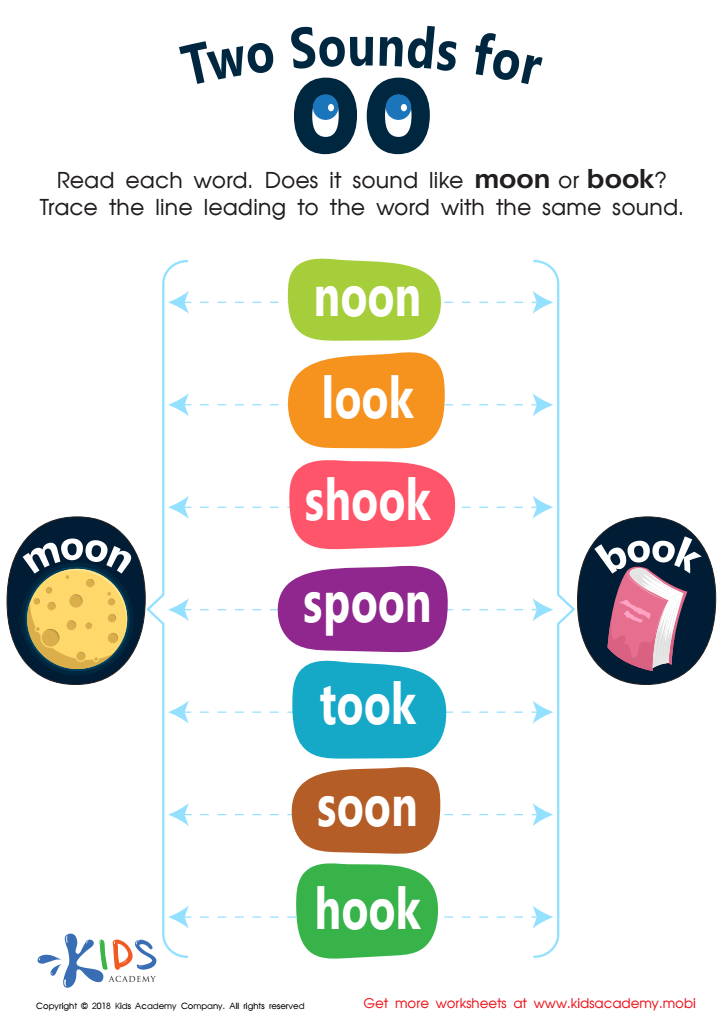
Two Sounds for OO Worksheet

Two Sounds for OO Worksheet

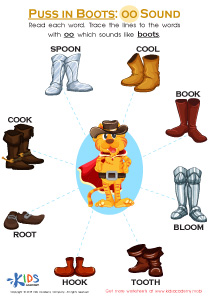
This worksheet helps kids learn the different sounds of the -oo digraph. They match words based on whether they sound like moon or book, plus practice fine motor skills tracing lines. Fun and educational!
Two Sounds for OO Worksheet
Worksheet
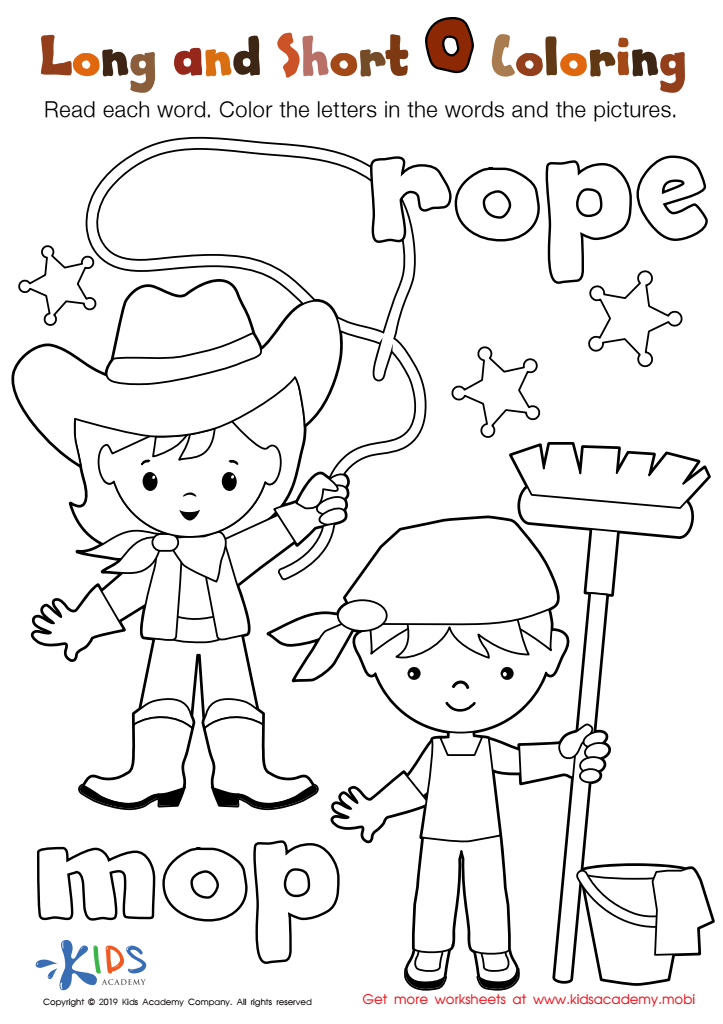
Long and Short O Worksheet

Long and Short O Worksheet

Help your students recognize the difference between long and short «Os» with this fun printout. Let them read and color-in "rope" and "mop" simultaneously. Listen to the different sounds, then color the words and pictures. Great for classes, it'll make your phonics lesson memorable and enjoyable.
Download (PDF)
Assign to My Students
Long and Short O Worksheet
Worksheet
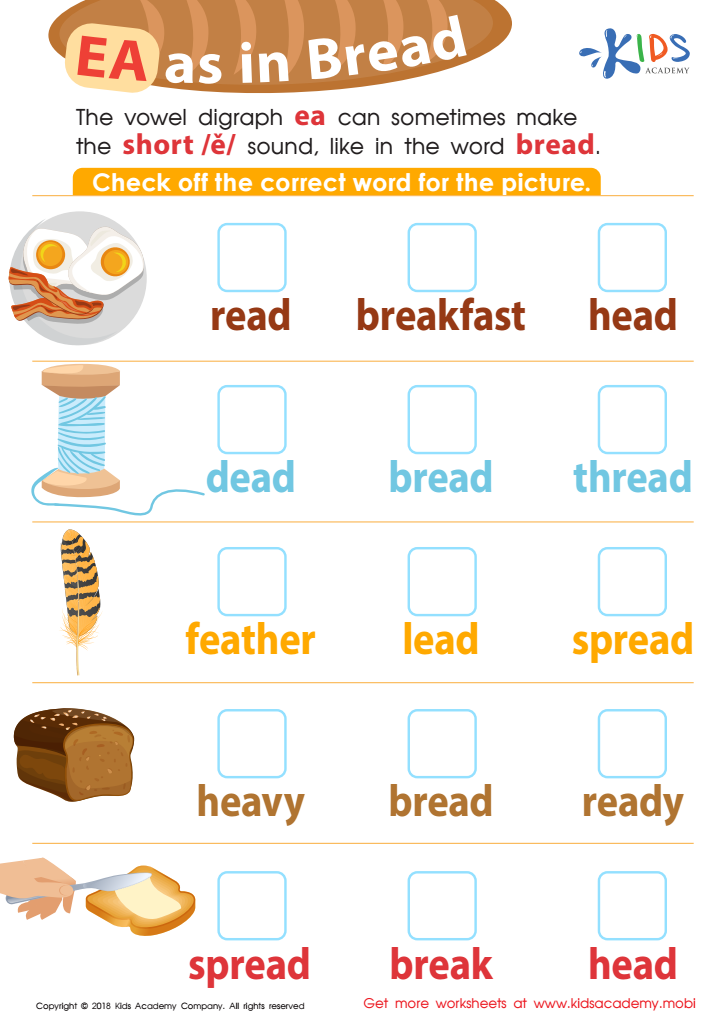
Reading: EA as in Bread Worksheet

Reading: EA as in Bread Worksheet

The vowel digraph ea can be read in two ways. Examples of the long sound are "read" and "lead"; examples of the short sound are "bread" and "head". Ask your kids to give you more examples and then have them check off the correct word for the pictures on this worksheet. This will help them understand the ea sound.
Reading: EA as in Bread Worksheet
Worksheet


Vocabulary expansion, particularly regarding short vowels, is crucial for children aged 7-9 as it significantly impacts their reading, writing, and overall academic success. Short vowels form the foundation of many words, enabling children to decode them more effectively. Mastering these sounds helps reduce reading errors and builds confidence in young learners.

Parents and teachers should prioritize vocabulary expansion at this age because it not only enhances literacy skills but also fosters a love for reading. Children exposed to rich vocabulary are more likely to engage with diverse texts, improving their comprehension and critical thinking abilities. Furthermore, a robust vocabulary supports effective communication, allowing children to express themselves clearly and creatively.

Additionally, as children progress in school, vocabulary knowledge becomes increasingly important for understanding content across various subjects. Engaging with activities that emphasize short vowels—such as word games, rhymes, and storytelling—can make learning enjoyable and effective.

Ultimately, investing in vocabulary development during these formative years equips children with essential tools for lifelong learning. A strong grasp of language is fundamental for success in school and beyond, highlighting why parents and teachers should actively support vocabulary expansion centered around short vowels.