Alphabet tracing Tracing Letters Worksheets for Ages 7-9
7 filtered results
-
From - To
Unlock your child’s potential with our engaging Alphabet Tracing Worksheets designed for ages 7-9! These printable worksheets provide a fun and interactive way for young learners to practice letter formation, improve handwriting skills, and reinforce their understanding of the alphabet. Ideal for both home and classroom use, each worksheet includes colorful illustrations and various tracing styles, making learning enjoyable. Watch as your child gains confidence in their writing abilities while exploring letters and phonics. Whether your child is a beginner or needing a little extra practice, our tracing worksheets are perfect to inspire a love for literacy! Download and start tracing today!
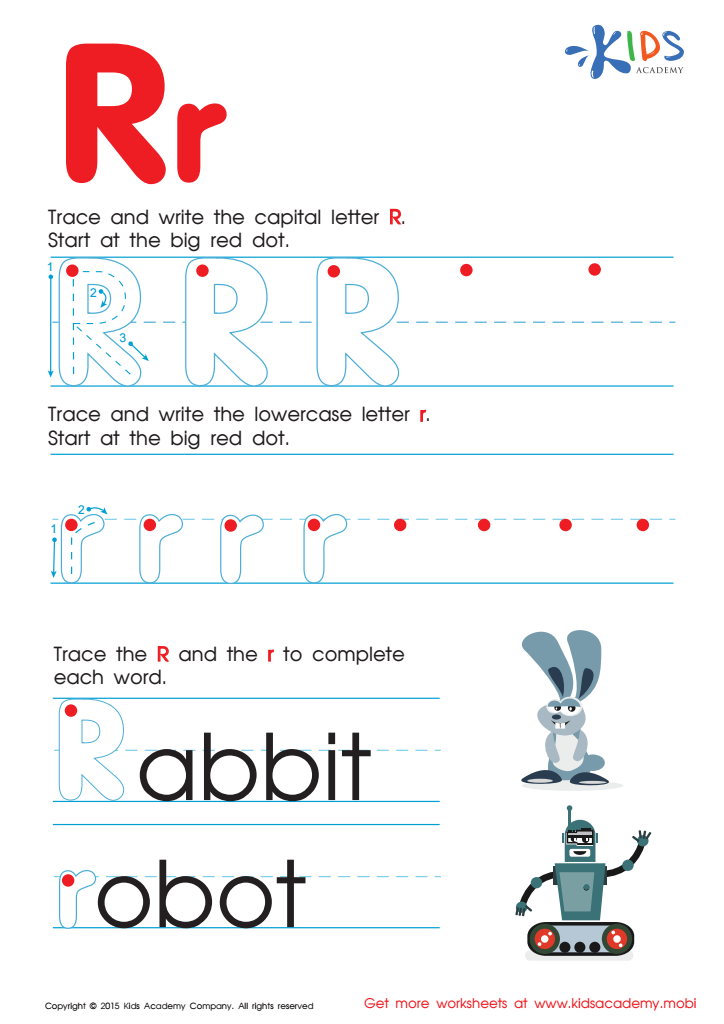
Letter R Tracing Page
 Assign to My Students
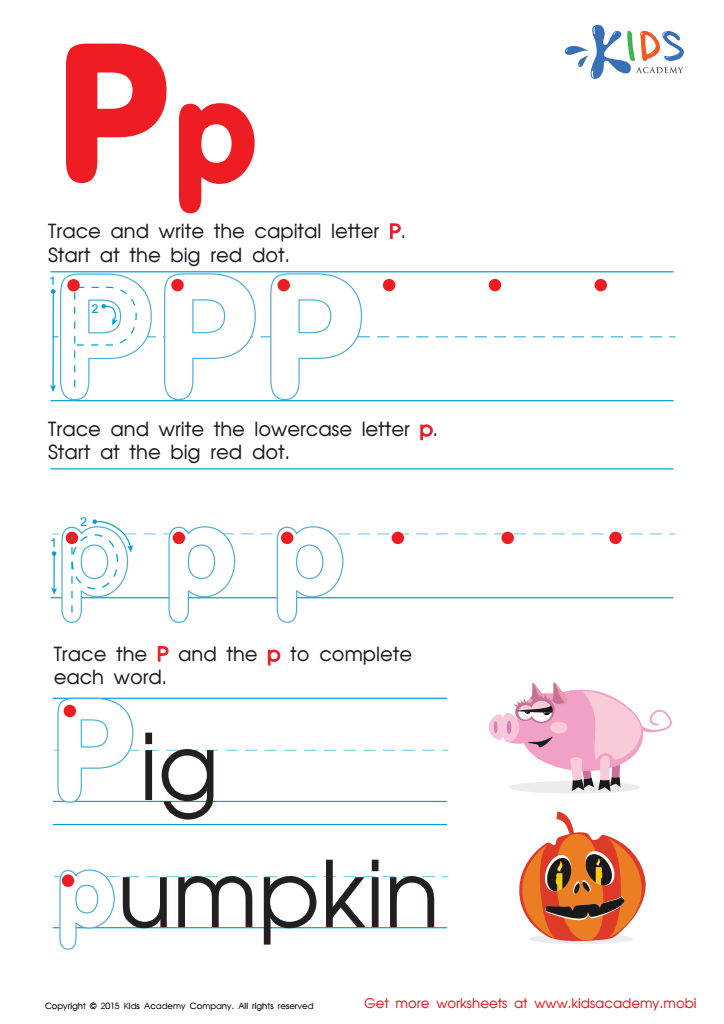
Letter P Tracing Page
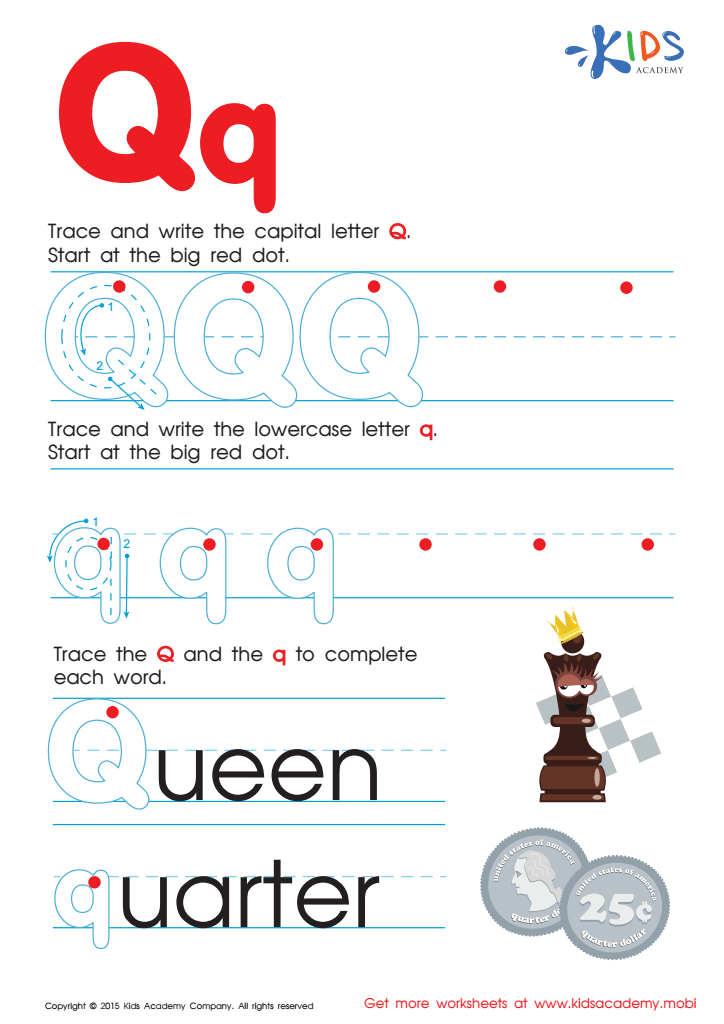
Letter Q Tracing Page
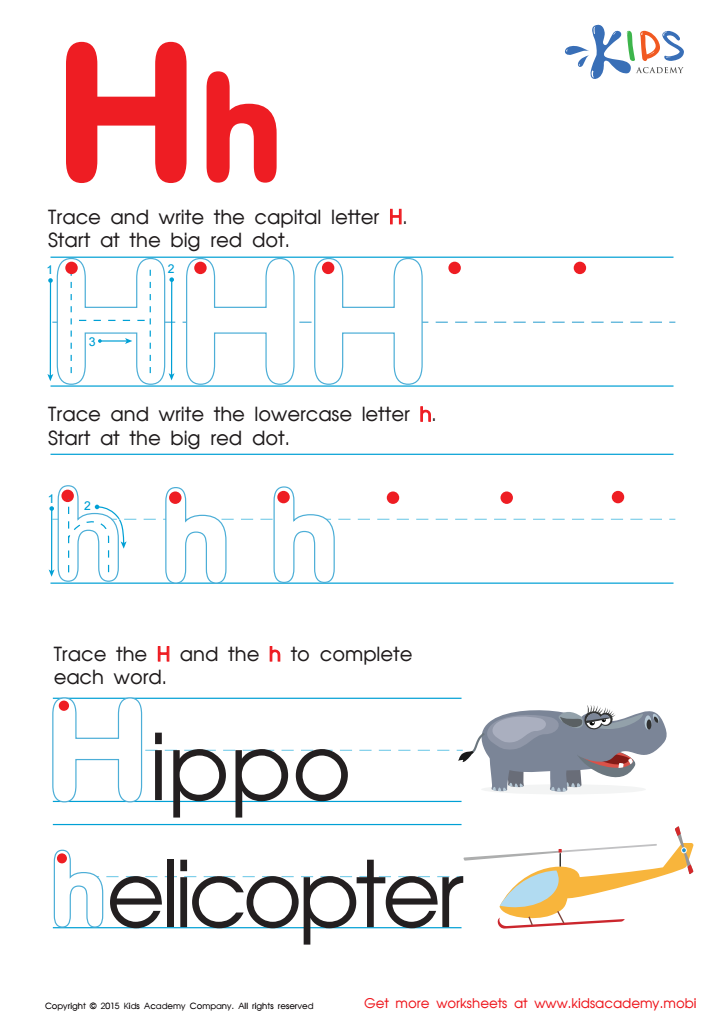
Letter H Tracing Page
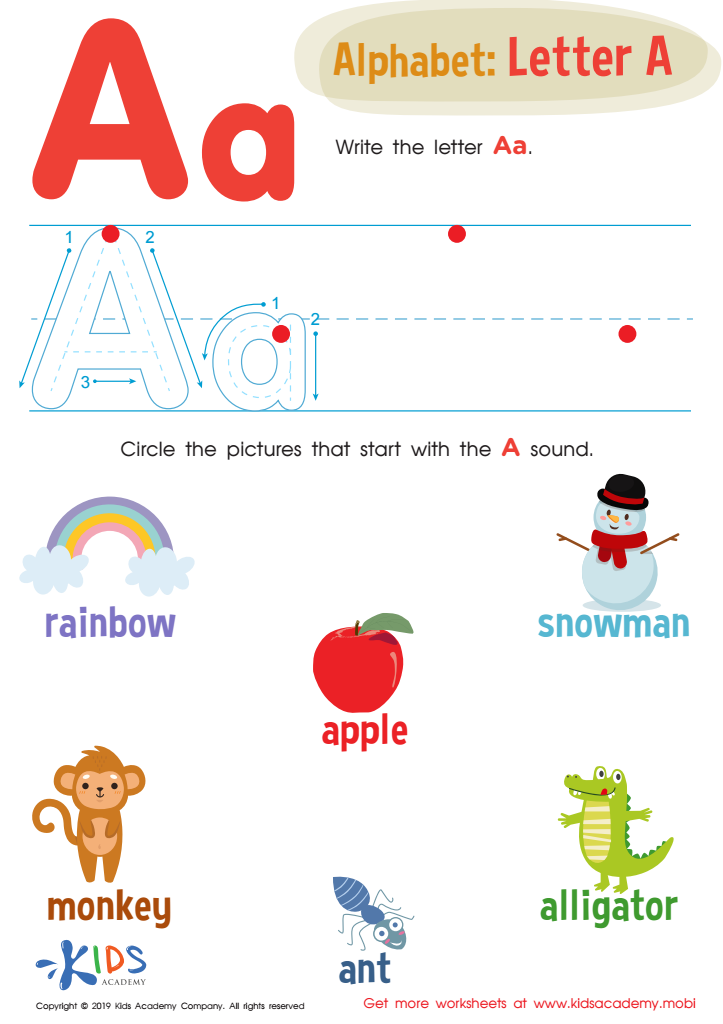
Letter A Tracing Worksheet
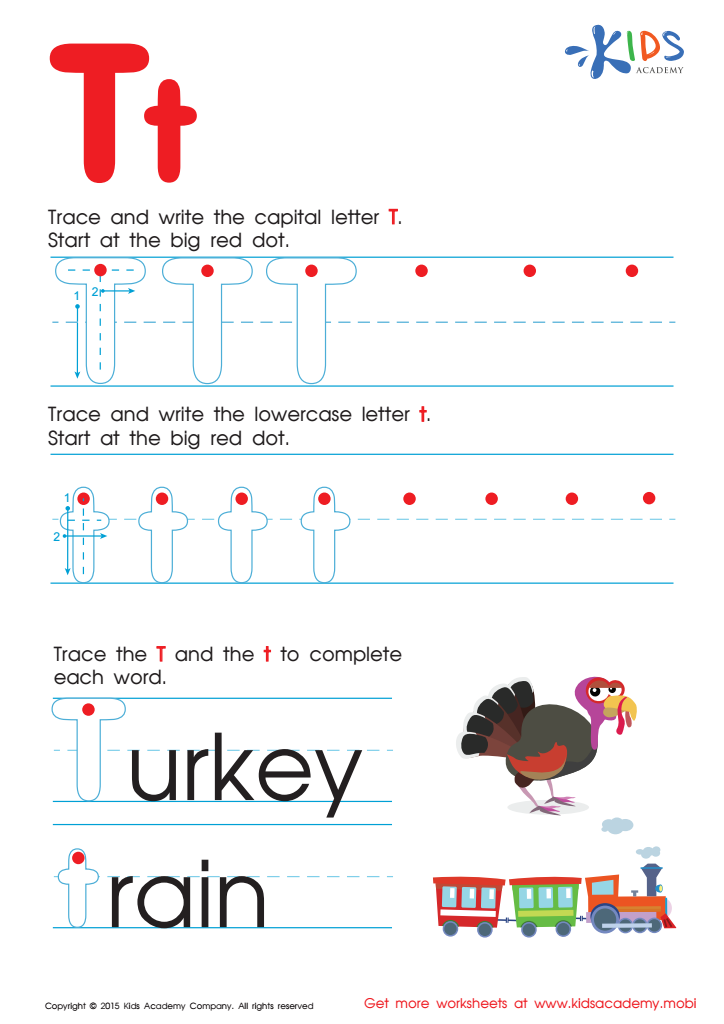
Letter T Tracing Page

Letter D Tracing Page








Alphabet tracing is a valuable activity for children aged 7-9, and parents and teachers should prioritize it for several reasons. First, tracing letters reinforces fine motor skills and hand-eye coordination. As children practice tracing, they develop the necessary muscle control to write clearly and legibly, which is crucial for effective written communication.
Second, alphabet tracing aids in literacy development. By tracing letters, children not only learn the shapes of the letters but also engage with letter sounds, enhancing their phonemic awareness. This connection between visual and auditory learning strengthens their reading and writing skills, laying a strong foundation for their educational journey.
Moreover, tracing letters can boost a child's confidence. As they witness their progress and improve their skills, they develop a sense of achievement and pride in their abilities. This emotional boost can motivate them to further engage in literacy activities.
Finally, incorporating tracing activities can be a fun and interactive experience, helping to foster a positive attitude towards learning. In summary, parents and teachers should care about alphabet tracing because it supports essential motor skills, literacy development, boosts self-confidence, and fosters a love for learning, all critical aspects of a child's growth in this formative age.








