Hand-eye Coordination Tracing Letters Worksheets for Ages 7-9
5 filtered results
-
From - To
Our Hand-Eye Coordination Tracing Letters Worksheets for ages 7-9 are meticulously designed to enhance fine motor skills and improve coordination. These engaging activities guide children in tracing letters, helping them achieve better handwriting precision while solidifying their understanding of the alphabet. Each worksheet is crafted to maintain the child's interest, blending learning with fun. By improving hand-eye coordination, these exercises set a foundation for success in writing and other academic skills. Perfect for classroom or home use, our tracing worksheets are an excellent resource for parents and educators aiming to support and stimulate young learners effectively.
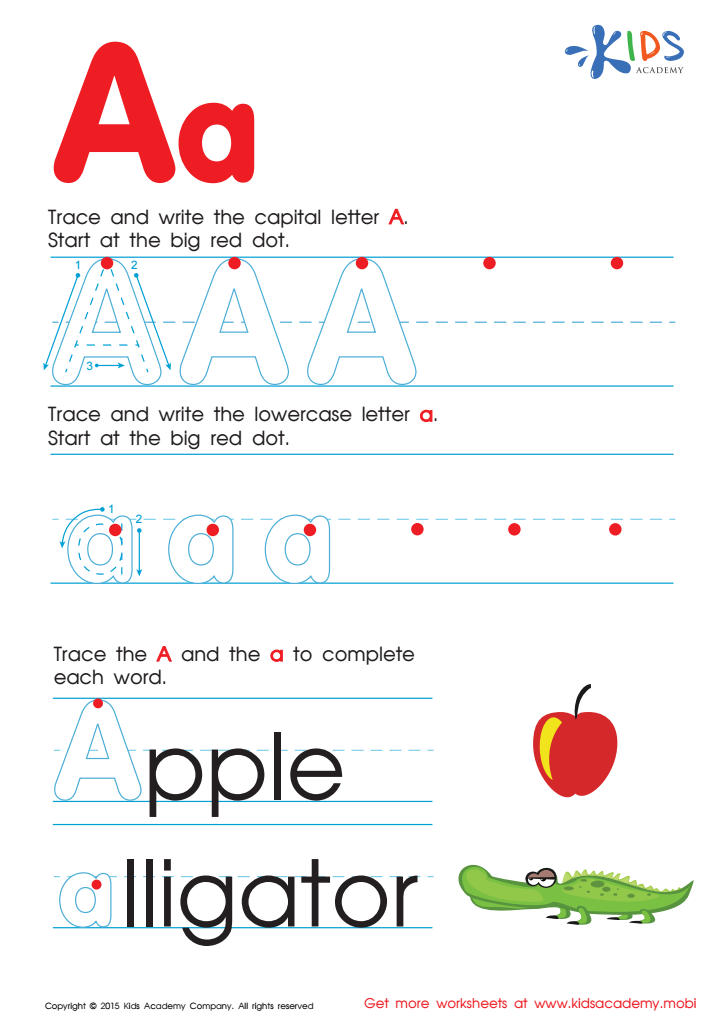
Letter A Tracing Page
 Assign to My Students
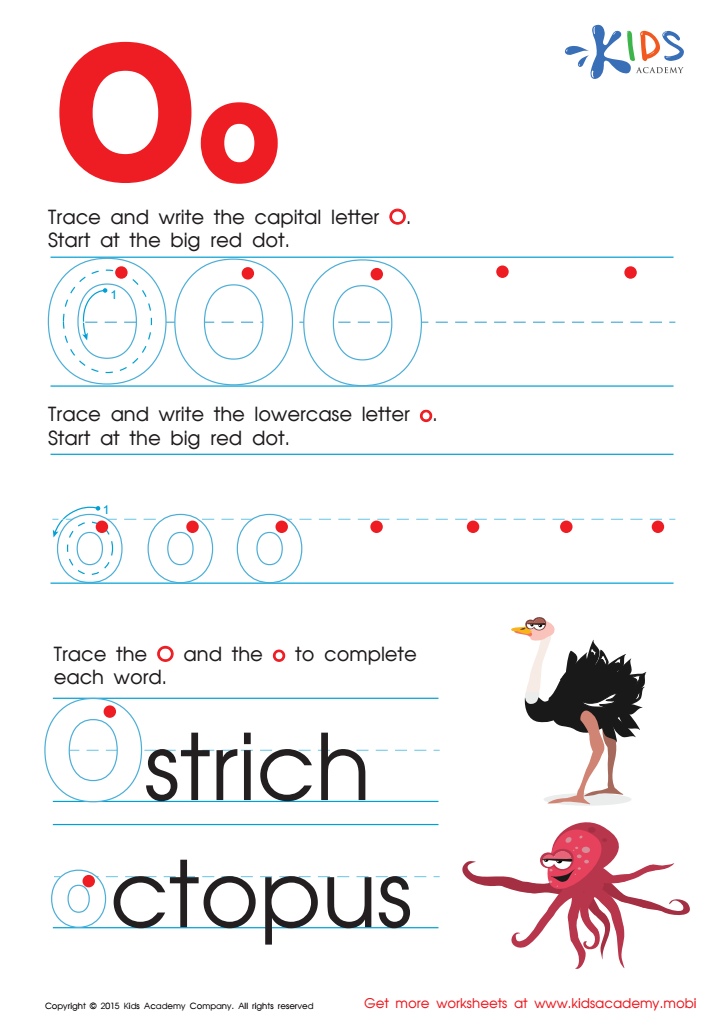
Letter O Tracing Page
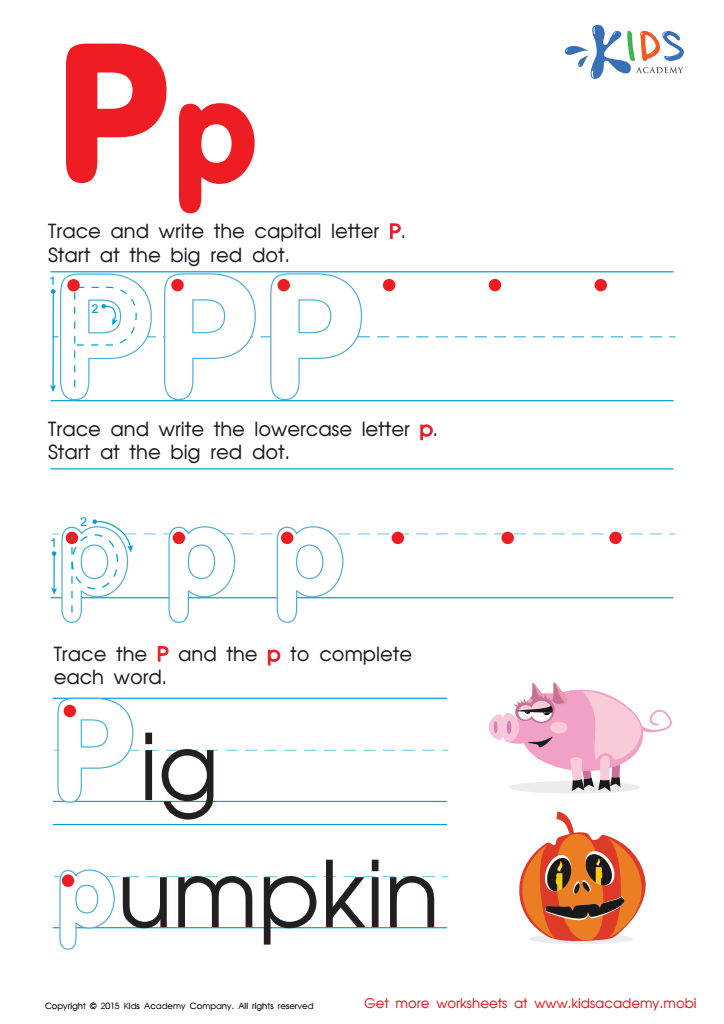
Letter P Tracing Page
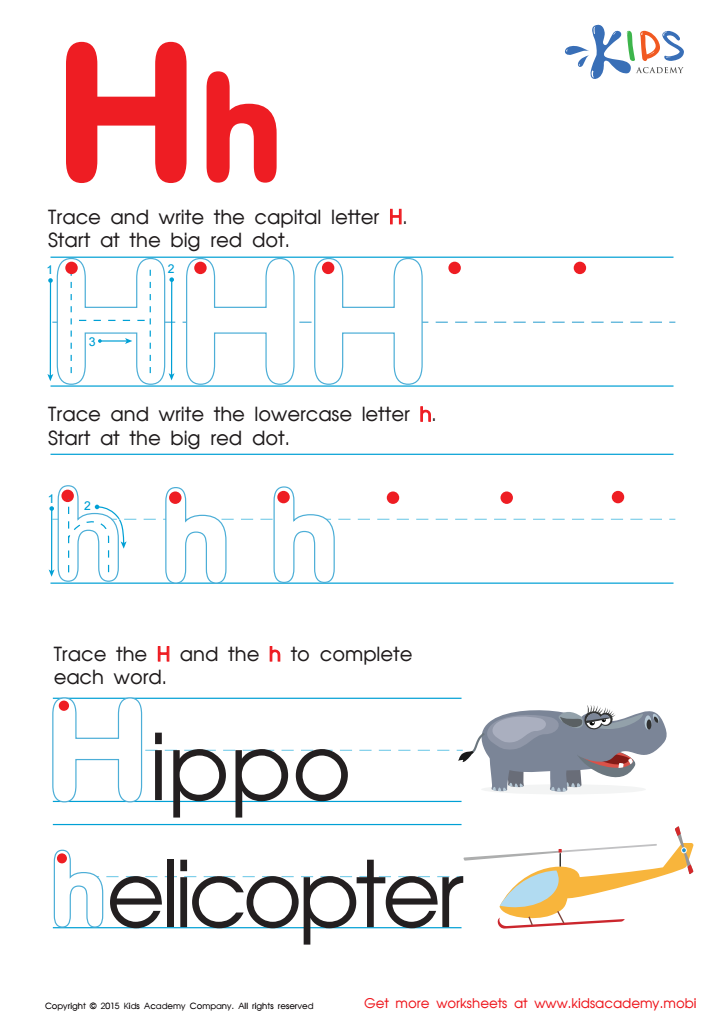
Letter H Tracing Page
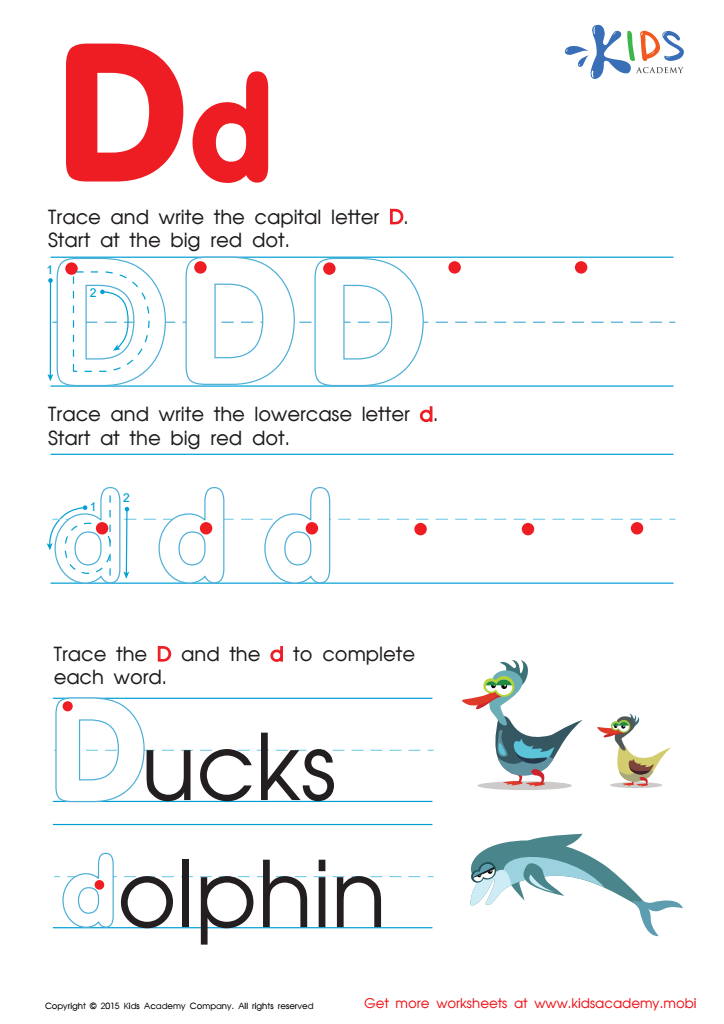
Letter D Tracing Page








Hand-eye coordination is a crucial skill for children, particularly in the 7-9 age group. Parents and teachers should prioritize activities like tracing letters because it provides myriad developmental benefits. Hand-eye coordination, the synchronized control of eye movement with hand movement, is fundamental for successful writing and reading.
Firstly, tracing letters aids in fine motor development. Fine motor skills are essential for everyday tasks such as buttoning clothes, using utensils, and of course, writing legibly. By tracing letters, children learn to control the pressure applied with writing instruments, improving penmanship and reducing physical fatigue during longer writing tasks.
Secondly, enhancing hand-eye coordination through letter tracing supports cognitive development. This activity helps children recognize letter shapes and forms, improving their overall literacy and pre-reading skills. The repetitive motion of tracing also reinforces memory retention of letter forms, making reading and writing more fluid and automatic.
Moreover, activities like tracing letters can boost a child's confidence and sense of achievement. Successfully completing tracing tasks fosters a sense of accomplishment that encourages children to engage more in writing activities, laying a strong foundation for future educational success.
In summary, hand-eye coordination via letter tracing supports crucial components of learning and everyday skills, making it essential for a child's developmental growth in literacy, fine motor abilities, and self-confidence.








