Strategic thinking Chess Worksheets for Ages 7-9
3 filtered results
-
From - To
Enhance your child's strategic thinking skills with our engaging Chess Worksheets designed for ages 7-9. These printable worksheets offer fun and interactive activities that introduce young learners to the fundamentals of chess strategy. Through various challenges and puzzles, kids will develop critical thinking, problem-solving abilities, and patience, all while enjoying the classic game of chess. Ideal for both home and classroom use, our resources are tailored to foster cognitive development and promote a love for chess in a playful and educational manner. Start nurturing your child's strategic mind today with our expertly crafted worksheets!
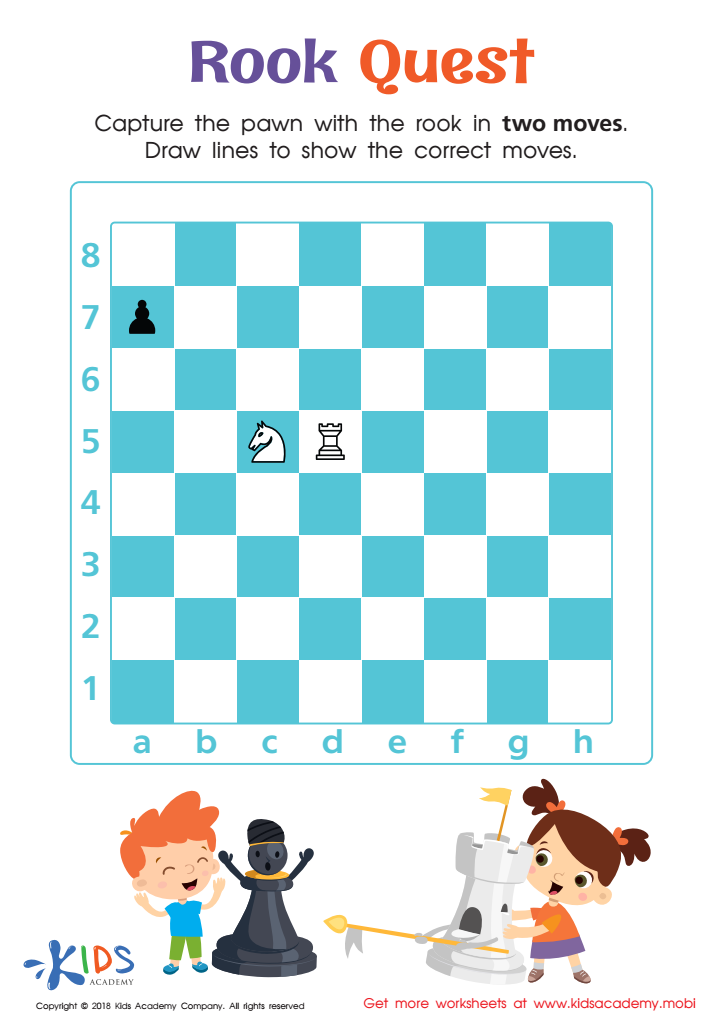
Rook Quest Worksheet
 Assign to My Students
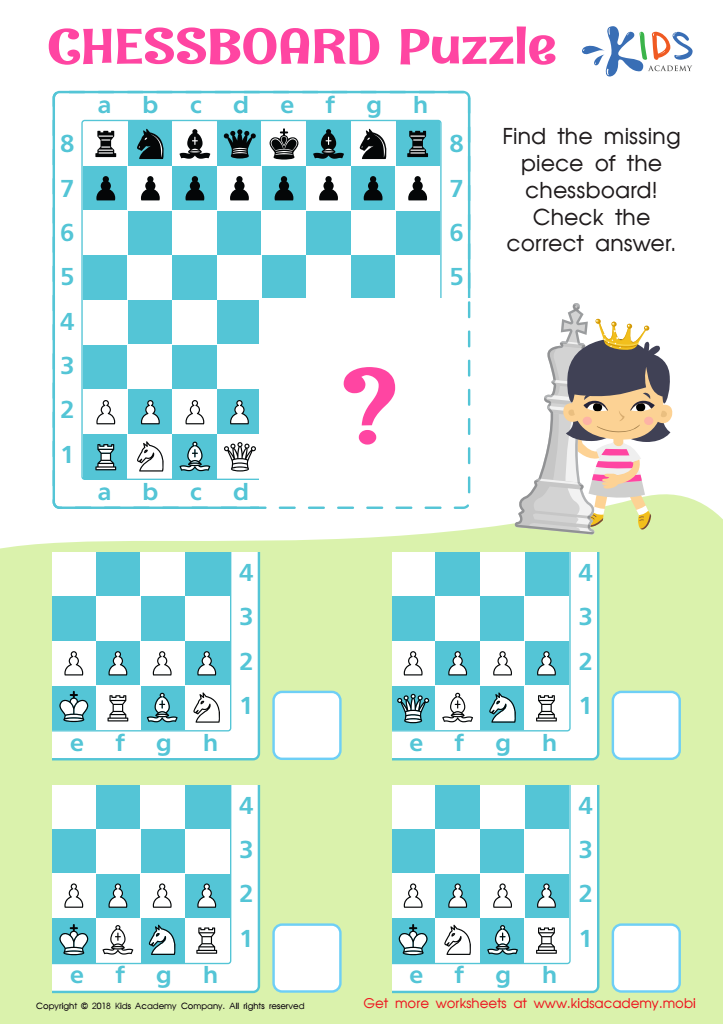
Chessboard Puzzle Worksheet
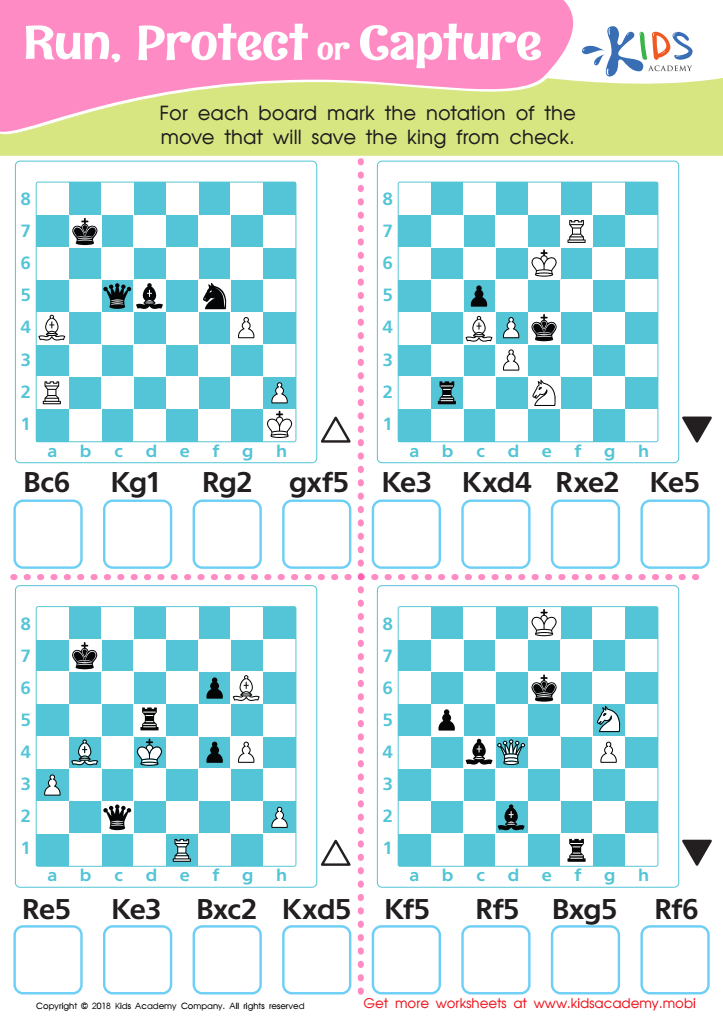
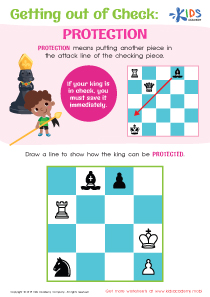
Run, Protect or Capture Worksheet






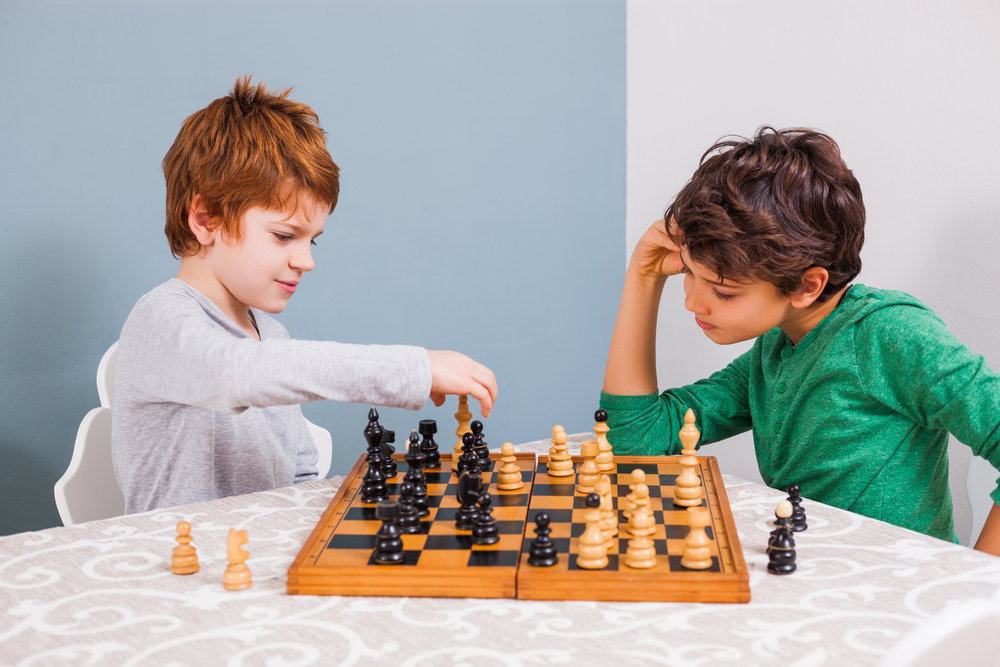
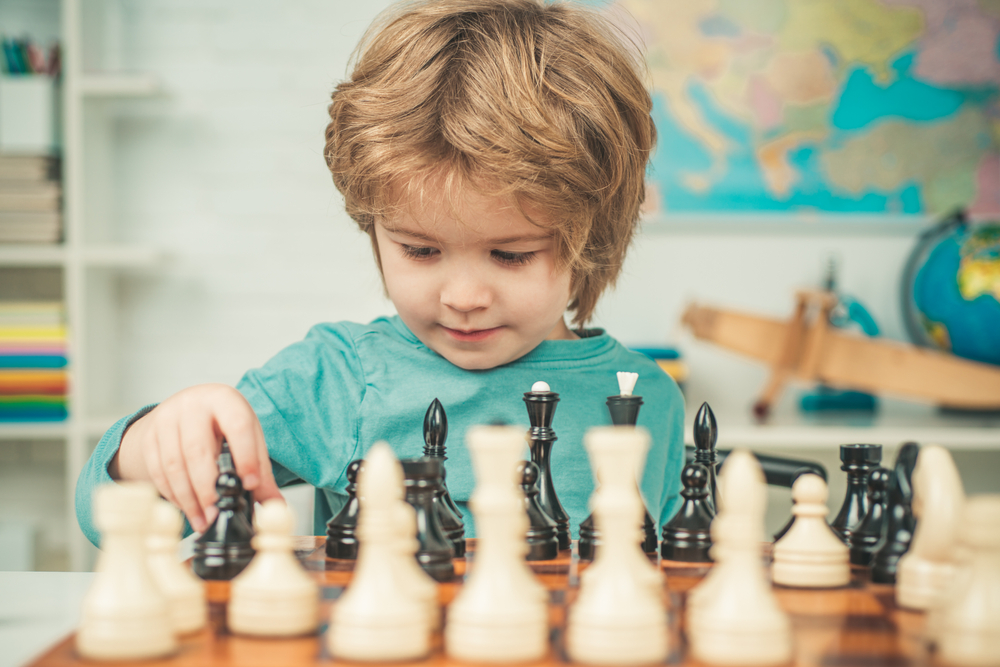
Strategic thinking in chess offers a multitude of benefits for children aged 7-9, making it essential for parents and teachers to prioritize its inclusion in their educational and developmental activities. First and foremost, chess cultivates critical thinking skills. Each move requires children to plan, foresee potential outcomes, and adapt their strategies, fostering robust problem-solving abilities.
Moreover, chess teaches patience and the importance of evaluating consequences before acting. This age group is particularly receptive, as they begin to understand complex concepts—chess provides a structured environment where they can practice this skill. Additionally, it enhances memory and concentration, as players need to remember previous moves, apply learned strategies, and sustain focus over time.
Socially, chess can promote bonding and interaction among peers through friendly competition, teaching children about sportsmanship and teamwork. It also offers a sense of achievement when they master new strategies or win games, boosting self-esteem.
Ultimately, engaging children in chess enriches their cognitive, social, and emotional development, laying a strong foundation for future academic and personal success. Therefore, both parents and teachers should actively encourage chess as part of a well-rounded education and childhood experience.