Letter recognition English for Beginners Worksheets for Ages 7-9 - Page 2
41 filtered results
-
From - To
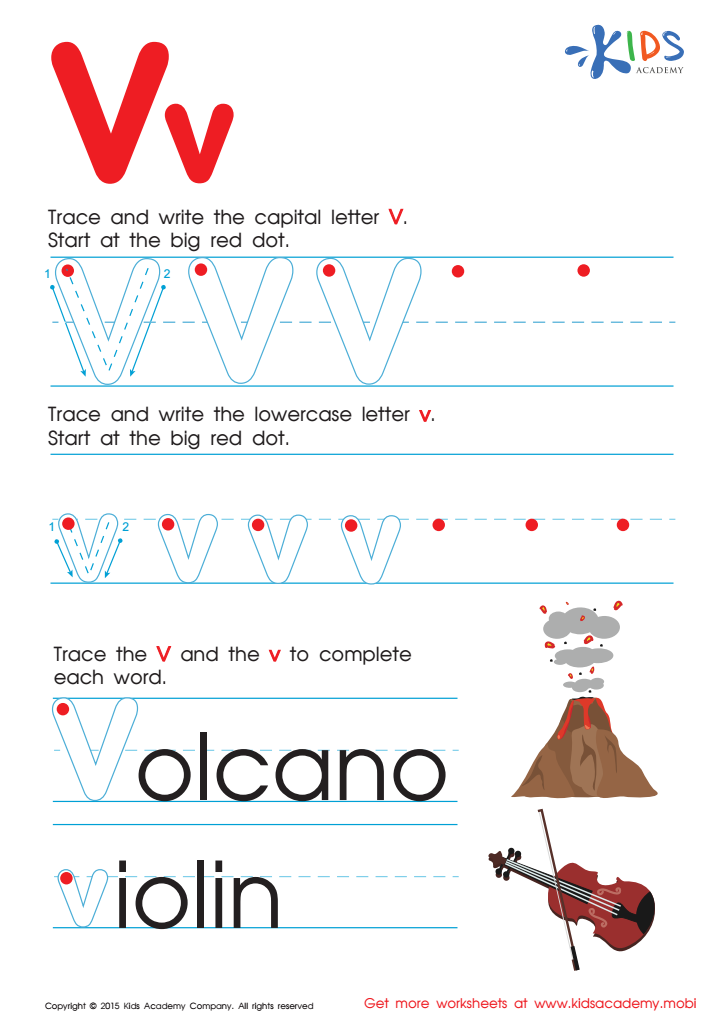
Letter V Tracing Page
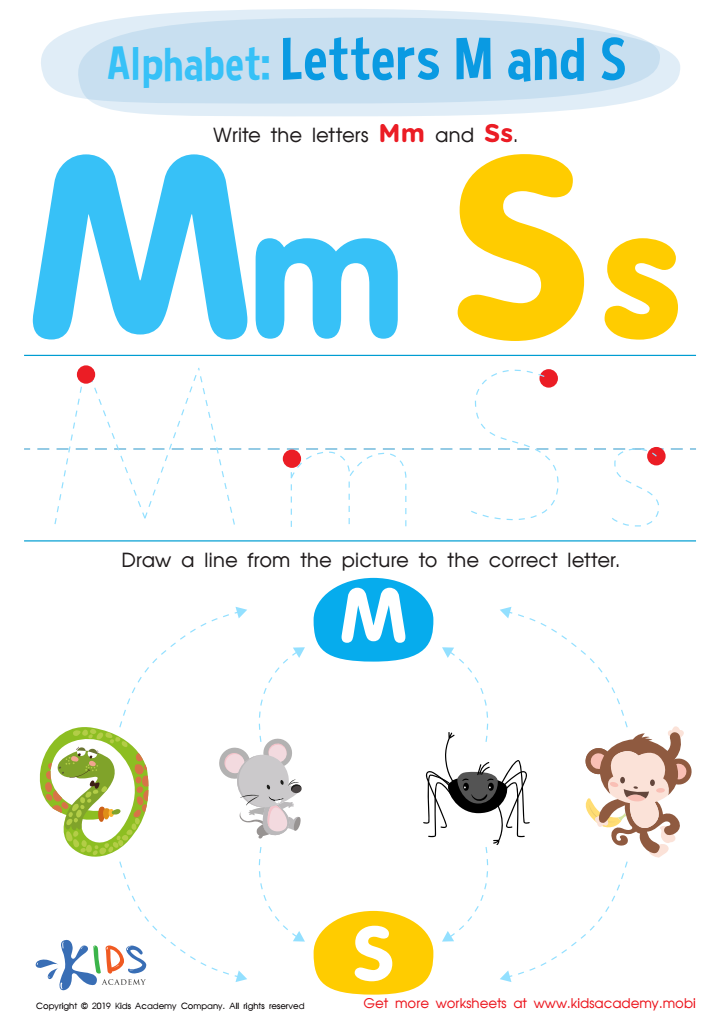
Letters M and S Tracing Worksheet
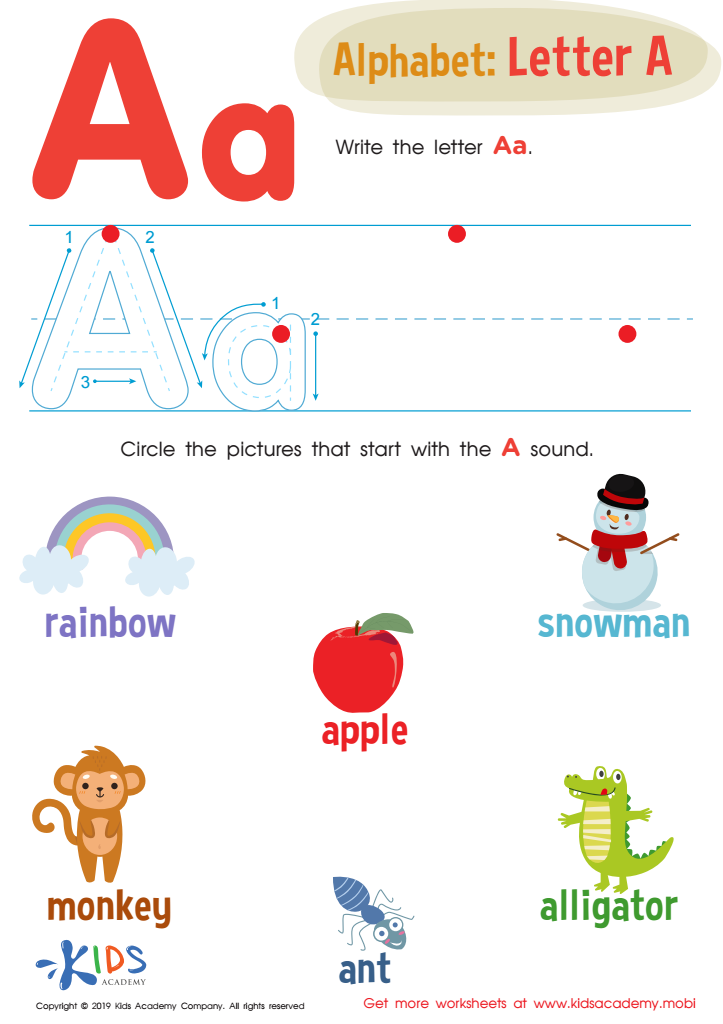
Letter A Tracing Worksheet
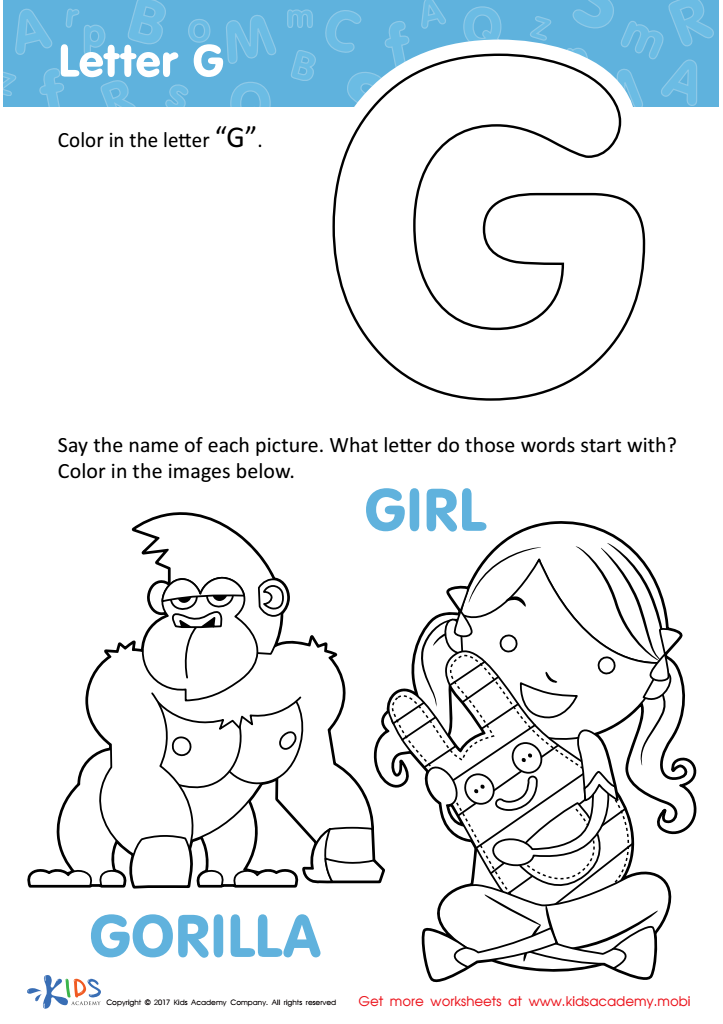
Letter G Coloring Sheet
 Assign to My Students
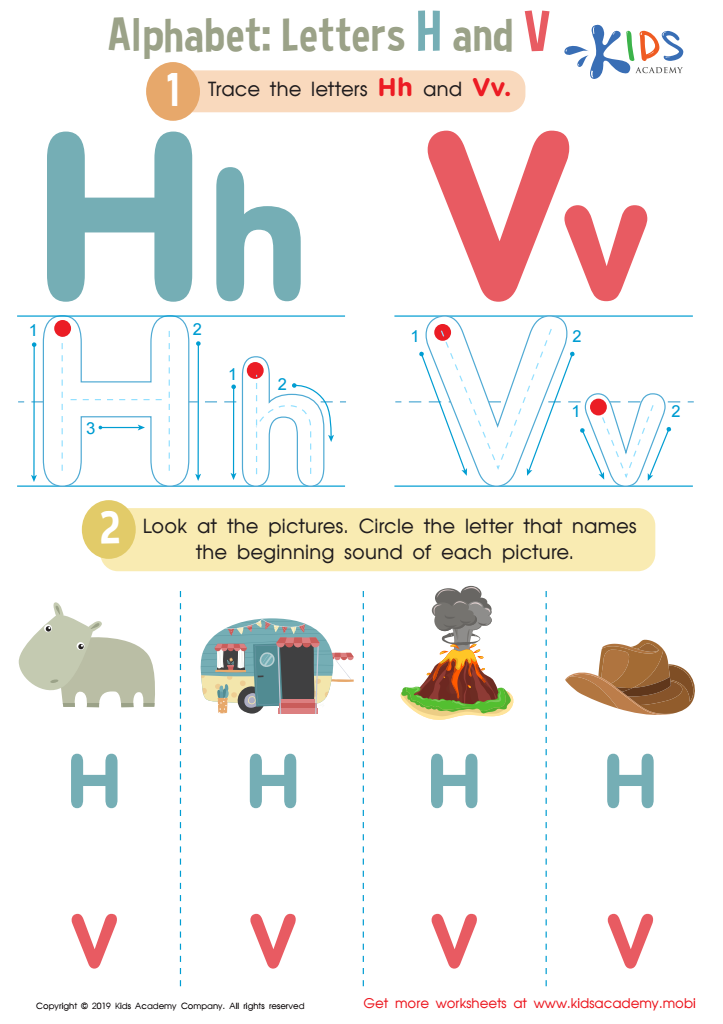
Letters H and V Tracing Worksheet
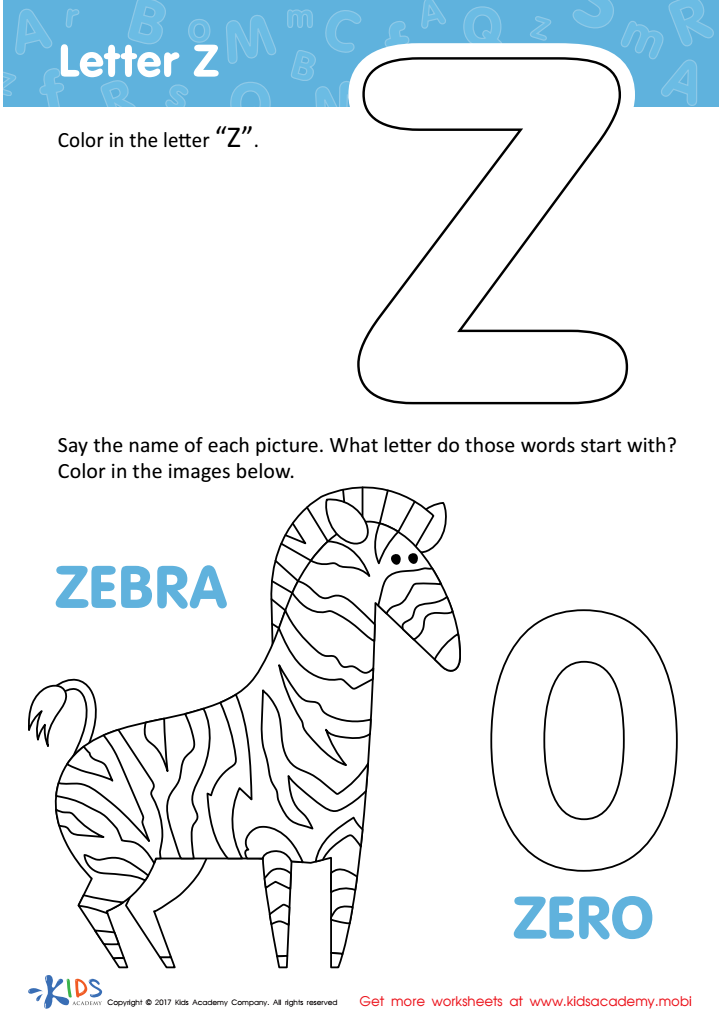
Letter Z Coloring Sheet
Assign to My Students
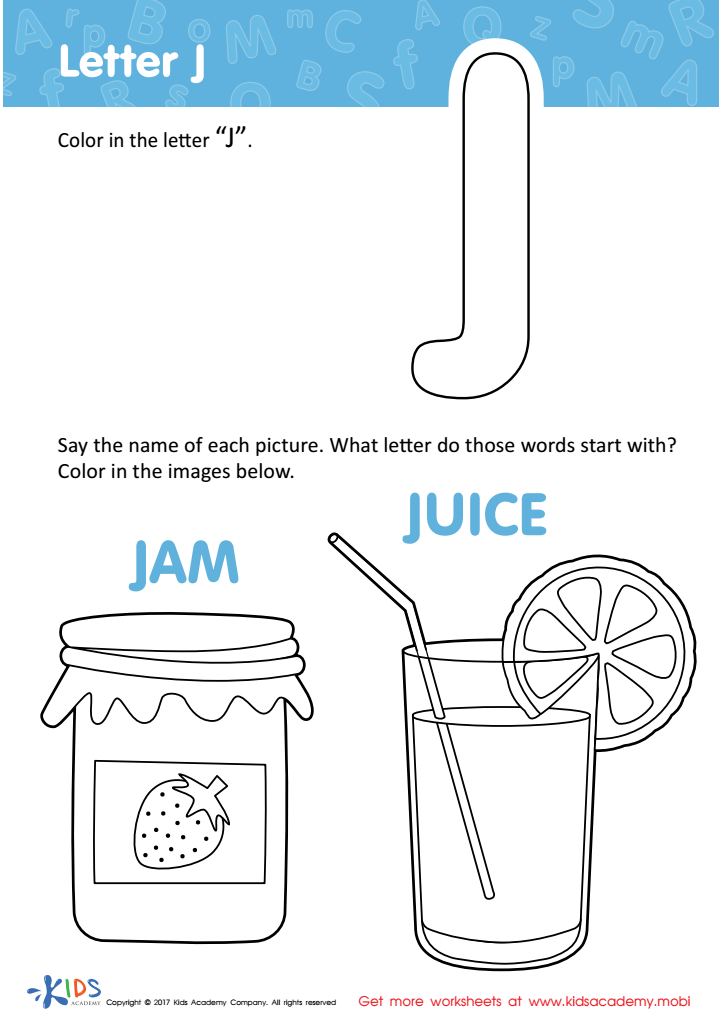
Letter J Coloring Sheet
Assign to My Students
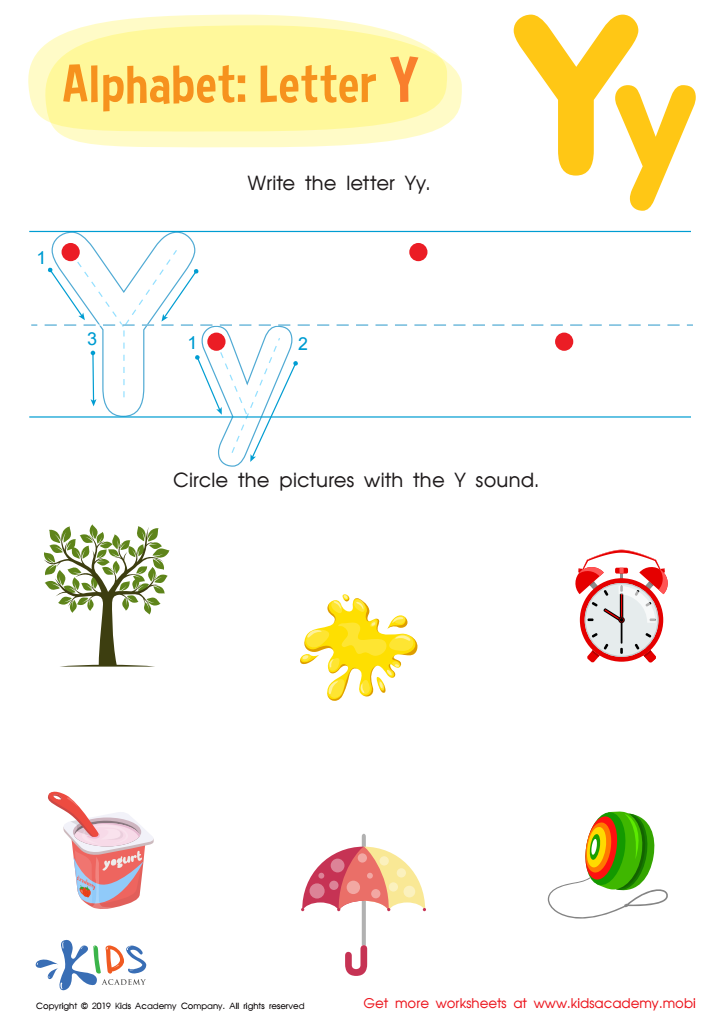
Letter Y Tracing Worksheet
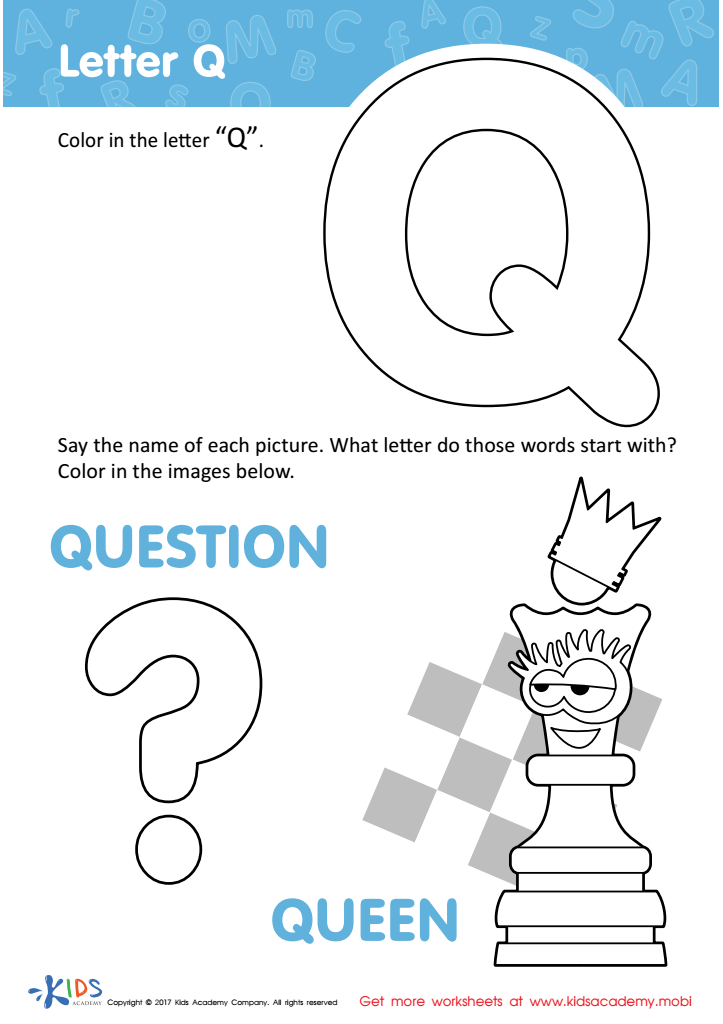
Letter Q Coloring Sheet
Assign to My Students
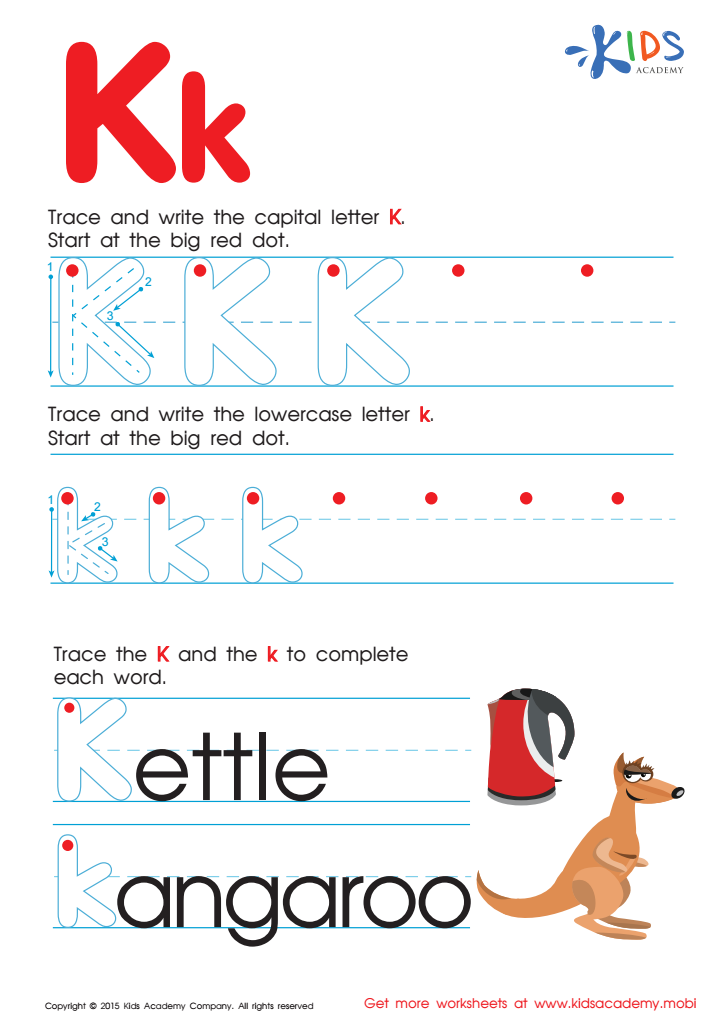
Letter K Tracing Page
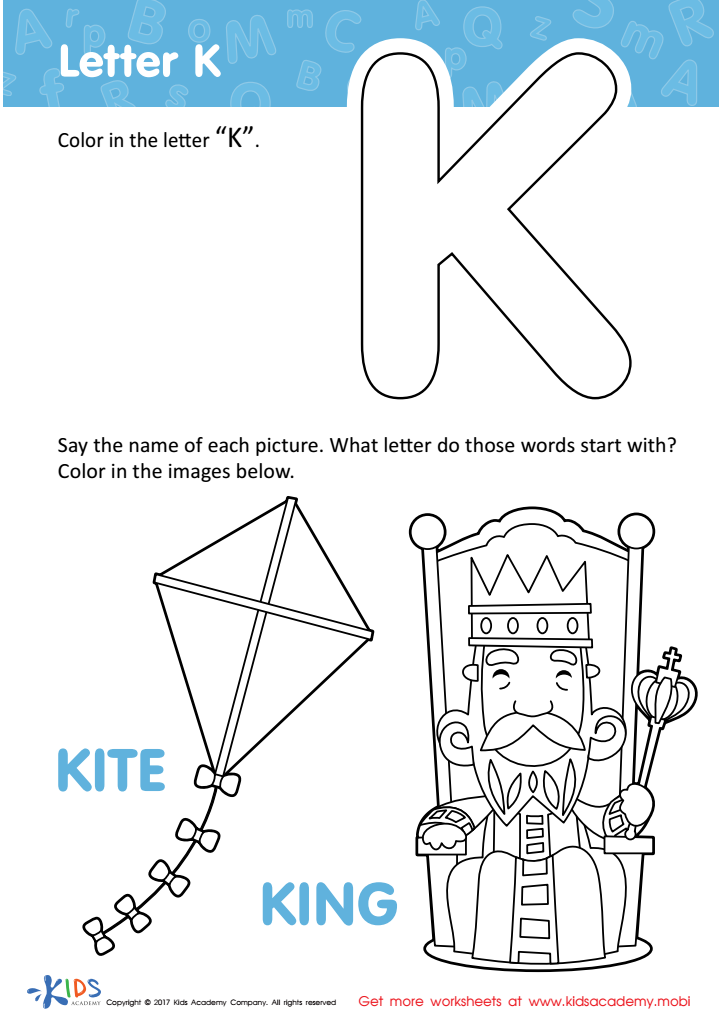
Letter K Coloring Sheet
Assign to My Students
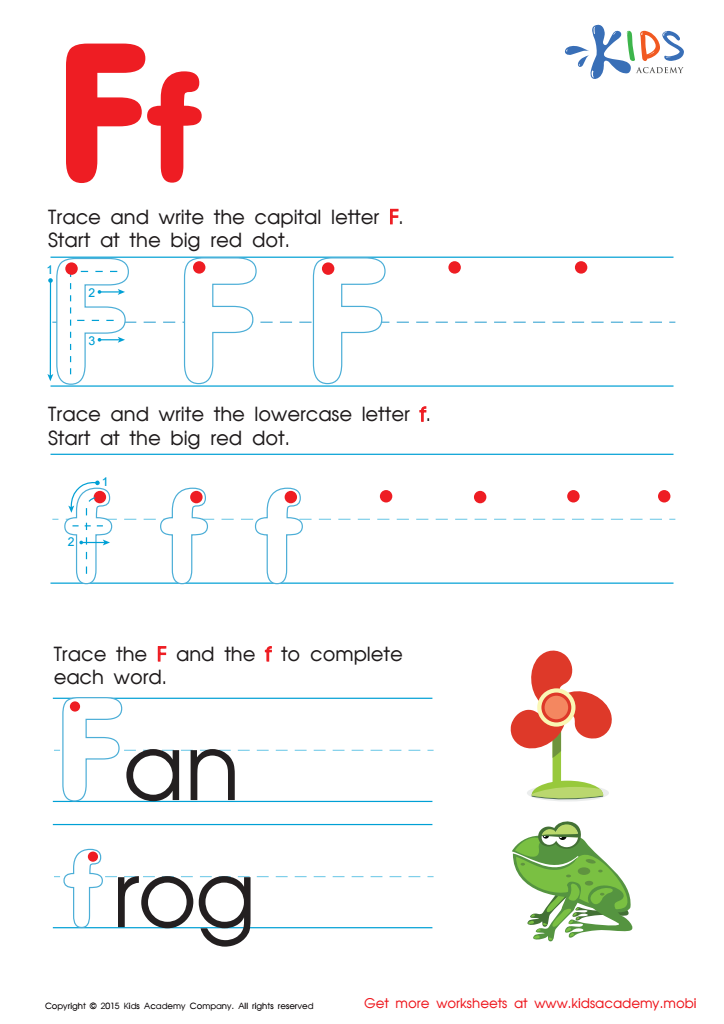
Letter F Tracing Page
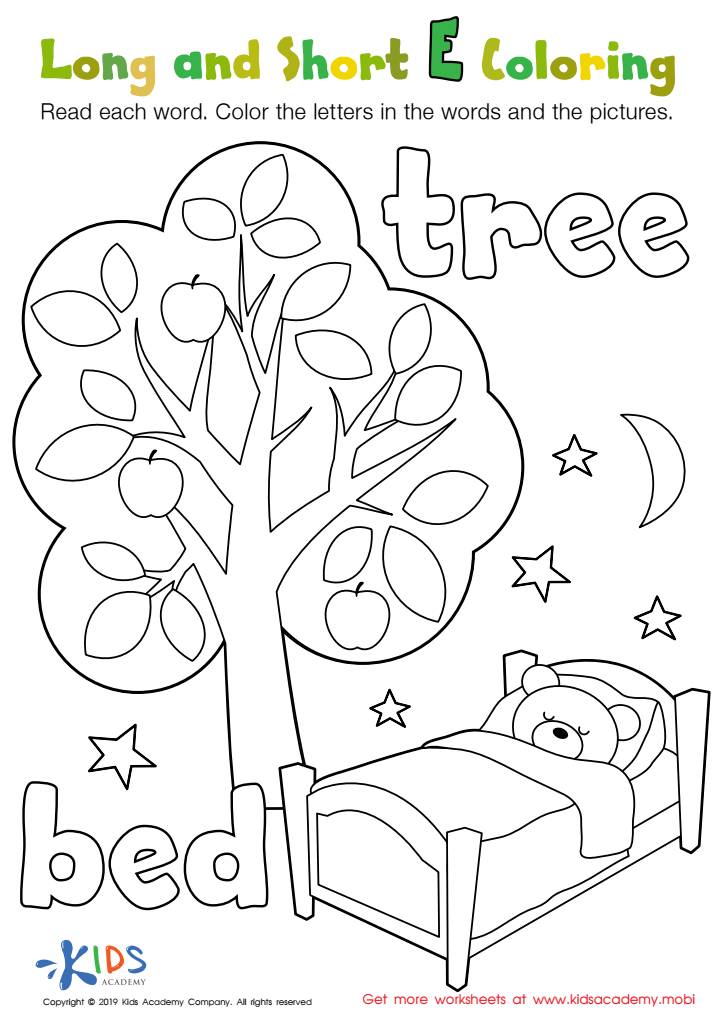
Long and Short E Worksheet
Assign to My Students
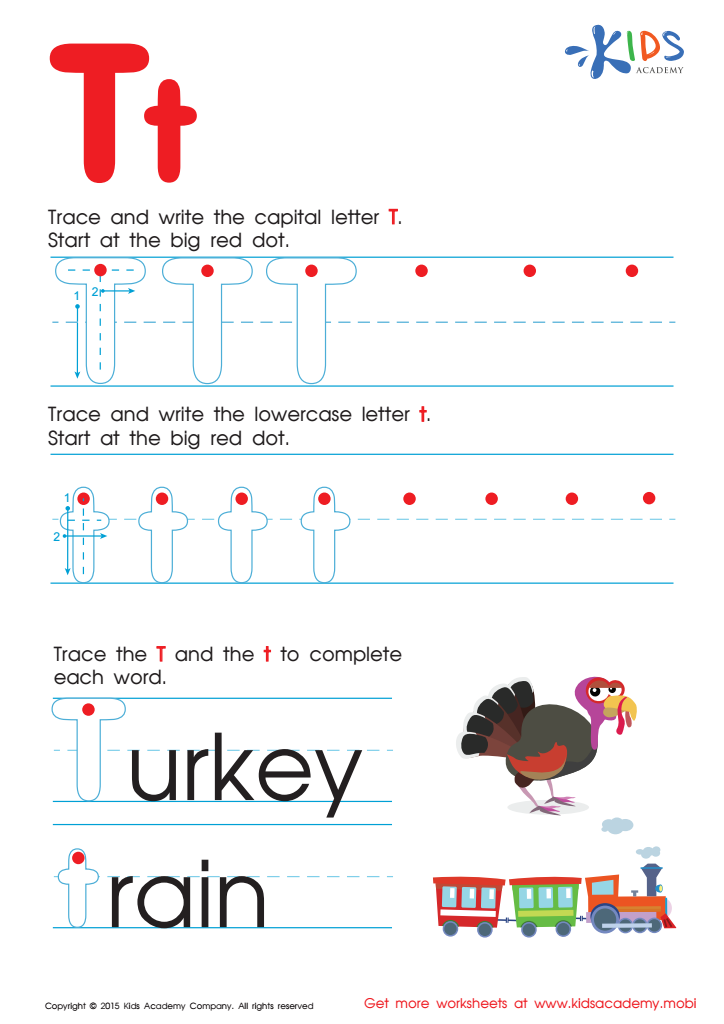
Letter T Tracing Page
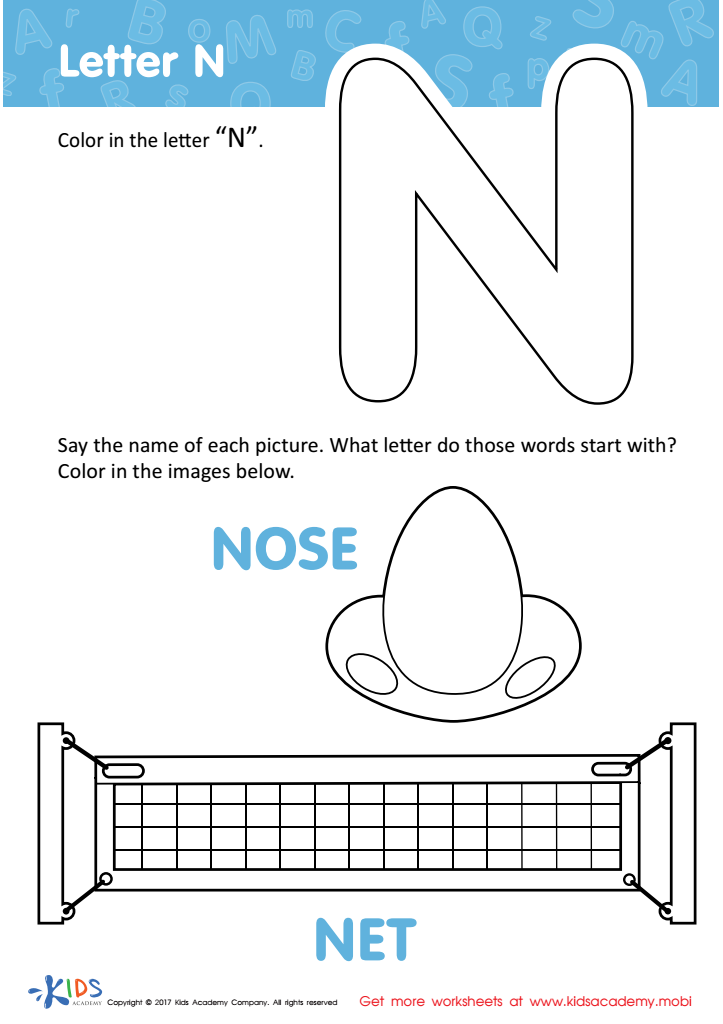
Letter N Coloring Sheet
Assign to My Students
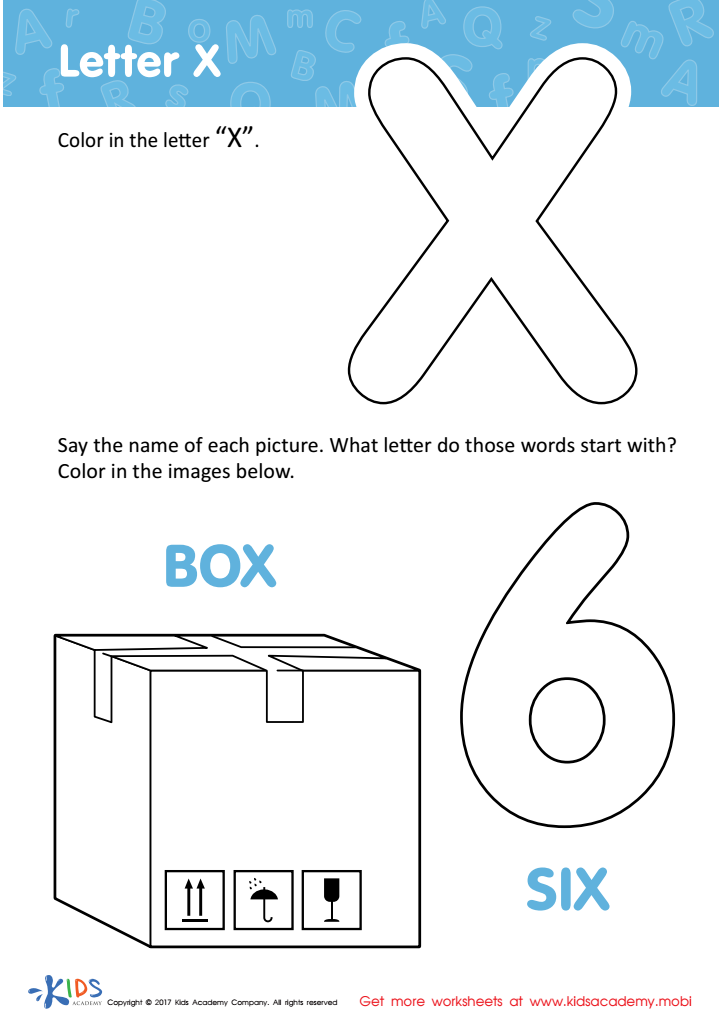
Letter X Coloring Sheet
Assign to My Students
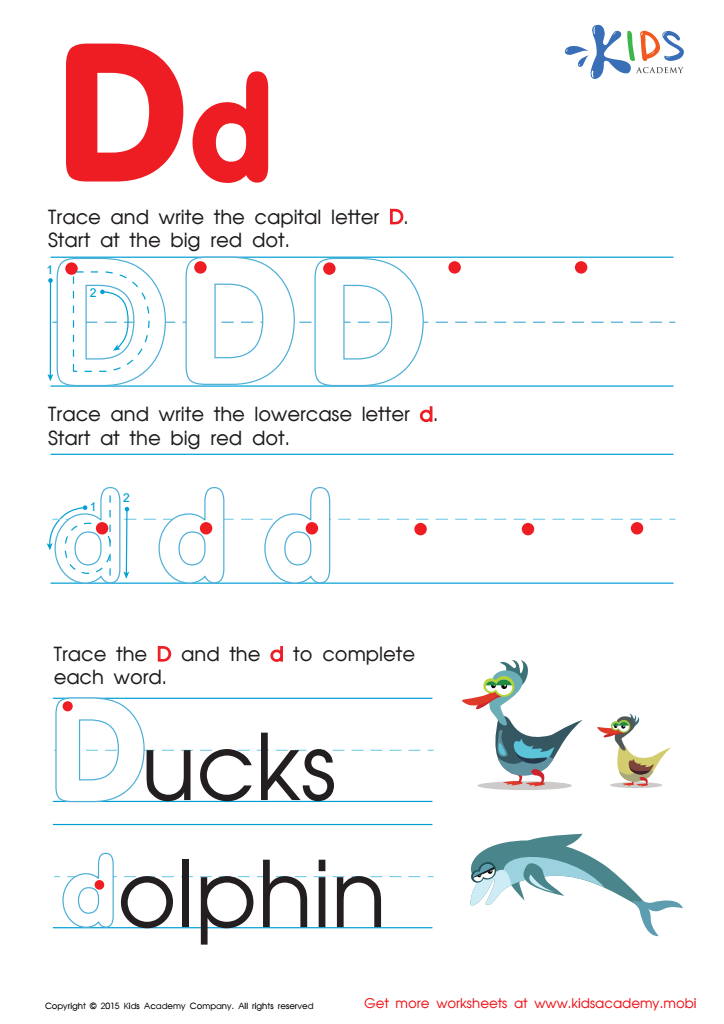
Letter D Tracing Page





Letter recognition is a foundational skill in literacy development for young learners, particularly for ages 7-9. This stage marks a critical period where children transition from learning to read to reading to learn. Mastery of letter recognition lays the groundwork for phonics, spelling, and vocabulary development—essential skills that support overall academic success.
For parents and teachers, fostering strong letter recognition skills can enhance a child's confidence and enthusiasm for reading. When children can easily identify letters, they are more likely to approach reading activities with curiosity and less anxiety. This positive attitude promotes a lifelong love for learning.
Moreover, strong letter recognition aids in fluency and comprehension. As children begin to read sentences and paragraphs, their ability to quickly identify letters allows them to focus on the meaning of the text rather than struggling with word formation.
By investing time in letter recognition through engaging activities—like games, songs, and hands-on practice—parents and teachers create a rich learning environment. This not only supports cognitive development but also strengthens the child-adult bond through shared educational experiences. Encouraging this skill is vital, as it opens doors to academic opportunities and fosters essential communication skills for the future.