Analytical thinking Worksheets for Ages 7-9
15 filtered results
-
From - To
Boost your child's cognitive skills with our Analytical Thinking Worksheets for Ages 7-9. Designed to enhance problem-solving abilities, these engaging activities foster critical analysis and logical reasoning. Each worksheet offers fun and educational exercises that support classroom learning and develop essential life skills. From puzzles and patterns to sequencing and comparison tasks, these resources make learning enjoyable while encouraging independent thought. Perfect for young learners, our worksheets build a solid foundation in analytical thinking, preparing kids for future academic success. Encourage your child to explore, think critically, and thrive with our expertly crafted printable worksheets.
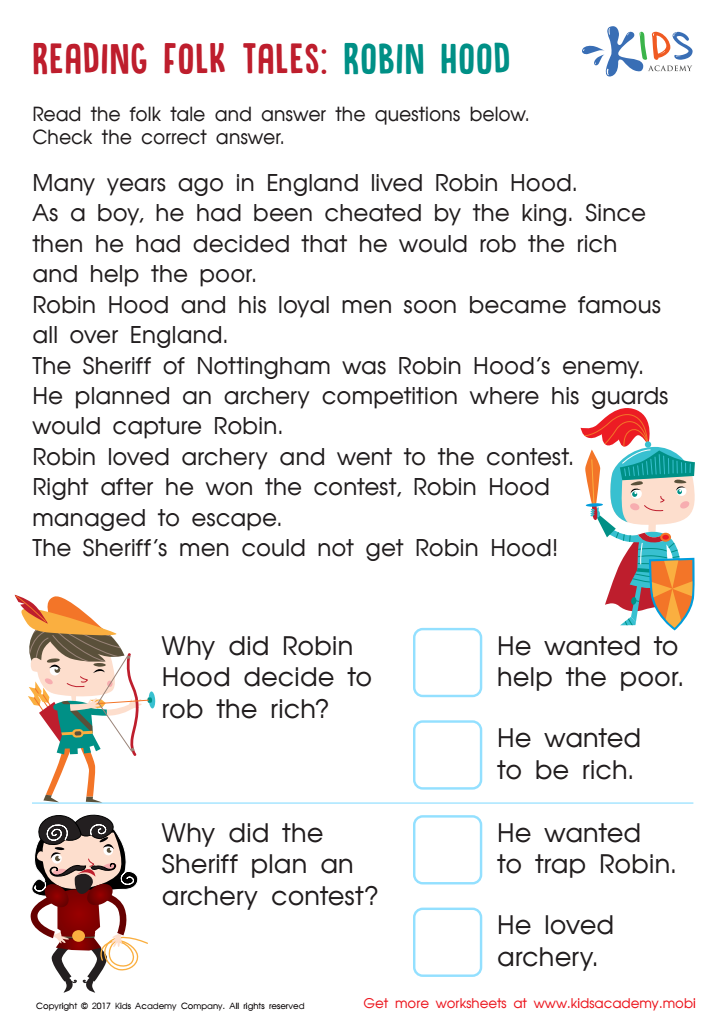
Robin Hood Folktale Worksheet
 Assign to My Students
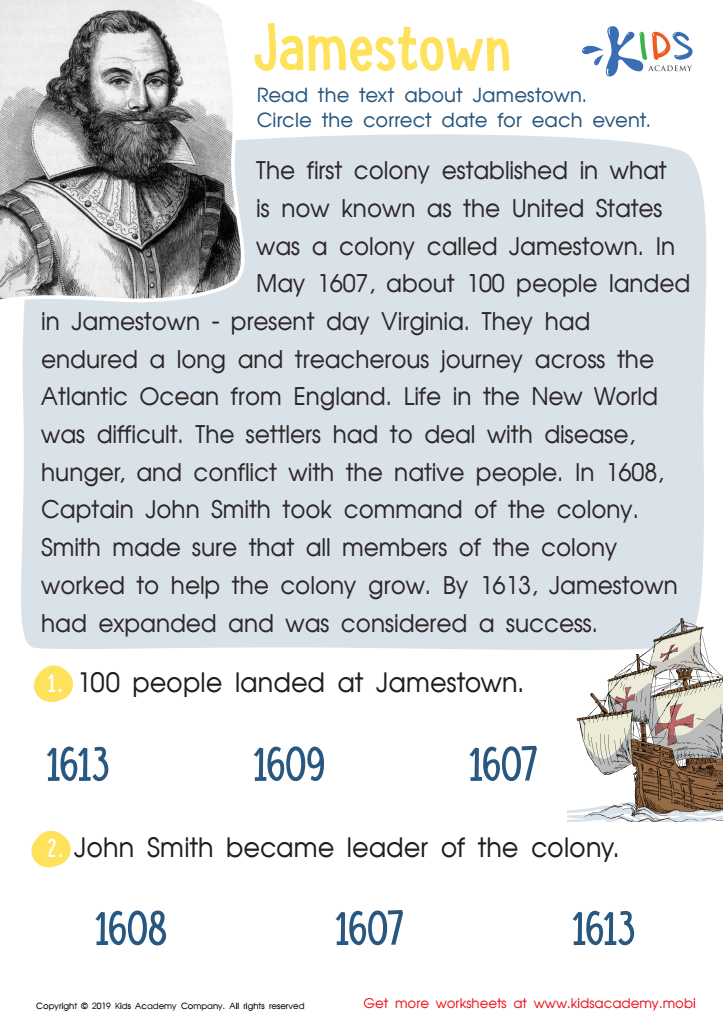
Jamestown Worksheet
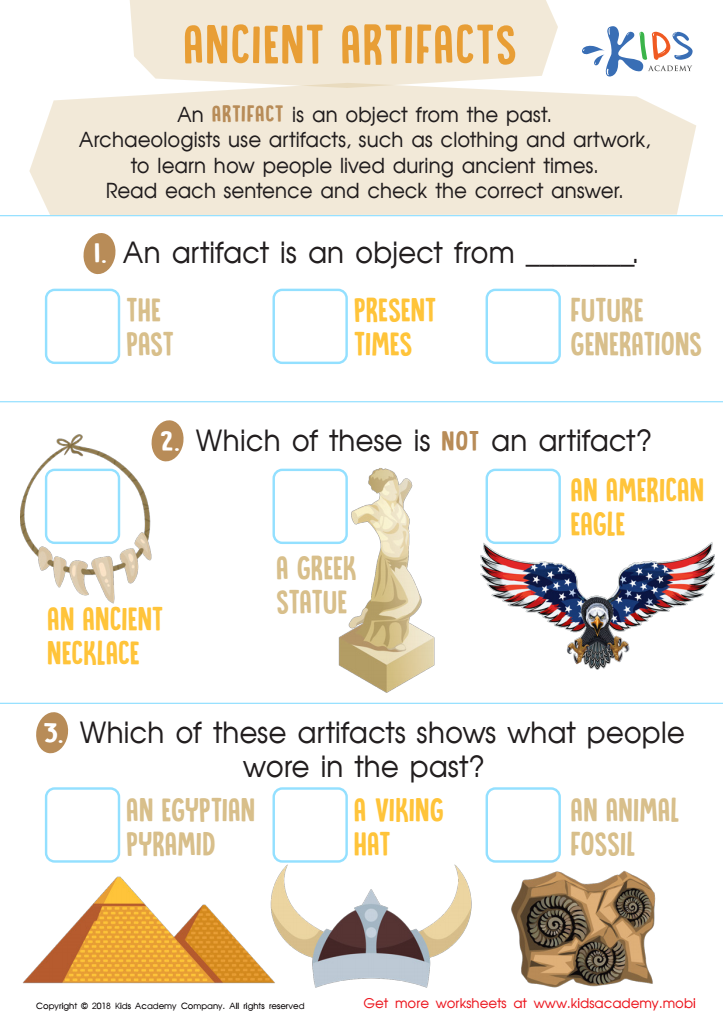
Ancient Artifacts Worksheet

Maya, Inca and Aztecs Worksheet
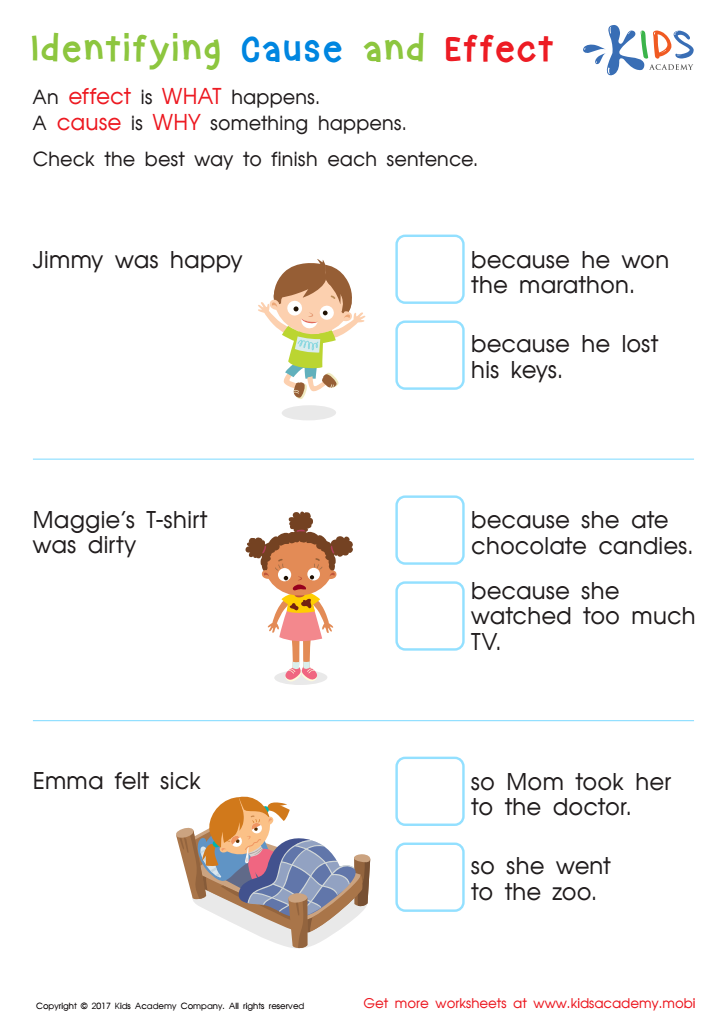
Indentifying Cause and Effect Worksheet
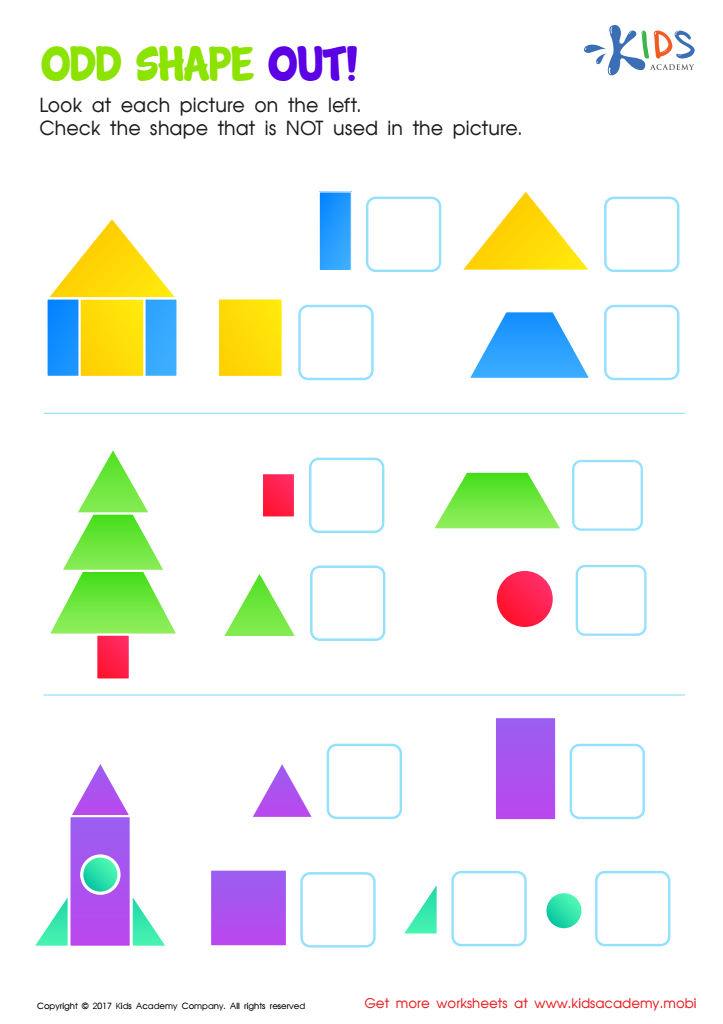
Odd Shape Out Worksheet for Grade 1
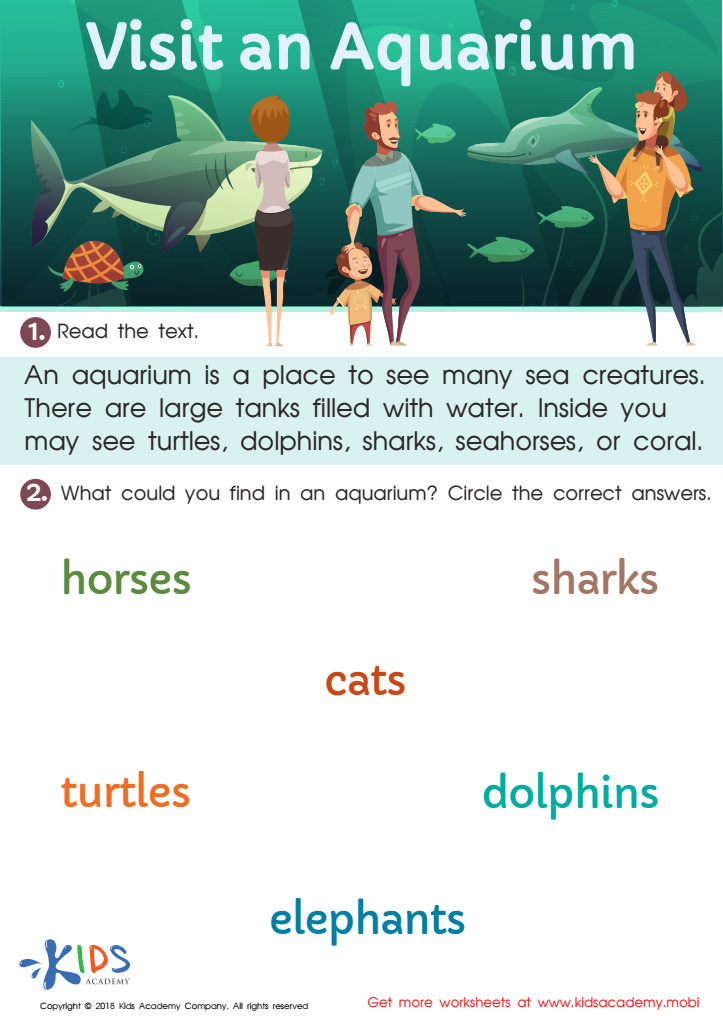
Visit an Aquarium Worksheet
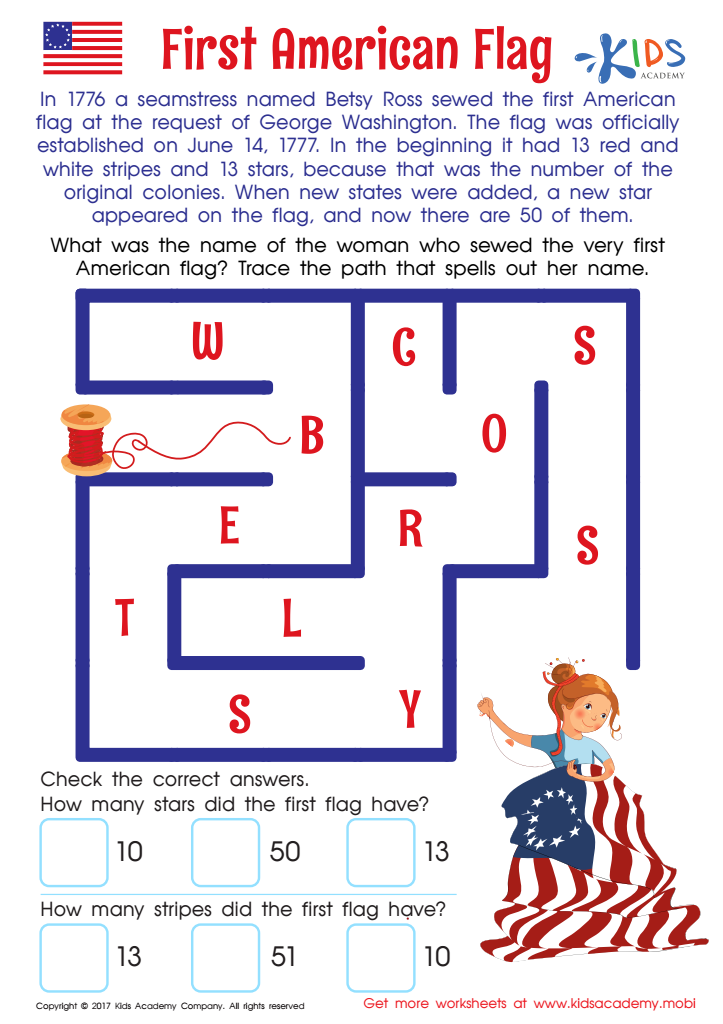
First American Flag Worksheet
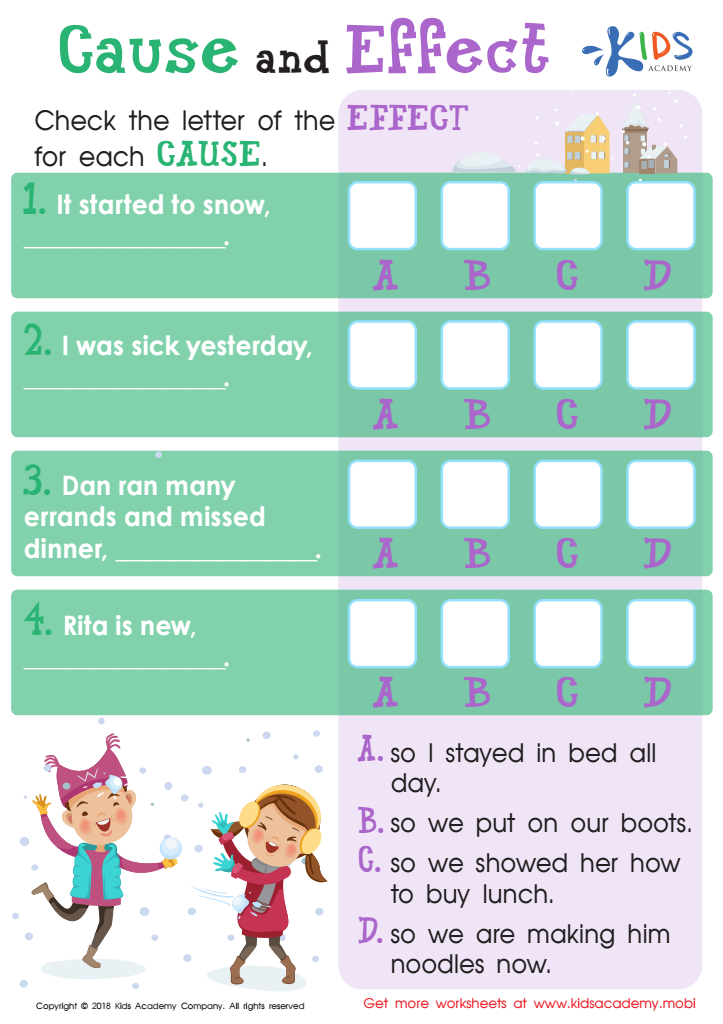
Cause and Effect Worksheet
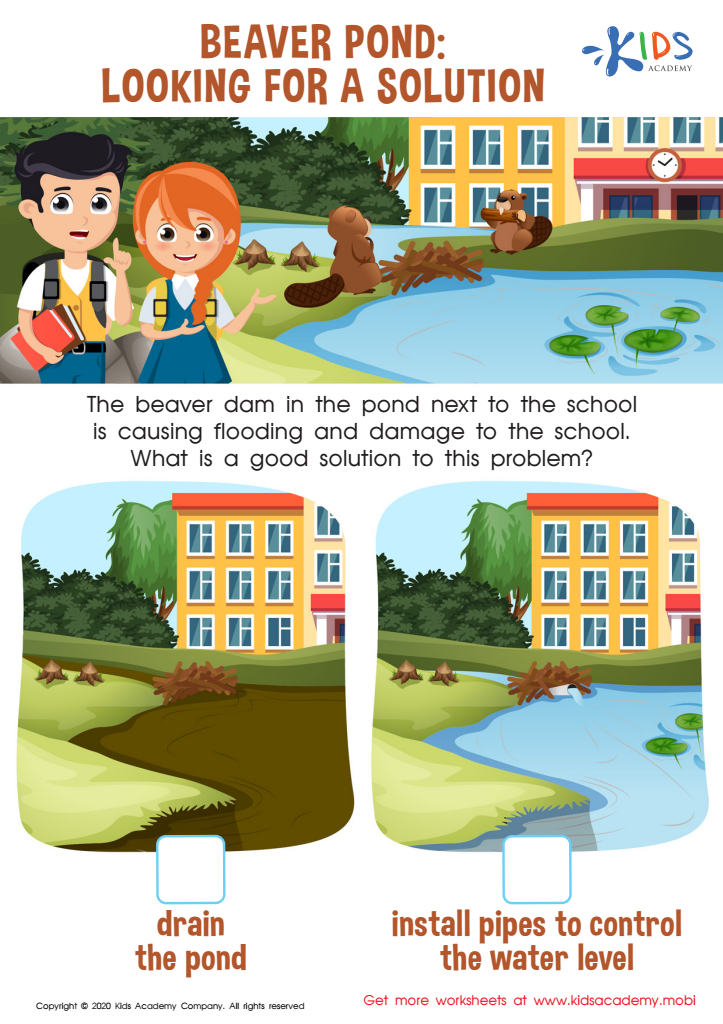
Beaver Pond: Looking for a Solution Worksheet
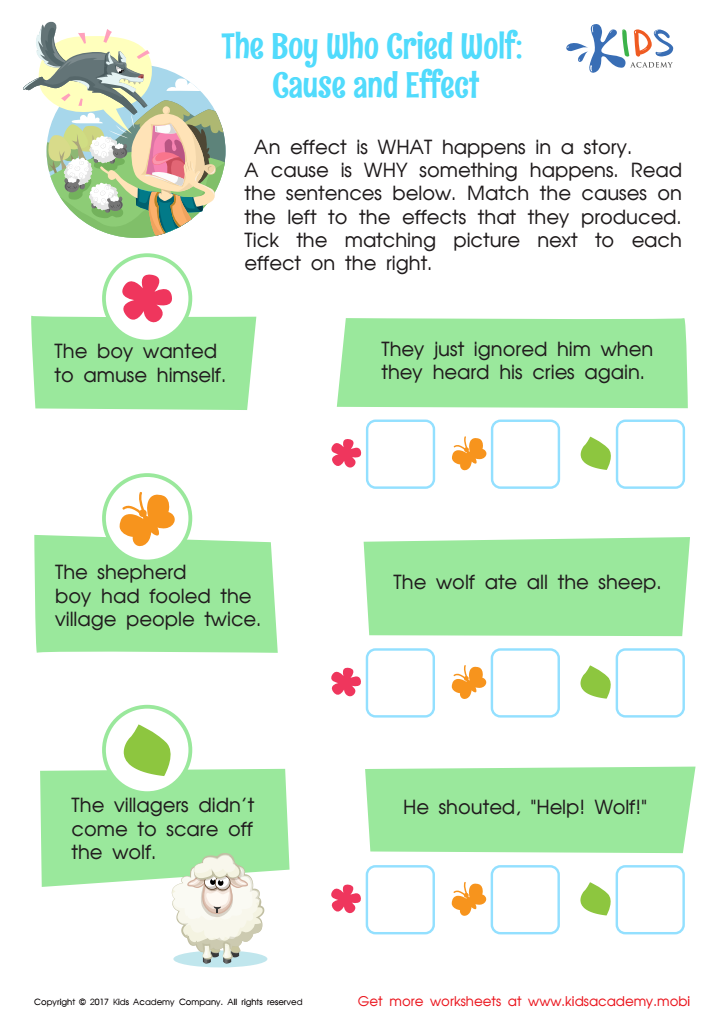
The Boy Who Cried Wolf: Cause and Effect Worksheet

Logic Game Sorting Worksheet
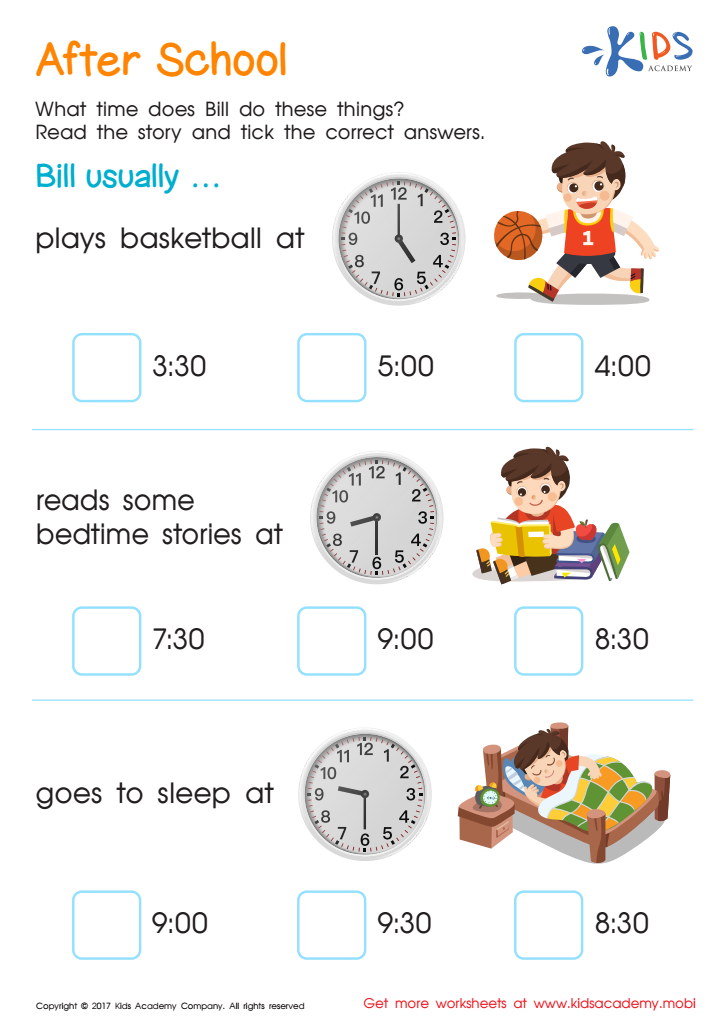
After School Time Printable
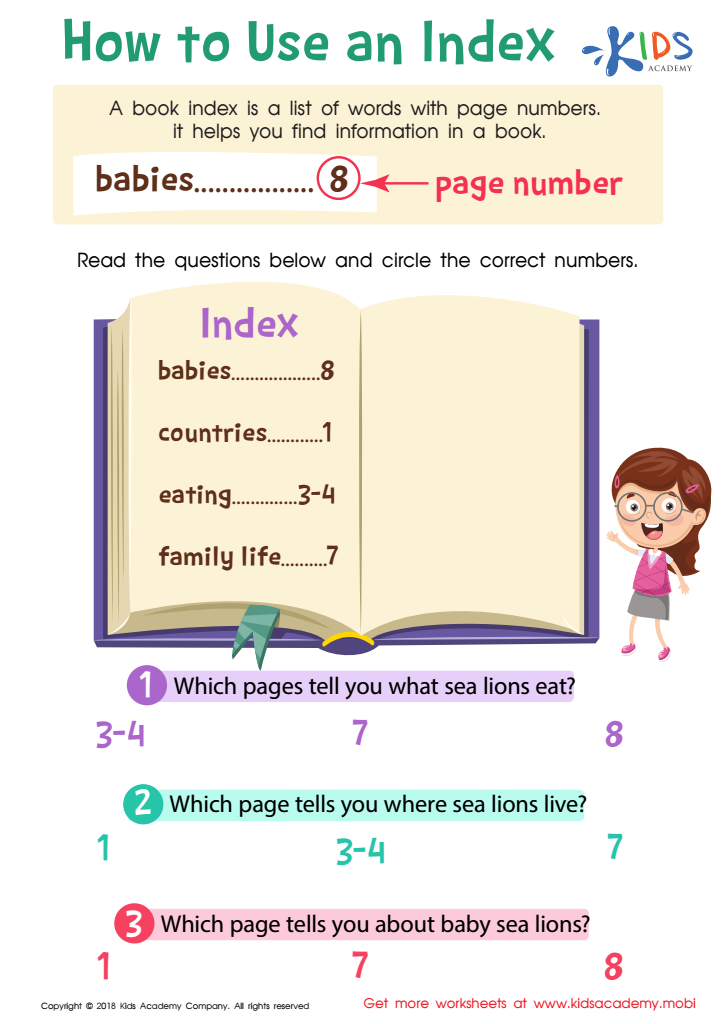
How Use Index Worksheet








Parents and teachers should care about fostering analytical thinking in children aged 7-9 as it forms the cornerstone for lifelong learning and problem-solving skills. At this critical stage of development, children transition from simple concrete ideas to more complex abstract thinking. By nurturing analytical skills, we equip them with the ability to break down information, recognize patterns, and evaluate evidence critically, thereby enhancing their academic performance across subjects.
Analytical thinking encourages curiosity and questioning, allowing children to understand not just the "what," but the "why" and "how." This deeper comprehension helps in subjects like math and science where systematic problem-solving is crucial. For instance, understanding the reasons behind math operations instead of rote memorization can make future learning in math more manageable.
Furthermore, strong analytical skills aid in emotional and social development. Children learn to analyze social situations, understand others' perspectives, and make informed decisions. This helps them navigate friendships and conflicts more effectively.
Lastly, in today’s information-rich world, developing analytical thinking prepares children to discern credible sources from unreliable ones, instilling a foundation for critical thinking and informed decision-making down the road. In short, prioritizing analytical thinking in early education builds a framework for successful and thoughtful life-long learners.








