Comparing objects Worksheets for Ages 7-9
5 filtered results
-
From - To
Our comparing objects worksheets for ages 7-9 are expertly designed to boost critical thinking and observational skills. These engaging activities prompt young learners to analyze similarities and differences in various objects, fostering cognitive development and attention to detail. Each worksheet provides fun and interactive exercises aimed at building foundational math and language skills through comparison tasks. Ideal for both classroom and home use, our resource helps children enhance their analytical abilities while making learning enjoyable. Start exploring today to nurture your child’s logical thinking and visual discrimination skills in a playful, educational manner!
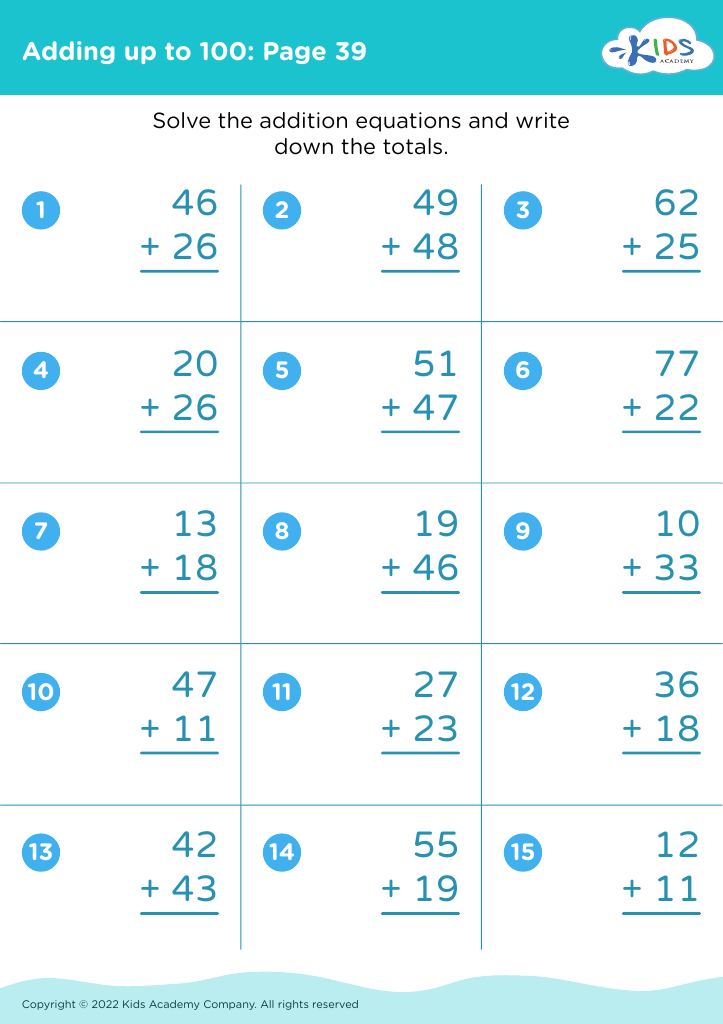
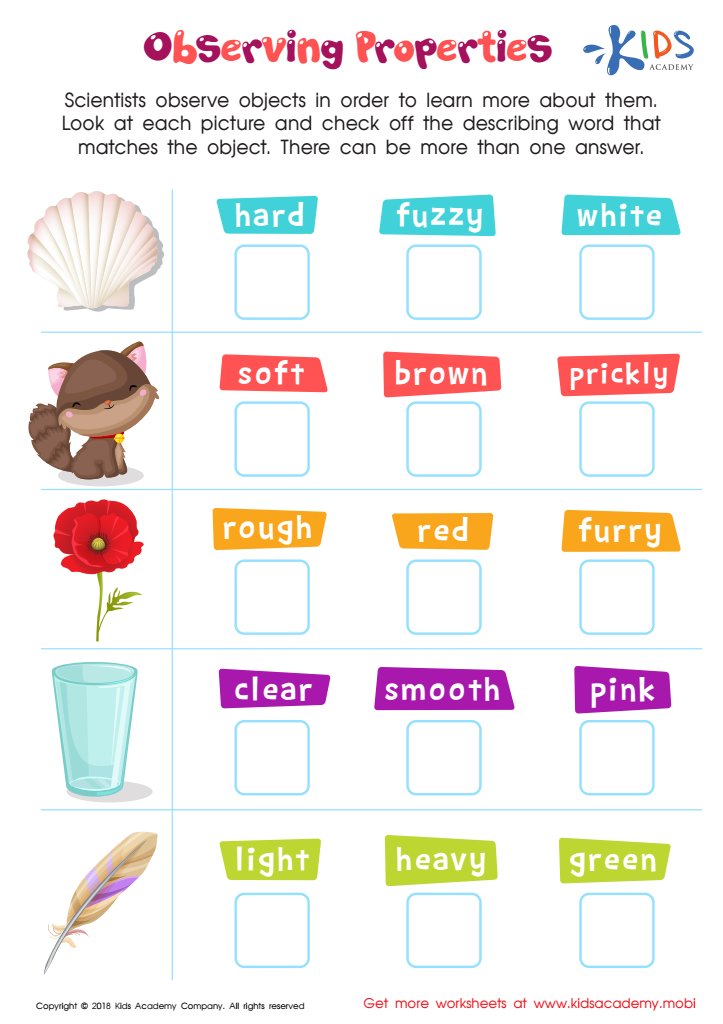
Observing Properties Worksheet
 Assign to My Students
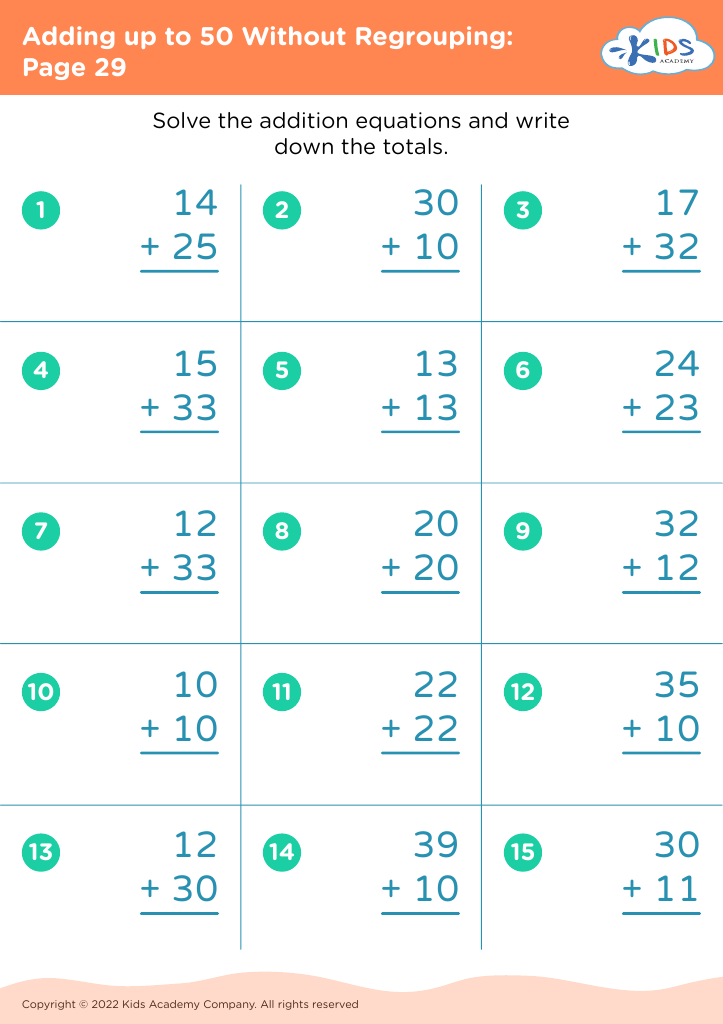
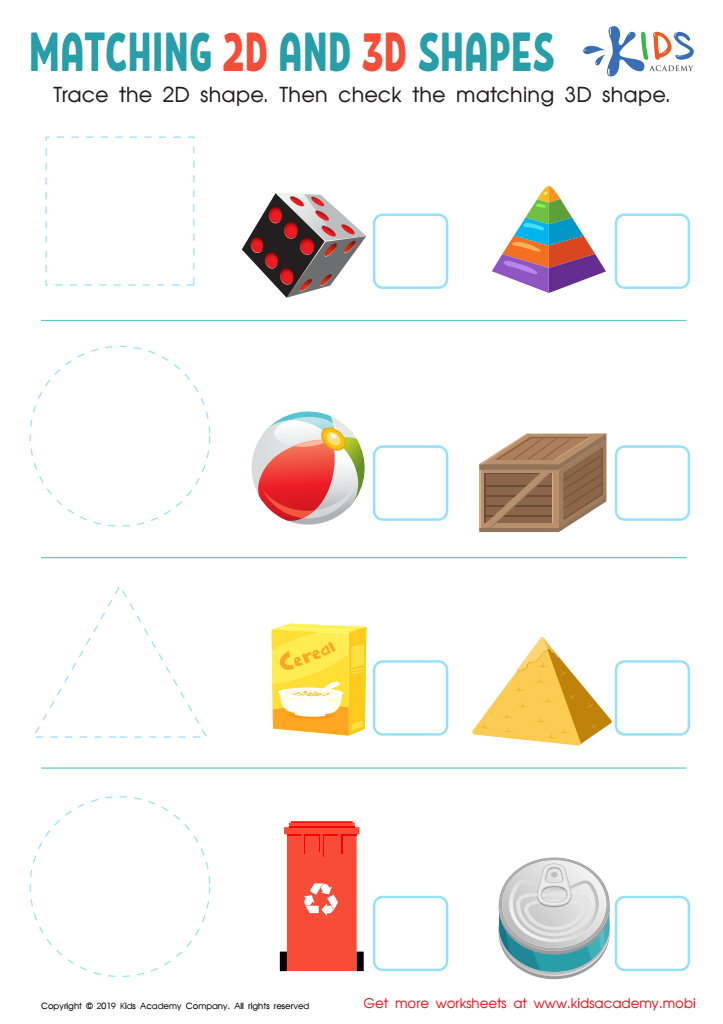
Matching 2D and 3D Shapes Worksheet
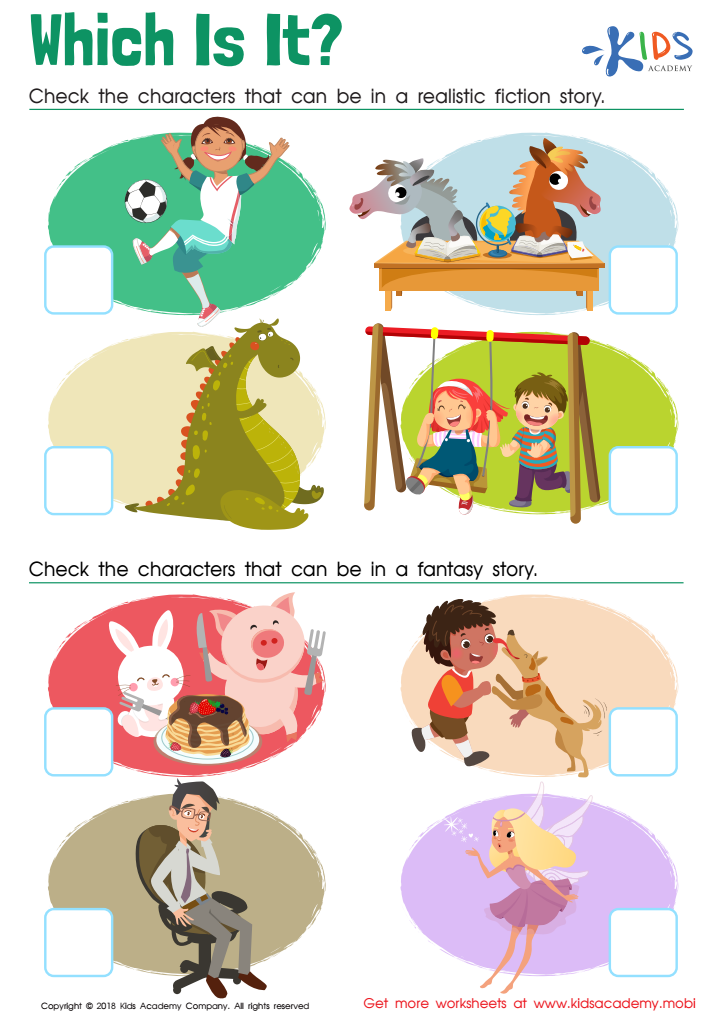
Which Is It? Worksheet





Comparing objects for children aged 7-9 is a crucial educational activity, essential for developing foundational math and critical thinking skills. At this age, children are refining their ability to quantify and understand the relationships between different items. When parents and teachers facilitate exercises where kids compare objects by size, length, weight, or volume, they help develop skills in measurement, estimation, and logical reasoning.
Understanding comparison lays the groundwork for more complex mathematical concepts like inequalities, ratios, and problem-solving strategies. For example, when a child learns to recognize that one object is heavier than another, they'll better grasp weight-related problem scenarios in math.
Additionally, comparing objects taps into a child's innate curiosity and natural desire to explore the world. This practice translates abstract numerical concepts into tangible experiences, enhancing comprehension and retention. Beyond academics, these activities encourage observational skills and attentive thinking, reinforcing the importance of details and fostering an inquisitive mindset.
Moreover, these skills are interdisciplinary, aiding in subjects from science to art. Recognizing why one leaf is larger than another or why certain materials feel heavier encourages comprehensive, practical learning. Ultimately, engaging children in comparing objects not only boosts their academic abilities but also enriches their overall cognitive development and understanding of their environment.








