Counting money Worksheets for Ages 7-9
3 filtered results
-
From - To
Discover our engaging Counting Money Worksheets designed specifically for children ages 7-9! These worksheets provide a fun and interactive way for young learners to master essential money skills, including identifying coins, calculating total amounts, and making change. Our carefully crafted activities encourage real-life applications of math and enhance financial literacy in a playful manner. Each worksheet is tailored to various proficiency levels, ensuring all children can learn at their own pace. Perfect for both classroom and home use, these resources will empower your child to build confidence in handling money while developing critical math skills. Start counting money with us today!
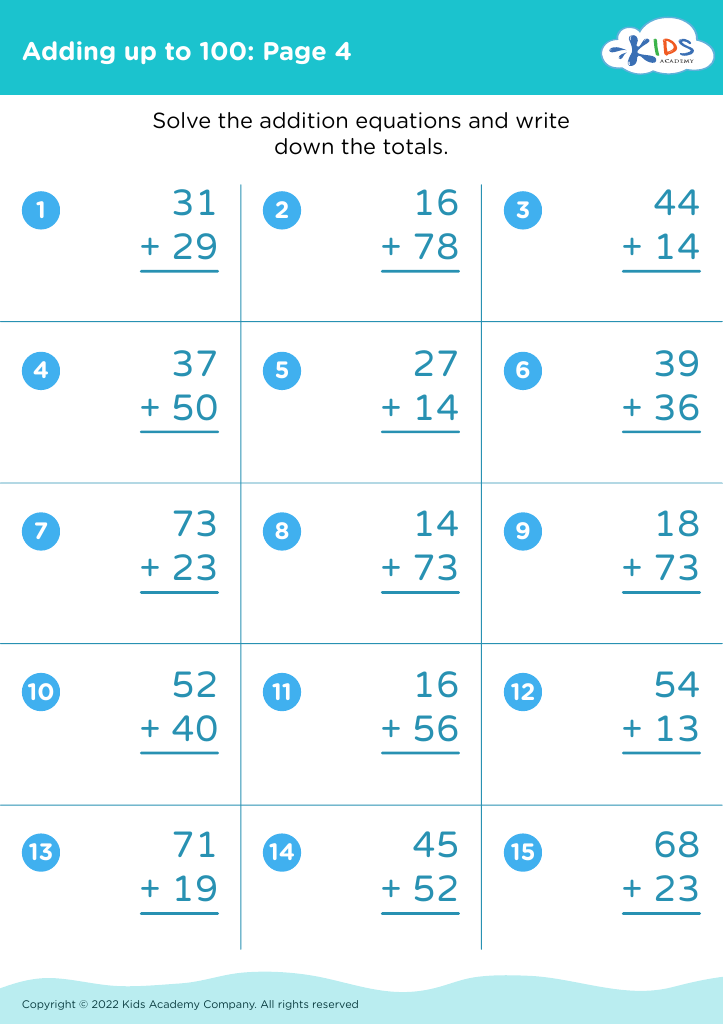
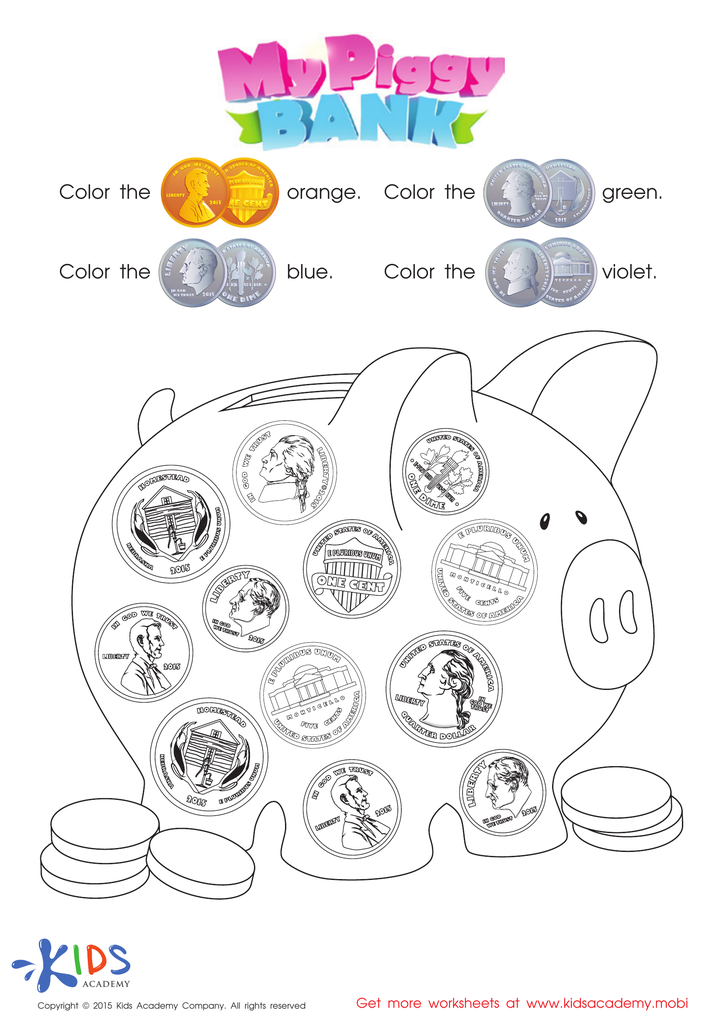
Recognizing Money Money Worksheet
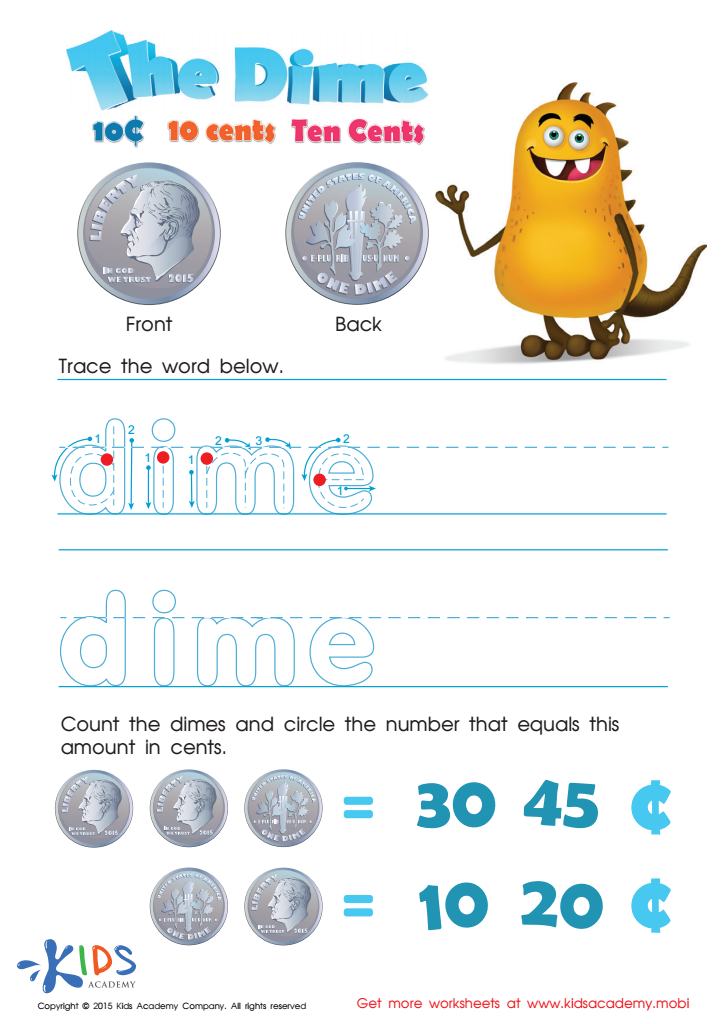
Ten Cents or the Dime Money Worksheet
 Assign to My Students








Counting money is an essential skill that every child should learn, especially between the ages of 7 and 9. This age group is at a crucial developmental stage where they are gaining a deeper understanding of numbers and their real-world applications. By teaching children how to count money, parents and teachers provide them with vital, practical math skills that go beyond the classroom.
Understanding money promotes financial literacy, laying a foundation for responsible financial behaviors in the future. It helps children grasp concepts like addition, subtraction, and problem-solving as they calculate costs, make change, and handle transactions. These skills boost their confidence and reinforce their numerical understanding.
Moreover, counting money boosts critical thinking and decision-making abilities. As children handle real or play money, they learn the value of goods and services, enhancing their grasp of saving and spending wisely.
Finally, money counting can be an engaging activity that encourages cooperative learning when done in groups or with family. It sets the stage for discussions about money management, helping children develop a healthy relationship with finances as they grow. Thus, parents and teachers should prioritize counting money as an important life skill during these formative years.








