Developing logical thinking Worksheets for Ages 7-9
8 filtered results
-
From - To
Enhance your child's cognitive abilities with our Developing Logical Thinking Worksheets for Ages 7-9. Carefully designed by experts, these engaging and informative activities challenge young minds to expand their reasoning skills, problem-solving techniques, and critical thinking capabilities. Each worksheet provides a variety of exercises, such as puzzles, patterns, analogies, and sequencing tasks, ensuring an enjoyable and educational experience. As kids work through these fun and stimulating exercises, they build essential foundations for academic success and everyday decision-making. Ideal for home use or classroom enrichment, our worksheets empower children to think logically and boost their confidence.
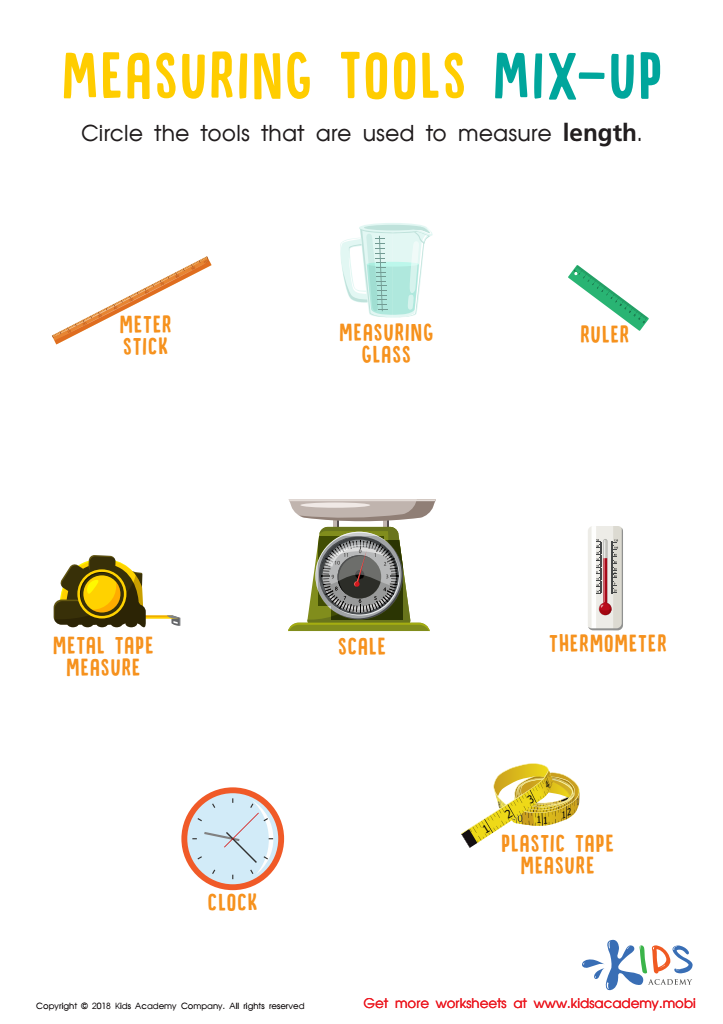
Measuring Tools Mix–up Worksheet
 Assign to My Students
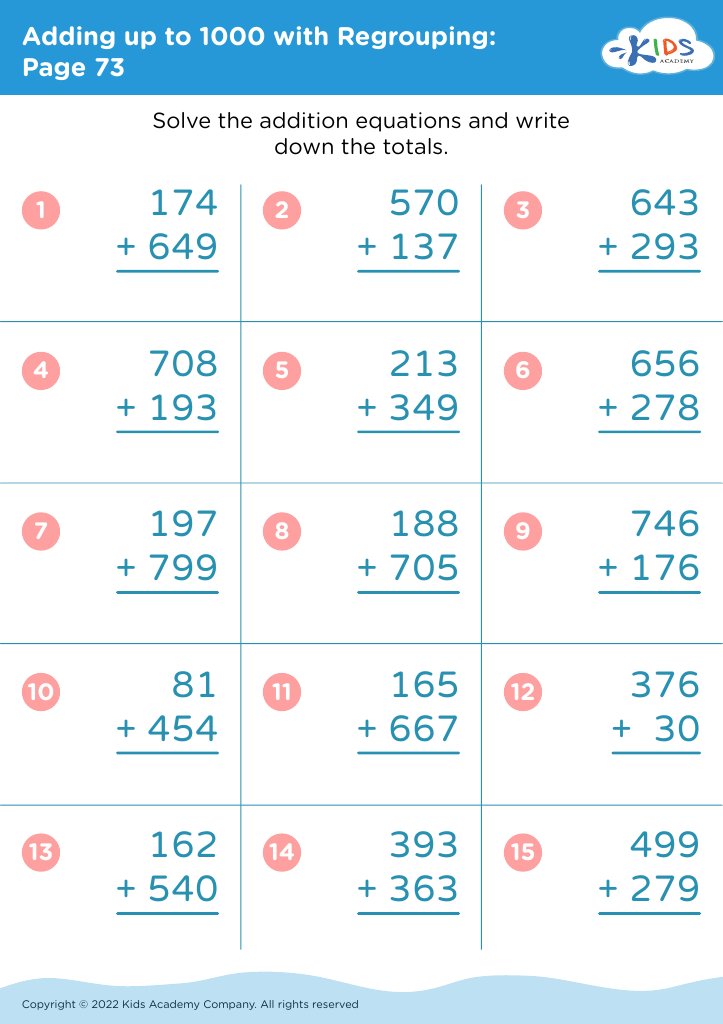
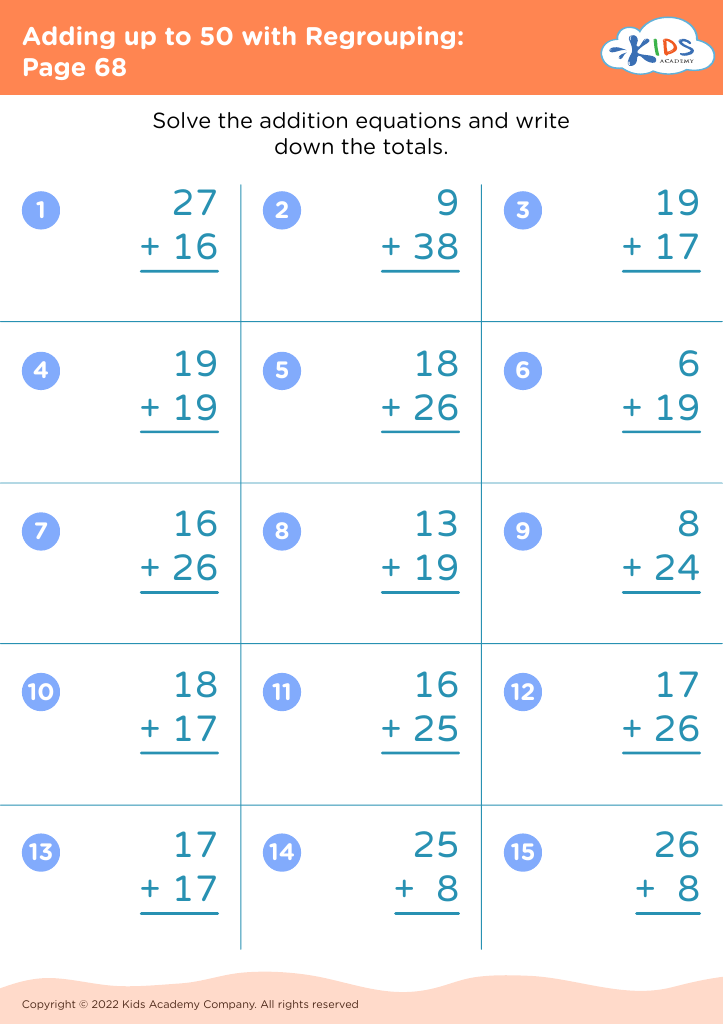

Quadrilateral Maze Worksheet
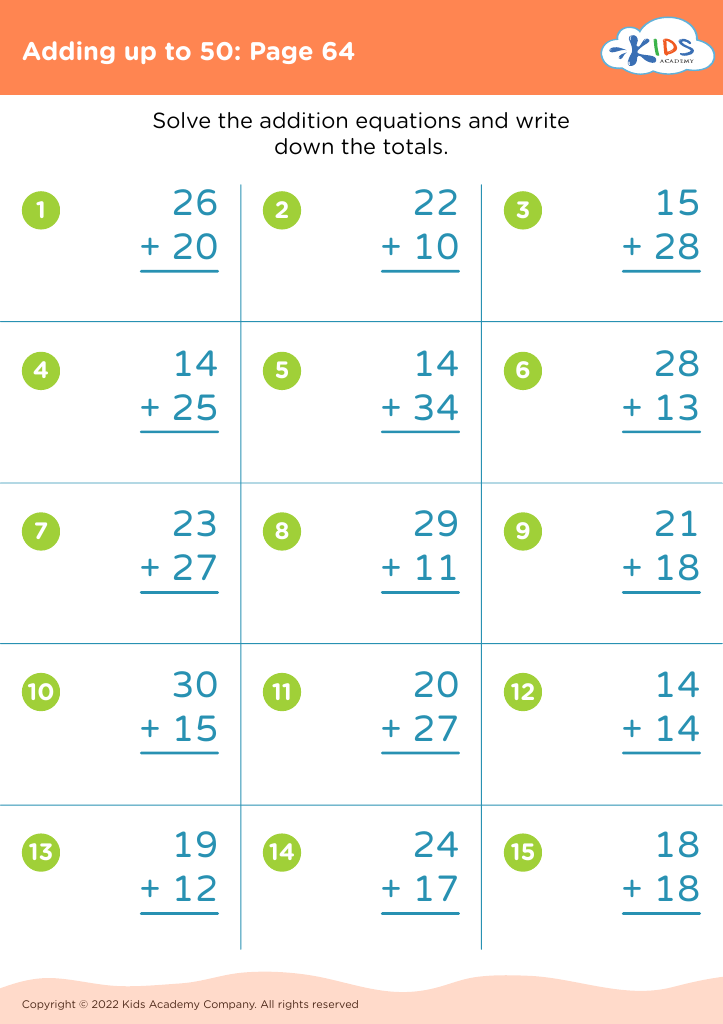
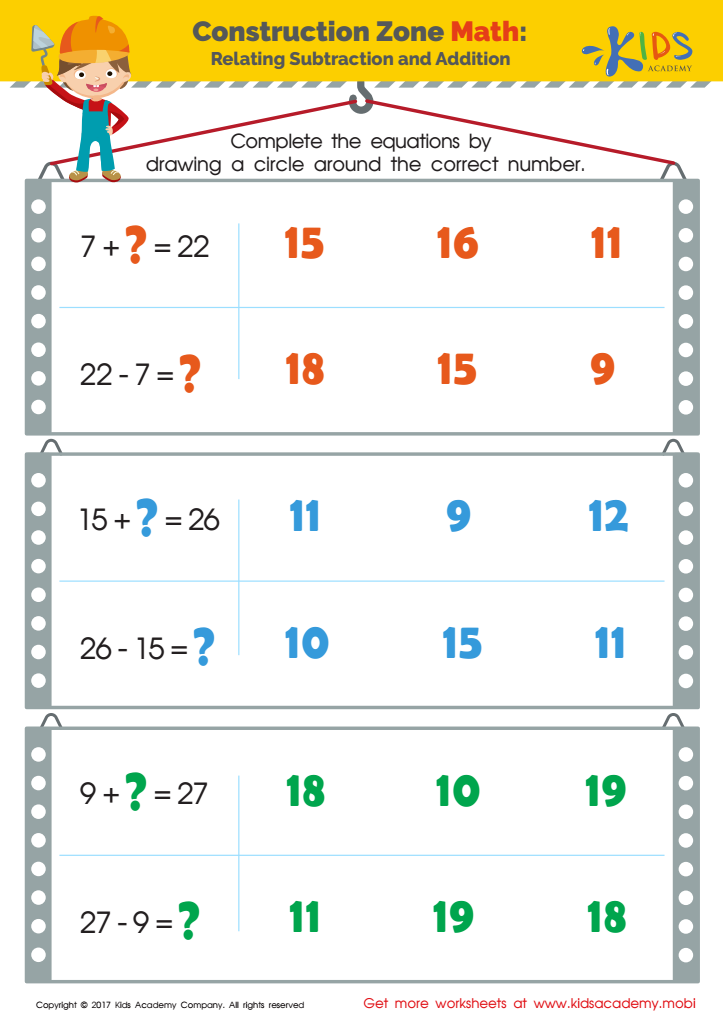
Related Addition and Subtraction Facts Worksheet
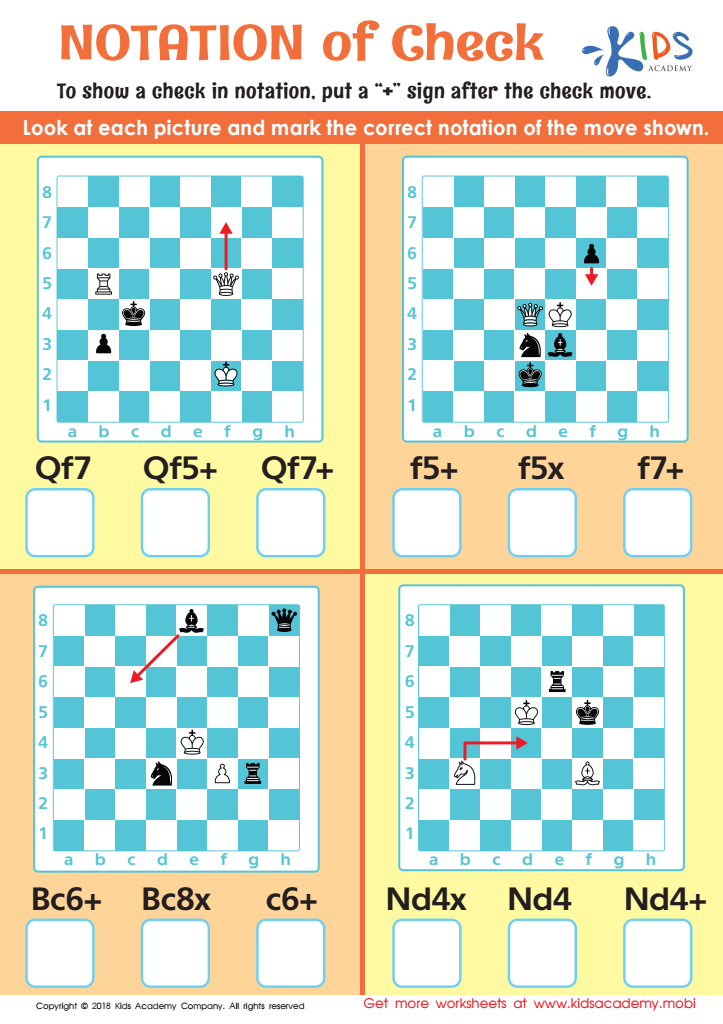
Notation of Check Worksheet
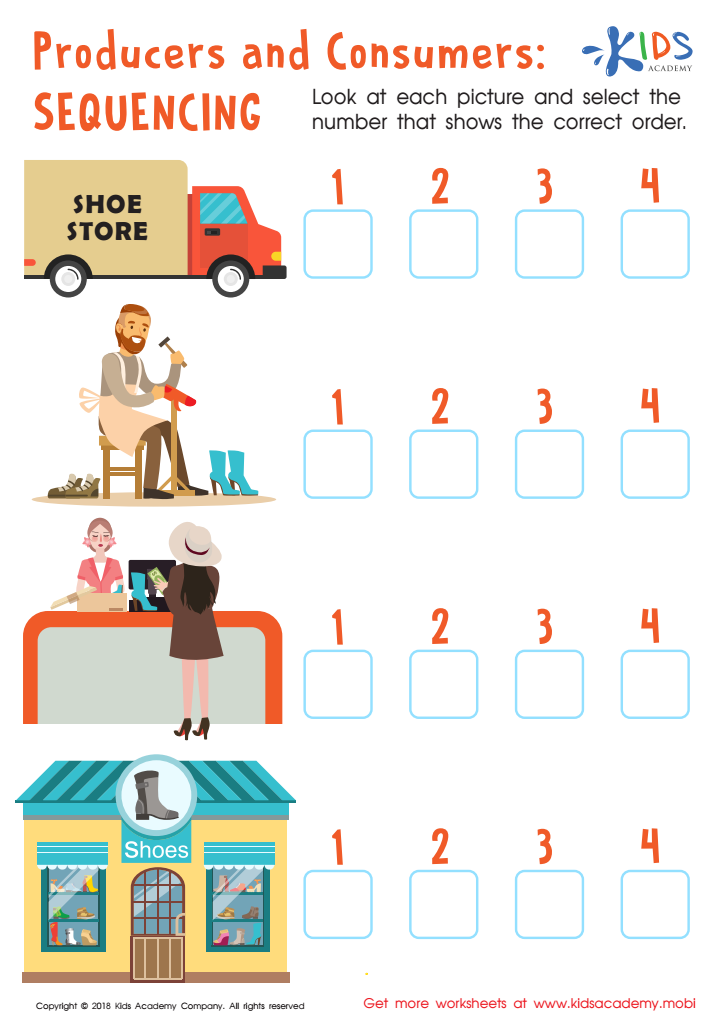
Producers and Consumers: Sequencing Worksheet








Parents and teachers should care deeply about developing logical thinking in children aged 7-9 because it forms the foundation for critical learning and future problem-solving abilities. At this developmental stage, children are transitioning from learning basic skills to applying them in more complex scenarios. Logical thinking equips them to understand and organize information systematically, leading to enhanced comprehension and performance in subjects like math, science, and language arts.
Developing logical reasoning enhances a child’s ability to analyze patterns, make connections, and foresee outcomes. This is vital not only for academic success but also for real-world applications such as planning, decision-making, and ethical reasoning. When children learn to approach problems methodically, they become more resilient, adaptable learners, capable of tackling new challenges with greater confidence.
Moreover, fostering logical thinking supports social development. Children who can reason and think critically are better equipped to navigate relationships, understand different perspectives, and resolve conflicts. By encouraging logical thinking, parents and teachers help children become independent thinkers, capable of questioning information and making informed choices, an essential skill in today’s information-rich world. Investing in these cognitive skills at a young age has long-term benefits, promoting lifelong learning and adaptability in an ever-changing environment.








