Developing problem-solving abilities Worksheets for Ages 7-9
9 filtered results
-
From - To
Unlock your child's potential with our "Developing Problem-Solving Abilities Worksheets" designed specifically for ages 7-9. These engaging worksheets provide a variety of challenges that stimulate critical thinking and enhance decision-making skills in a fun, interactive way. Children will explore logical reasoning, patterns, and creative problem-solving strategies through entertaining activities that fit seamlessly into their learning routine. Our resources support educational growth while keeping young learners motivated and enthusiastic. Perfect for classroom use or at-home practice, these worksheets are an invaluable tool to help cultivate essential skills that will benefit your child throughout their academic journey and beyond. Start problem-solving today!
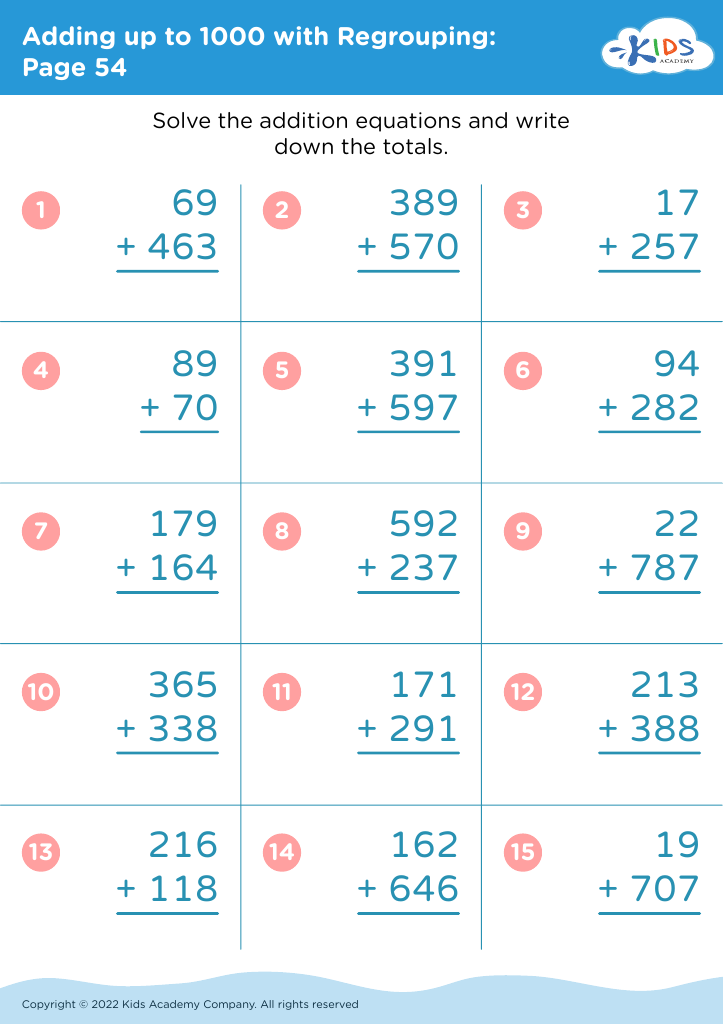
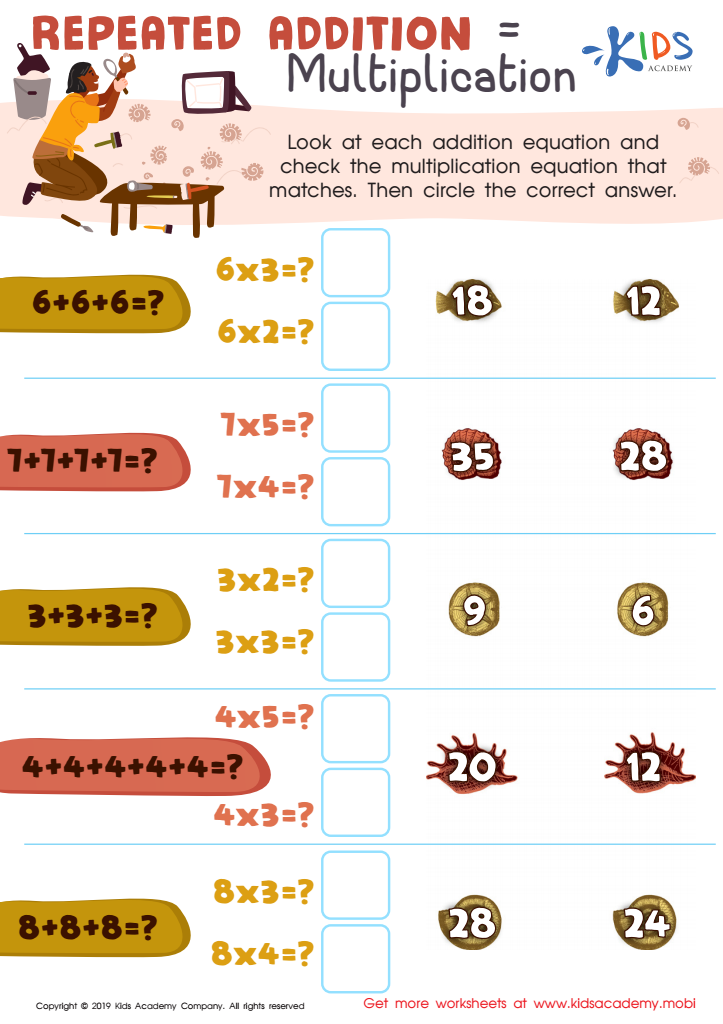
Repeated Addition = Multiplication Worksheet
 Assign to My Students

Landforms: Pirate Maze Printable
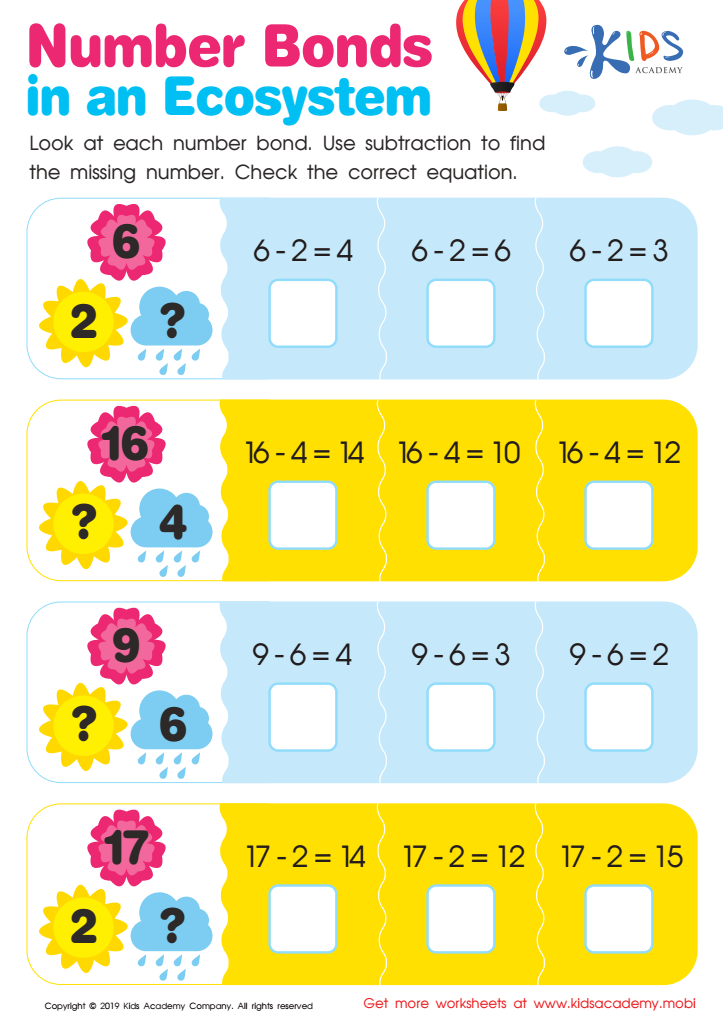
Number Bonds in an Ecosystem Worksheet

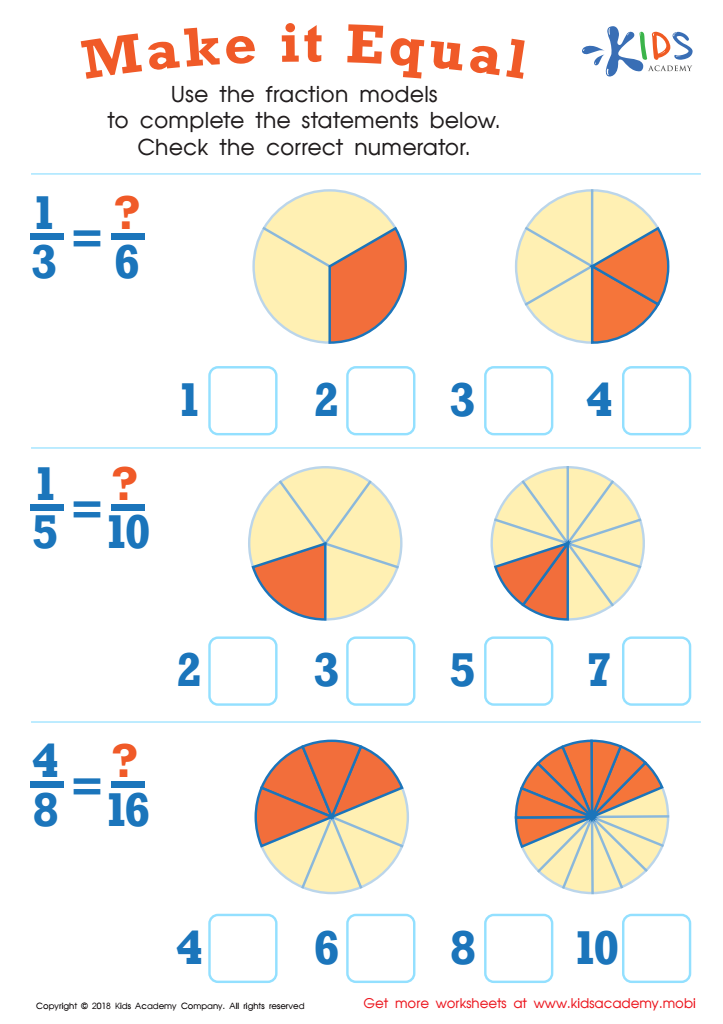
Make It Equal Worksheet
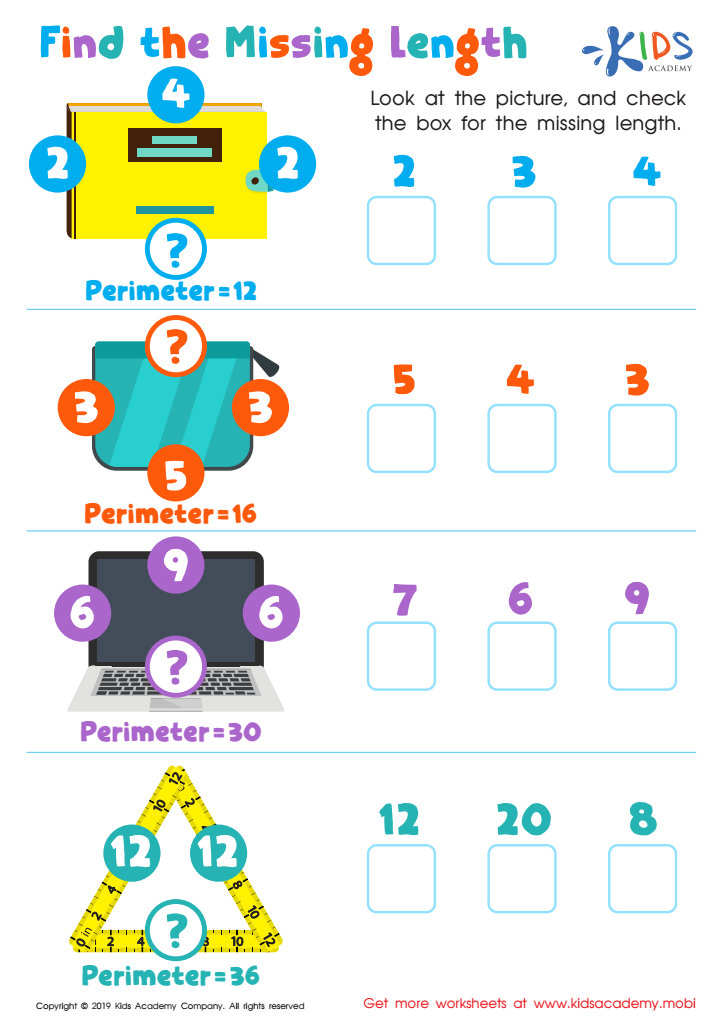
Find the Missing Length Worksheet
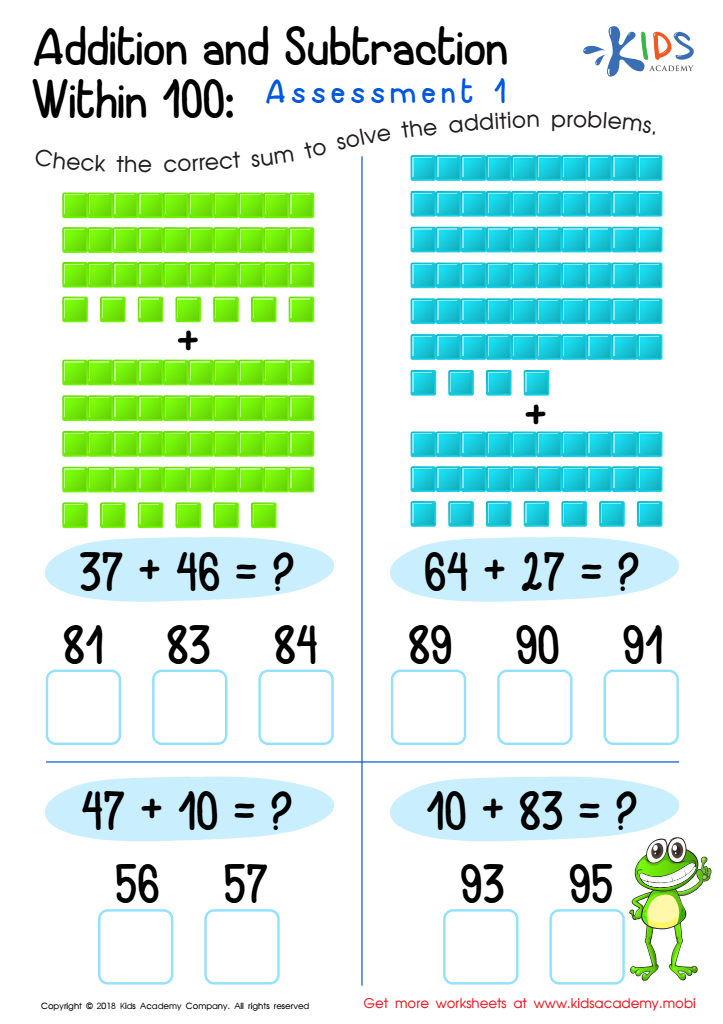
Addition and Subtraction Within 1: Assessment 1 Worksheet
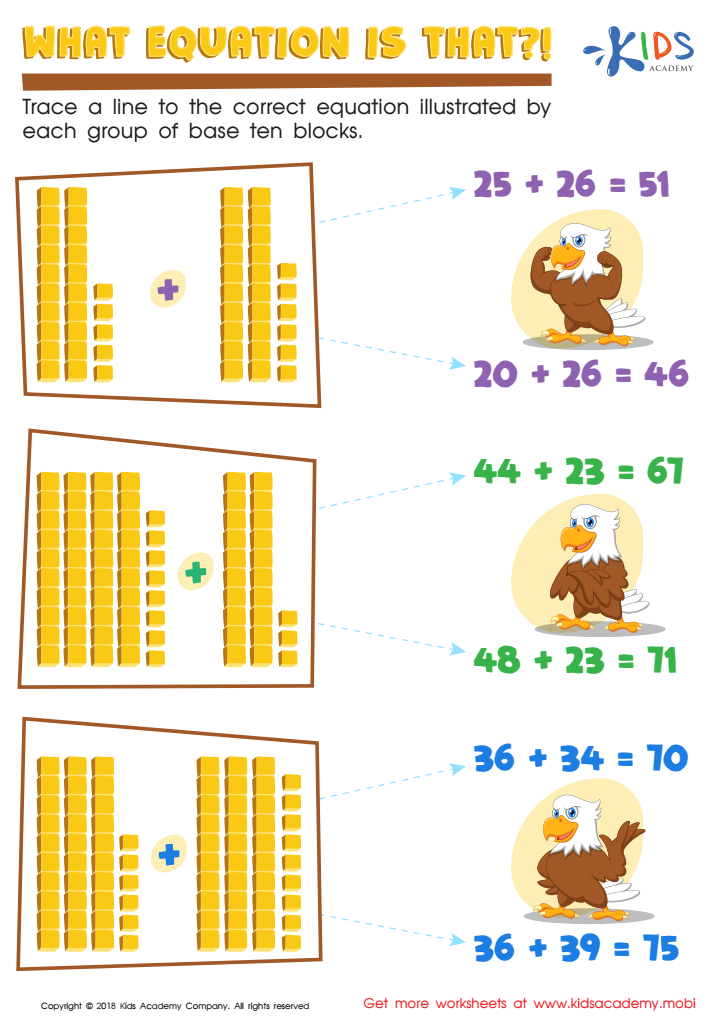
What Equation Is That? Worksheet








Developing problem-solving abilities in children aged 7-9 is crucial for several reasons. At this age, kids are not only gaining foundational knowledge in subjects but are also beginning to understand more complex concepts and relationships. Problem-solving skills foster critical thinking and creativity, which are essential in navigating both academic and real-life challenges. When children engage in problem-solving, they learn to identify issues, brainstorm solutions, evaluate options, and make decisions, building their confidence and independence.
Additionally, these skills contribute to social-emotional development. Working through problems helps children develop resilience, as they experience trial and error, learn from mistakes, and understand that challenges can be overcome. Collaboration in problem-solving also enhances communication and teamwork abilities, essential for healthy interpersonal relationships.
Furthermore, in a rapidly changing world that values innovation, equipping children with solid problem-solving skills prepares them for future challenges, ensuring they can adapt and thrive. Encouraging these abilities at a young age lays the groundwork for lifelong learning and adaptability, enabling them to contribute positively to society as they grow. Therefore, parents and teachers should prioritize opportunities for children to develop and practice these essential problem-solving skills.








