Developing spatial awareness Worksheets for Ages 7-9
3 filtered results
-
From - To
Enhance your child's spatial awareness skills with our engaging worksheets designed specifically for ages 7-9! At Kids Academy, we provide a variety of printable resources that make learning fun and interactive. Our worksheets encourage children to develop crucial skills like visualizing shapes, understanding spatial relationships, and improving orientation through captivating exercises. Tailored to each child’s unique learning pace, these worksheets challenge young minds with puzzles, mazes, and mapping activities. Parents and educators can easily access these resources to support early learners in their academic journey. Equip your child with essential spatial skills and watch them thrive in math and everyday problem-solving!
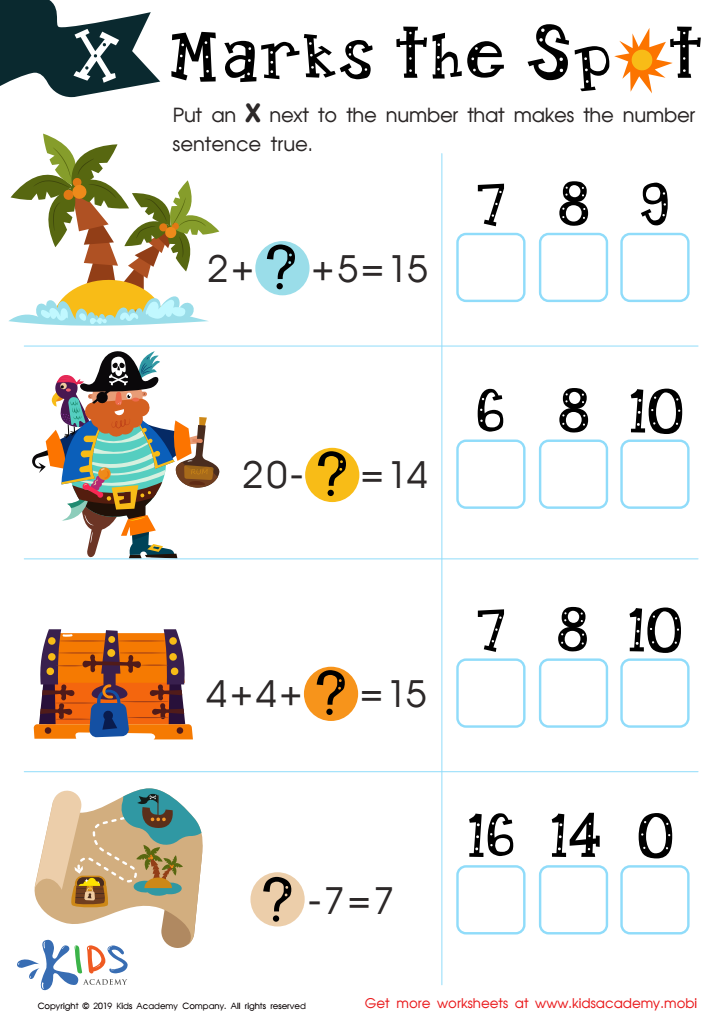
X Marks the Spot Worksheet
 Assign to My Students
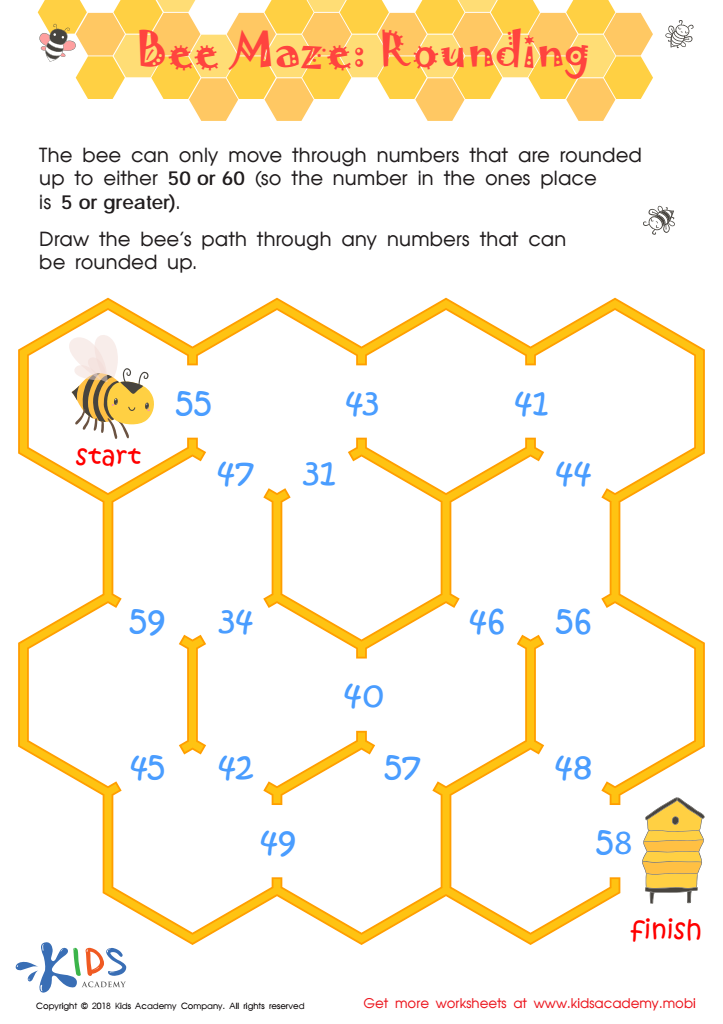
Bee Maze Rounding Worksheet
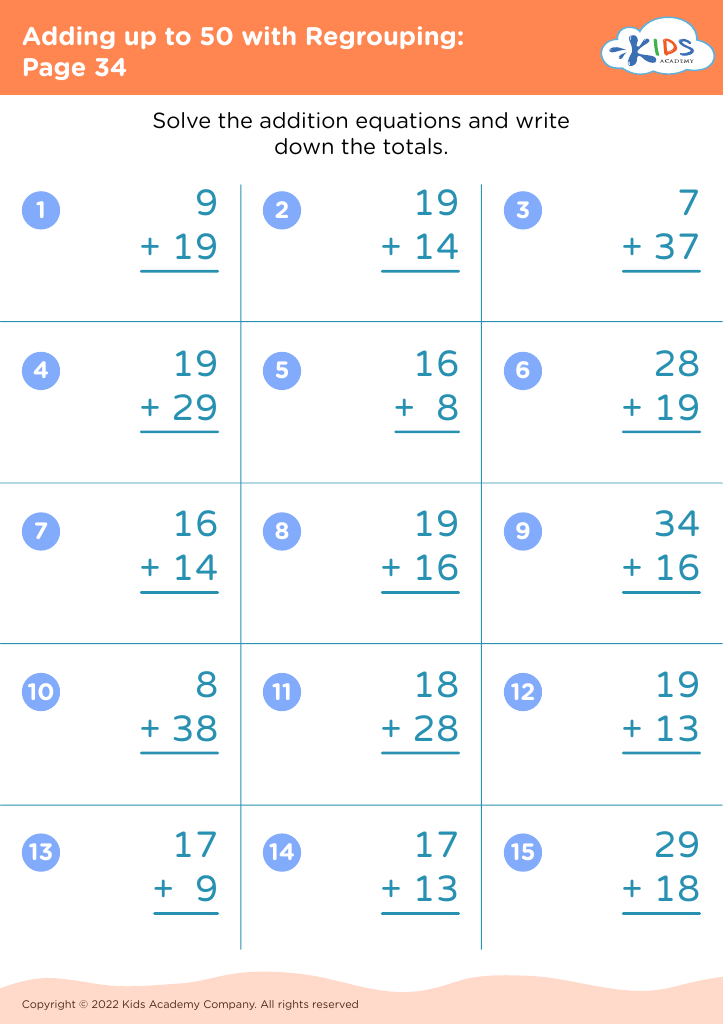






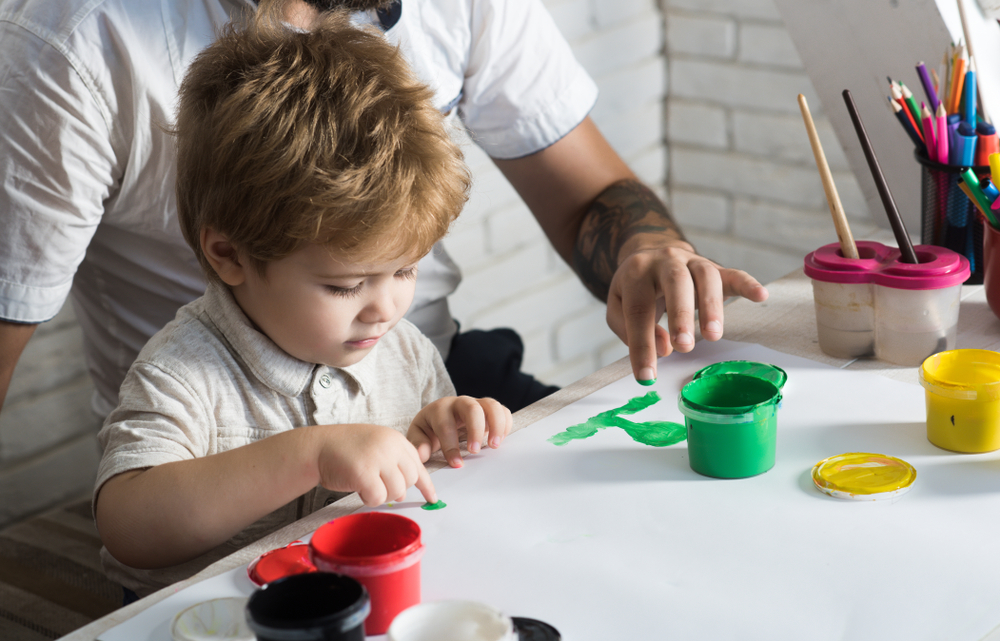
Developing spatial awareness in children aged 7-9 is crucial for multiple reasons. This cognitive skill allows children to understand and navigate their environment effectively, helping them grasp concepts related to geometry, measurement, and direction. As they engage in activities that enhance spatial awareness, such as puzzles, building blocks, and even certain video games, children improve their problem-solving abilities and critical thinking skills.
Additionally, strong spatial awareness is linked to success in STEM (Science, Technology, Engineering, and Mathematics) fields. Encouraging children to visualize spatial relationships lays a solid foundation for more complex mathematical concepts later in their education, fostering confidence in these essential subjects.
Beyond academics, spatial awareness contributes to everyday tasks, like reading maps or following instructions, and enhances physical coordination, benefiting sports and activities that involve body movement. As parents and teachers nurture this skill, they not only aid in a child’s cognitive development but also promote teamwork and communication if they engage in spatial tasks with peers. Ultimately, fostering spatial awareness prepares children for a variety of challenges, enriching their overall learning experience and setting them on a path for lifelong success.








