Geographic knowledge Worksheets for Ages 7-9
5 filtered results
-
From - To
Unlock your child's understanding of the world with our engaging Geographic Knowledge Worksheets designed specifically for ages 7-9. These resources foster critical thinking and promote spatial awareness as young learners explore maps, continents, countries, and cultures. The activities are tailored to enhance their knowledge of geography while making learning fun and interactive. Perfect for classroom use or at-home learning, our worksheets encourage children to identify global landmarks, understand basic geographical concepts, and strengthen their map-reading skills. Start your journey around the world today and watch your child's curiosity and confidence flourish with each worksheet!
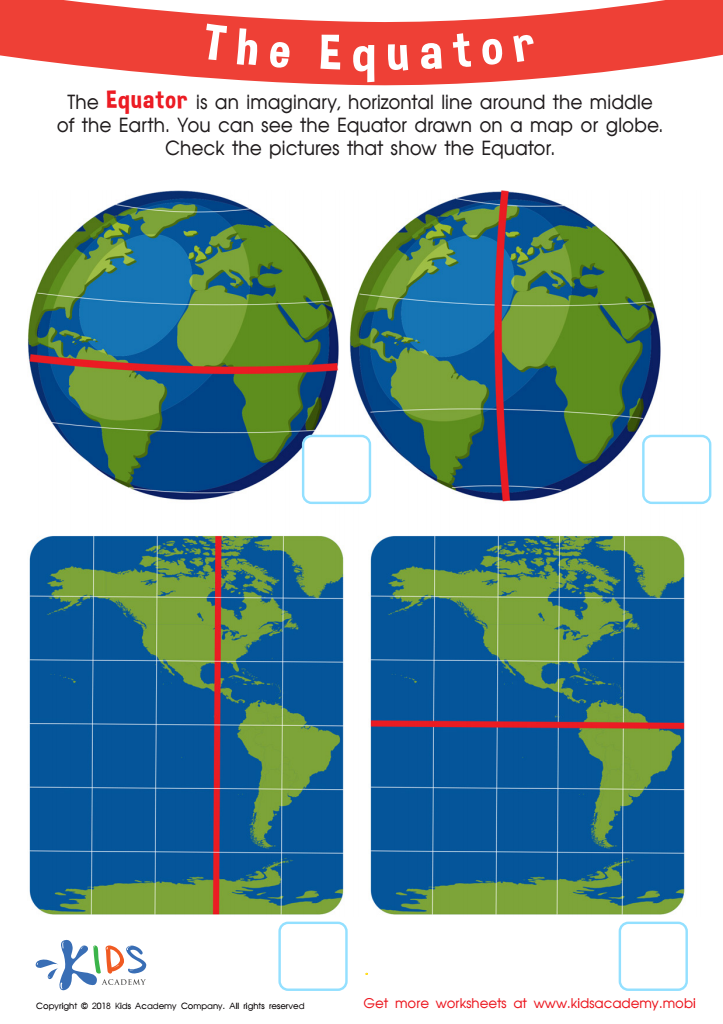
The Equator Worksheet
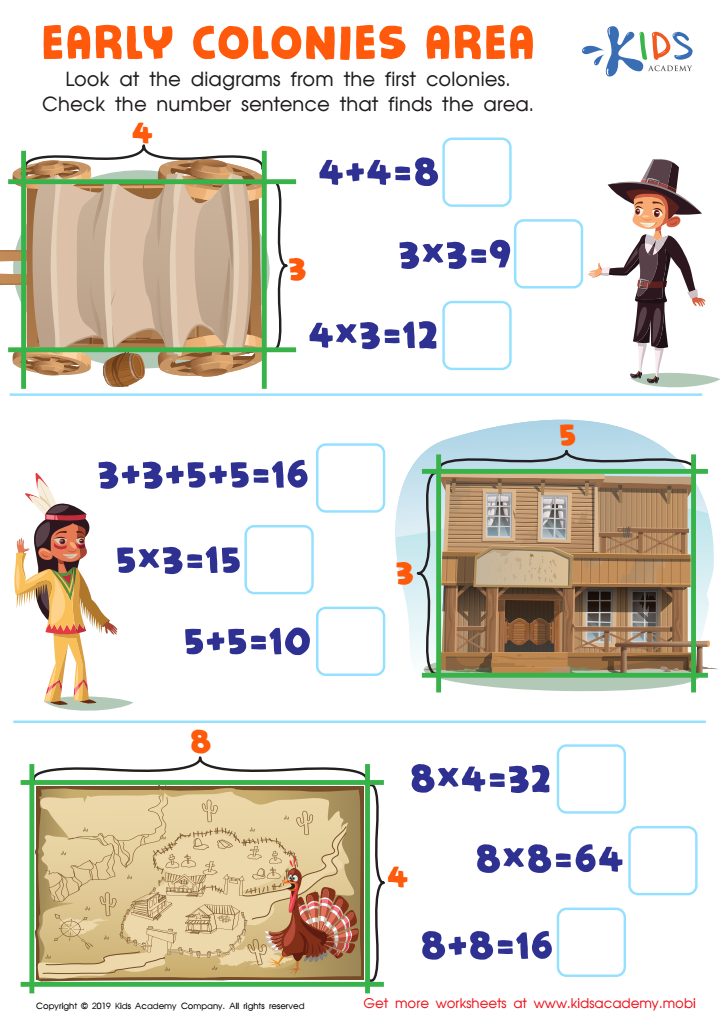
Early Colonies Area Worksheet
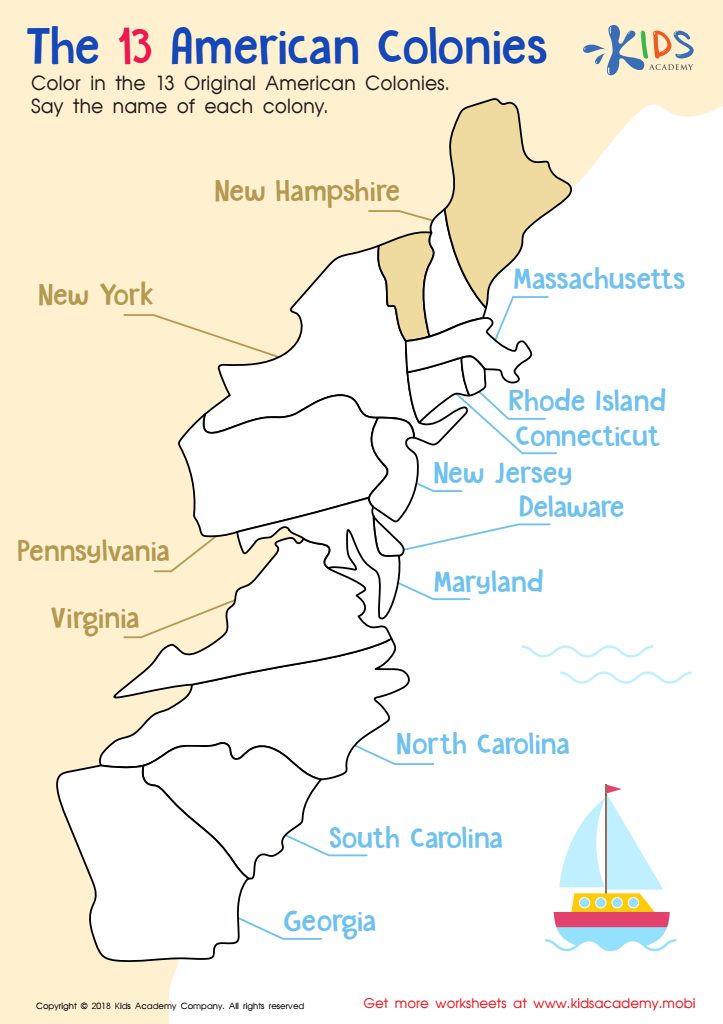
The 13 American Colonies Worksheet
 Assign to My Students
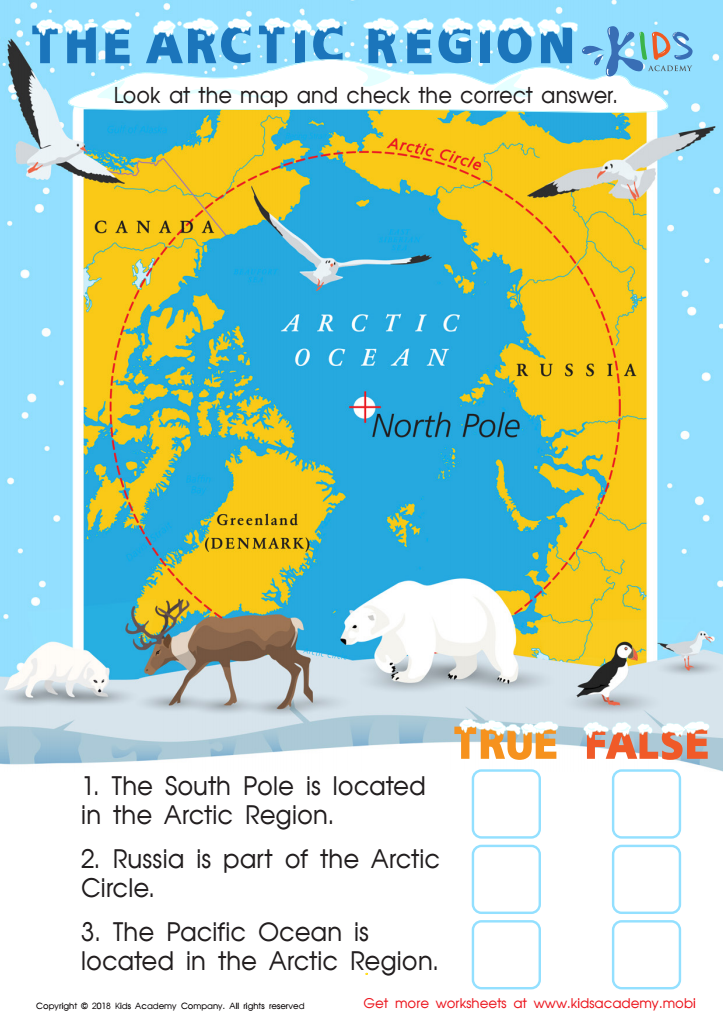
The Arctic Region Worksheet
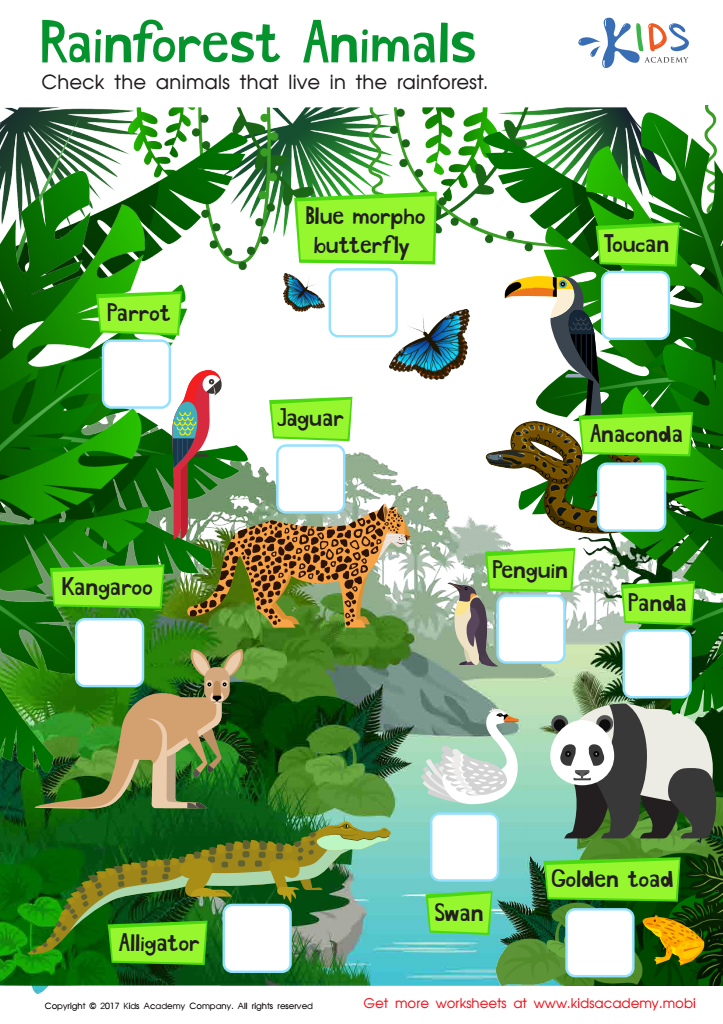
Rainforest Animals Worksheet







Parents and teachers should prioritize geographic knowledge for children ages 7-9 because it fosters essential skills and broadens their understanding of the world. At this age, children are naturally curious and eager to learn about their surroundings. Geographic knowledge provides them with a framework to understand cultural, social, and environmental contexts. It encourages critical thinking as they learn to analyze maps, recognize patterns, and comprehend spatial relationships.
Additionally, geography promotes global awareness. As children learn about different countries, cultures, and ecosystems, they develop empathy and respect for diversity, nurturing a sense of global citizenship. Understanding geography also ties into subjects like history and science, helping children relate to current events and environmental issues.
Furthermore, geographic knowledge enhances problem-solving and decision-making skills. Children learn to navigate their communities and understand basic concepts like distance and direction, which can translate into building confidence and independence. Overall, by encouraging geographic literacy, parents and teachers are equipping children with the tools to thrive in an interconnected and rapidly changing world, fostering not only academic success but also social and emotional development.








