Identifying colors Worksheets for Ages 7-9
3 filtered results
-
From - To
Unlock your child's creativity with our Identifying Colors Worksheets, designed specifically for ages 7-9! These engaging activities make learning about colors fun and interactive. Our carefully crafted worksheets help children recognize, differentiate, and identify various colors through stimulating exercises. From matching colors with objects to creative coloring tasks, these worksheets encourage artistic expression while reinforcing color recognition skills. Perfect for classroom use or at-home learning, they cater to various learning styles, enhancing both cognitive and motor skills. Dive into a colorful educational experience that supports your child's growth and understanding of the world around them—download your worksheets today!
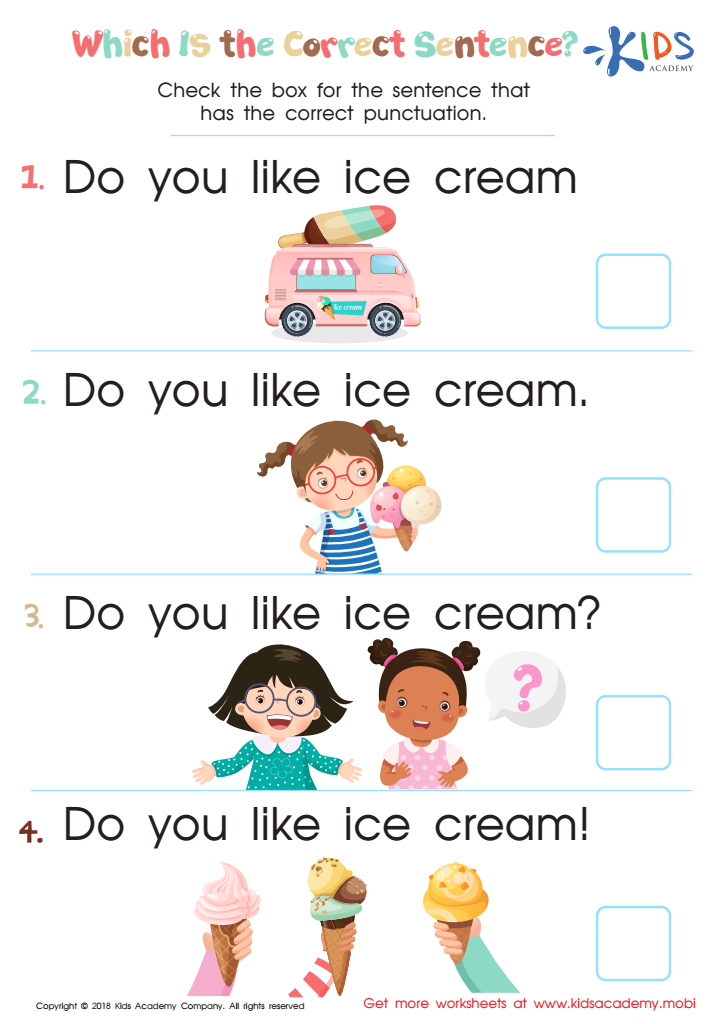
Which is the Correct Sentence? Worksheet
 Assign to My Students
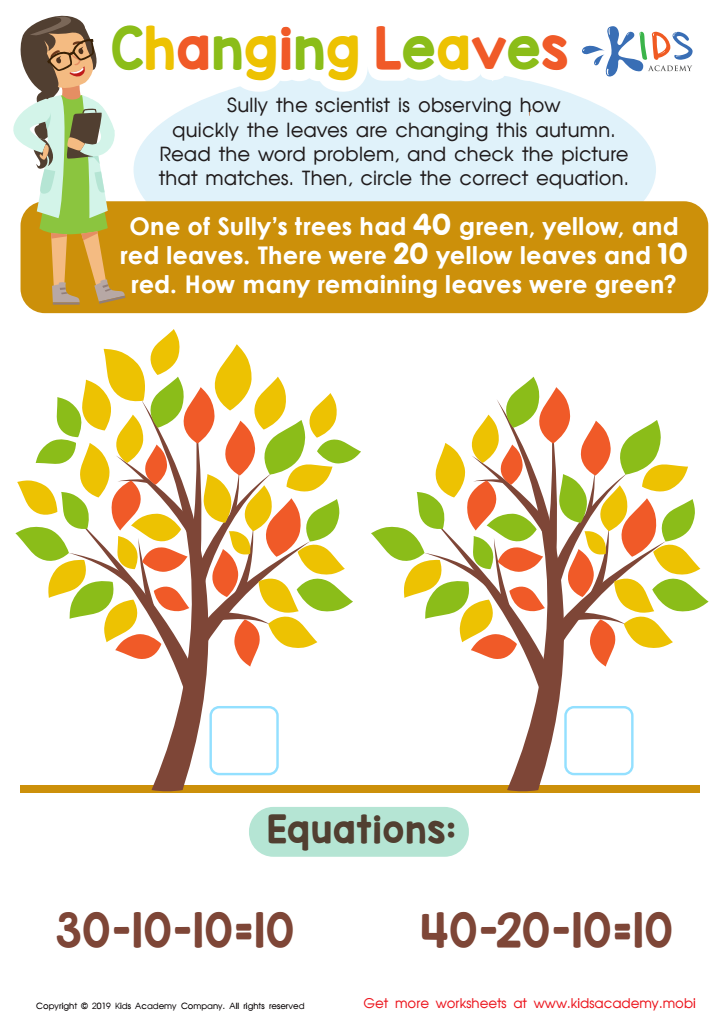
Changing Leaves Worksheet
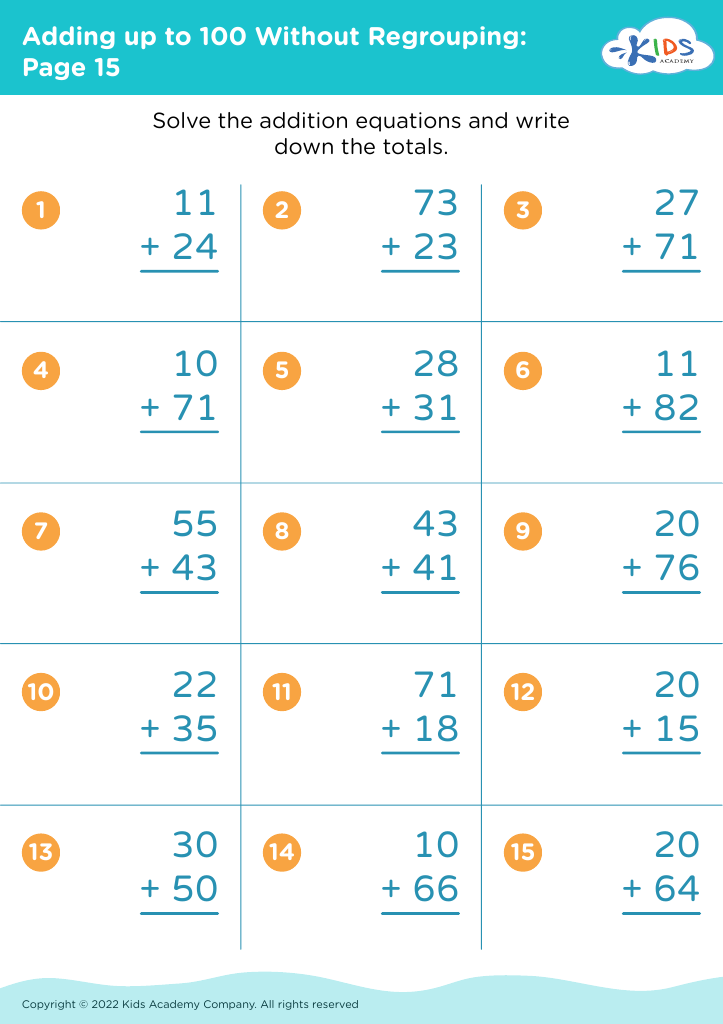








Identifying colors is crucial for children aged 7-9, as it plays a significant role in their cognitive development and overall learning experience. At this age, children are increasingly developing their ability to observe, categorize, and interpret the world around them. Understanding colors enhances their visual discrimination skills and helps them make sense of their environment.
Moreover, color identification supports creativity and self-expression. Art and design activities often involve color choices, which nurture imagination and encourage children to communicate their feelings and ideas visually. Engaging with colors can also benefit language development, as discussing and describing colors expands vocabulary and enhances communication skills.
In addition, familiarity with colors can improve problem-solving abilities. When encountering real-life situations, like choosing ingredients in cooking or selecting objects in games, recognizing colors aids in making decisions. Furthermore, colors are commonly used in mathematics and reading, where patterns and diagrams rely on color differentiation for a better understanding of concepts.
For parents and teachers, nurturing a child’s ability to identify and understand colors is essential as it contributes to a well-rounded education. It creates a foundation for future learning, encouraging curiosity and exploration that leads to lifelong skills and knowledge.








