Improving mental arithmetic Worksheets for Ages 7-9
3 filtered results
-
From - To
Discover our engaging "Improving Mental Arithmetic Worksheets" designed specifically for children ages 7-9. These worksheets focus on enhancing quick thinking and boosting overall math confidence through fun, age-appropriate exercises. Each printable activity is crafted to reinforce essential arithmetic skills, including addition, subtraction, and multiplication, while encouraging students to solve problems mentally. Perfect for classroom use or at-home learning, our worksheets promote independent thinking and foster a love for math. Watch your child's skills flourish as they tackle intriguing challenges that sharpen their mental calculation abilities. Empower your young learners today with these effective and interactive arithmetic resources!
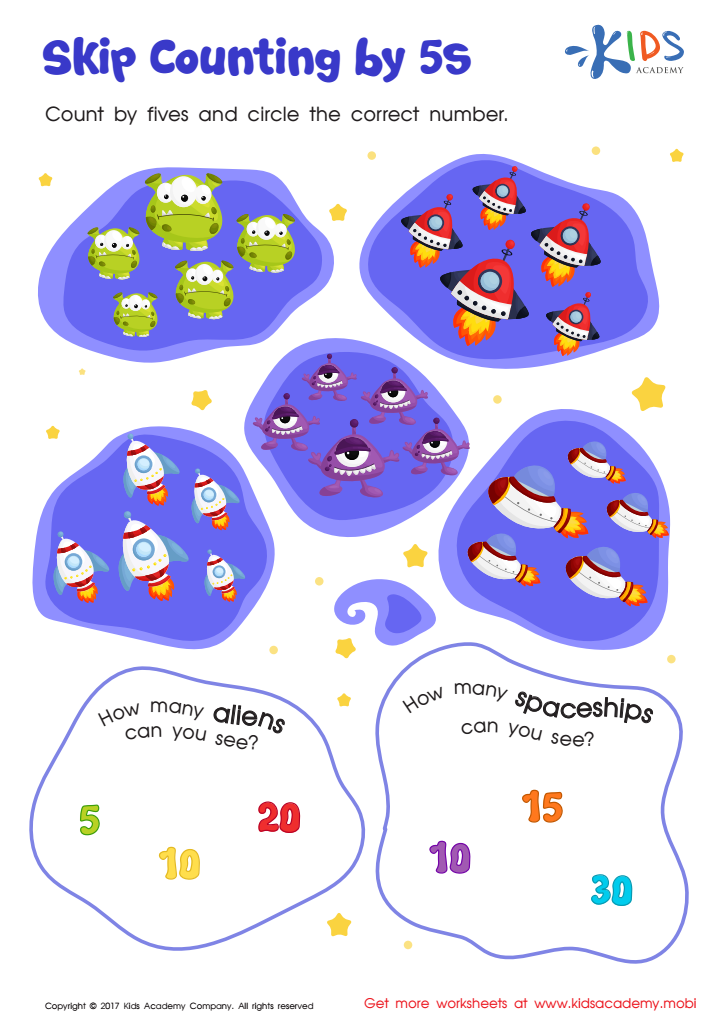
Skip Counting by 5s: Aliens and Spaceships Printable
 Assign to My Students
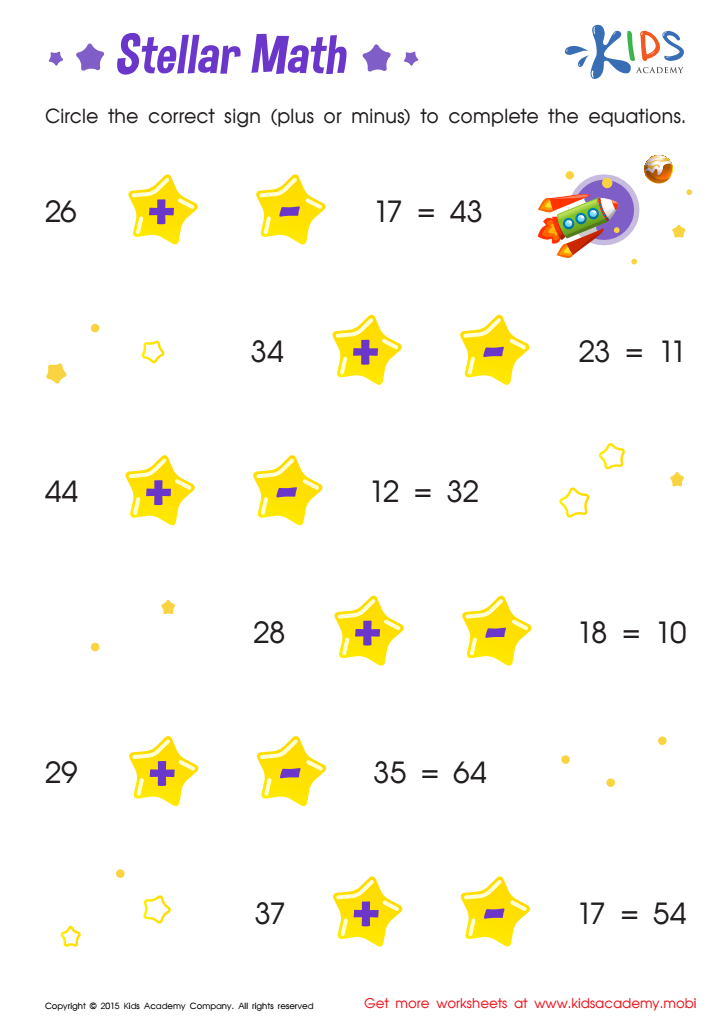
Stellar Math Substraction Worksheet
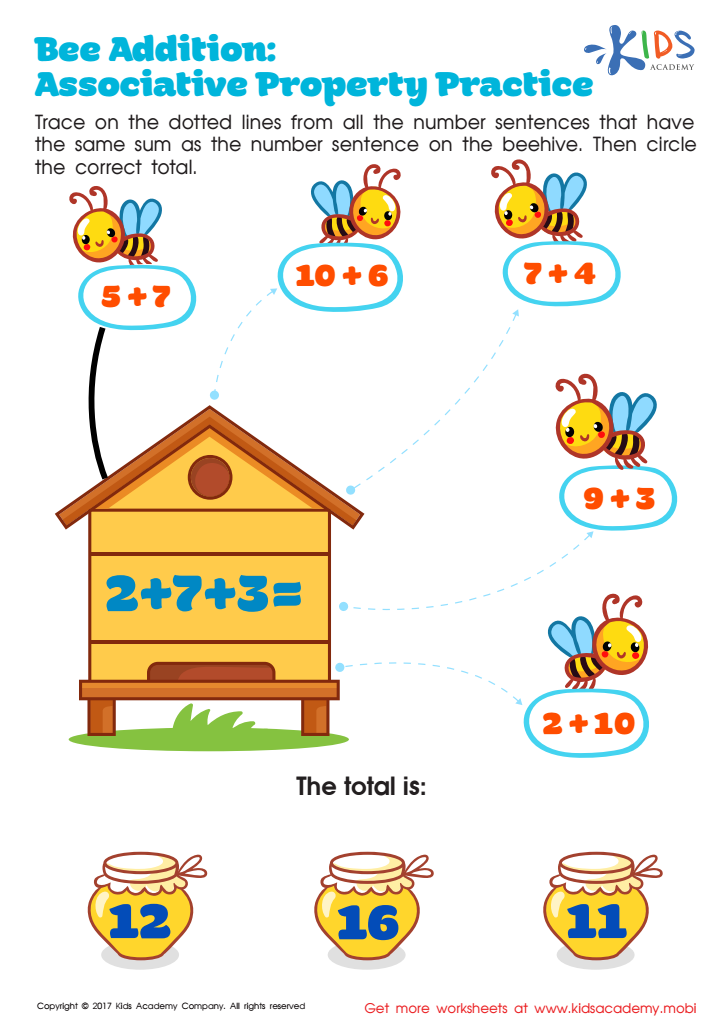
Bee Addition: Associative Property Practice Worksheet




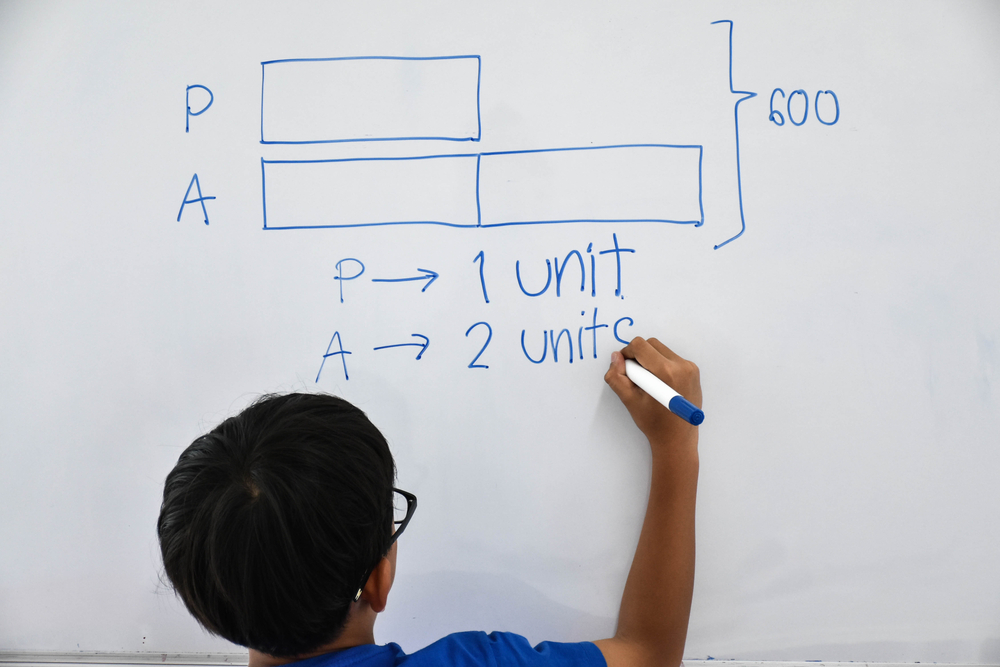



Improving mental arithmetic for children aged 7-9 is crucial for their overall academic and cognitive development. At this age, children are developing foundational skills that will support their future learning in mathematics and other subjects. Strong mental arithmetic boosts confidence, enhances problem-solving abilities, and fosters a positive attitude towards math, often a subject that many children find intimidating.
As children learn to perform calculations mentally, they improve their number sense, which is vital for understanding more complex concepts later in their education. Developing these skills early prepares students for higher-order thinking and supports daily life skills, such as budgeting, time management, and critical thinking.
Engaging in mental math activities also prepares children for standardized tests and assessments that demand quick and accurate calculation abilities. Moreover, the brain benefits from practice; regular mental arithmetic exercises stimulate neural pathways that enhance cognitive functioning, creativity, and analytical skills.
Teachers and parents who prioritize mental arithmetic set children on a path toward academic success and lifelong learning. They help instill perseverance and resilience, as children improve through practice and error. This development not only ultimately contributes to better performance in math but also builds essential skills beneficial in many areas of life.








