Improving subtraction skills Worksheets for Ages 7-9
3 filtered results
-
From - To
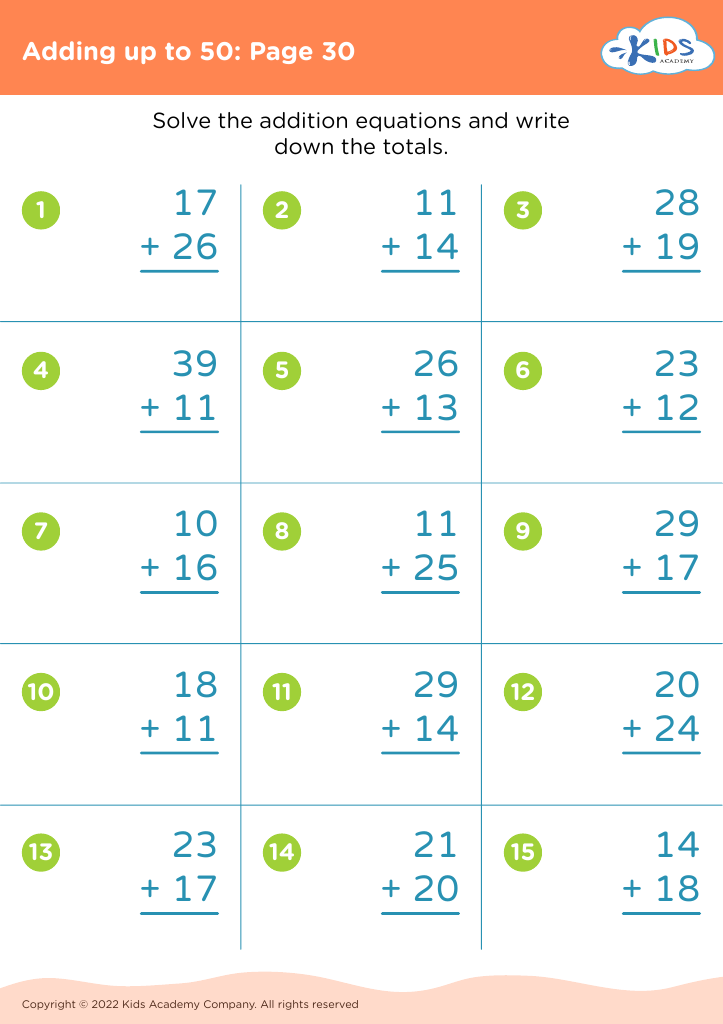
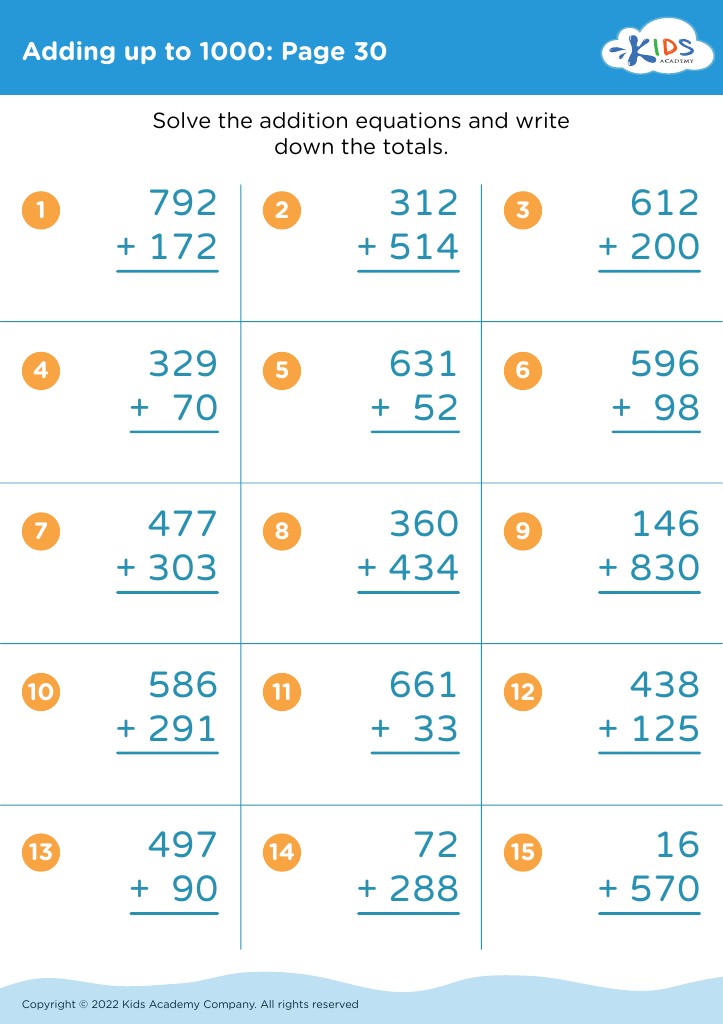
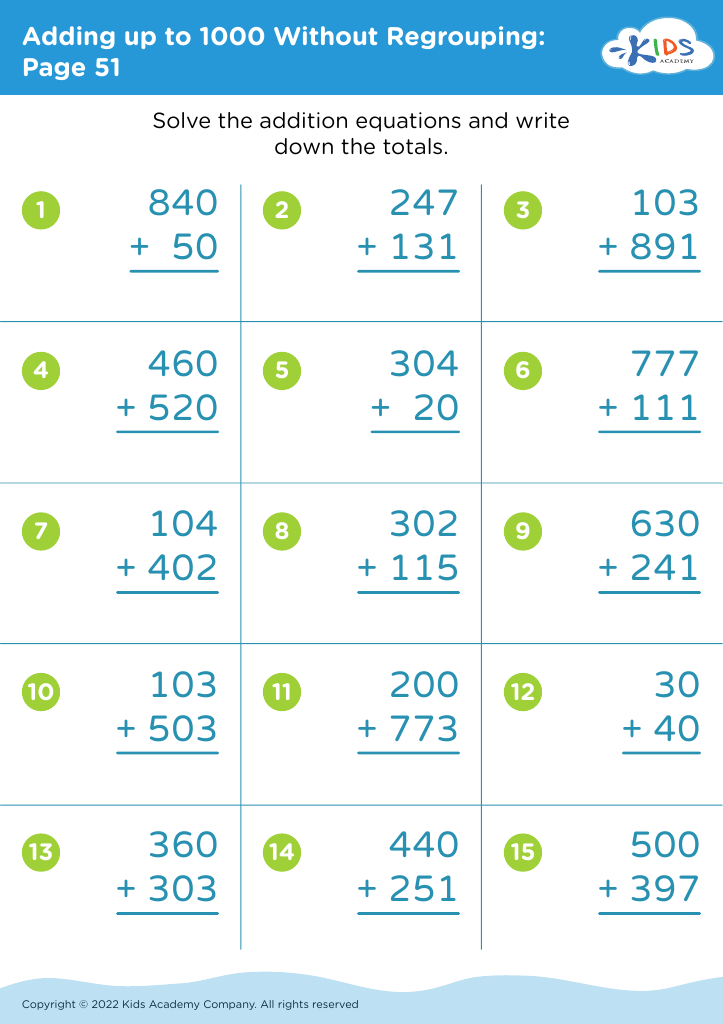
Boost your child's math confidence with our "Improving Subtraction Skills" worksheets tailored for ages 7 to 9. This comprehensive collection features engaging activities designed to develop and refine subtraction techniques. From simple one-digit problems to more challenging two-digit equations, each worksheet promotes critical thinking and problem-solving skills in a fun and interactive way. Our resources help children practice subtraction in context, making math relevant to everyday life. Perfect for home study or classroom use, these worksheets support varied learning styles and allow parents and teachers to track progress effectively. Help your child master subtraction with ease and enjoyment!







Improving subtraction skills for children ages 7-9 is vital for several reasons. At this developmental stage, children are combining basic arithmetic knowledge with more complex concepts, forming the foundation for their mathematical competence. Mastery of subtraction not only enhances their problem-solving abilities but also builds their confidence in handling numbers. Proficient subtraction skills contribute directly to their performance in critical academic areas such as arithmetic, word problems, and eventually, algebra.
In addition, strong subtraction skills foster essential life skills. Children frequently encounter situations requiring them to make calculations—whether it’s in shopping scenarios, sharing snacks, or measuring for a recipe. Thus, solid subtraction proficiency encourages practical understanding and application of math in everyday life.
Moreover, ensuring that students are engaged and supported during this learning phase helps prevent future learning gaps and math anxiety. Parents and teachers can work together to create motivating environments—utilizing games, interactive activities, and real-world scenarios to make subtraction relatable and enjoyable.
Fostering these skills now not only ensures academic success but also prepares children for lifelong learning, critical thinking, and responsible number usage throughout their lives.








