Mathematics skills Worksheets for Ages 7-9
3 filtered results
-
From - To
Introduce your child to the world of numbers with our engaging Mathematics Skills Worksheets for ages 7-9! Tailored to make learning fun, these worksheets cover crucial topics such as addition, subtraction, multiplication, and division. Our unique exercises use colorful visuals and interactive problems to reinforce key concepts, helping young learners build confidence and proficiency in math. Created by educational experts, these printable resources accommodate various learning styles and are designed to foster a solid mathematical foundation. Perfect for classroom use or at-home practice, watch your child's skills grow while they enjoy the learning journey!
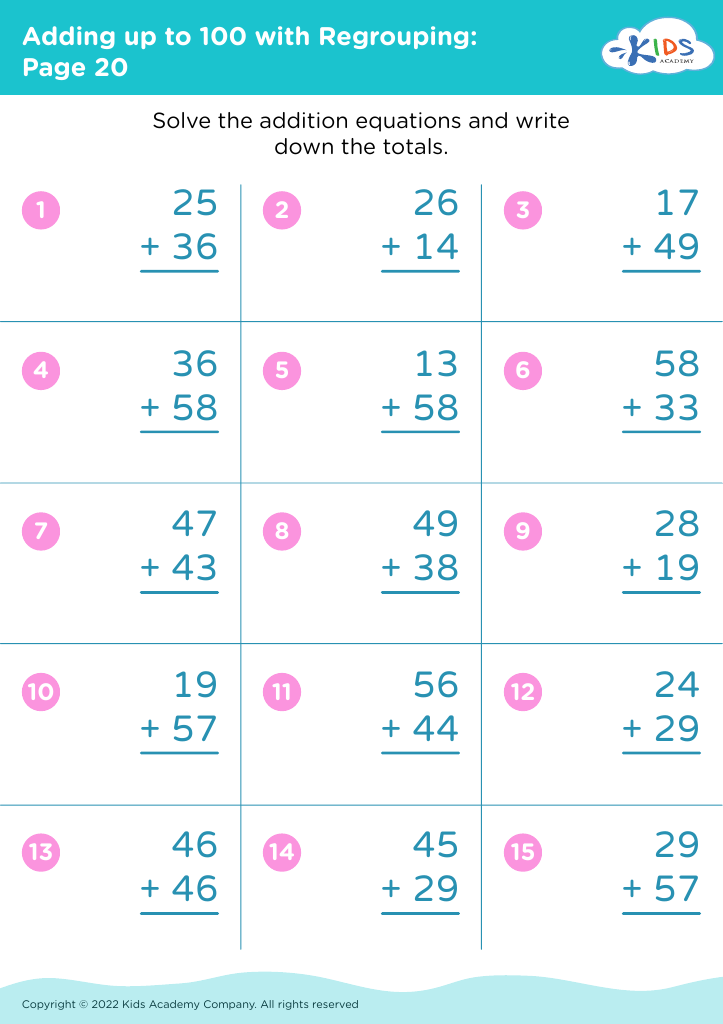
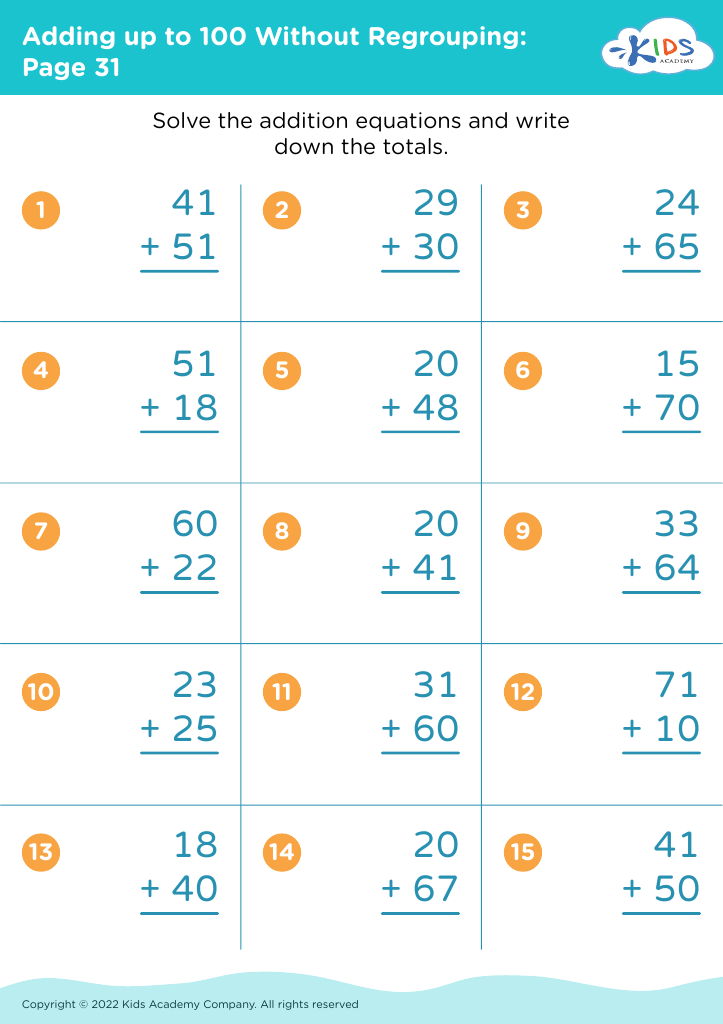
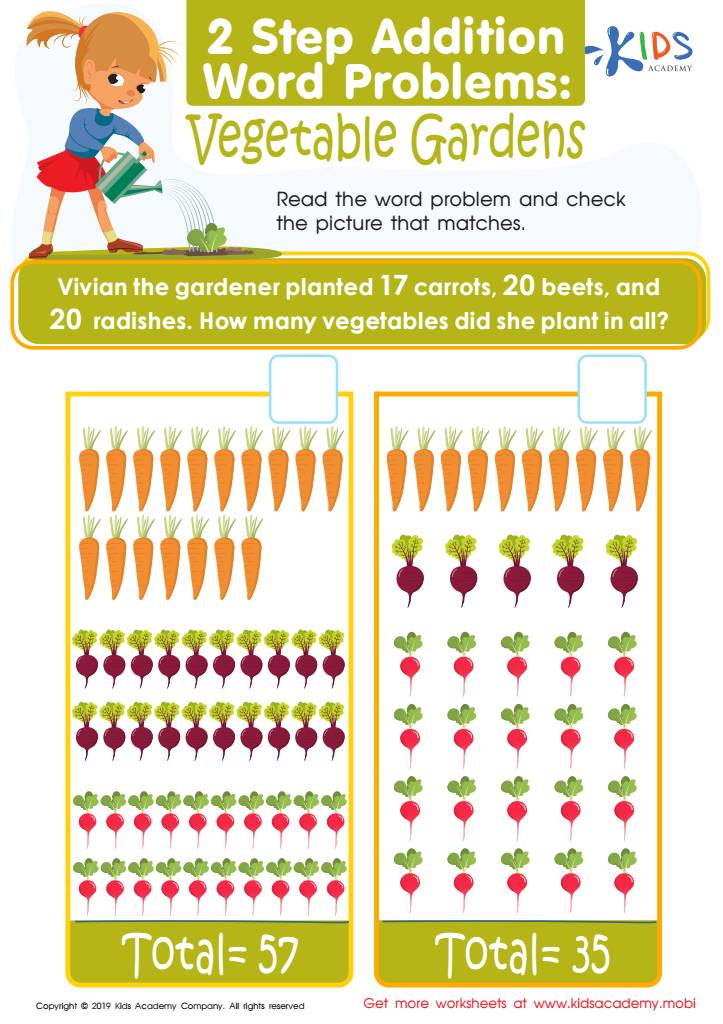
Vegetable Gardens Worksheet
 Assign to My Students


.jpg)

.jpg)



Parents and teachers should care about developing strong mathematics skills in children aged 7-9 because these skills form the foundation for more advanced concepts that are critical in later educational stages. At this age, kids are at a developmental stage where they can grasp basic mathematical principles, such as addition, subtraction, multiplication, and division, which are fundamental for everyday tasks and problem-solving.
First, math skills enhance logical thinking and reasoning, helping children learn to approach problems methodically and find solutions independently. This fosters a mentality geared towards analytical thinking beyond the classroom. Secondly, mathematics is ubiquitous in various subjects, from science to art; hence, a firm grasp on basic math broadens their ability to understand and enjoy a variety of disciplines.
Strong math skills at an early age also pave the way for success in a society increasingly driven by technology and quantitative data. Early proficiency can engender confidence and positive attitudes towards mathematics, leading to higher academic achievement and more career opportunities in fields requiring numerical competence.
Finally, focusing on math helps children develop resilience and perseverance, as they learn to tackle challenges through practice and patience. These personal attributes benefit all areas of their lives, demonstrating that prioritizing math skills enhances both cognitive and non-cognitive development, setting children up for long-term success.








