Numerical comparisons Worksheets for Ages 7-9
3 filtered results
-
From - To
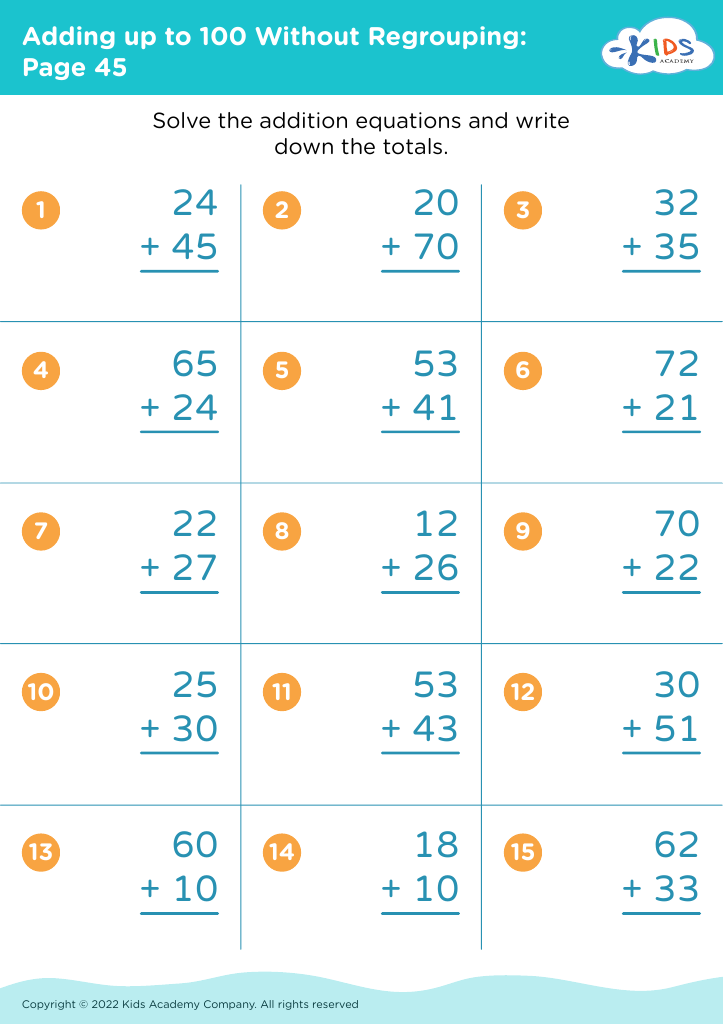
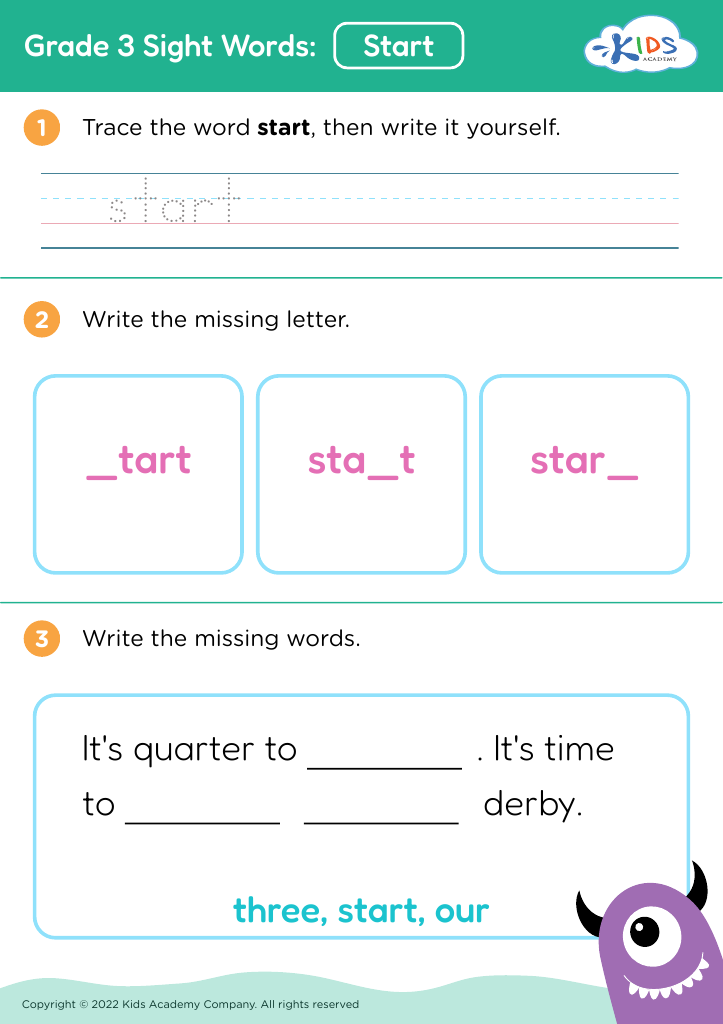
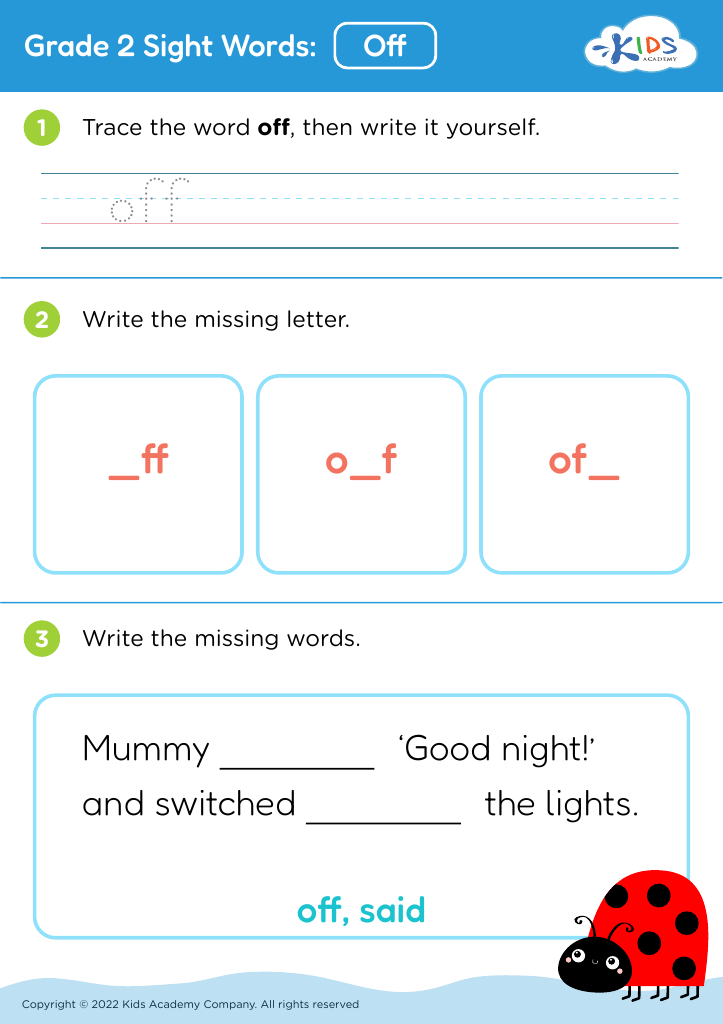
Enhance your child's mathematical skills with our engaging Numerical Comparisons Worksheets designed specifically for ages 7 to 9. These worksheets provide a fun and interactive way for young learners to practice comparing numbers, fostering essential skills such as greater than, less than, and equal to. Our carefully crafted exercises incorporate vibrant illustrations that capture children's interest while reinforcing their understanding of numerical relationships. Perfect for home or classroom use, these resources support foundational math knowledge and boost confidence. Encourage your child to explore numbers through playful activities that promote critical thinking. Download your worksheets today and watch your child's math skills flourish!






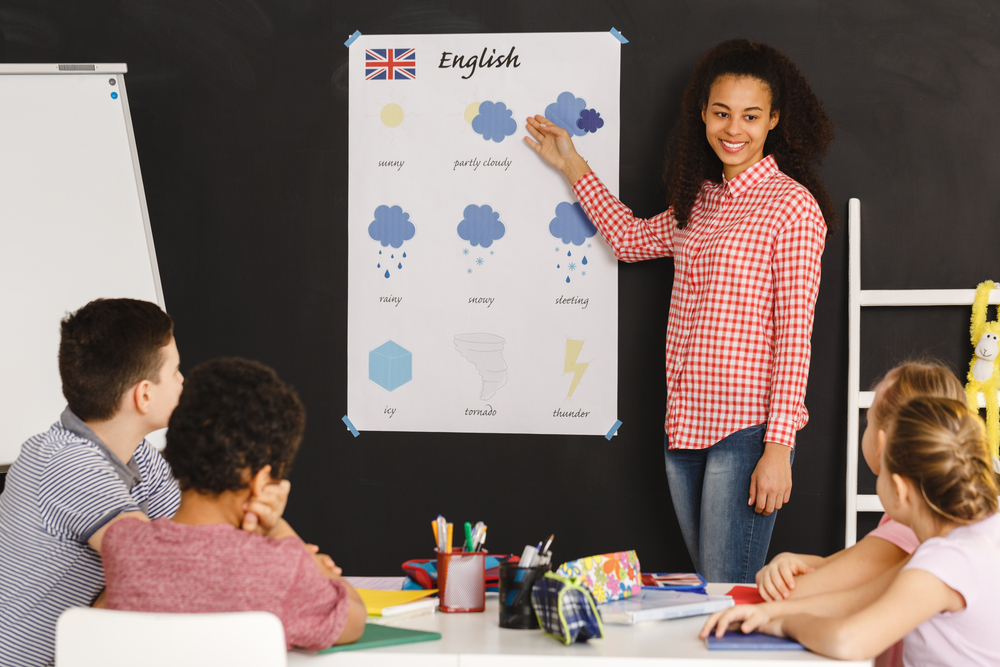
Numerical comparisons are essential skills for children aged 7-9, as they form the foundation for more complex math concepts later in life. During this developmental stage, children are increasingly exposed to operations involving greater numbers and the relationships between them. Understanding numerical comparisons helps children discern differences and similarities, enhancing their problem-solving abilities.
Parents and teachers should care because these skills encourage critical thinking and reasoning. For instance, when children compare quantities, they practice essential mathematical language and concepts, such as greater than, less than, equal to, or more than. These skills promote a deeper comprehension of mathematics and boost confidence as children become more proficient.
Moreover, numerical comparisons are applied in everyday life, from shopping and budgeting to measuring and time management, thus bridging the gap between math and real-world situations. Since these skills also reinforce notions of estimation and approximation, they prepare children for more complex tasks ahead. Engaging in fun activities, games, and discussions on numerical comparisons can motivate students and parents alike, fostering a positive attitude towards math learning while paving the way for academic success in future years. Hence, nurturing these skills can have long-lasting benefits for children's educational journey.








