Reading skills development Worksheets for Ages 7-9
6 filtered results
-
From - To
Enhance your child's reading proficiency with our specialized Reading Skills Development Worksheets designed for ages 7-9. Tailored to cultivate comprehension, vocabulary, and critical thinking, these engaging worksheets from Kids Academy boost confidence through fun and interactive activities. From phonics and sentence structure to reading comprehension exercises, each sheet fosters literacy growth by making learning an enjoyable adventure. Ideal for both classroom and home use, our expertly crafted materials support steady progress and help young readers achieve impressive milestones. Empower your child’s journey to becoming a confident and fluent reader with our dynamic educational resources.
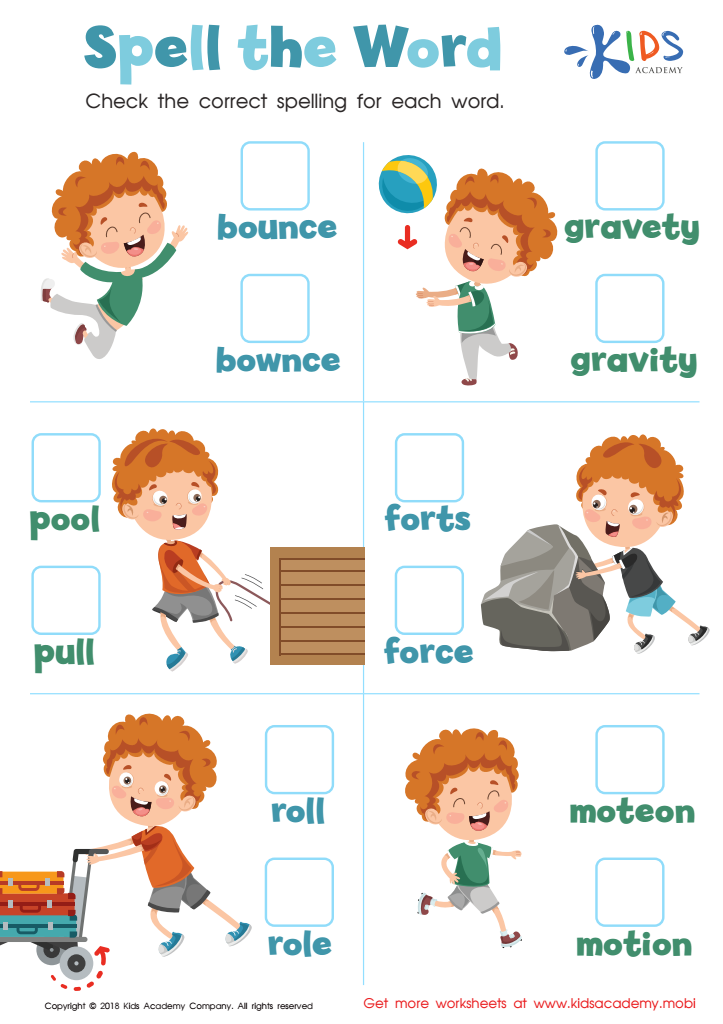
Spell the Word Worksheet
 Assign to My Students
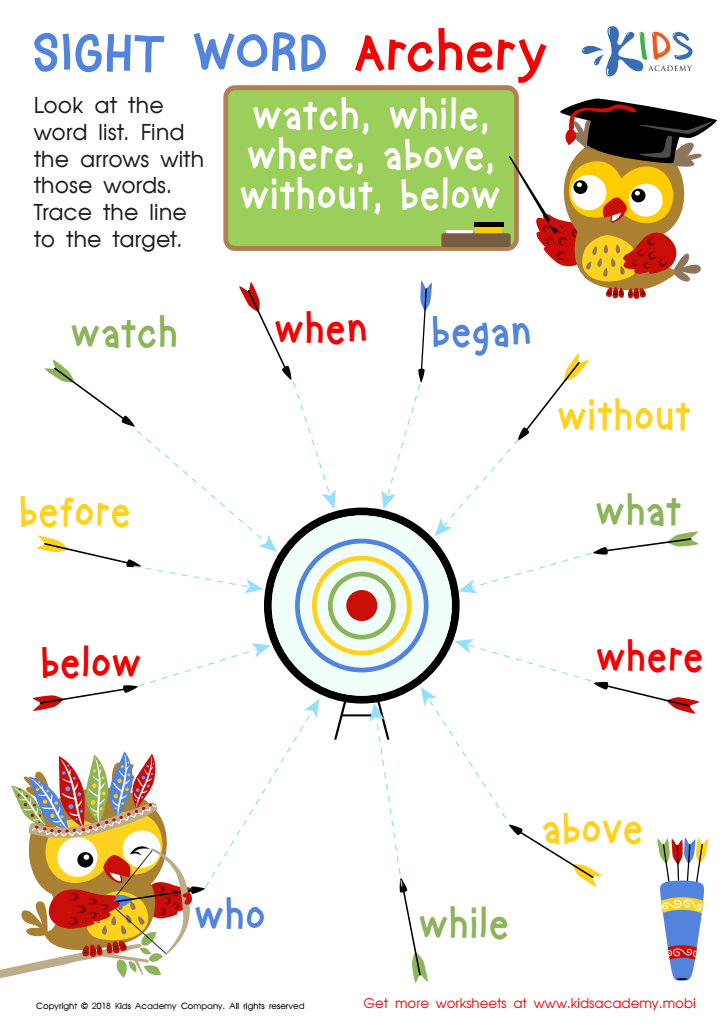
Sight Word Archery Worksheet
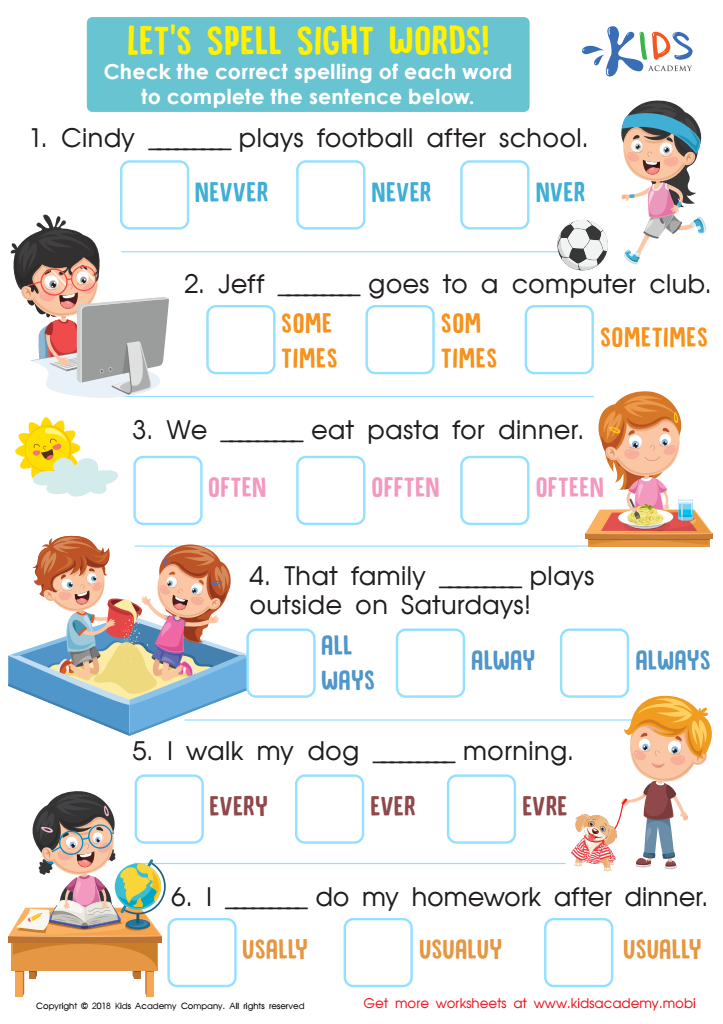
Let's Spell Sight Words Worksheet
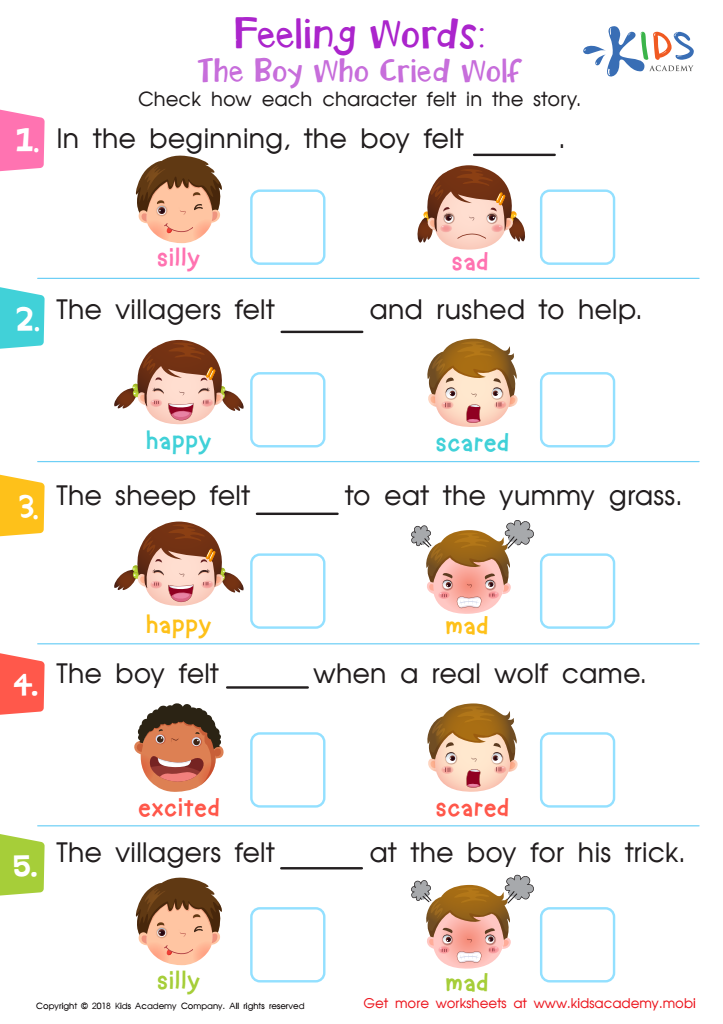
Feeling Words: The Boy Who Cried Wolf Worksheet
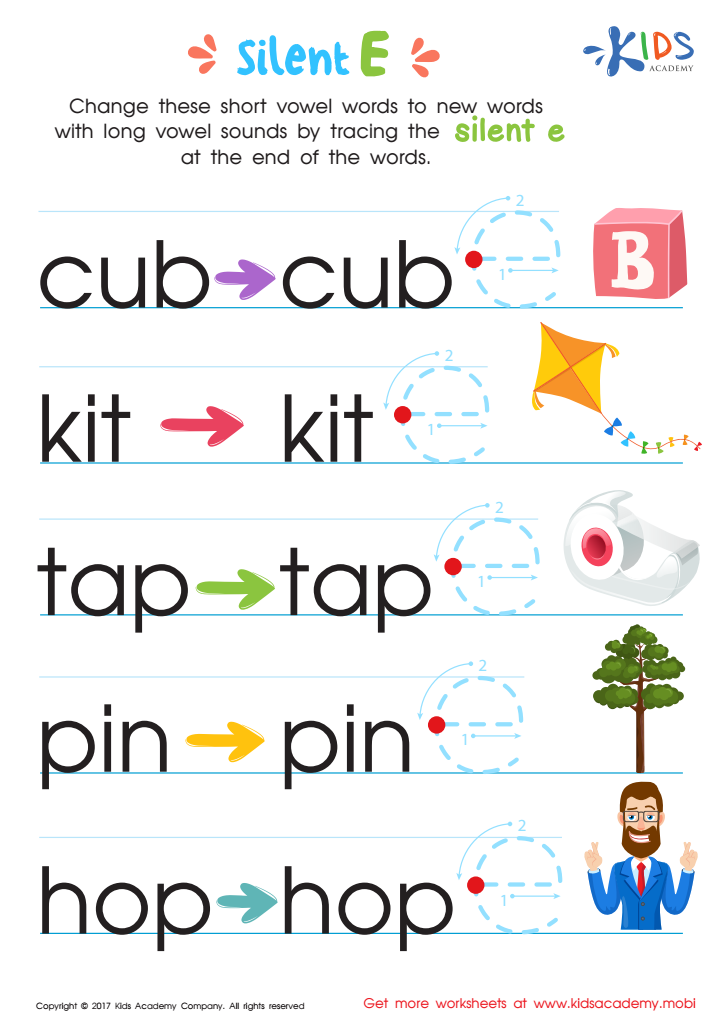
Silent E Words Worksheet
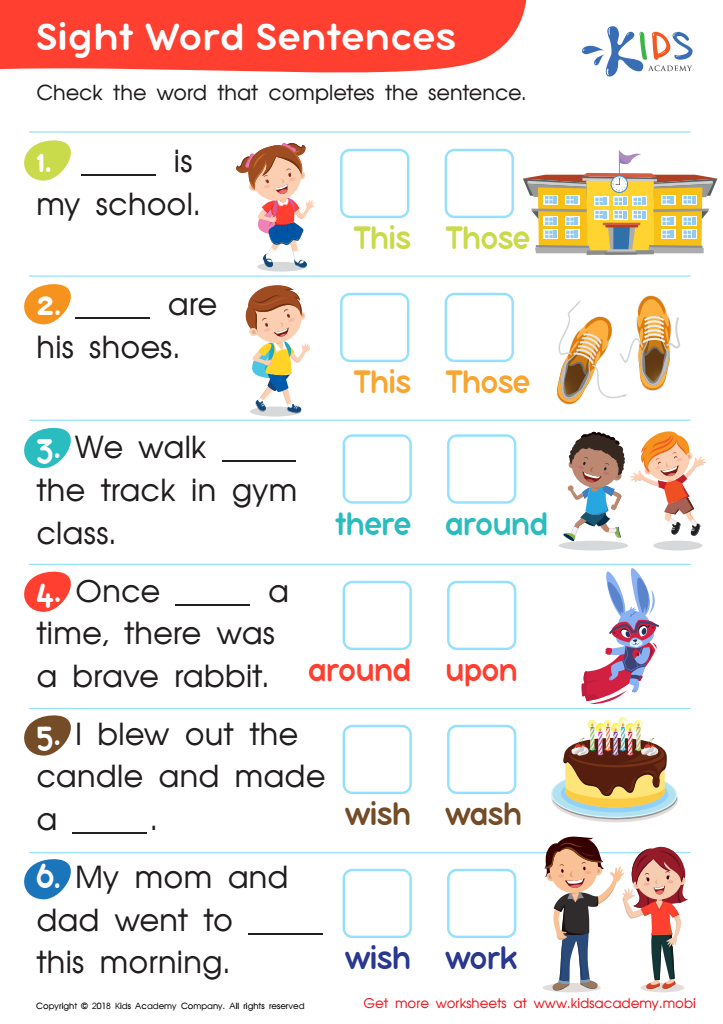
Sight Word Sentences Worksheet







Reading skills development for children aged 7-9 is a cornerstone of their overall academic and personal growth. At this stage, children transition from learning to read to reading to learn. Establishing strong reading skills early on enhances comprehension, vocabulary, and critical thinking. This allows children to not only understand storylines and facts but also to make inferences, participate in discussions, and solve problems more effectively.
When children are confident readers, they are more likely to enjoy academic success across all subjects. Many areas of study, such as science and social studies, require reading for understanding complex concepts and instructions. Consequently, struggling readers may fall behind, impacting their self-esteem and enthusiasm for education.
Furthermore, reading opens up new worlds and experiences, fostering empathy through exposure to diverse characters and situations. This cultural enrichment can teach valuable life lessons and expand a child's worldview.
Parents and teachers play crucial roles in modeling reading behaviors and providing a rich literary environment. Engaging with children through reading, whether by reading aloud or discussing books, also strengthens parent-child or teacher-student bonds. Thus, investing time and resources in developing reading skills from ages 7-9 lays a foundation for lifelong learning and emotional growth.








