
Recognition skills Worksheets for Ages 7-9
3 filtered results
Difficulty Level
Grade
Age
-
From - To
Subject
Activity
Standards
Boost your child's cognitive abilities with our meticulously crafted Recognition Skills Worksheets for Ages 7-9. Designed to enhance visual discrimination and attention to detail, these worksheets cover a broad array of tasks including shape recognition, pattern identification, and matching exercises. Our vibrant and engaging activities not only make learning enjoyable but also build essential skills that lay the foundation for reading, writing, and problem-solving. Ideal for both classroom use and home practice, these resources promote effective learning habits. Unlock your child's potential and make learning fun with Kids Academy Recognition Skills Worksheets! Download and print today!
Favorites
With answer key
Interactive
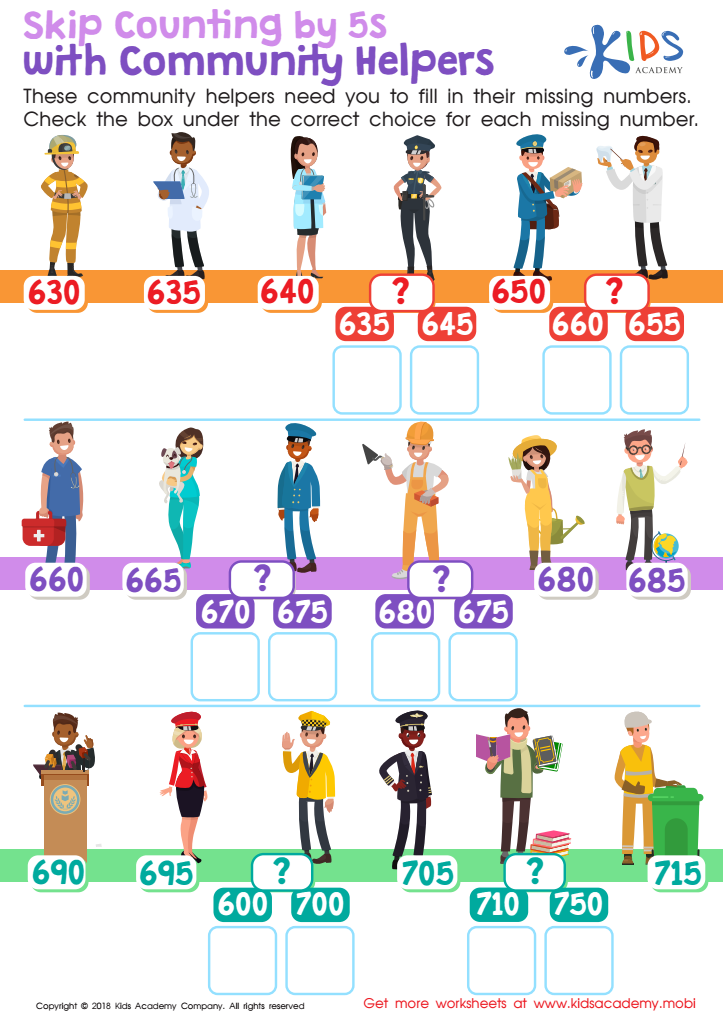
Skip Counting by 5s With Community Helpers Worksheet
This free worksheet combines social studies with math! Kids will practice counting by 5s, rounding numbers and honing their computation skills while also familiarizing themselves with community helpers. Develop your child's number sense and strengthen their math skills - all through a fun and interactive activity.
 Assign to My Students
Skip Counting by 5s With Community Helpers Worksheet
Worksheet
Join Kids Academy for Free
Who is primarily going to use this learning content?





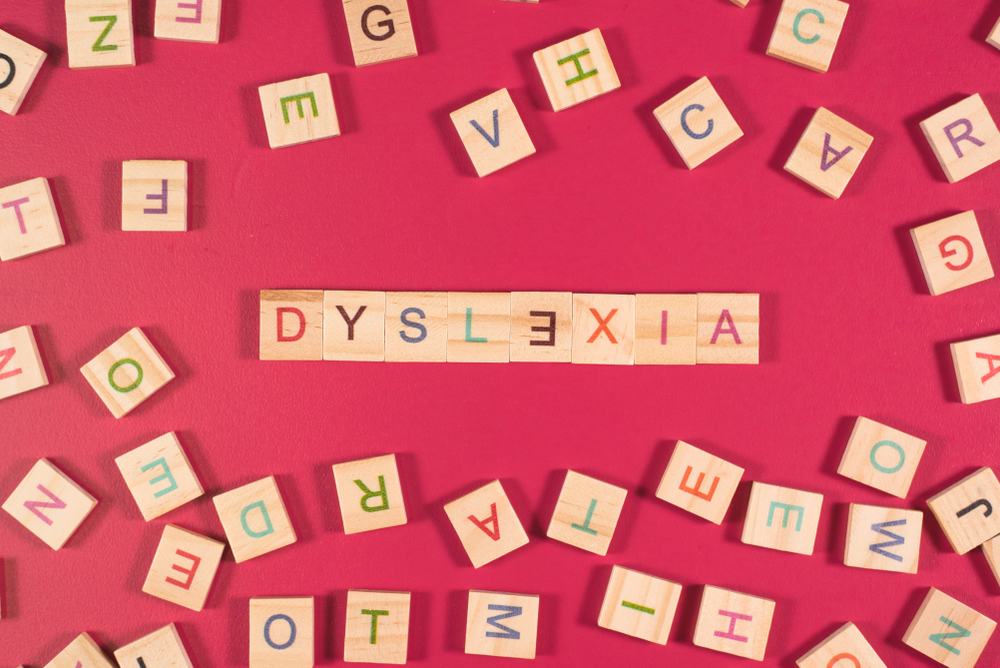

Recognition skills are foundational abilities that significantly impact long-term academic success and social development for children aged 7-9. At this critical developmental stage, children are beginning to transition from learning to read to reading to learn. Solid recognition skills, particularly in reading, help children quickly identify words, comprehend texts, and build vocabulary, thereby fostering a love for reading. This skill is directly linked to improved performance in subjects such as language arts, science, and social studies.
Furthermore, recognition skills extend beyond academia. Understanding social cues, recognizing emotions in facial expressions, and interpreting body language are essential for healthy peer relationships and emotional intelligence. This social aspect reduces the likelihood of feelings of isolation and promotes collaborative learning environments.
Parents and teachers must nurture these skills early to ensure children build confidence in their abilities. Structured activities like reading aloud, interactive games, and engaging in discussions can significantly enhance recognition skills.
By focusing on developing recognition skills, educators and parents lay a robust foundation for a child's continued learning journey, equipping them with the tools needed to navigate both their educational path and their interpersonal interactions effectively.








