Spatial Orientation Worksheets for Ages 7-9
5 filtered results
-
From - To
Unlock the world of spatial awareness for your 7-9-year-olds with our engaging Spatial Orientation Worksheets! Designed to enhance essential learning skills, these worksheets provide exciting activities that help children recognize shapes, directions, and positions in space. Through interactive exercises, young learners will develop critical thinking and problem-solving abilities while having fun. Each worksheet is tailored to challenge and inspire, encouraging kids to explore their surroundings and improve their cognitive skills. Perfect for home or classroom use, our Spatial Orientation Worksheets offer a stimulating way to foster curiosity and confidence in navigating their environment. Start enhancing your child's spatial skills today!
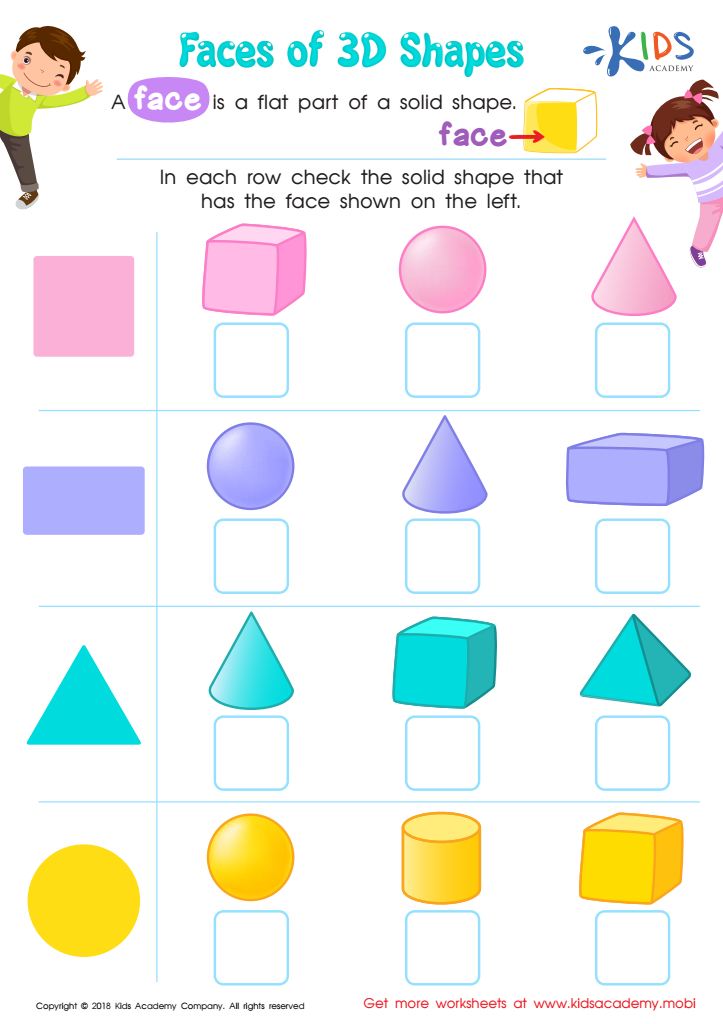
Faces of 3D Shapes Worksheet
 Assign to My Students
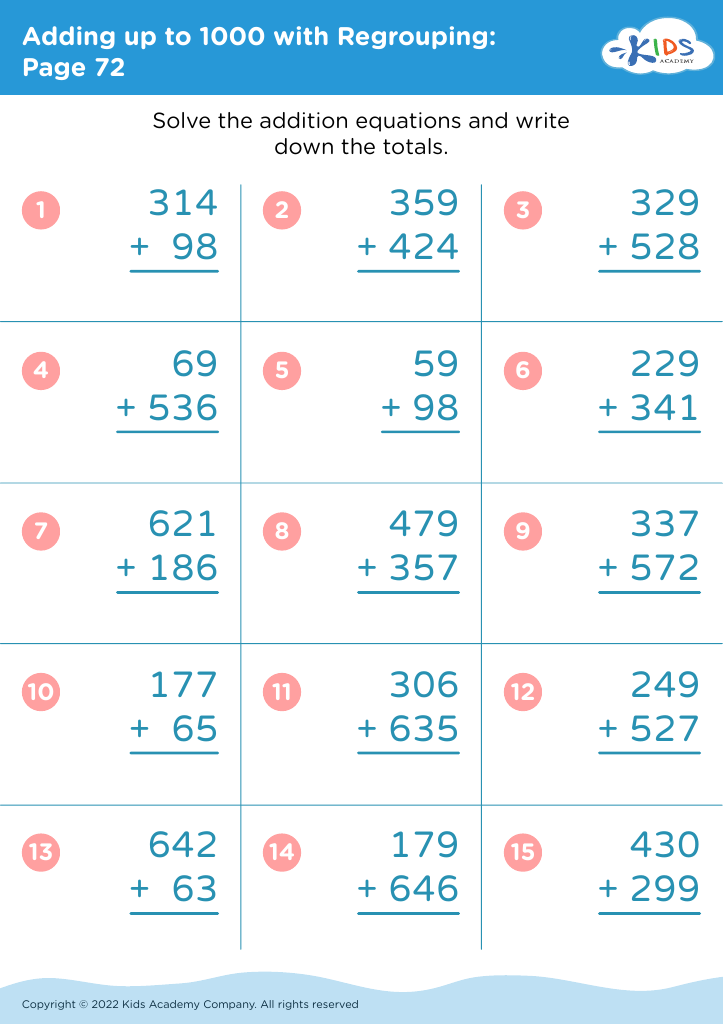
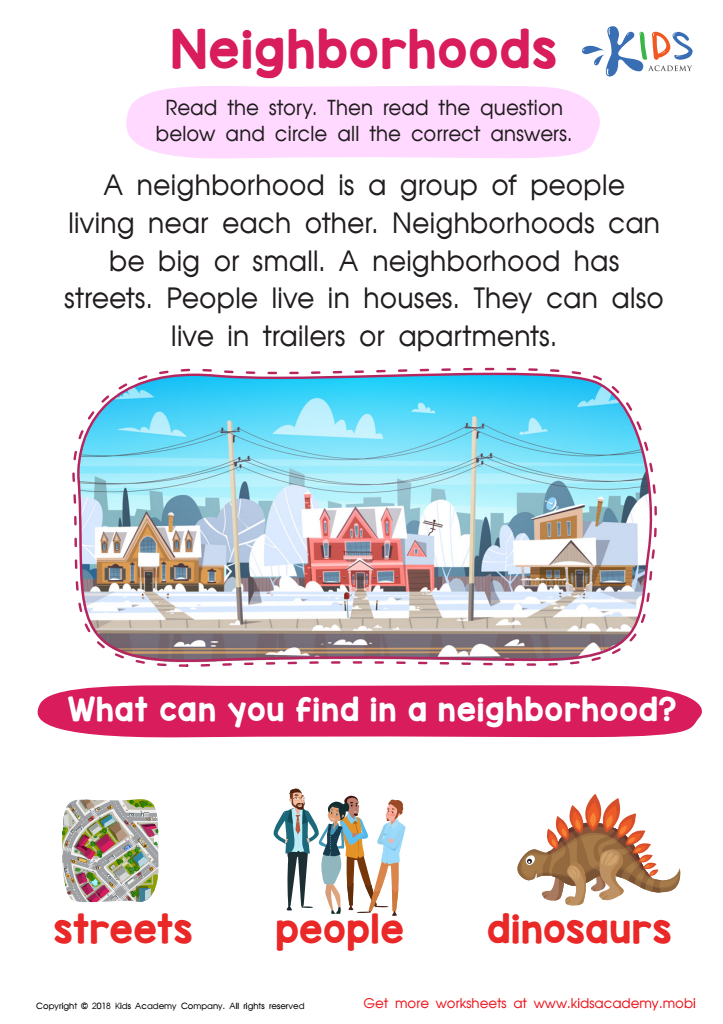
Neighborhoods Worksheet
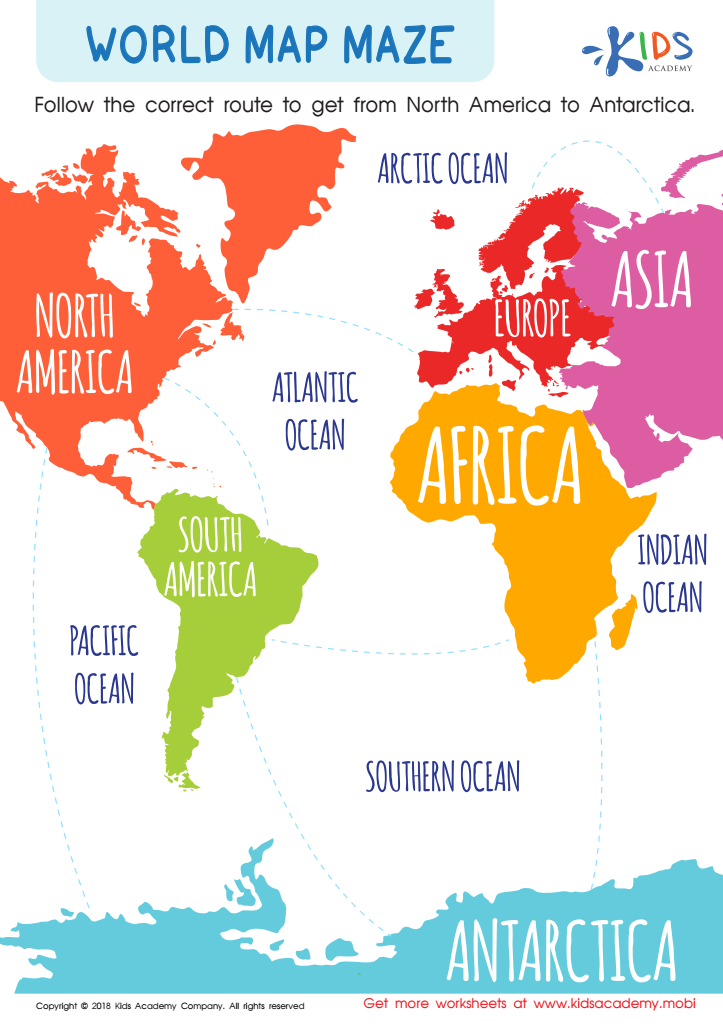
World Map Maze Worksheet
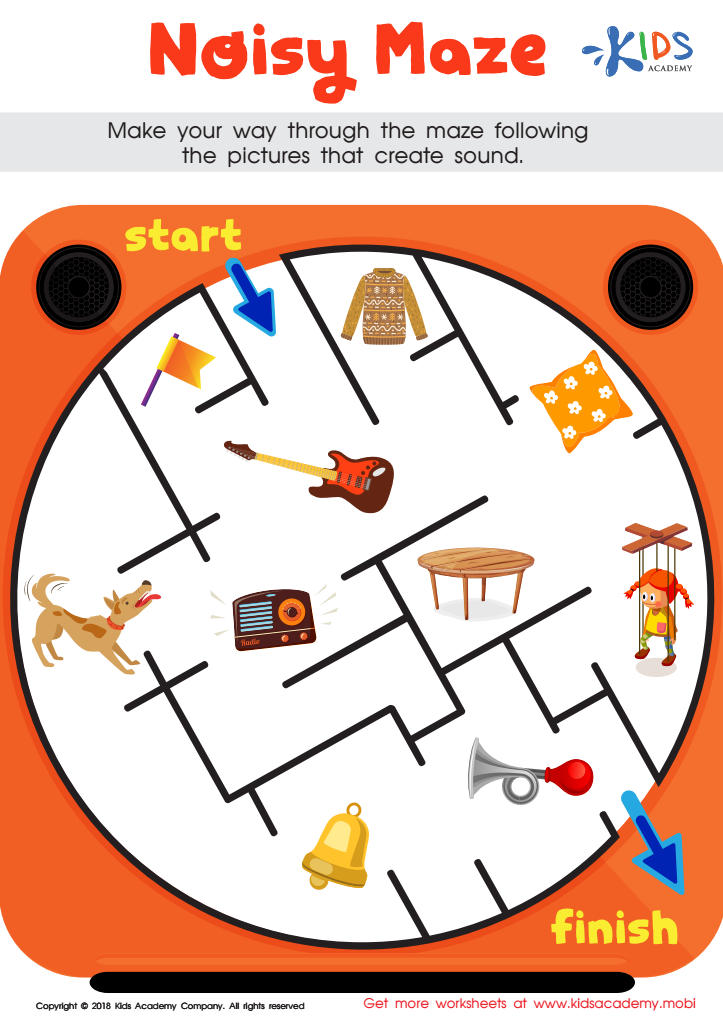
Noisy Maze Worksheet



.jpg)




Spatial orientation is a crucial developmental skill for children aged 7-9, influencing not only their academic performance but their everyday interactions with the world. At this stage, children are refining their ability to understand and navigate space, which directly impacts their abilities in subjects such as mathematics, geography, and science. For instance, concepts like geometry and measurement rely heavily on spatial awareness, making it essential for educators to foster these skills.
Moreover, spatial orientation plays a significant role in building critical thinking and problem-solving abilities. Children learn to visualize objects, understand directions, and mentally manipulate shapes, which enhances their cognitive development. Additionally, good spatial awareness supports effective social interactions; children learn to gauge personal space, navigate social settings, and engage in cooperative tasks.
From a practical standpoint, improving spatial orientation helps children succeed in various physical activities and sports by enabling them to judge distances and movement, promoting overall physical health.
Ultimately, supporting spatial orientation empowers children to develop confidence and independence throughout their lives. By prioritizing these skills, parents and teachers can set the foundation for lifelong learning and adaptability in an ever-evolving world.








