Understanding sequence Worksheets for Ages 7-9
7 filtered results
-
From - To
Discover our engaging "Understanding Sequence Worksheets for Ages 7-9," designed to enhance critical thinking and comprehension skills in young learners. These worksheets focus on teaching your child how to identify and arrange events, objects, and concepts in a logical order. Tailored for students aged 7 to 9, our materials encourage the development of sequencing skills through fun and interactive activities. Each worksheet provides age-appropriate challenges that foster cognitive growth, making learning enjoyable. Help your child grasp the importance of sequence in storytelling, math problems, and everyday situations, ensuring a solid foundation for academic success. Explore our collection today!
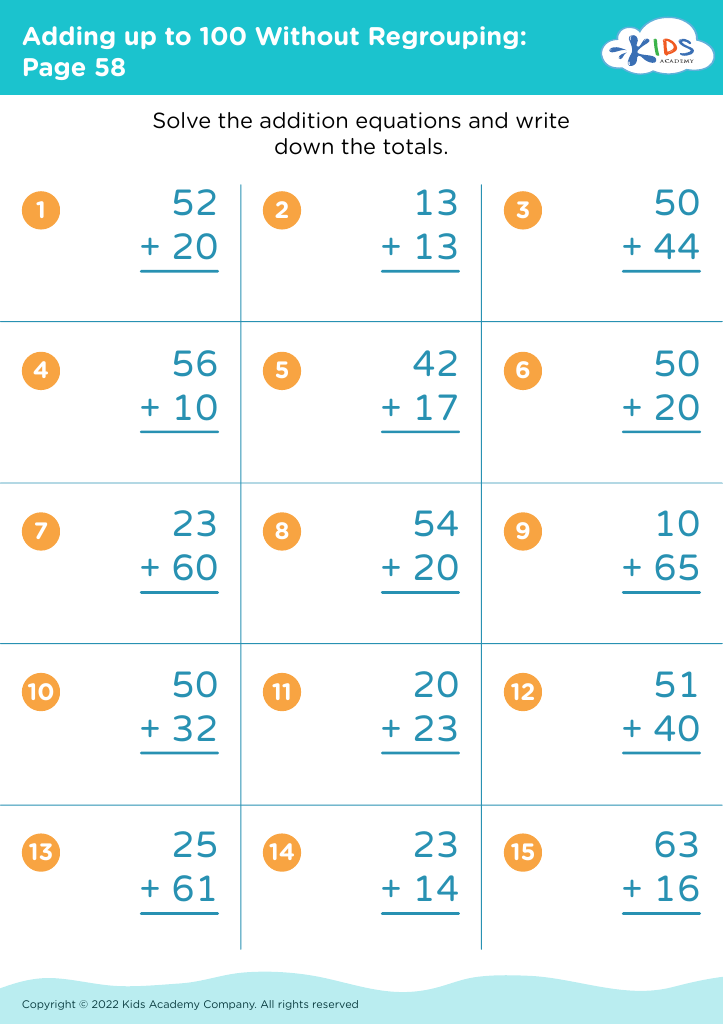
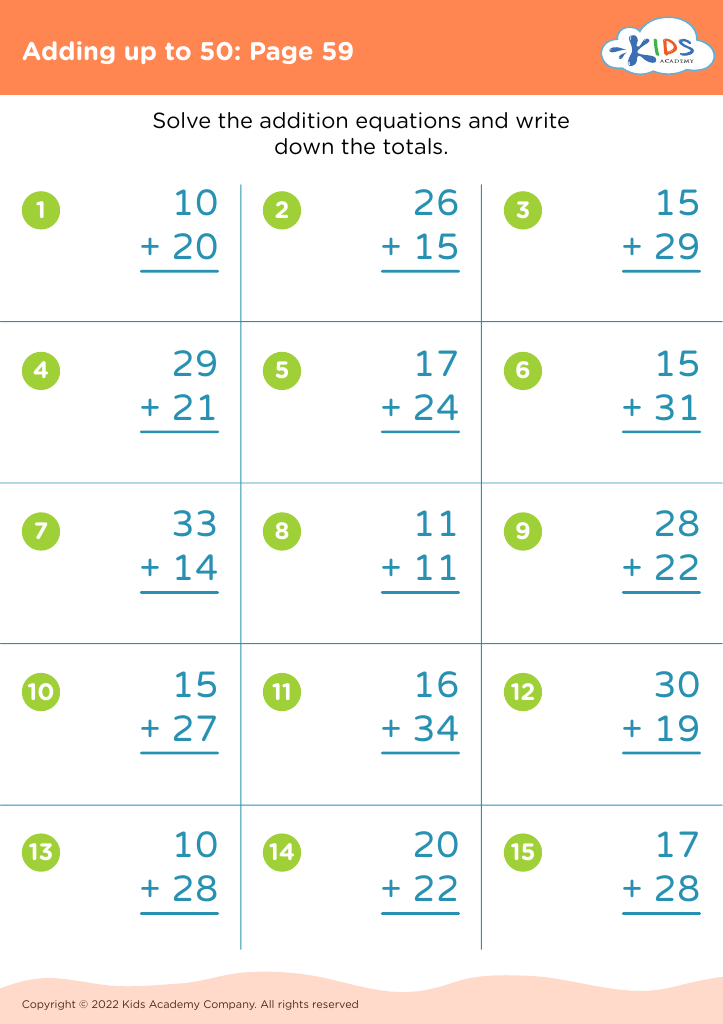
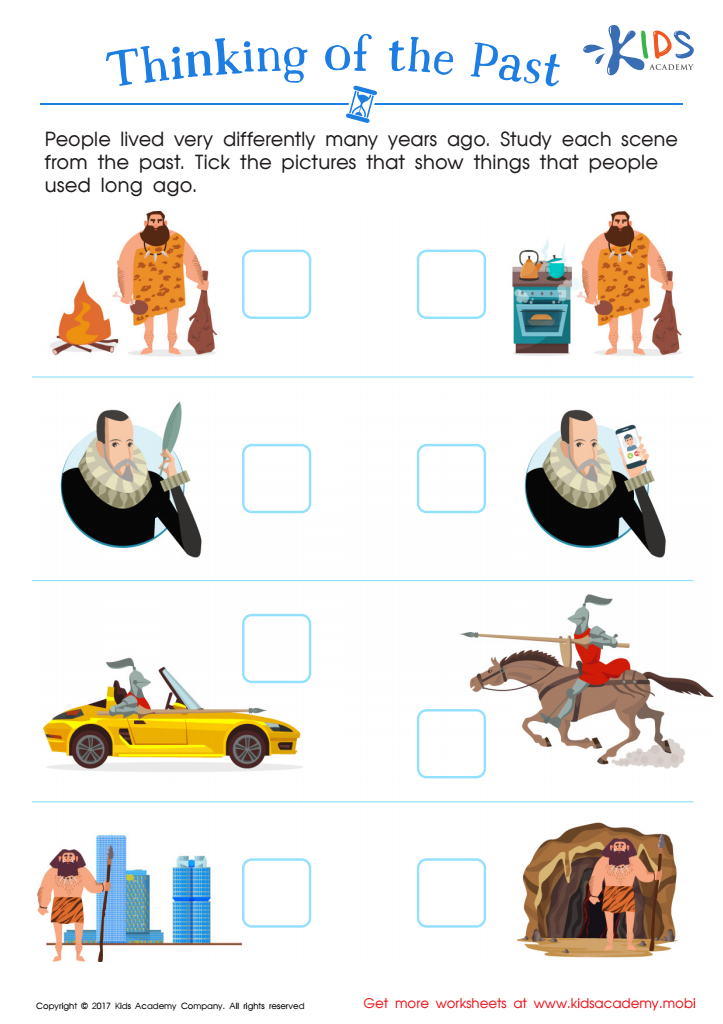
Thinking Past Printable
 Assign to My Students
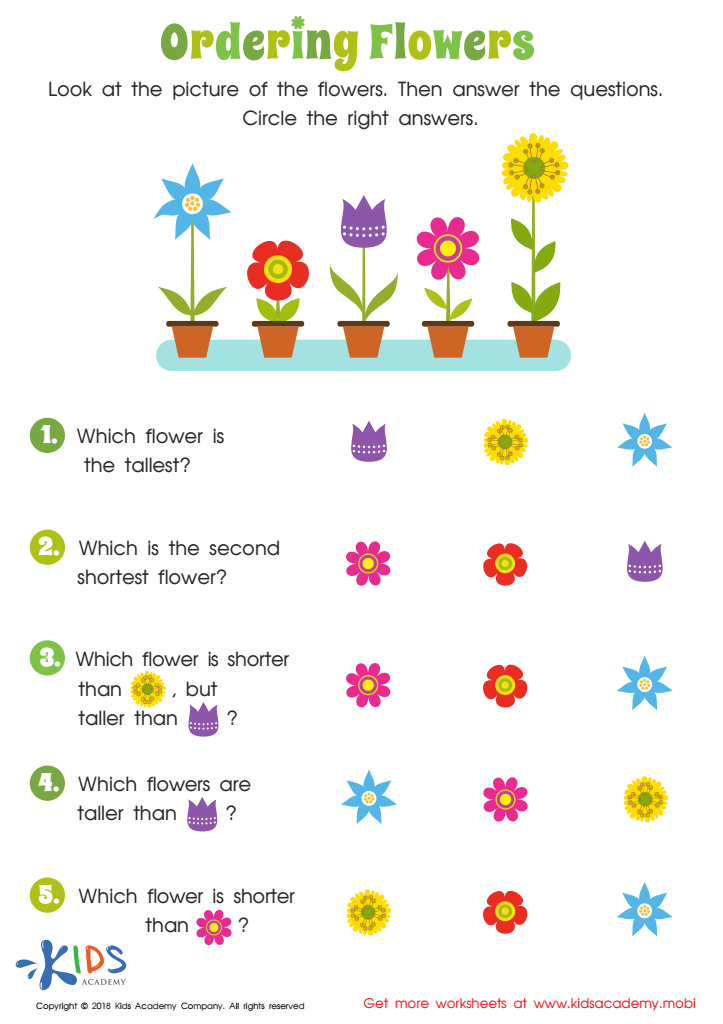
Ordering Flowers Worksheet
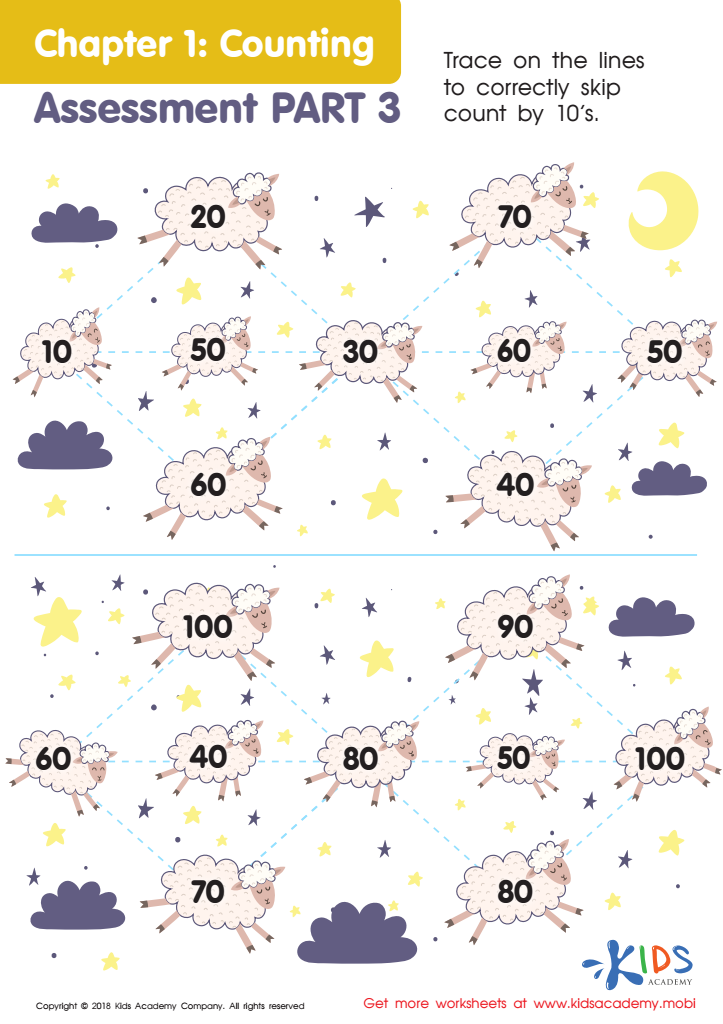
Counting: Assessment 3 Worksheet
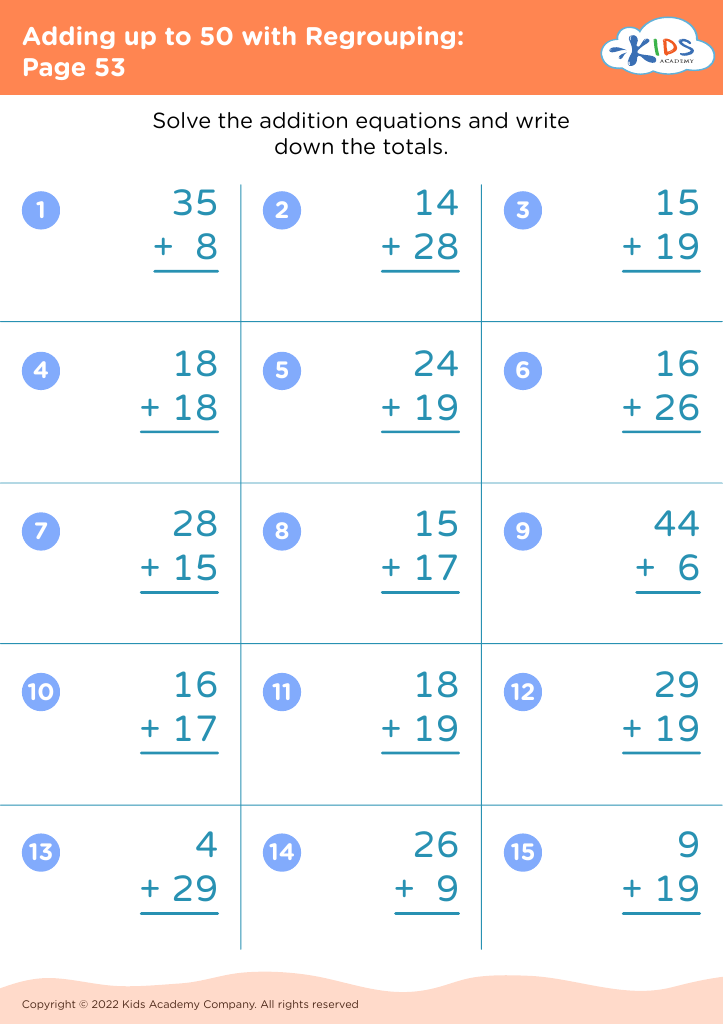
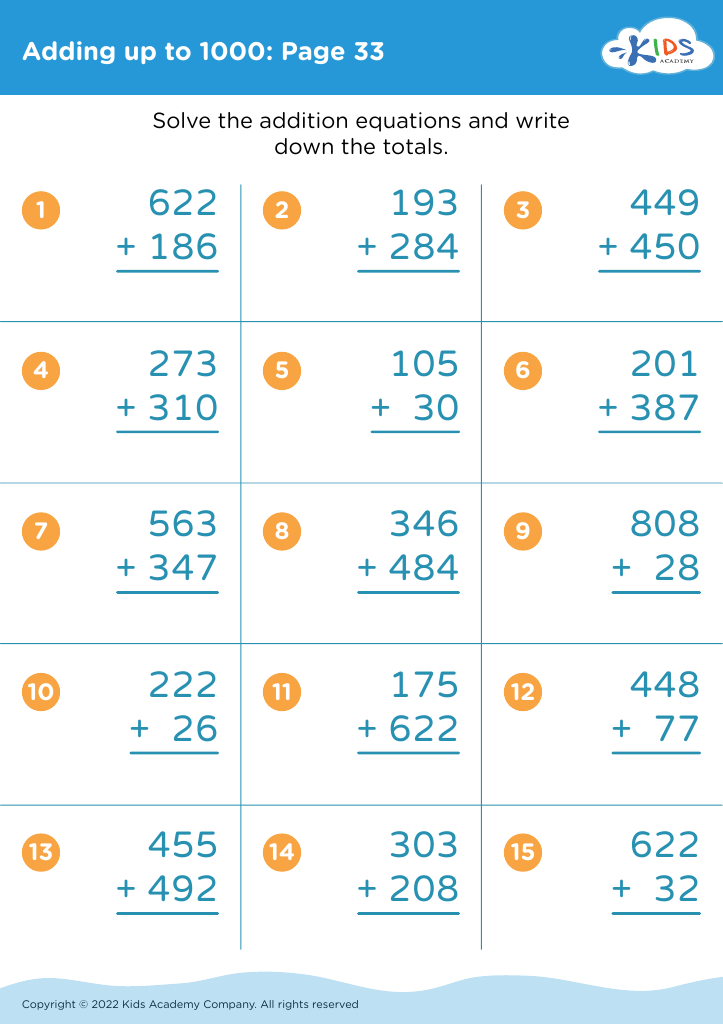






Understanding sequence is a critical skill for children ages 7-9 as it serves as a foundation for both academic success and daily life functions. At this developmental stage, children are learning to organize information logically, which is essential across subjects like mathematics, reading, and science. For instance, in math, understanding sequences enhances their ability to grasp concepts such as patterns, numbers, and problem-solving strategies. In reading, recognizing the sequence of events in a story improves comprehension and narrative skills.
Moreover, teaching children to understand sequence fosters their organizational and critical thinking abilities, which are vital in social and emotional contexts as well. It helps them in planning their daily routines, following instructions accurately, and developing a sense of time management—skills crucial for lifelong success. Furthermore, mastery of sequencing aids in enhancing memory, as children learn to create mental "road maps" that help them recall information effectively.
Parents and teachers play a pivotal role in nurturing these skills through engagement in activities like storytelling, sequencing games, and real-life examples. By emphasizing the importance of sequence, adults can prepare children for complex problem-solving and decision-making in their future educational endeavors and everyday lives.








