Understanding time Worksheets for Ages 7-9
12 filtered results
-
From - To
Our "Understanding Time Worksheets for Ages 7-9" are expertly designed to help young learners grasp essential time concepts with ease and fun. These engaging activities include reading clocks, understanding hours and minutes, and solving word problems related to time. Each worksheet is crafted to enhance mathematical skills and time-management abilities, ensuring children build a strong foundation for real-world applications. With colorful illustrations and interactive tasks, our worksheets make learning enjoyable and effective. Ideal for both classroom and at-home practice, these resources support educators and parents in nurturing confident, time-savvy students. Explore our comprehensive collection and watch your child master time-telling effortlessly!
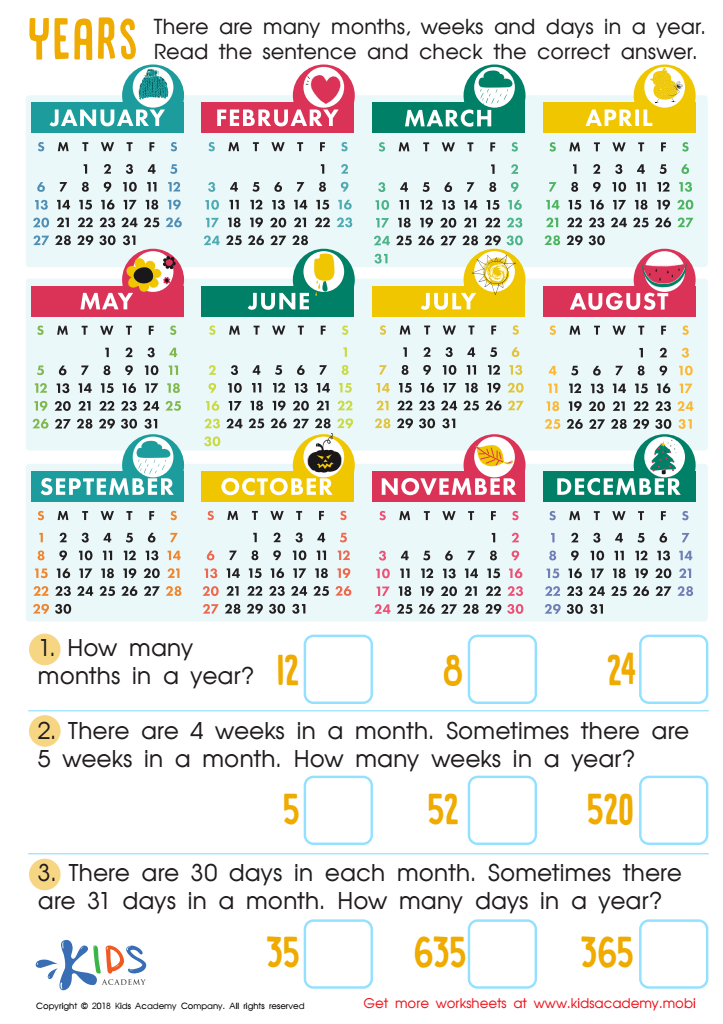
Years Worksheet
 Assign to My Students
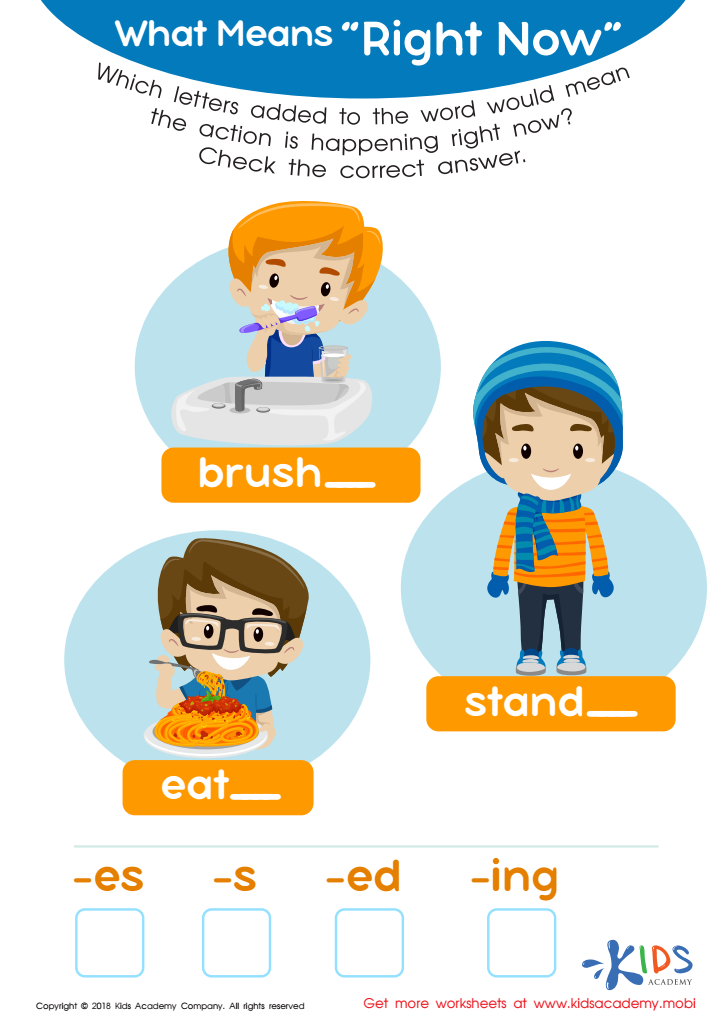
What Means "Right Now" Worksheet
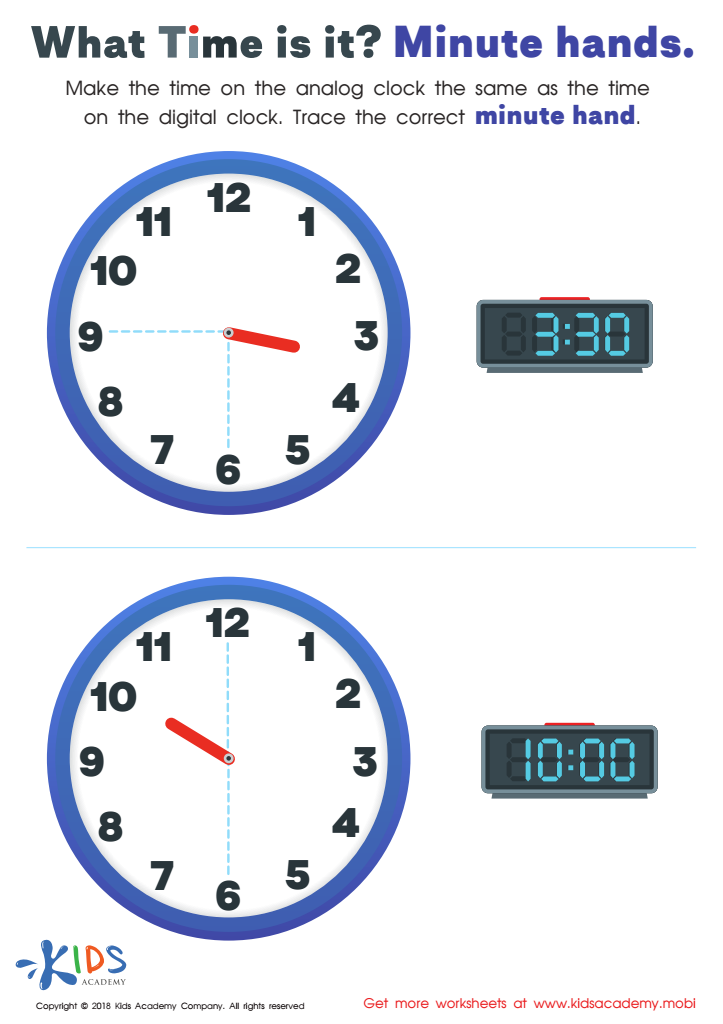
What Time Is it? Minute Hands Worksheet
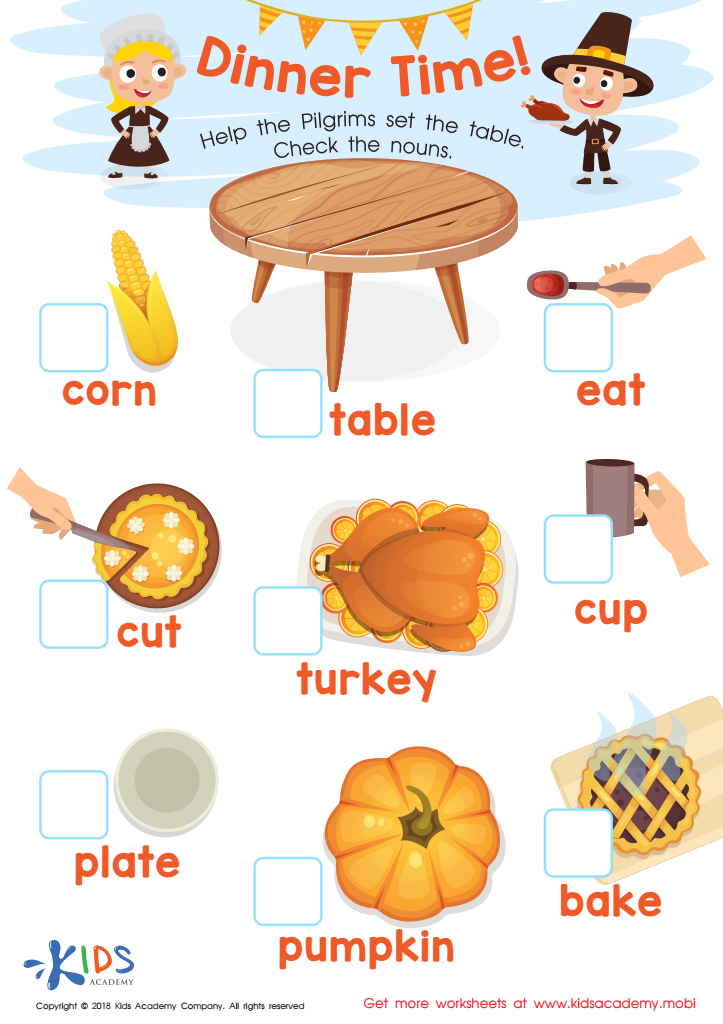
Dinner Time! Worksheet
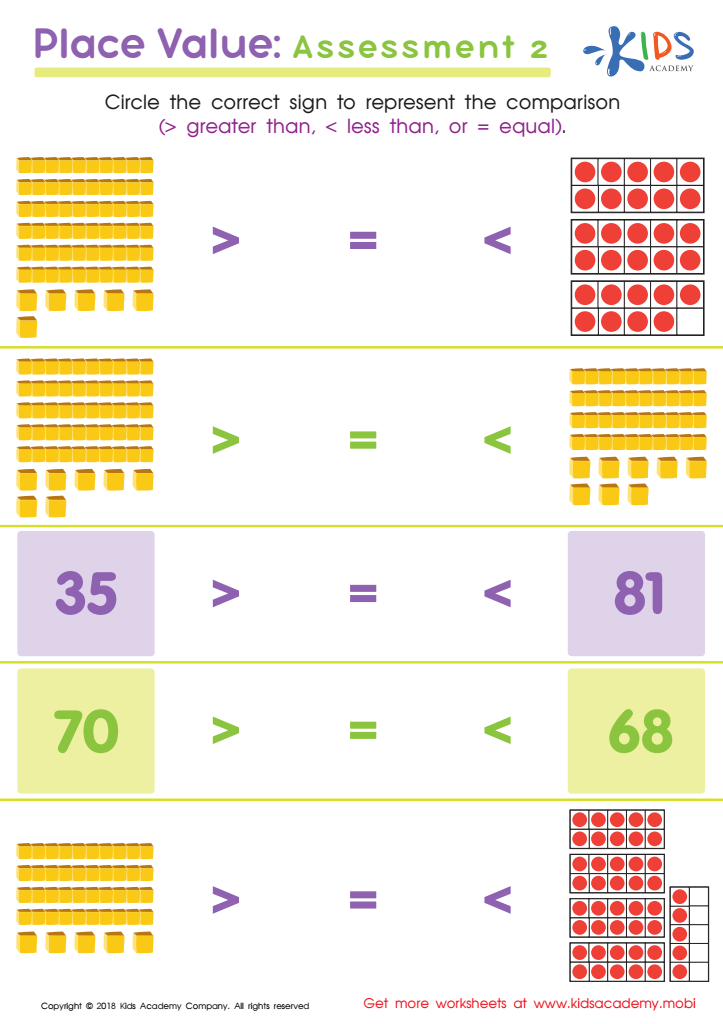
Place Value: Assessment 2 Worksheet
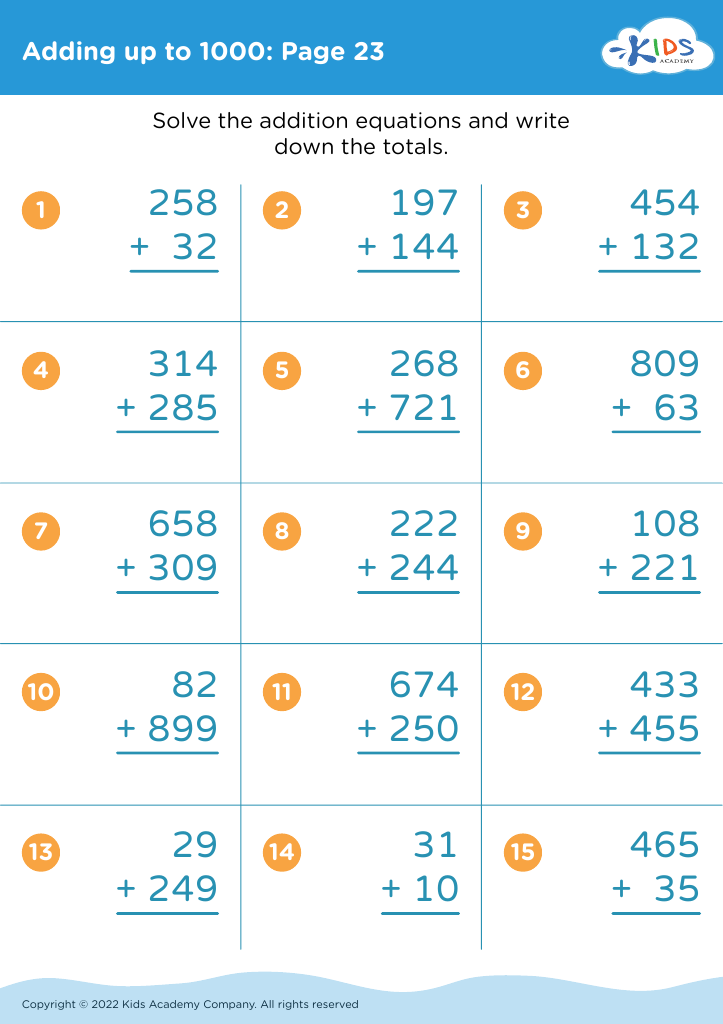
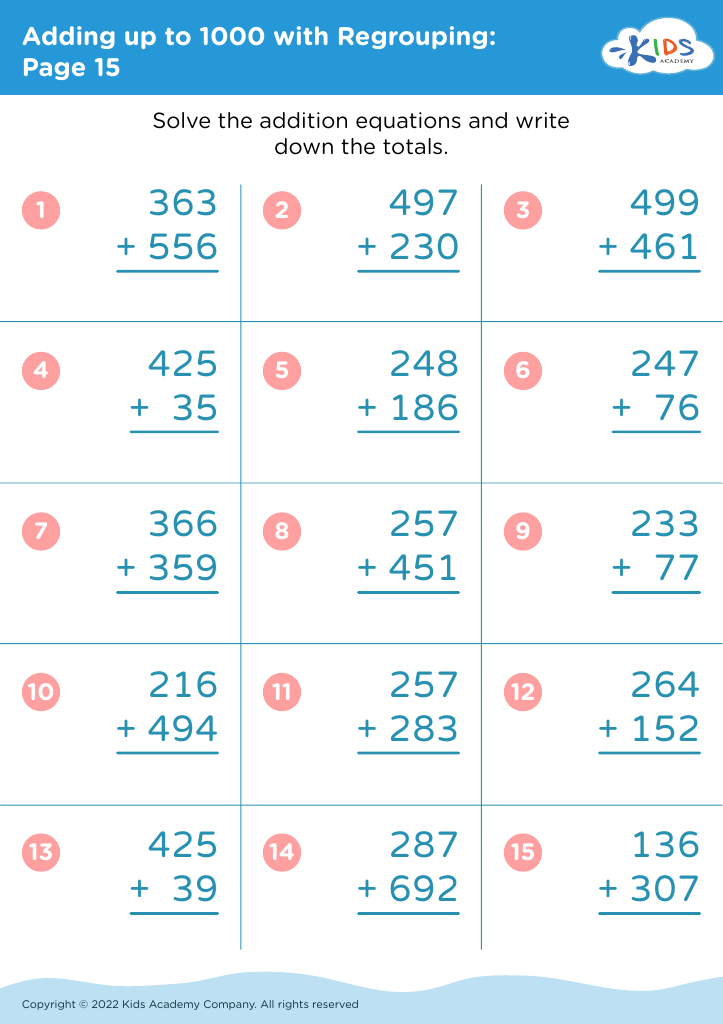
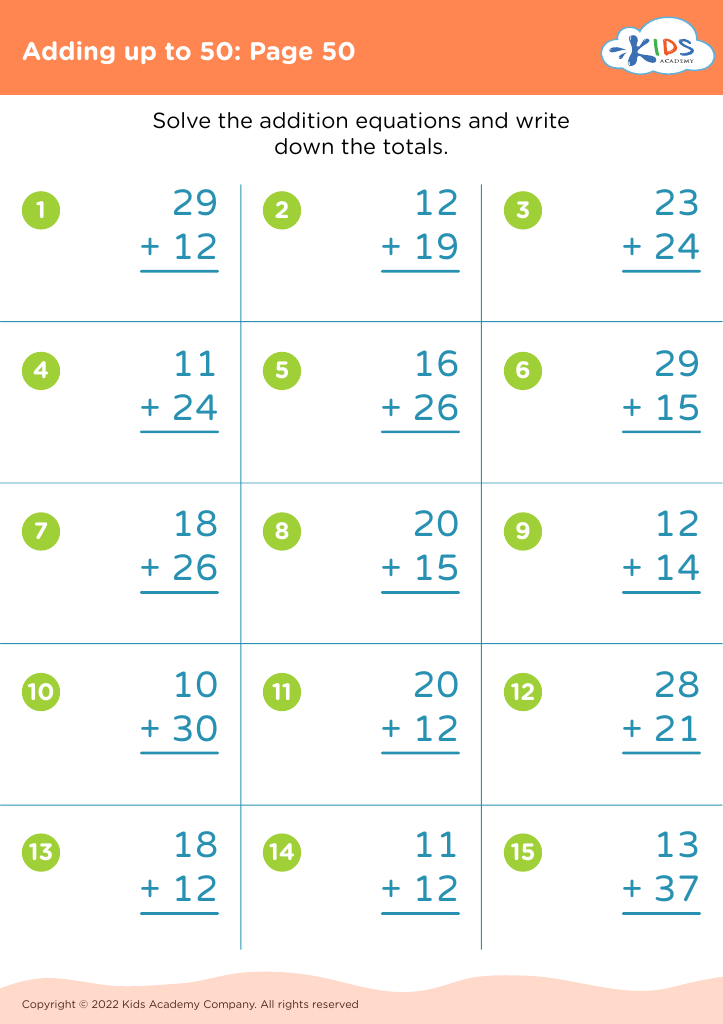
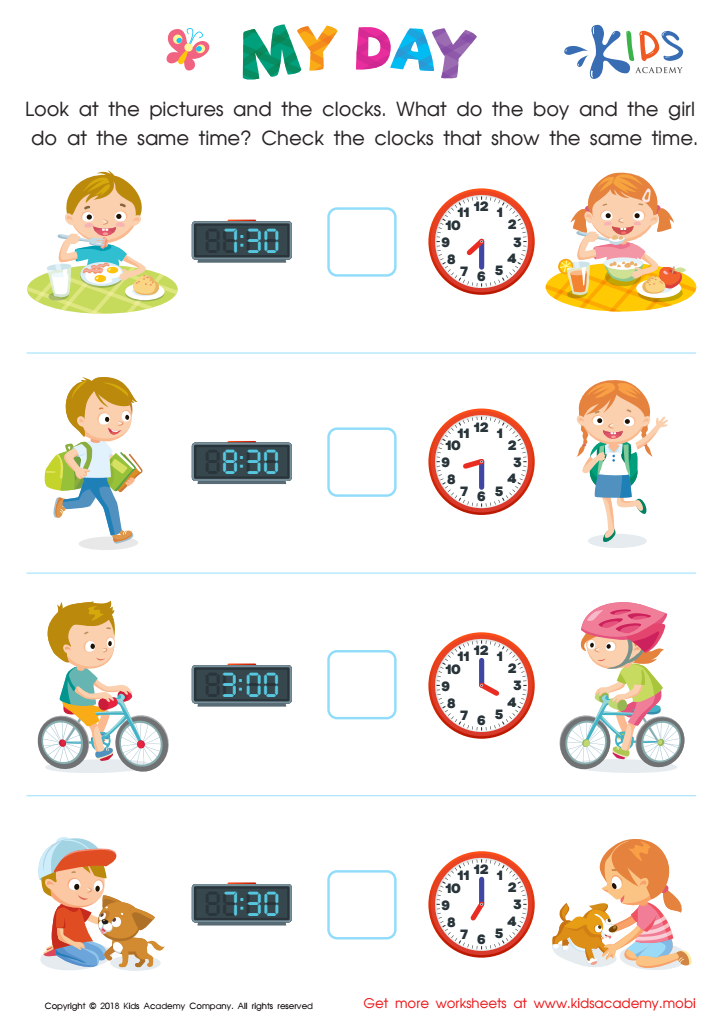
My Day Worksheet








Understanding time is a crucial skill for children ages 7-9 as it lays a foundation for various aspects of their development. At this stage, children begin to grasp more complex temporal concepts, which are essential for effective daily planning and time management. Knowing how to read a clock, for example, helps them follow schedules, meet deadlines (like school assignments or bedtime), and develop routines. This sense of order and predictability can reduce anxiety and increase a child's sense of control over their day-to-day activities.
Moreover, understanding time is intertwined with math skills, such as calculating differences between times or understanding durations, which improves overall numeracy. It also enhances their ability to engage in structured activities, whether academic or recreational, leading to a more focused and productive learning experience. On a social level, being able to interpret and respect time constraints helps children function better in group settings, be punctual for appointments, and appropriately sequence events in storytelling or conversations.
From a cognitive perspective, mastering the concept of time can enhance logical reasoning and spur critical thinking. For parents and teachers, supporting this learning process means empowering children with a fundamental life skill that will benefit their academic performance, personal responsibility, and social interactions now and in the future.








